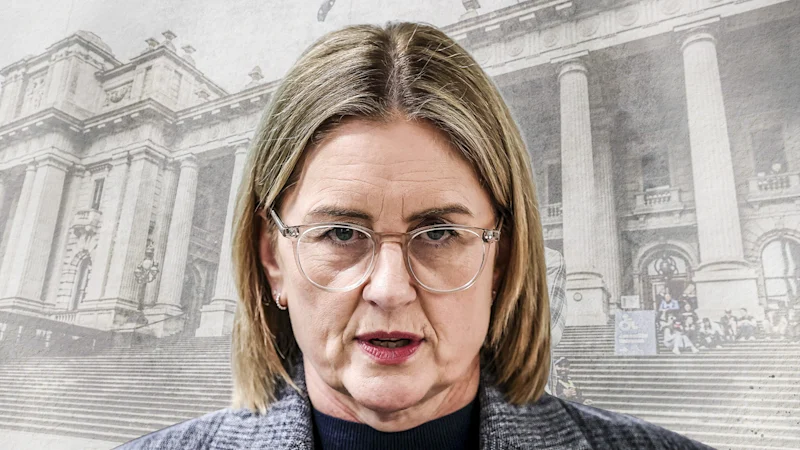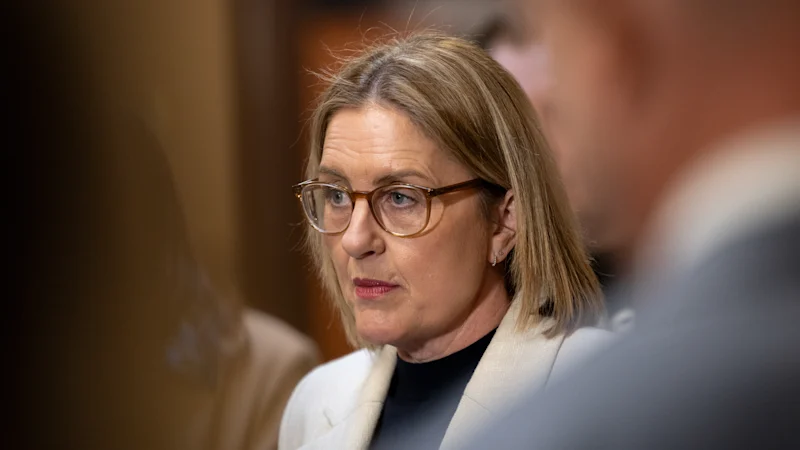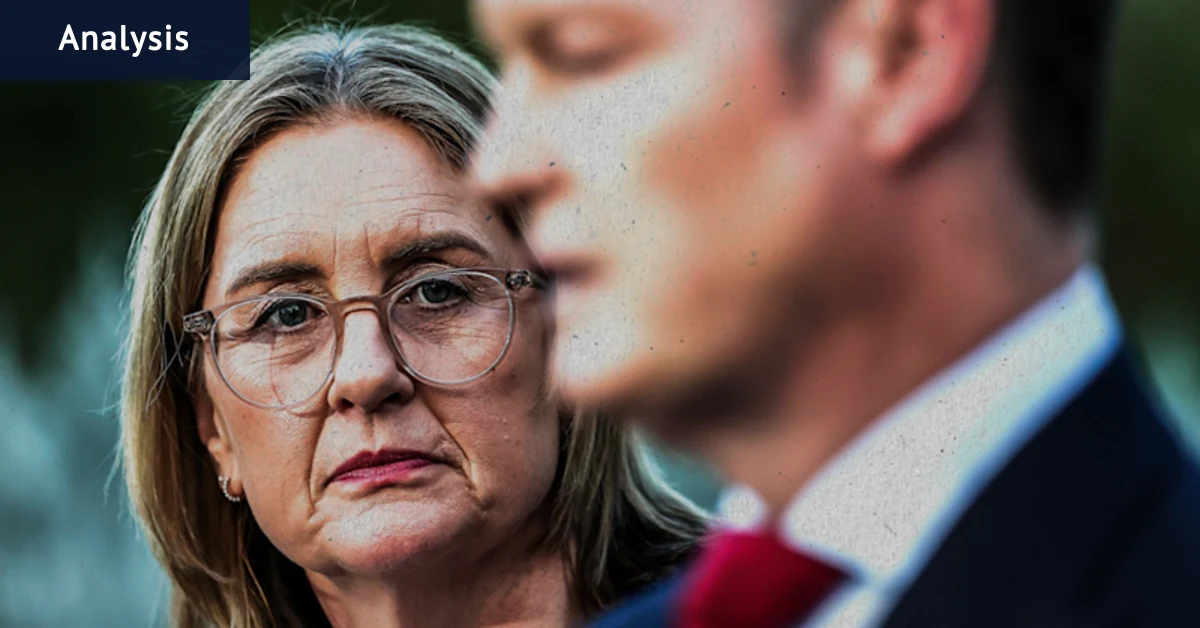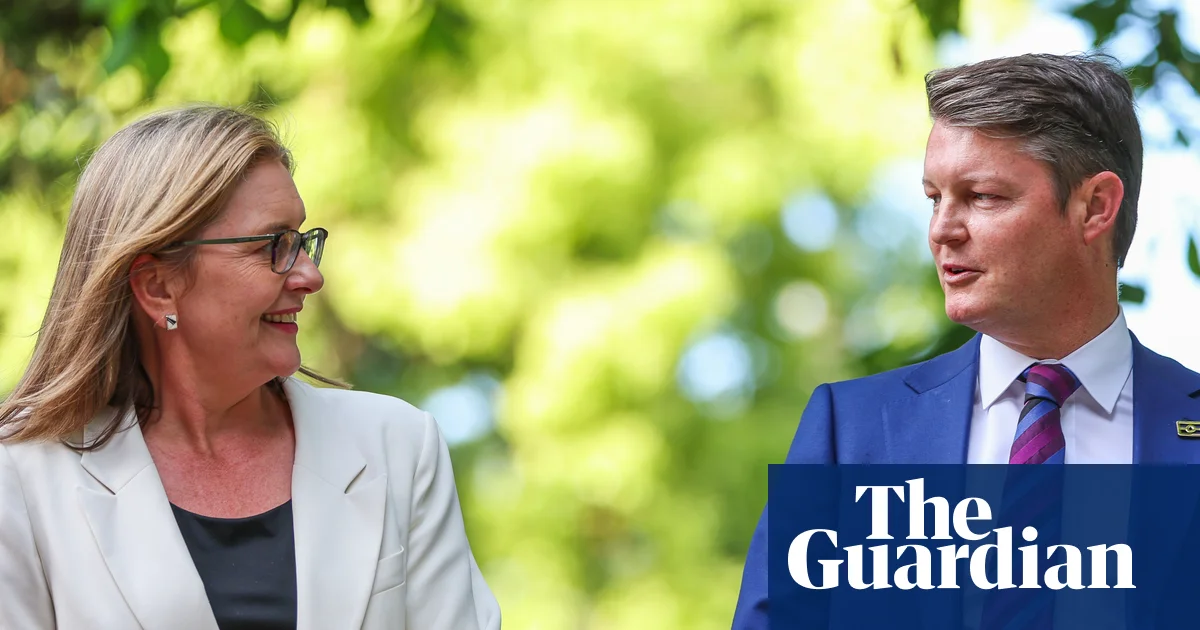
In what could be Jacinta Allan’s last cabinet meeting as Victorian premier, several of her ministers turned against her.In the preceding 24 hours, factional power brokers had agreed to tell the premier that she had lost the support of Labor caucus, with a delegation of ministers and MPs asking her to stand down on Monday morning.The premier refused, instead declaring she would contest any leadership ballot. Not long after, she was informed by her deputy, Ben Carroll, that he would also nominate to replace her.And then Allan walked into a cabinet meeting.According to sources present, the police minister, Anthony Carbines, and frontbenchers from Allan’s socialist left faction – including Gabrielle Williams and Ingrid Stitt – argued that there was a need for a royal commission into allegations of corruption on the government’s Big Build.Sign up for the Breaking News Australia emailAccording to those present, Carbines told the premier the plan he helped create to establish a new crime agency that could help investigate such wrongdoing would lack credibility without a royal commission.Allan responded with the same arguments she has made for months: that a trade union royal commission had already been held nationally; and that the government was already addressing the issue.Allan’s response helps explain why the ministers were among the delegation that urged her to resign.There are many reasons the delegation took the extraordinary step, not least of which is polling that has Labor on track to lose the November election, despite having won in 2022 with an 11-seat buffer.Allan’s personal approval ratings have become a particular liability and her close ties to Daniel Andrews have also weighed on her leadership. While Allan has made significant policy departures from her predecessor – including abandoning plans to lift the age of criminal responsibility to 14 and introducing some of Australia’s toughest bail laws – the shifts have alienated parts of Labor’s progressive voters without convincing others she represents a genuine break from the Andrews era.In effect, the push against Allan made public a major internal fear: Labor cannot win another election with the current leader.The effect of the Big BuildWithin the party, colleagues describe Allan as reactive rather than strategic, and as a poor communicator.Those who know her privately often speak of her sense of humour and easy rapport with people – qualities they say have rarely translated into her public leadership. Nearly three years into the role, even some Labor MPs struggle to articulate what she stands for.But more than any policy dispute or communications problem, it has been the allegations of wrongdoing on the Big Build, first revealed by Nine newspapers two years ago, that have eroded confidence in her leadership.Allan was the minister responsible for transport infrastructure at the time, and while she has apologised for criminal conduct that’s been uncovered, she has also rejected calls for a royal commission.Allan has repeatedly dismissed calls for a royal commission into Victoria’s Big Build. Photograph: Joel Carrett/AAPSeveral Labor MPs say voters repeatedly raise questions about integrity when they are door knocking. One backbencher said their electorate office received calls every second day about the allegations – often referencing the public funding that might have been lost to wrongdoing.They have concluded the issue has become impossible to contain without a royal commission.“The issue has overshadowed every single achievement we have made. We can’t talk about the Metro Tunnel, we can’t talk about West Gate Tunnel, free public transport, new hospitals and schools,” one MP said.skip past newsletter promotionafter newsletter promotion“It is incumbent on the government to investigate it. To find out what happened”Another MP said the government “have to be accountable for decisions we have made on behalf of the Victorian people”.“At the moment no one believes that’s happening in a meaningful way.”Allan’s likely successor is viewed by colleagues as sufficiently removed from the infrastructure portfolio to draw a line under the controversy.Carroll has long been touted as a potential challenger for the leadership, but has consistently ruled out doing so. As recently as June, he looked Allan in the eye and declared he would not challenge her.There may be have been some pragmatism at bay. The party now requires a weeks’ long process when there’s a contested leadership ballot, to allow rank-and-file members to cast their votes.With an election in November, could the party afford a such a drawn out affair – one that could be avoided if only one person contested the leadership?But, with Allan refusing to stand down, Carroll announced his intention to contest the leadership. He has told colleagues that he would establish a royal commission if elected leader.Publicly, there is little detail about what such an inquiry would involve, and Allan’s supporters argue it could be politically disastrous.“It would be five minutes of relief, and then we’d be right back where we are now,” one minister said.“Every day of the campaign there would be hearings. Every day there would be media reporting. How on earth would that help us?”Those backing Carroll’s push believe the premier’s poor approval figures mean voters will forgive them for moving against her. They point to a poll in the Herald Sun in June that showed even 40% of Labor voters believed she should be replaced ahead of the state election.But even if Labor changes leader, it might not be enough. After three terms in office, the party could simply face the political reality that voters have decided it is time for a change.
Perceived inaction on Big Build corruption could see Jacinta Allan’s leadership demolished
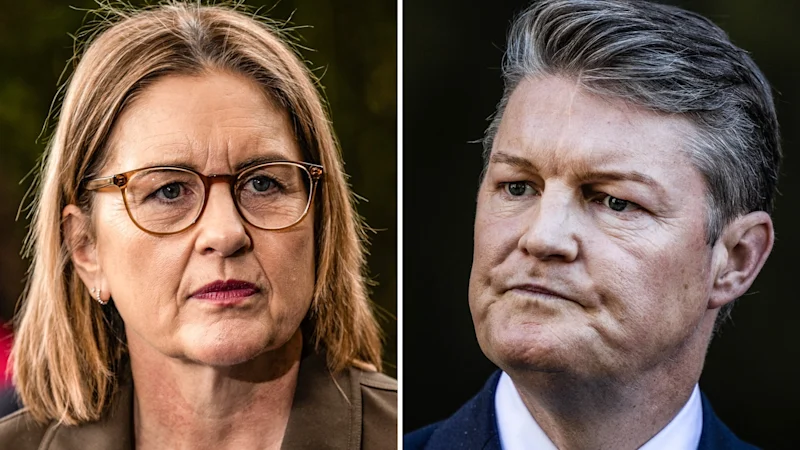
The premier’s deputy, Ben Carroll, is among many MPs who don’t believe Labor can win another election under Allan
903 words~4 min read