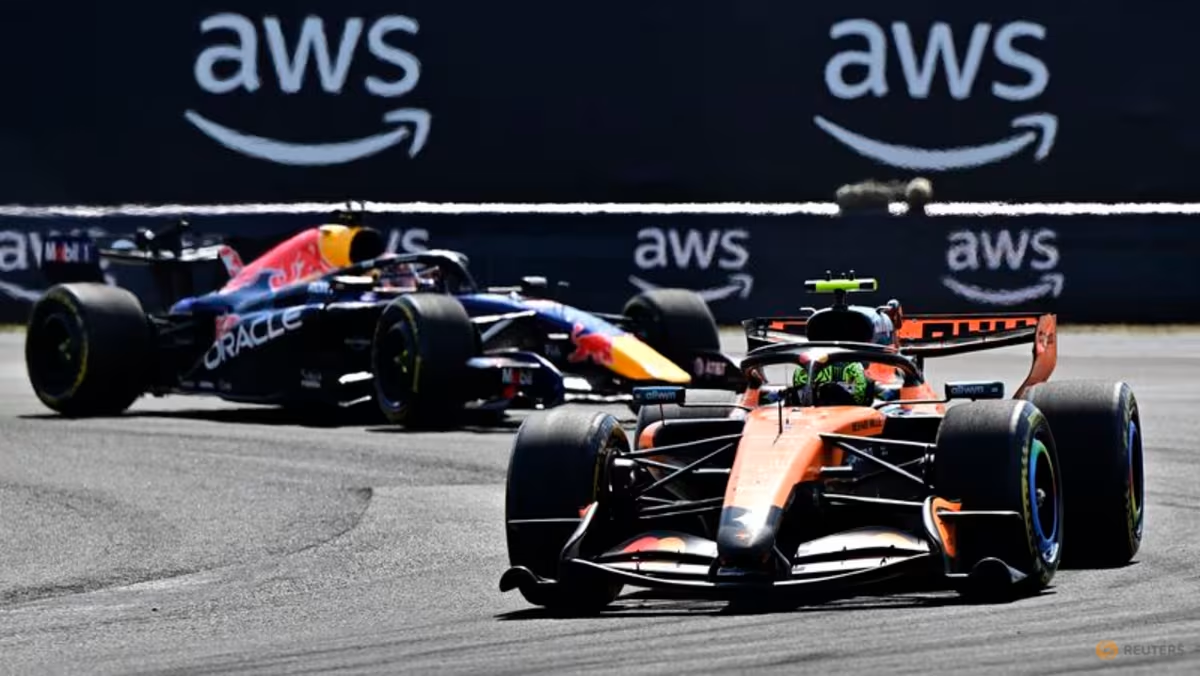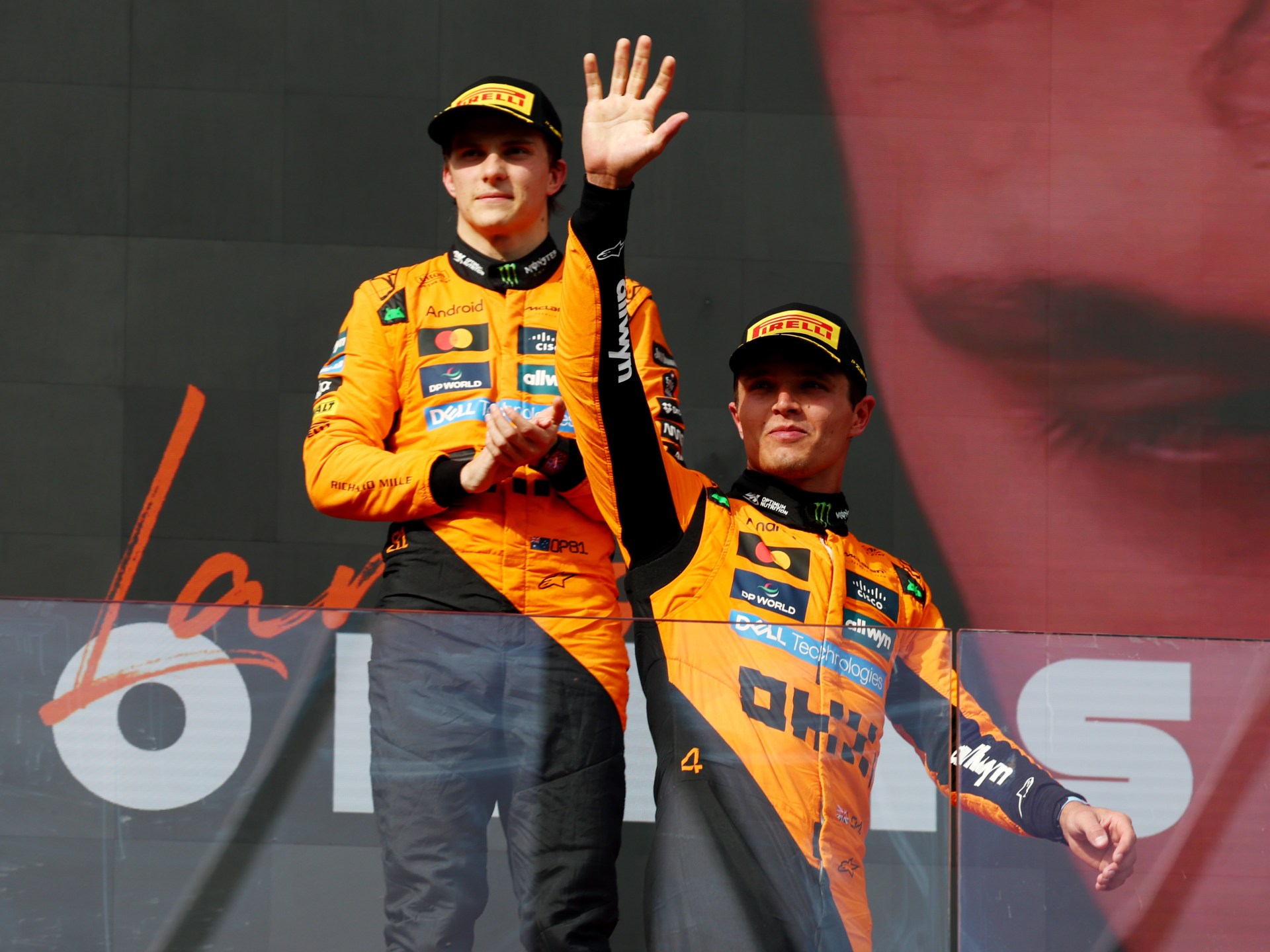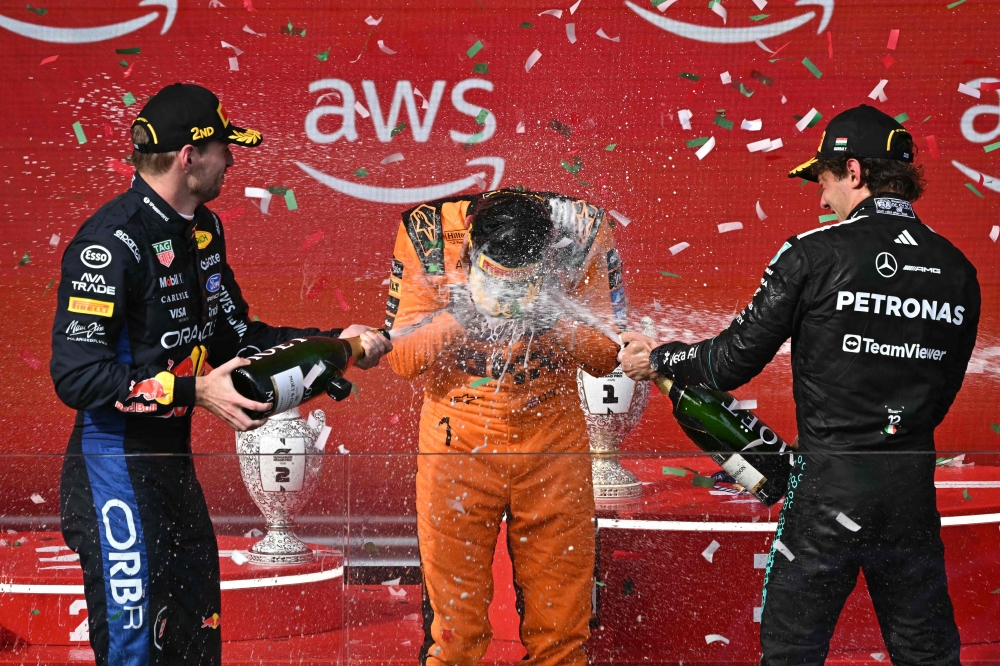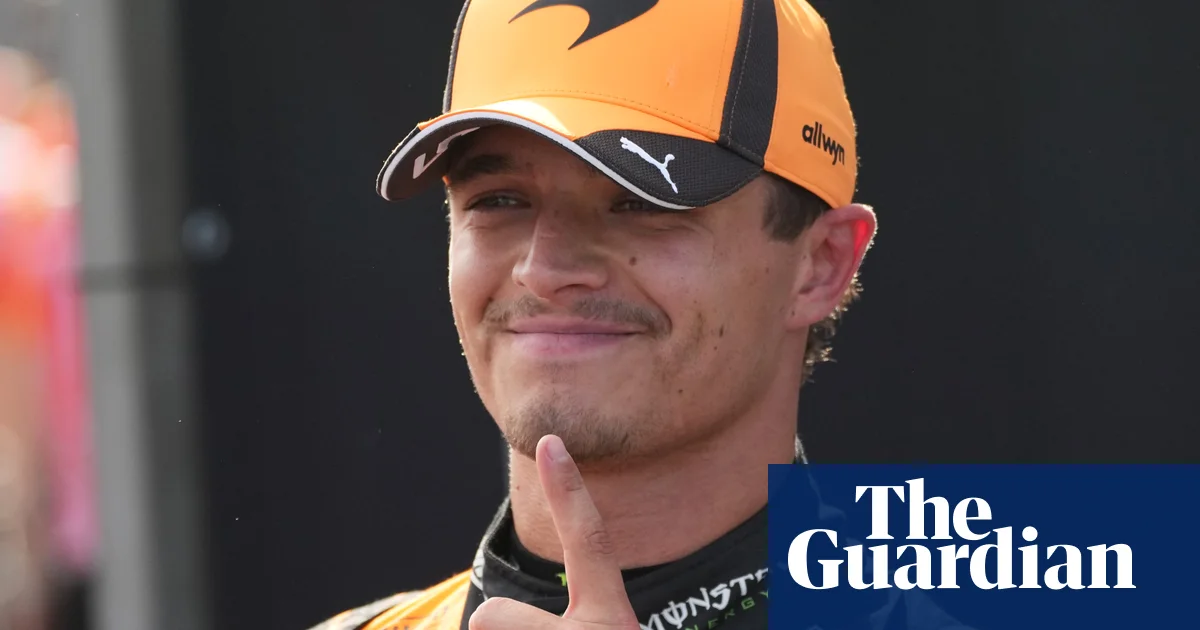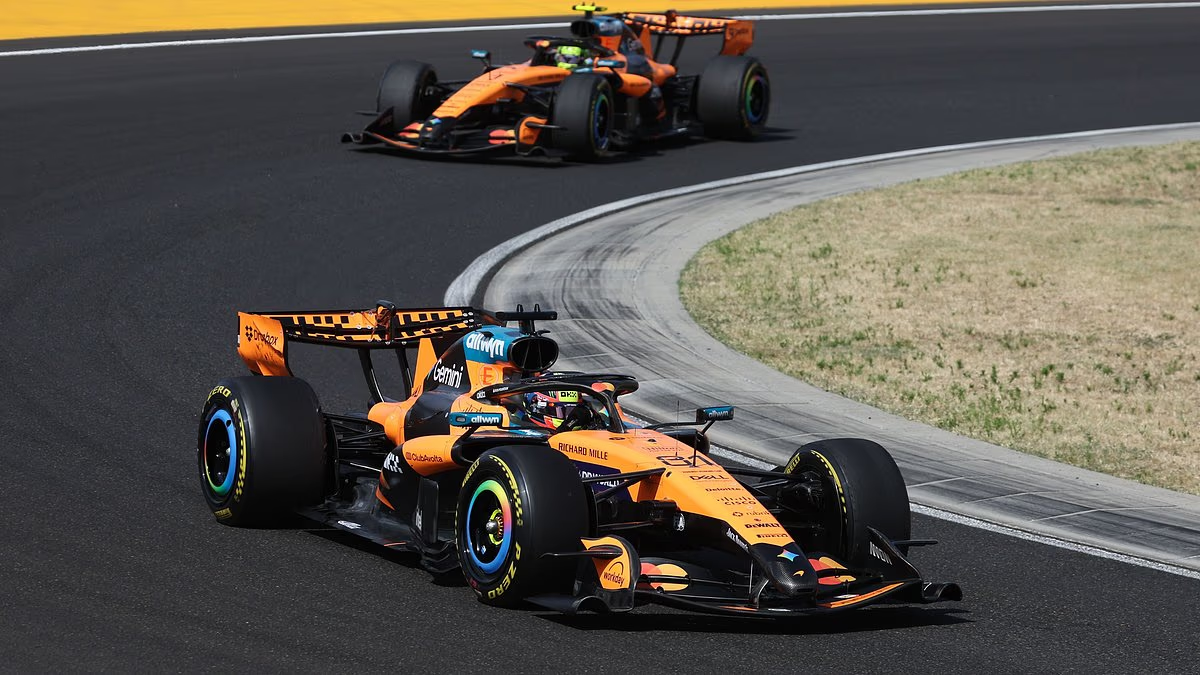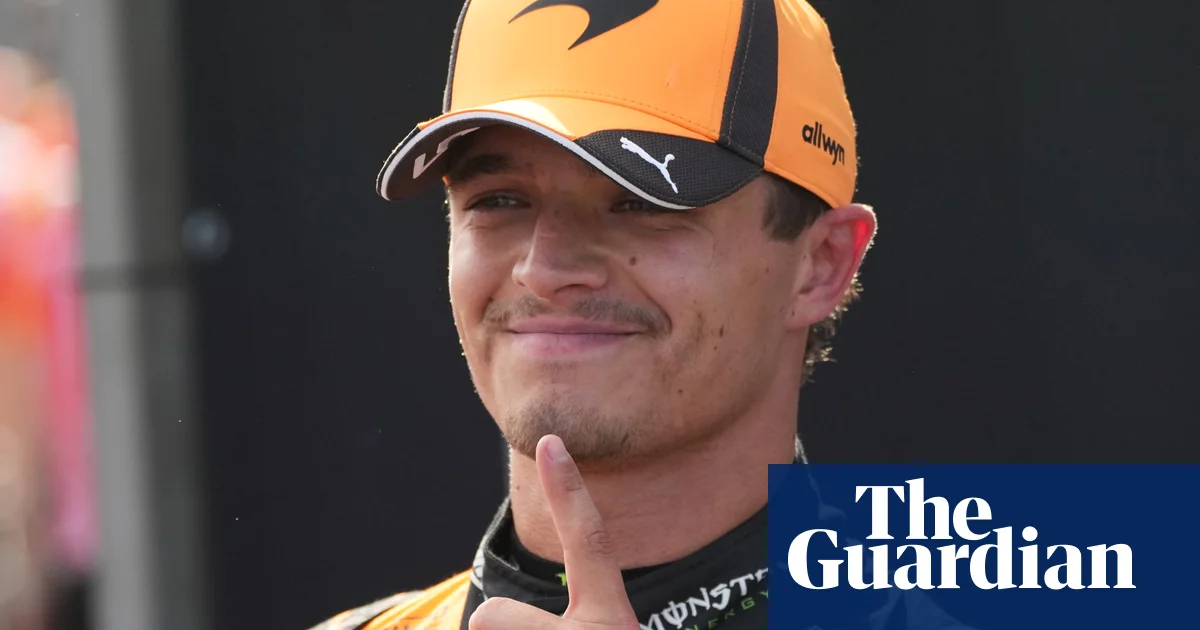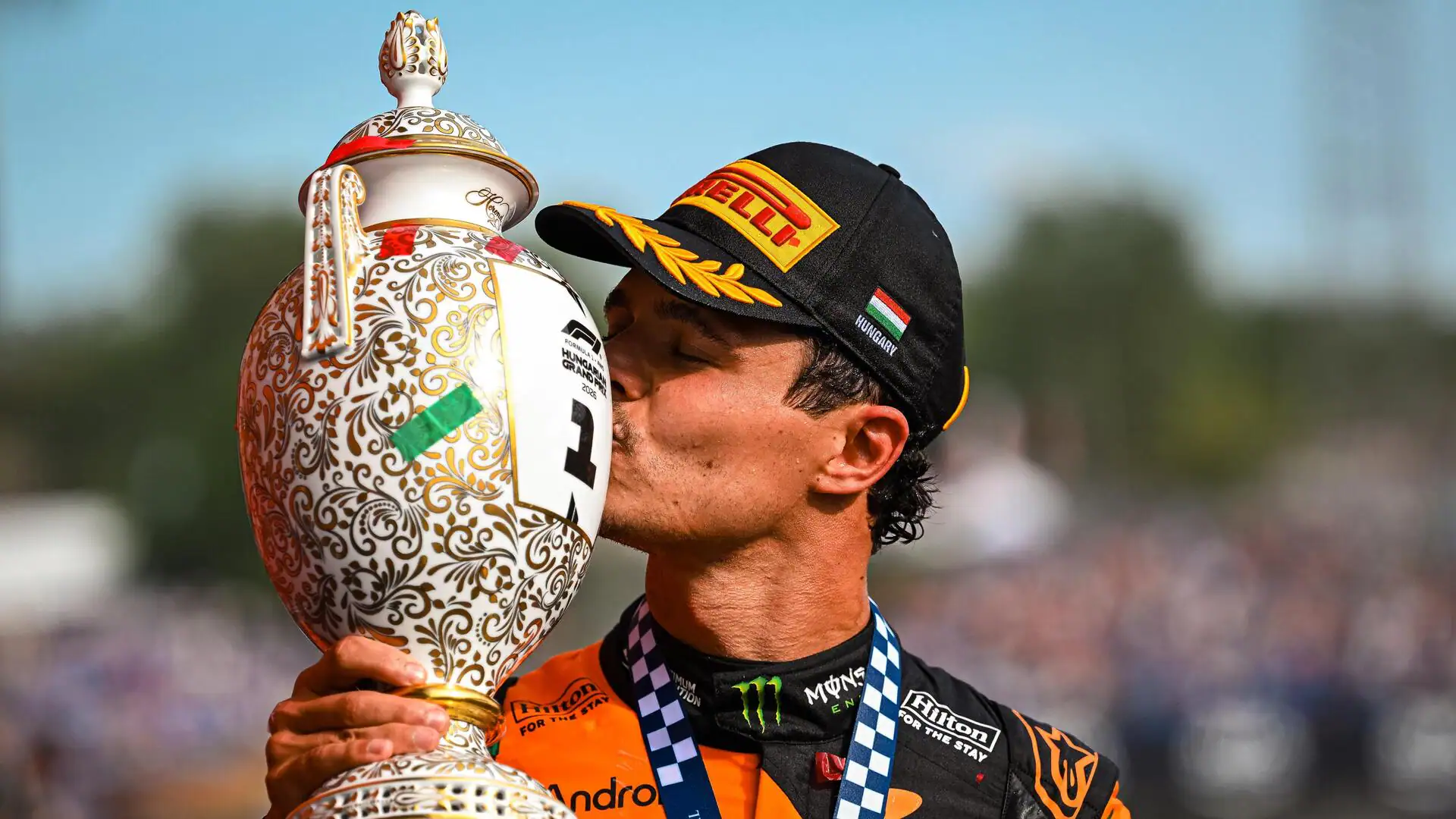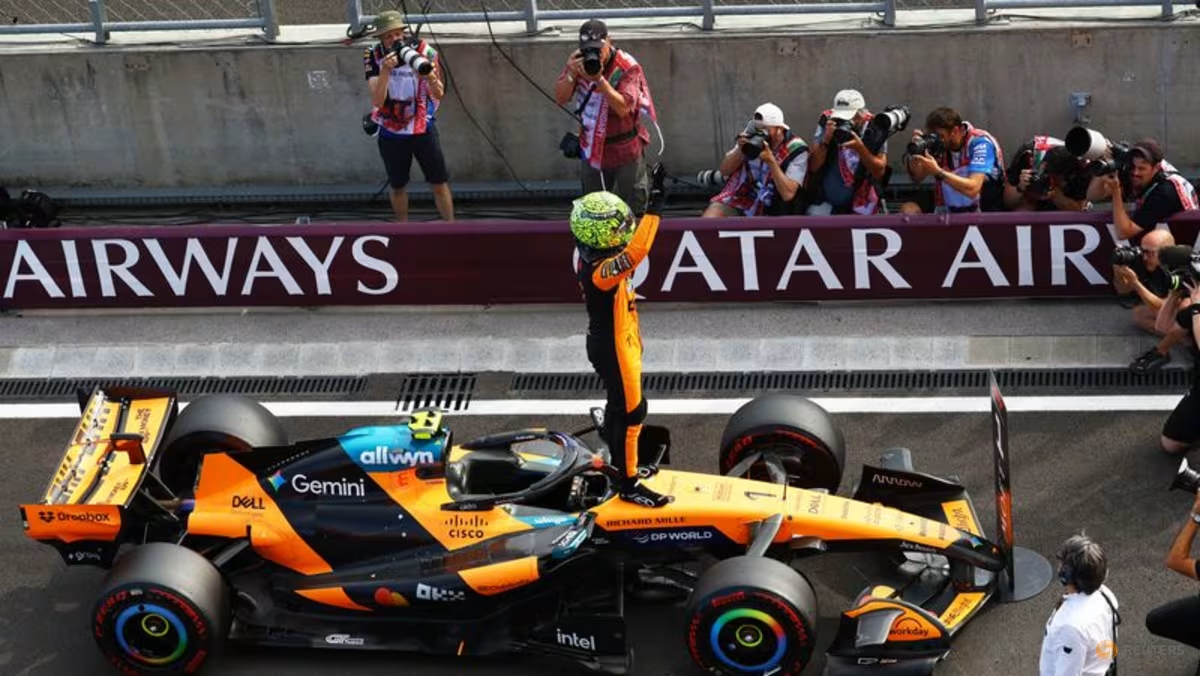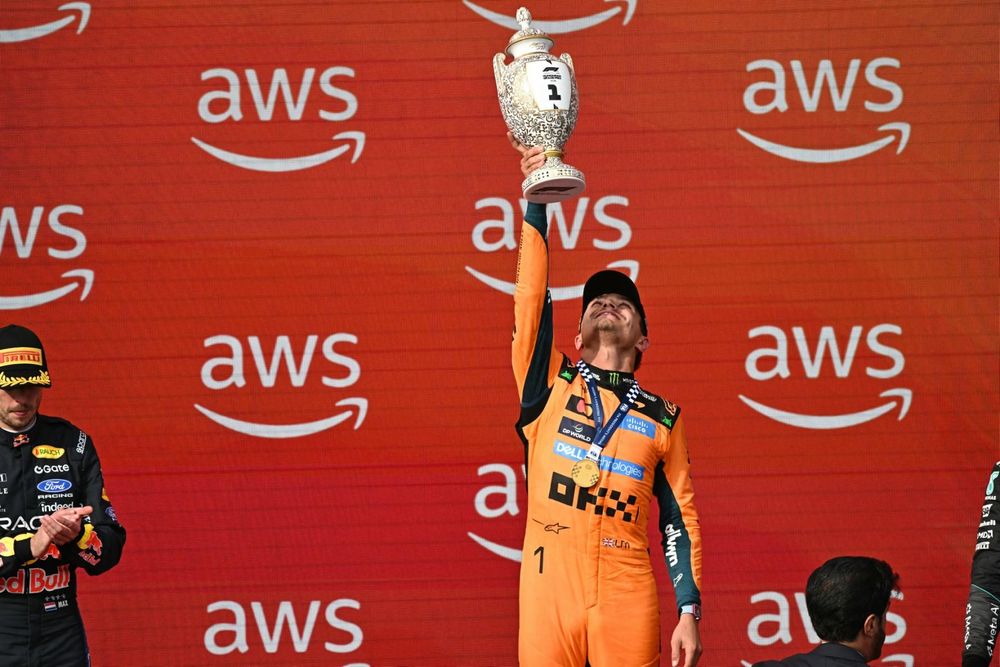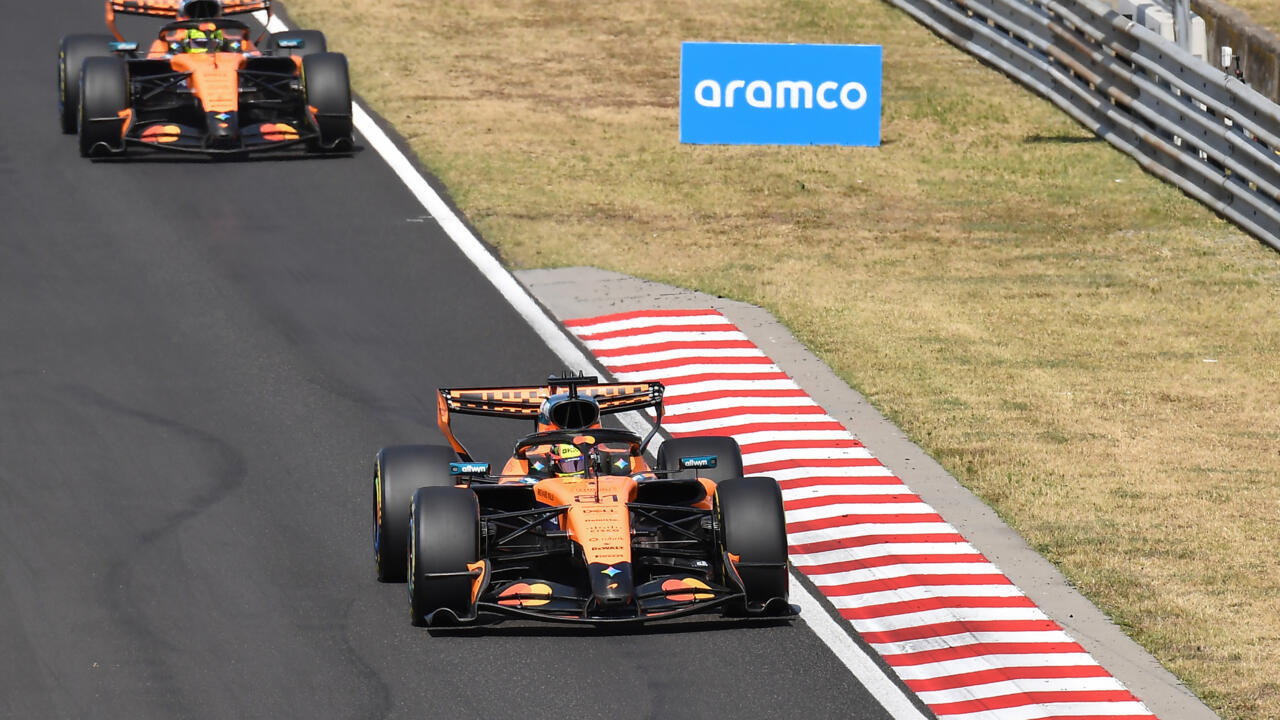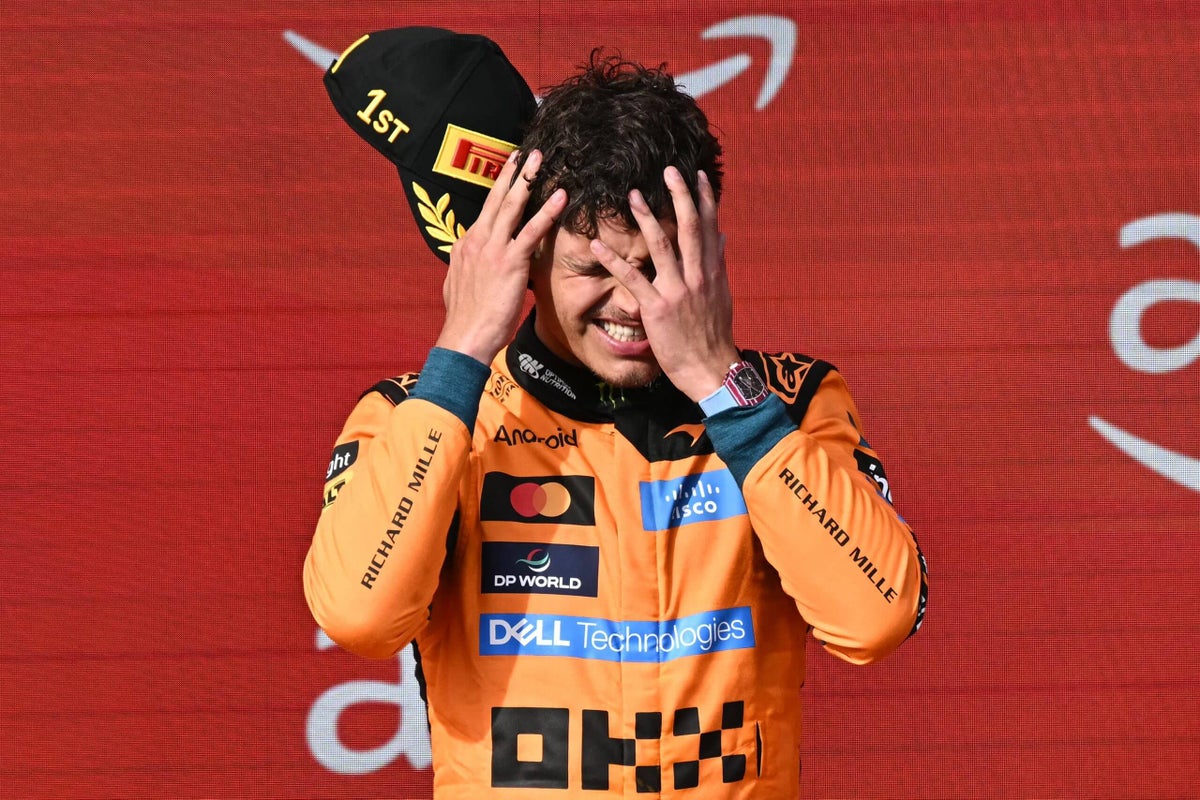
BUDAPEST, Hungary — What is it about McLaren and the Hungarian Grand Prix?For the third year in a row, McLaren found itself in total control at the Hungaroring, its cars running first and second. A perfect result to enter Formula 1’s summer break was on the cards.And, just as it did in 2024 and 2025, McLaren found itself managing a tense situation between drivers Lando Norris and Oscar Piastri, with both desperate to score a first win of the season.Two years ago, the spotlight was on Norris and whether he would move aside for Piastri after inadvertently moving into the race lead. He did, begrudgingly, with a few laps ago and his teammate took a maiden F1 win.In 2025, it was Piastri who ended up deflated after McLaren’s call to split strategies — pitting him twice to Norris’s once — backfired on the early race leader and left him a narrow second at the checkered flag, amid their fight for the drivers’ title that ultimately went to Norris.This year McLaren was in a very different position. This was the first time all season it had really looked capable of defeating Mercedes, with Norris taking pole on Saturday and Piastri ending up third on the grid after penalties for Ferrari driver Lewis Hamilton and Mercedes’ championship leader, Kimi Antonelli.McLaren couldn’t afford to let its chance slip.But as pole-sitter Norris toiled behind Piastri, having lost the lead on Lap 1 of 70 with a big slide at Turn 2, his view was squarely on the rear of the sister McLaren while keeping an eye on Max Verstappen’s Red Bull in his mirrors. He felt trapped and did not want to hide his frustration.“I’m miles faster!” Norris told his race engineer, Will Joseph. His fear, as much as such a message also served his own interests, was that McLaren risked throwing its strong result away if it kept things as they were.“There’s certain rules we have as a team and we can’t harm each other’s race by being overly aggressive or wanting to win,” Norris said in the post-race news conference. “But I want to win, and I certainly had much better pace than him.“We had a much better chance of winning the race (with Norris ahead), let’s say.”Stuck behind Piastri for the first and second race stints, Norris felt his pace was being compromised by dirty air — the wake from one car that causes a loss in downforce and worse handling for one following closely — coming off his teammate’s car.Put him in free air, and he’d be able to show he was faster. He didn’t care how it happened, be it pitting first or extending his stint. He knew he could win.“I was within eight-tenths (of a second) or something for 40 laps, almost,” Norris said of his chase behind Piastri. “The fact I could do this gave me confidence that I could win the race no matter what.”Oscar Piastri leads Lando Norris and Max Verstappen early at the Hungaroring. (Ferenc ISZA / AFP / Getty Images)Norris talked his game to McLaren, but then had to prove it when Piastri pitted from the lead on Lap 33.He at last had clear air and his lap times immediately improved by around 0.8-seconds per lap, even outpacing Piastri on his brand new set of hard tires. Despite staying out, there was even a chance Norris could emerge from the pits ahead of Piastri, running counter to the traditional advantage offered to those pitting sooner for fresh tires (known as an undercut).But any hope Piastri had of staying in contention against Norris was extinguished in his bizarre clash with Carlos Sainz, the Williams driver Piastri was coming up to lap a few laps after his second stop.The incident cost Piastri a couple of seconds as he grappled to regain control of his car, which were decisive as Norris emerged from the pit lane on Lap 40 and took Turn 1 directly ahead of Piastri.
McLaren had another fast and awkward Hungarian GP. But Lando Norris was always going to win
Both McLaren drivers led the Hungarian GP and had heated team radio moments. But only one had the pace to win
1,579 words~7 min read