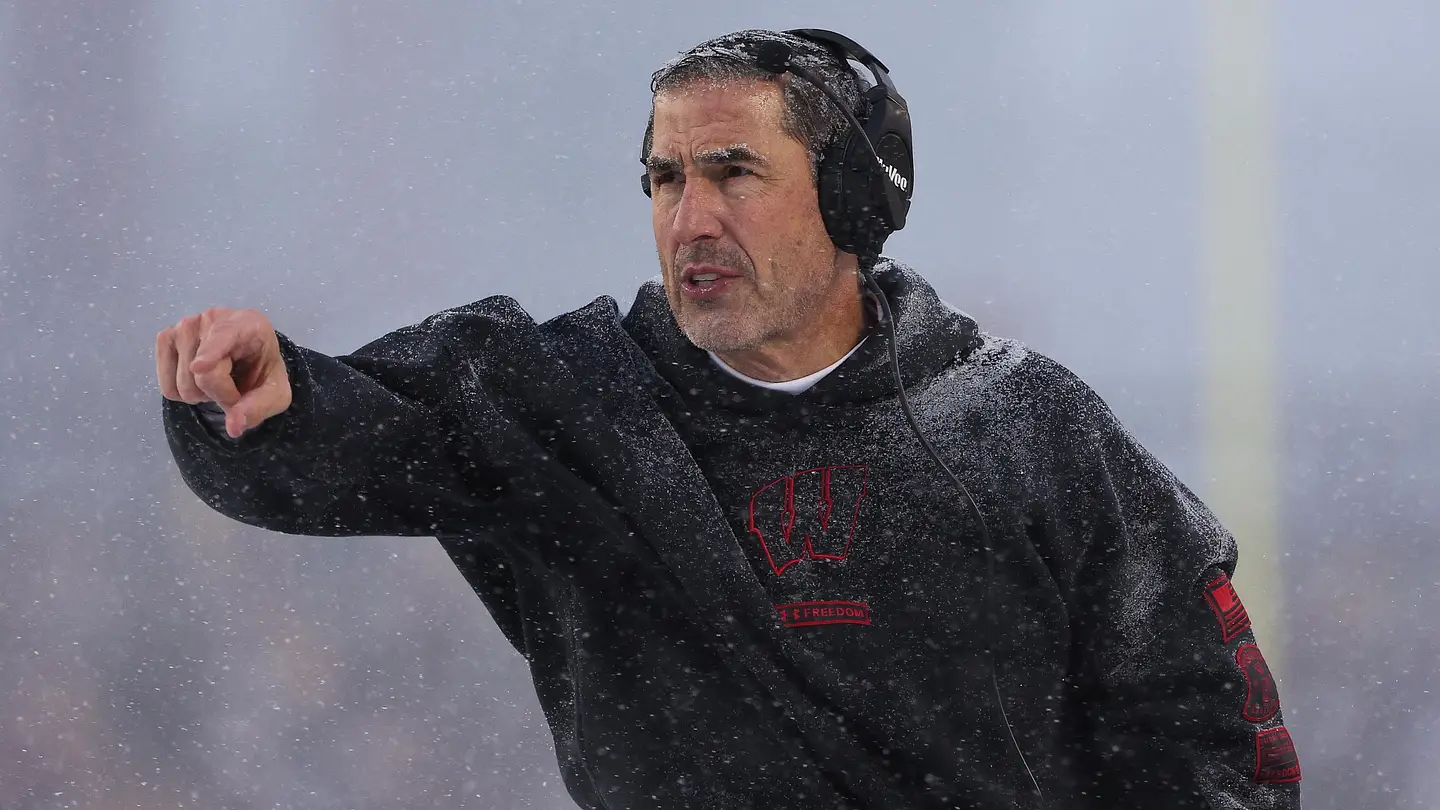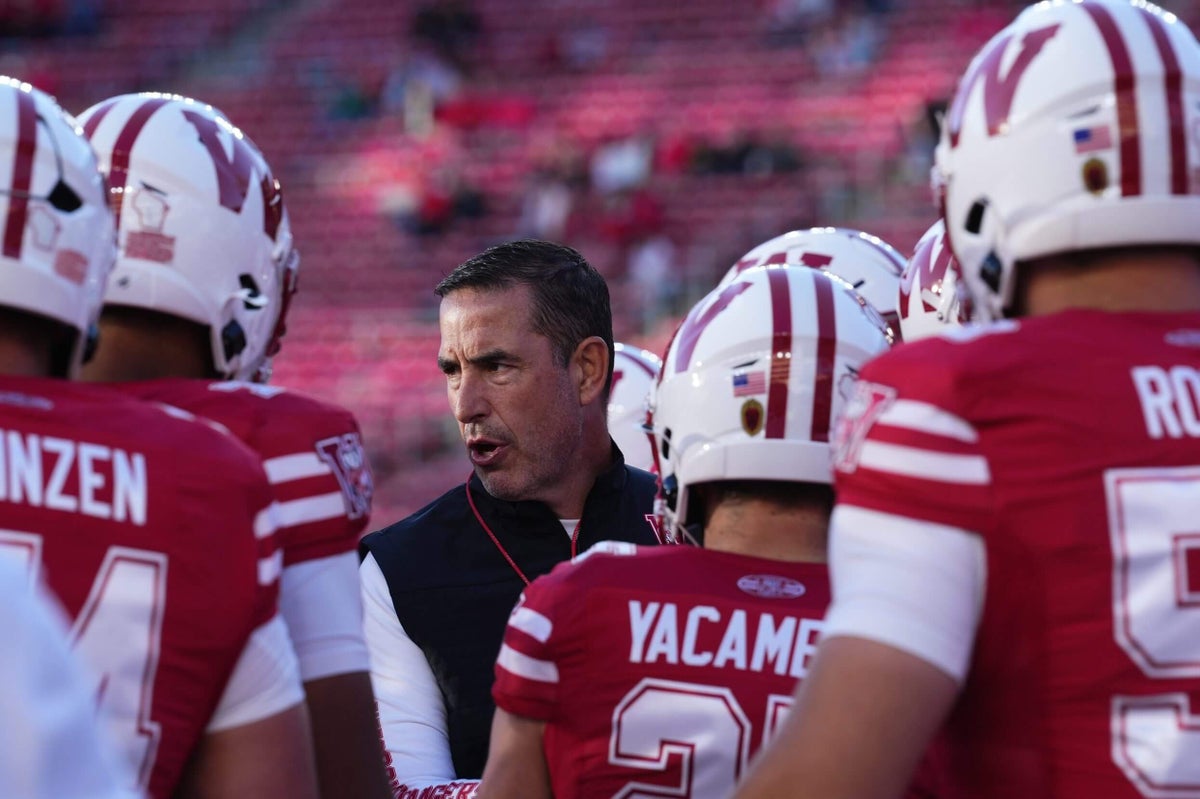
MADISON, Wis. — Hours after “Fire Fickell” chants reverberated across Camp Randall Stadium, Luke Fickell waited for more bad news to come walking through his door.Year 3 was not going to plan for the Wisconsin football coach, bottoming out with back-to-back home shutout losses last October. So when athletic director Chris McIntosh came knocking in the midst of a six-game skid, Fickell expected the worst. The former Badgers offensive lineman gave him a choice instead.“He asked me, ‘What do you want to do?’” Fickell said in an interview with The Athletic. “‘You’re at a crossroads. Where are we headed here? Either you’re all in, or find an escape route.’”There were no specifics on how a departure might be handled — whether Fickell would be fired immediately, finish the season or reach a settlement on his roughly $25 million buyout. McIntosh wanted an answer first. He gave the coach the night to think about it.“There’s nothing I would rather do than pull ourselves out of where we are,” Fickell told him the next day.McIntosh hired Fickell in November 2022 to much fanfare, less than a year removed from Fickell leading Group of 5 Cincinnati to the four-team College Football Playoff. The former Ohio State assistant’s Big Ten and Midwest roots made him an ideal candidate to elevate a consistently successful program that had fallen off the pace of the sport’s title contenders.It’s gone the opposite direction. On the heels of two disappointing seasons, the 2025 Badgers were ravaged by injuries — particularly at quarterback — a brutal schedule and a glaring lack of identity. A program that made 21 straight bowl games before Fickell’s arrival endured consecutive losing seasons for the first time since 1992. Fickell is 17-21 overall and 10-17 in Big Ten play.All of it underscores the do-or-die nature of the 2026 season for Fickell, kicking off with a prime-time opener against Notre Dame on Sept. 6 at Lambeau Field.The falloff isn’t a mystery. Fickell, 52, acknowledges that he and McIntosh were reluctant to embrace the modern roster-budget reality of college football. Wisconsin lagged behind its peers in name, image and likeness dollars and wrongfully believed the new revenue-sharing cap would level the financial playing field.“I can never quit anything in my life, but it was more than that,” Fickell said. “This is all I want to do. I’m not backing down. But we needed to do things in a different way. Otherwise I’m not sure we can turn this thing around.”McIntosh, who did not respond to interview requests by The Athletic, agreed. On Oct. 20, two days after a 34-0 home bludgeoning by the Buckeyes, the AD sent a letter to Badgers fans indicating his support for the head football coach and plans to increase investment in the program.“Coach Fickell sees the potential in what this team can be, as do I, and he shares the same disappointment and frustration,” the letter read. “As a department we must provide our coaches the tools necessary to succeed.”It didn’t quell the fan outrage, especially as schools like Penn State pulled the plug on James Franklin and LSU fired Brian Kelly amid similarly disappointing seasons. In early November, after McIntosh reiterated Fickell would return in 2026, former Badgers men’s basketball player and local sports radio host Ben Brust declared “Saturday’s don’t even exist anymore!” in a memorable on-air rant, describing the season as the “lowest of lows in 35 years” for Wisconsin football.Even after ranked wins over Washington and Illinois in the final weeks, a 4-8 record did little to temper skepticism among the Badgers faithful boating on Lake Mendota or tucking into the world-famous cheese curds at The Old Fashioned. But there have been tangible changes, headlined by a significant increase in roster funding.Wisconsin fans have expressed their displeasure about the direction of the program under Luke Fickell. (USA Today Network via Reuters Connect)Fickell and other Wisconsin officials declined to talk specific dollar figures, but the Badgers’ roster budget is north of $25 million in 2026 and more than double what it was in 2025, according to people briefed on the budget who spoke on the condition of anonymity because they weren’t authorized to discuss it publicly.“As I understand it, we were in the bottom third, bottom 40 percent of the Big Ten in terms of NIL money (last season),” said Ted Kellner, a prominent Badgers booster who founded investment and real estate management firms. “I heard we’re in the top half this year.”The result is a deeper and more talented depth chart that added more than 30 players via the transfer portal, including former Old Dominion quarterback Colton Joseph, a fortified offensive line and a rebuilt secondary.
Luke Fickell wanted to stick it out at Wisconsin. With a $25M roster, now he has to win
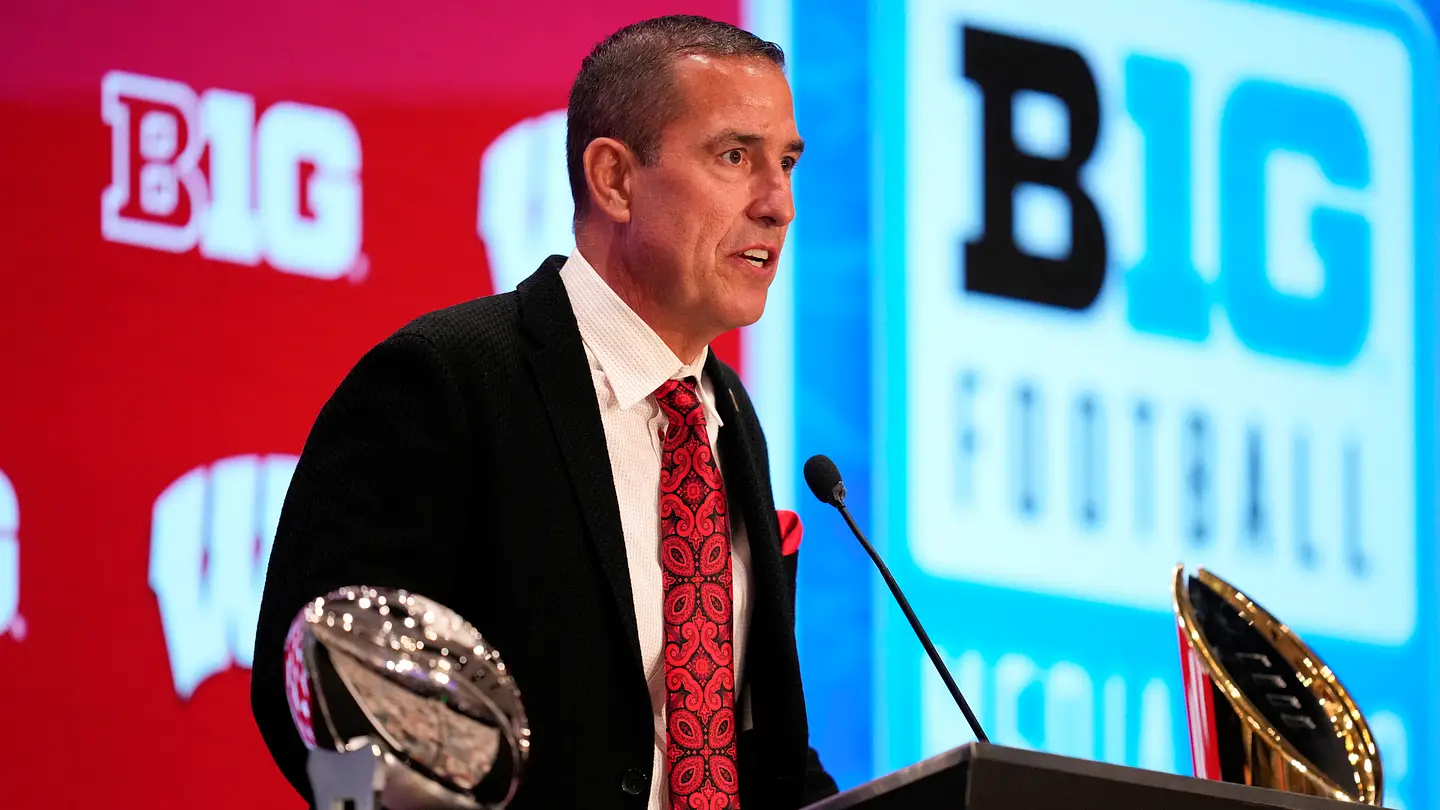
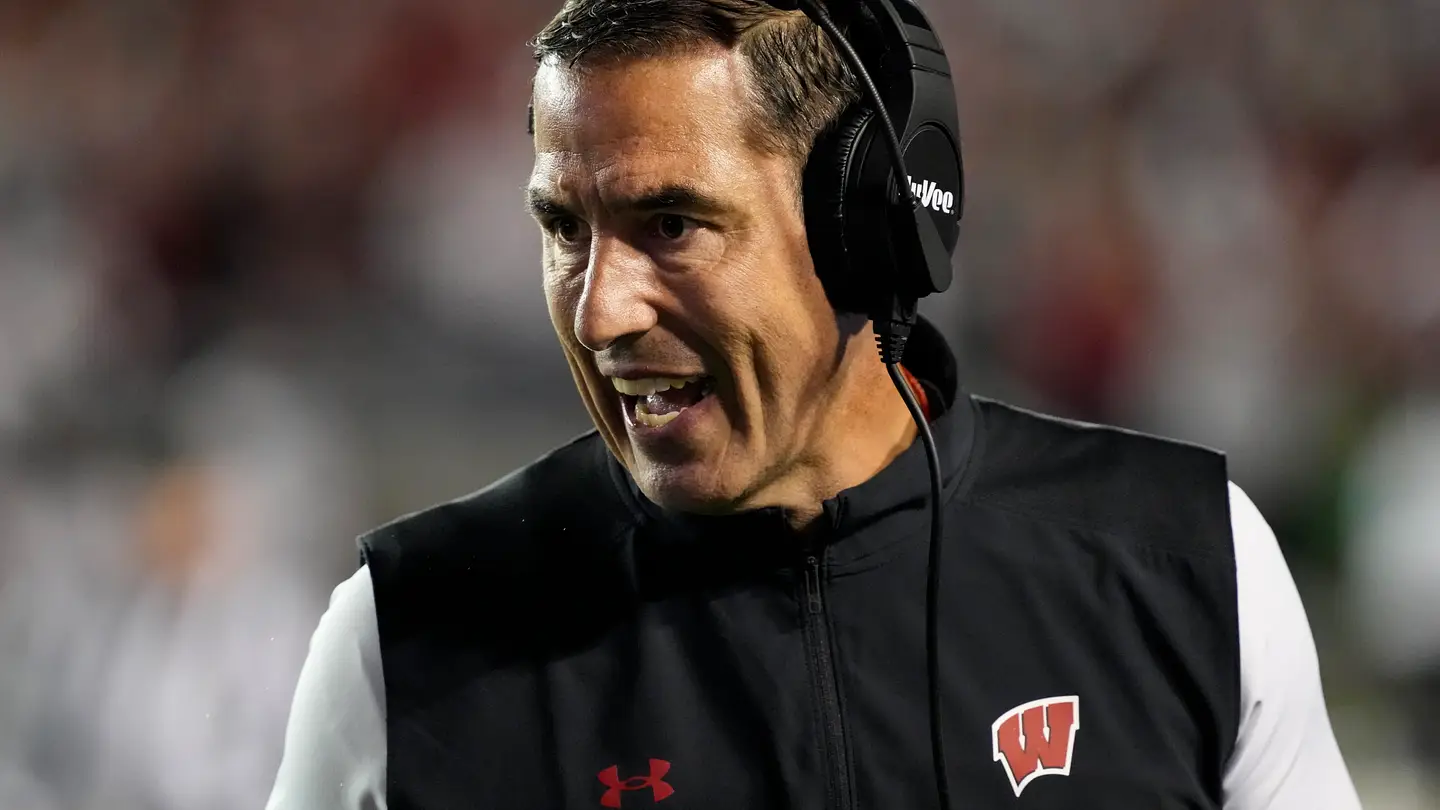
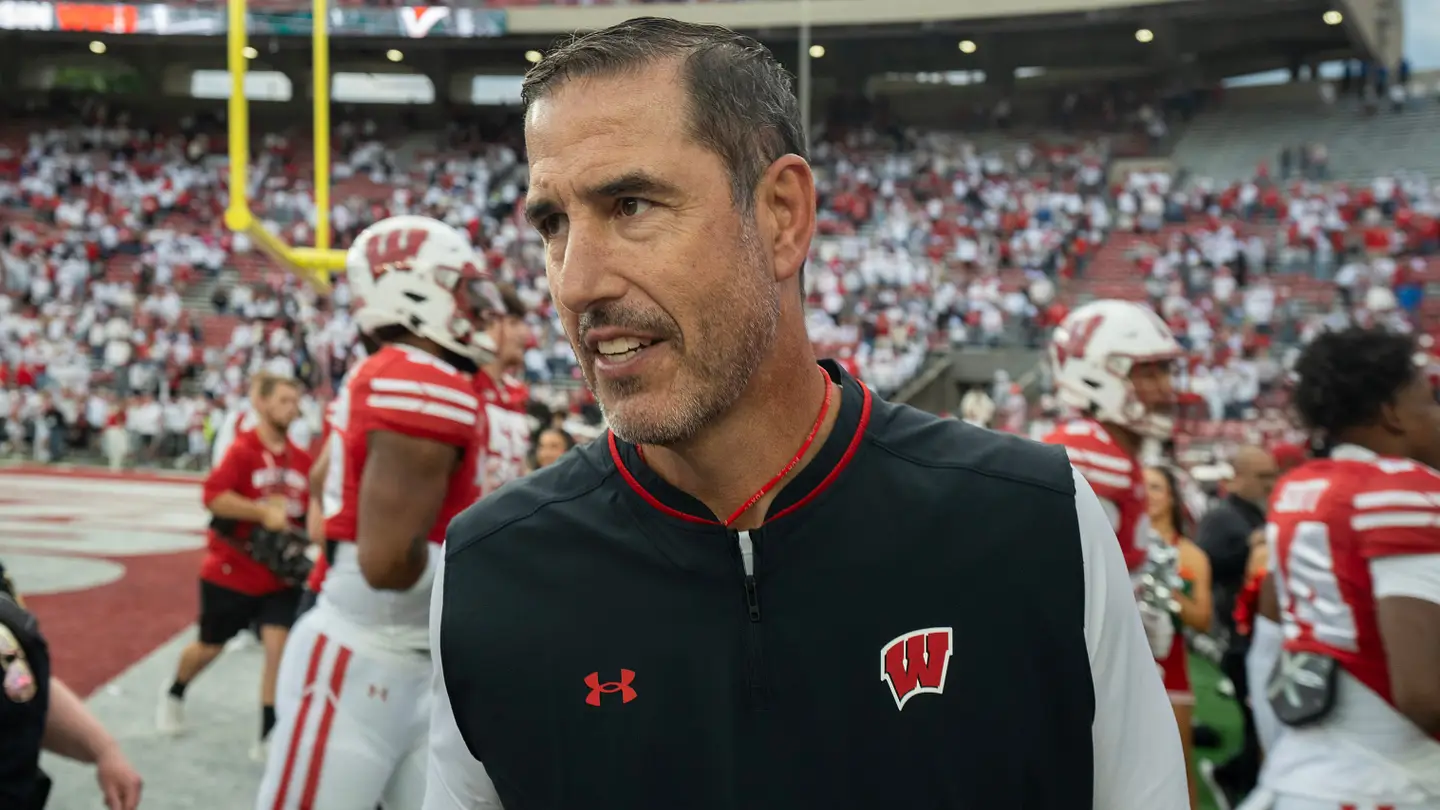
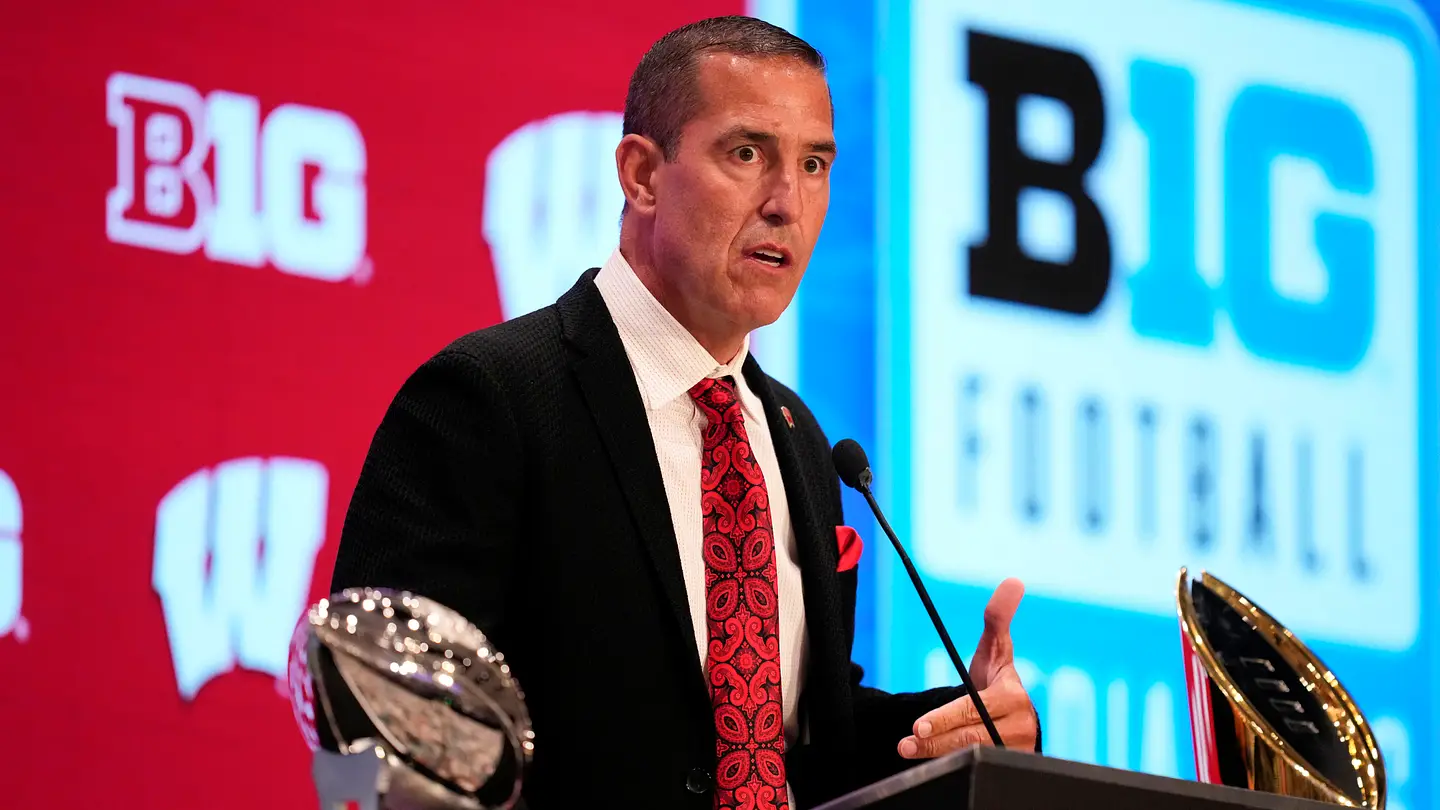
“This is all I want to do," Fickell said ahead of Year 4. "I’m not backing down. But we needed to do things in a different way."
2,292 words~10 min read