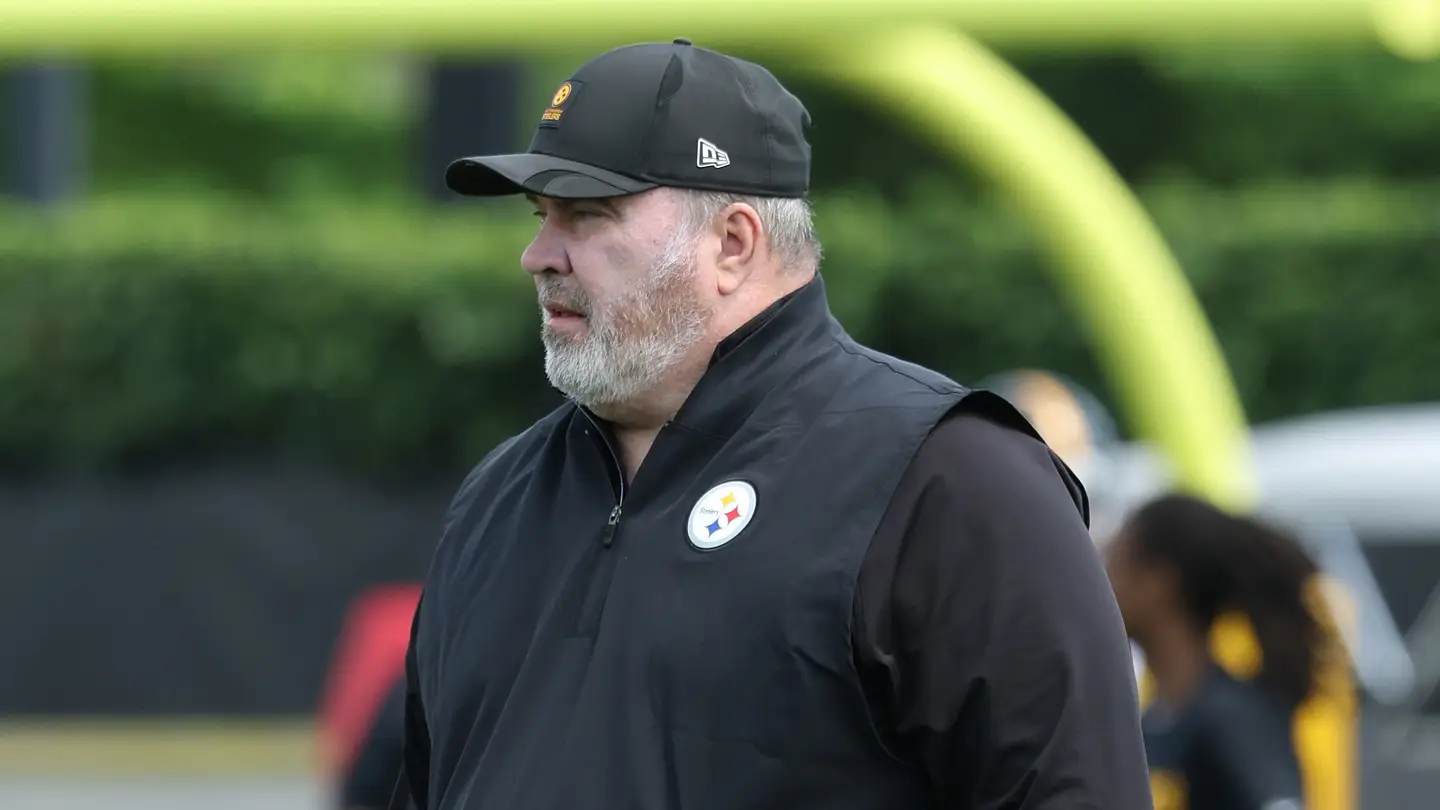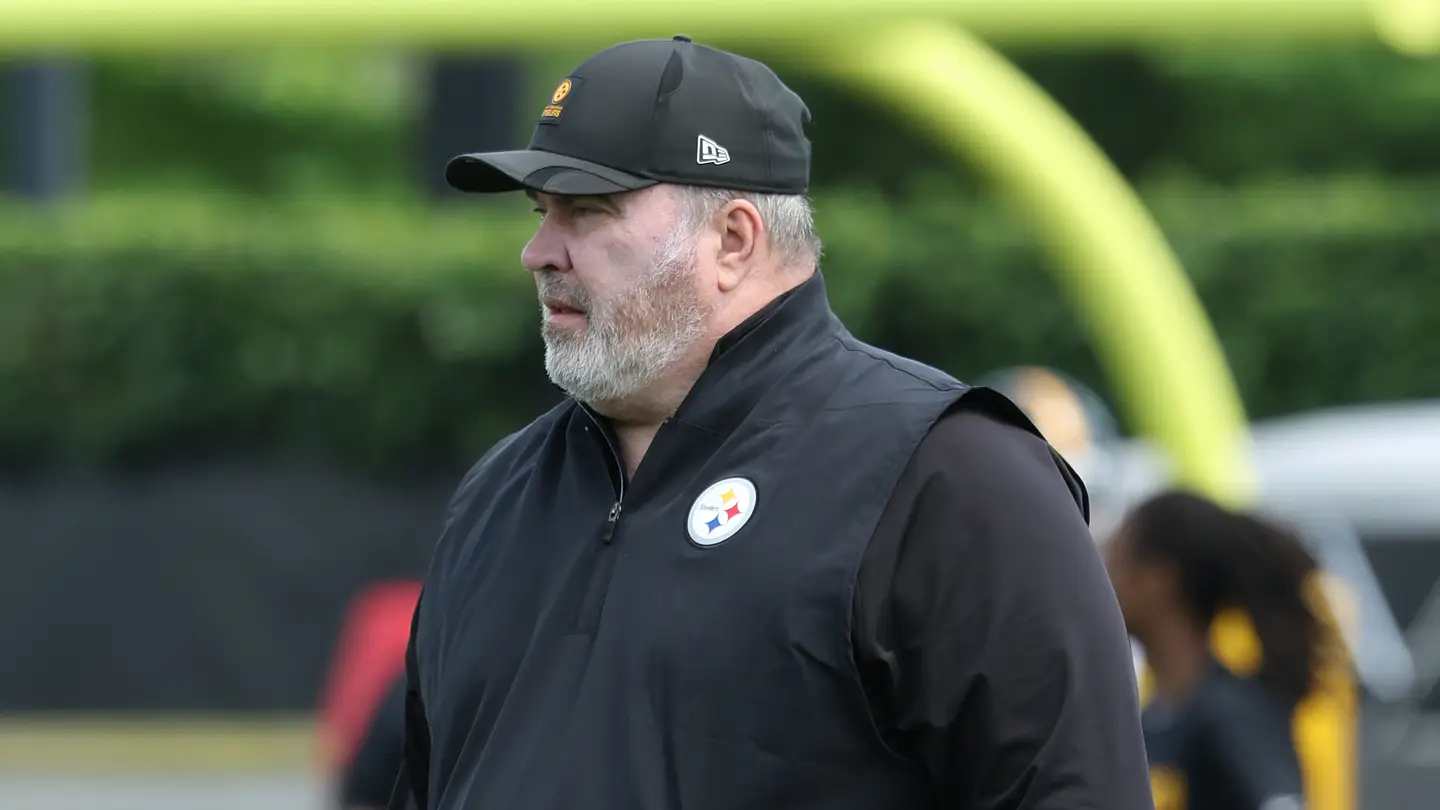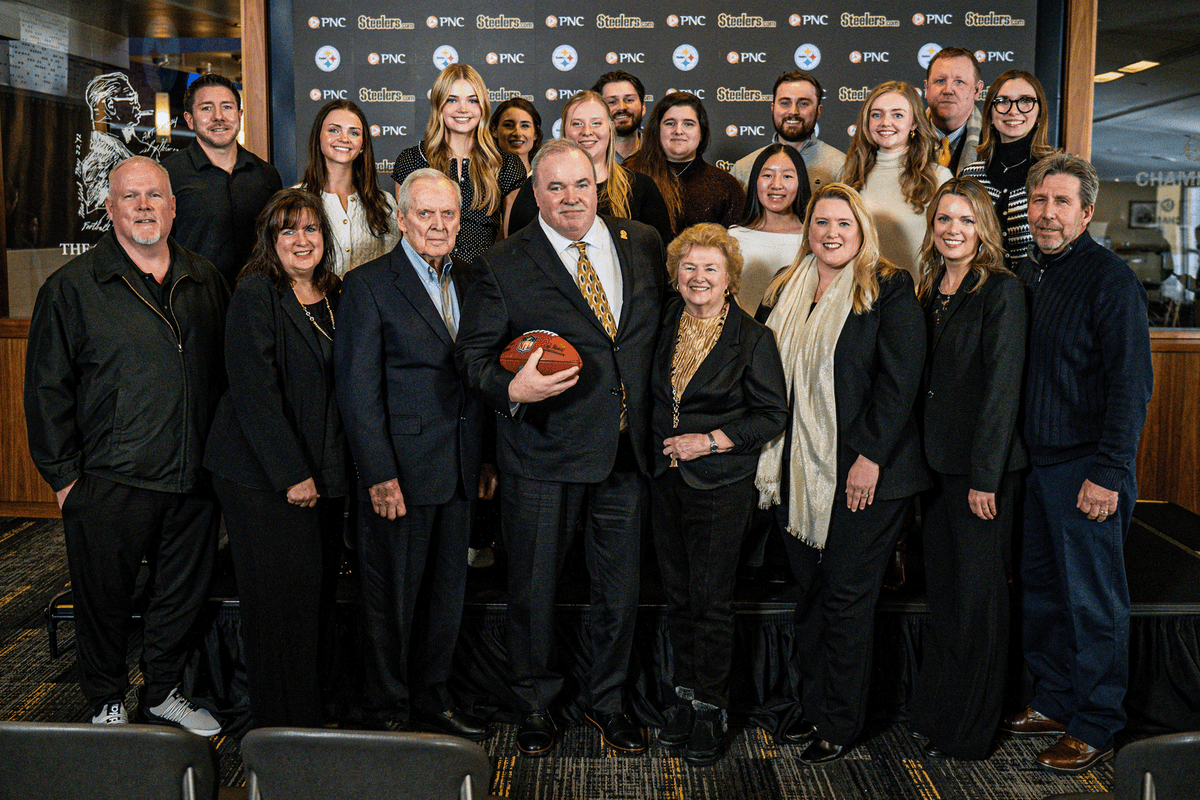
PITTSBURGH — The raindrops patter on Mike McCarthy’s windshield as his SUV rolls through Calvary Catholic Cemetery. It’s just an eight-minute drive from the Steelers’ practice facility, over the Hot Metal Bridge, along the Monongahela River and to Greenfield, where he was raised. Sometimes, McCarthy finds himself taking a detour here to catch up on phone calls, or just to let himself remember moments that are impossible to forget.He stops at the corner of the cemetery and points to the gravel lot just beyond a chain-link fence. He can picture the basketball court that used to be right there. After school, he’d drop his bags at the house and race a block and a half down Greenfield Avenue with a basketball under his arm and his brother, Joe McCarthy III, by his side.“My brother and I would come here every day,” McCarthy says. “I mean, every day.”The memory fades quickly. The 62-year-old coach, wearing a Steelers sweatshirt and Greenfield baseball cap, turns over his right shoulder and points past the trees.“That’s my brother’s burial in that mausoleum,” McCarthy says.Nostalgia is complicated. It comes from two Greek words — nostos (meaning homecoming) and algos (pain). McCarthy has felt both parts of the word lately.As a kid growing up in Greenfield, he could only dream of coaching the Pittsburgh Steelers. From his office window at the team’s Southside facility, he can see the lights of Bud Hammer Field, where he played Little League. After long days at the office, he finds his dad waiting for him on the front porch and his mom ready to catch him up on the parts of the Pirates game that he missed.How McCarthy brought Rodgers back to Pittsburgh — and vice versaMike DeFaboWhen owner Art Rooney II introduced McCarthy as the Steelers’ next head coach on Jan. 27 — which would have been his grandfather Art “The Chief” Rooney’s birthday — Rooney opened by saying that the founder of the franchise would have been thrilled to have a head coach from Pittsburgh. McCarthy is in a unique position to understand what he referred to as the privilege and the weight that comes with being the franchise’s fourth head coach since 1969, when Chuck Noll was hired and the Super Bowl standard was set.During that news conference, the room was filled with McCarthy’s relatives. Parents. Sisters. Everyone’s kids. It felt like a family reunion. The only one not present was his brother, Joe — at least not physically. In his pocket, McCarthy carried the prayer card from his brother’s funeral. His sisters and mother, clad in black and gold, gripped their own prayer cards.That’s the other side of coming home. It’s impossible to drive to work, or get a coffee, or really go anywhere without thinking about the brother who would have been the most proud of all.“I keep using the word ‘surreal,’ but I mean, it’s past the surreal part of it,” McCarthy says. “It’s really … heavy …“Everything reminds me of Joe. You can’t go anywhere around here without thinking about something that you did with Joe.”McCarthy pulls out of the cemetery and onto Greenfield Avenue. From this point, at the top of the avenue, to the end of it, where his dad owned a bar, is not even two miles. The story of McCarthy’s life was written on this winding street that snakes through a small, working-class corner of Pittsburgh where the Monongahela River bends. Who he is and where he’s from are intertwined.“I’ve always been raised to have pride in your family, but also to have a lot of pride in where you come from,” McCarthy says. “Not only have a lot of pride being from Western PA, but pride in your neighborhood. When people ask you where you’re from, I’d say Greenfield.”A block and a half from the cemetery, the coach points to a three-story, red-brick home with a green awning.“I grew up right here,” McCarthy says. “1128.”The McCarthy family: Mike (right) and Joe III sit on either side of their mother Ellen. Mike’s sisters are Kellie, sitting on her mother’s lap, Ellen, being held by dad Joe Jr., and Colleen, laughing up front. (Courtesy of the McCarthy family)The kitchen was the smallest room in the house — but usually the most full, with family and the smell of pork chops, stuffed shells, soup and (McCarthy’s favorite) halušky, a dish with noodles and sautéed cabbage brought to the region by immigrants that’s become a Pittsburgh staple.“I’m three-quarters Irish and 25 percent Czechoslovakian. My dad always used to tell me ‘That’s the best part of you,'” McCarthy says, with a playful punch in the arm. “He’d always punch you in the arm because of his love for his mother.”Each night, Mike’s sister Colleen, the oldest of the five kids, helped her mother in the kitchen while the two younger sisters, Ellen and Kellie, set the table. The family had a small but important rule: No one could eat until all five kids and both parents were home. It was one of the many ways they were taught to stick together and look out for one another.“Michael,” as his sisters call him, in particular embraced the spirit of the lesson instilled at the dinner table. A leader of his own family before he was entrusted with NFL football teams, one of his first coaching jobs was leading his youngest sister Kellie’s grade-school basketball team to the diocesan championship game, putting Gatorade in their water bottles to make them believe they were unstoppable.“He’s number two in the birth order, but you would think he was number one,” Colleen said. “He was very protective of everyone.”McCarthy turns a corner onto a back alley behind 1128. It was here that Mike and Joe used to throw baseballs off the back of the house. One summer when they ran out, they snagged their mother’s signed Roberto Clemente ball and one from the 1971 World Series team. The story sounds almost identical to “The Sandlot.” The only thing missing is the dog.
Mike McCarthy came home to Pittsburgh, his family and the grief he can’t escape
As the Steelers coach gave a tour of the Pittsburgh neighborhood where he grew up, the complicated aspects of his return became clear.
2,930 words~13 min read