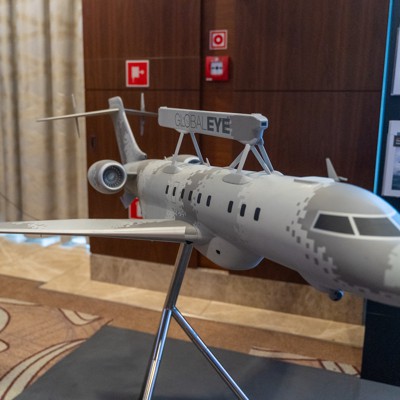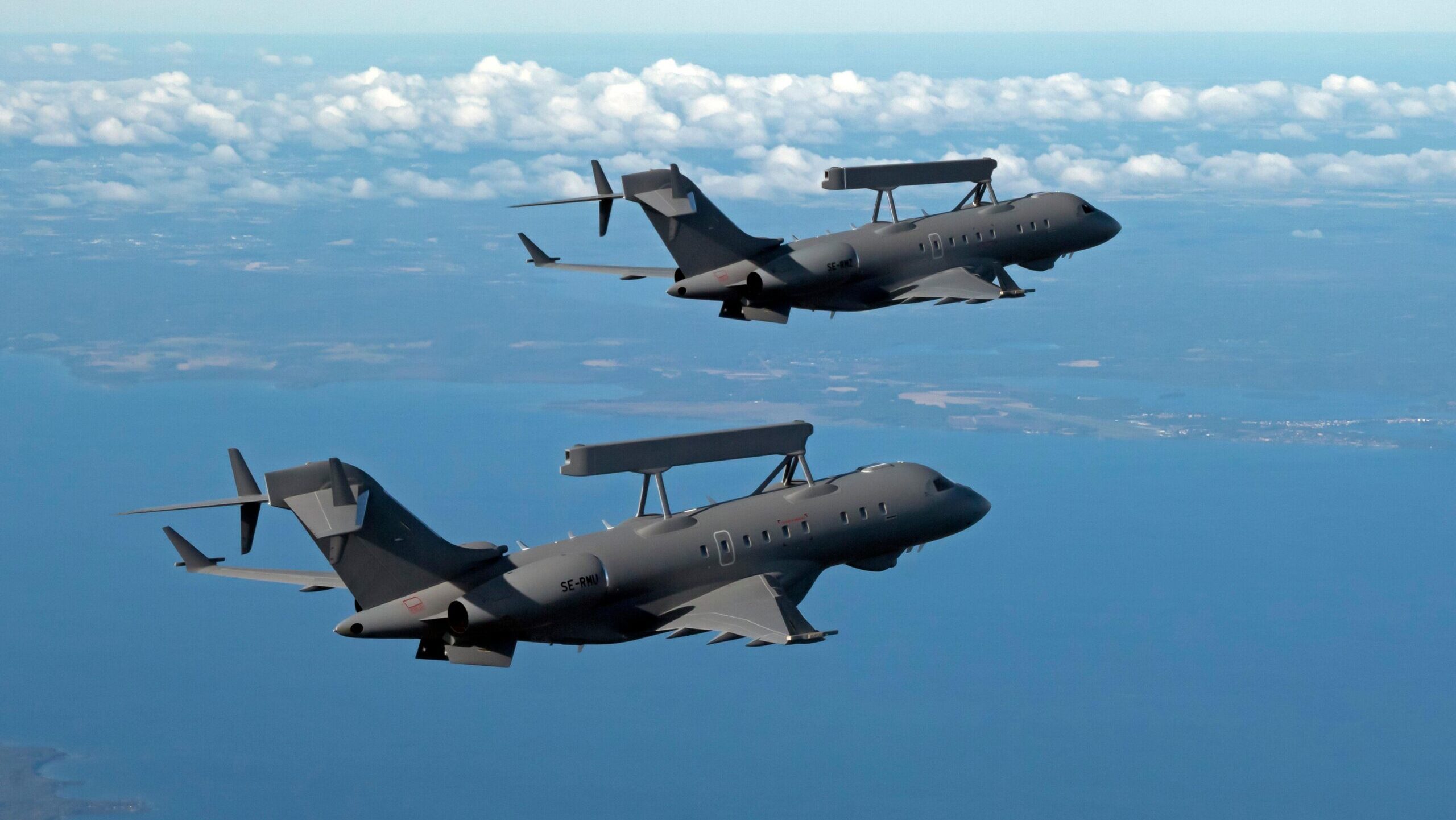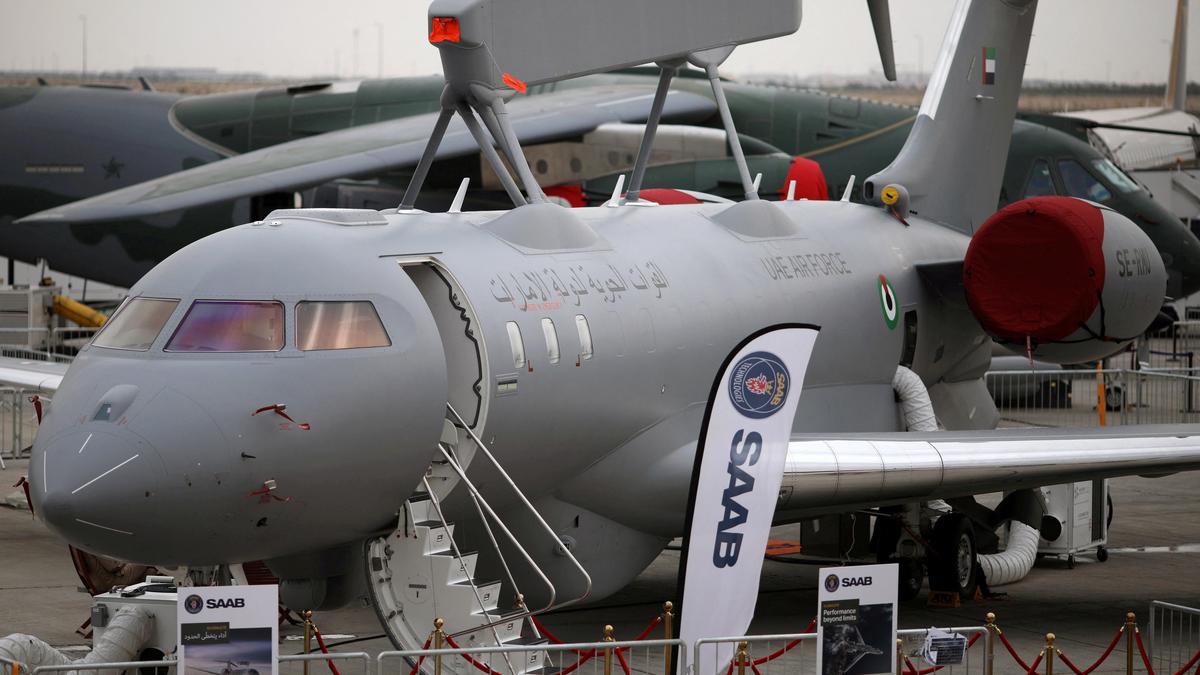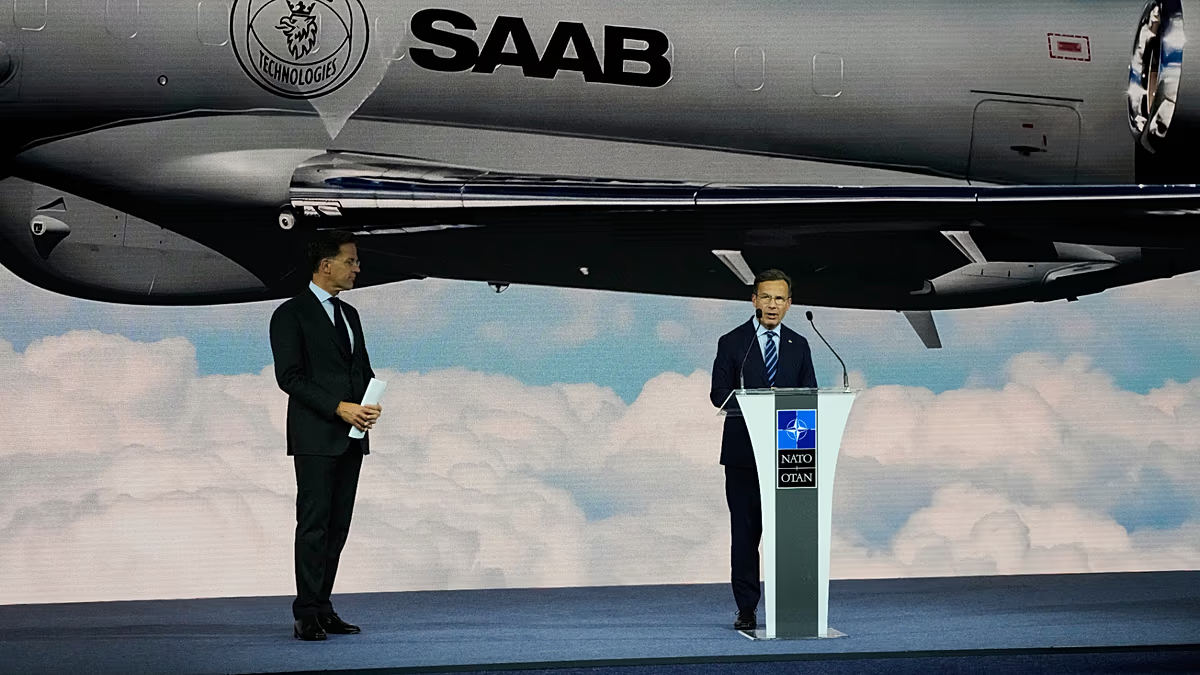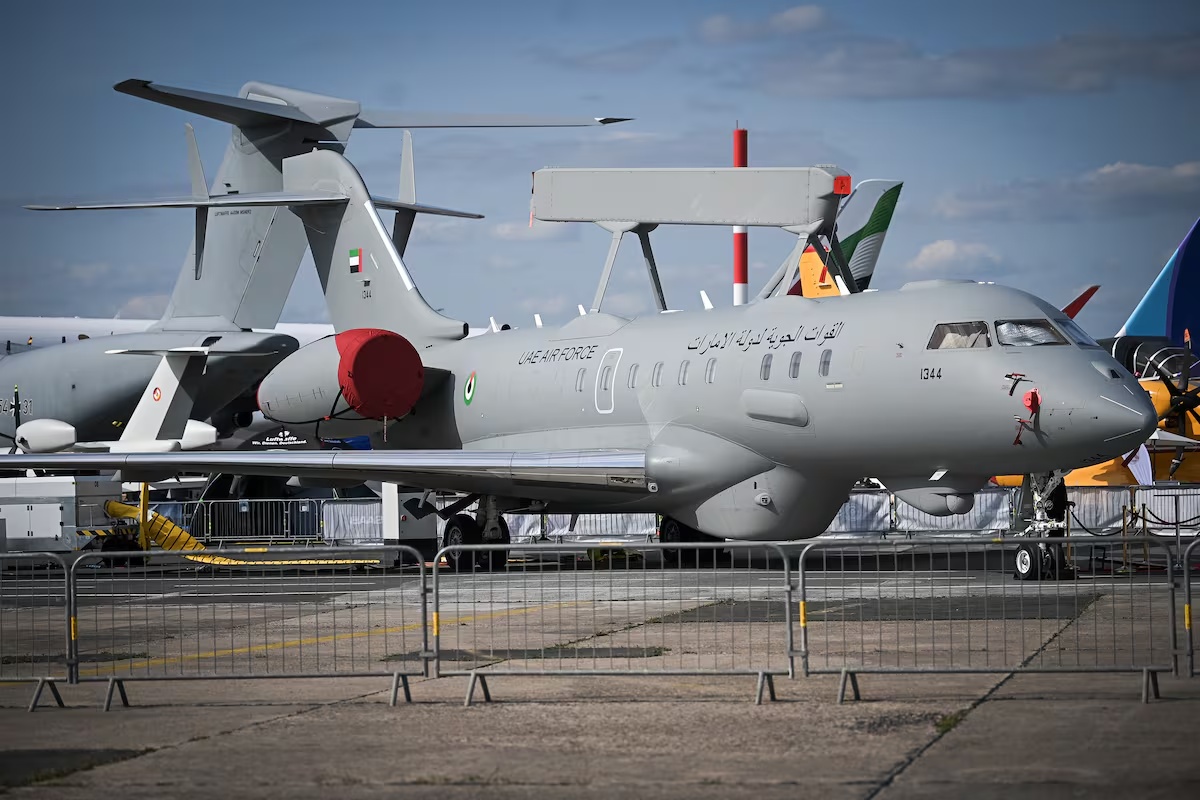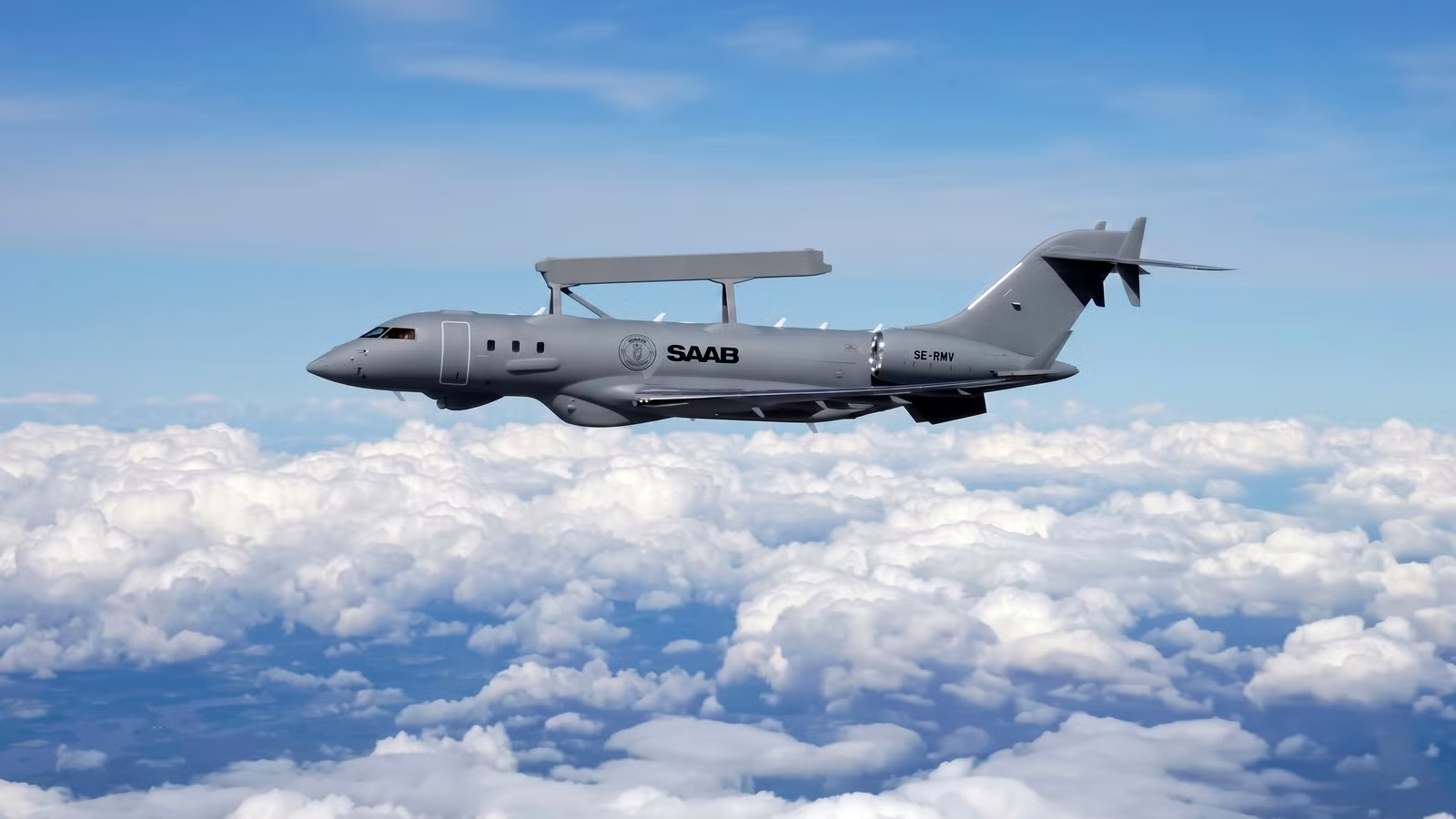
The North Atlantic Treaty Organization's (NATO) announcement earlier this month of 11 nations' support for the procurement of Saab GlobalEye aircraft as NATO’s new Airborne Warning and Control System (AWACS) is drawing varied reactions, with one former U.S. official warning that the path forward is an "easy button" that puts other aspects of the broader alliance in danger. The decision, announced July 7 during the NATO Summit Defense Industry Forum in Ankara, is described by NATO as a significant step in modernizing the alliance's airborne surveillance and early warning capabilities by replacing part of the alliance’s aging Boeing E-3 fleet. The news followed months of speculation following the collapse of an agreement in November 2025, as multiple European allies of the United States aborted a multi-billion-euro plan to collectively procure six Boeing E-7A Wedgetail airborne warning and control system (AWACS) aircraft to replace that Boeing E-3A fleet that will reach the end of its service life in 2035. The United States' role in negotiations played a major role in this latest announcement. In June 2025, the Pentagon pulled out of the replacement program, alluding to production delays and concerns about the E-7's survivability in "contested environments,” in addition to a purported per-plane cost increase from $588 million to $724 million.
Exclusive: NATO's Dangerous 'Easy Button' Threatens the Alliance's Next-Gen Air Defense
An ex-U.S. officer warned Military.com about U.S. allies being in favor of Saab’s GlobalEye as NATO’s next generation Airborne Early Warning platform.
1,455 words~7 min read