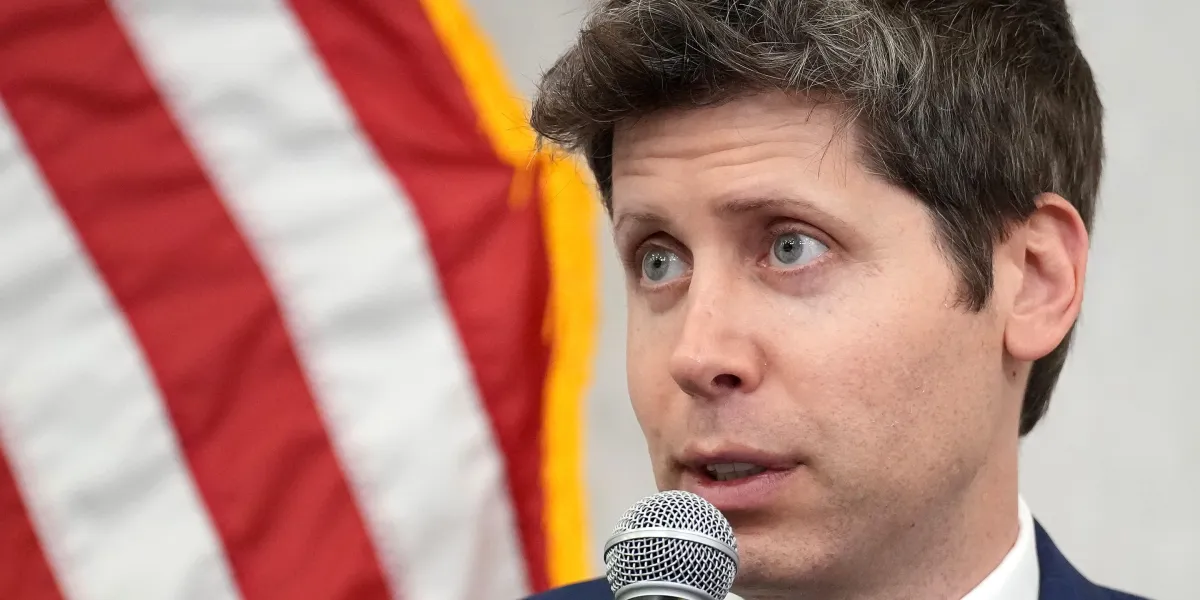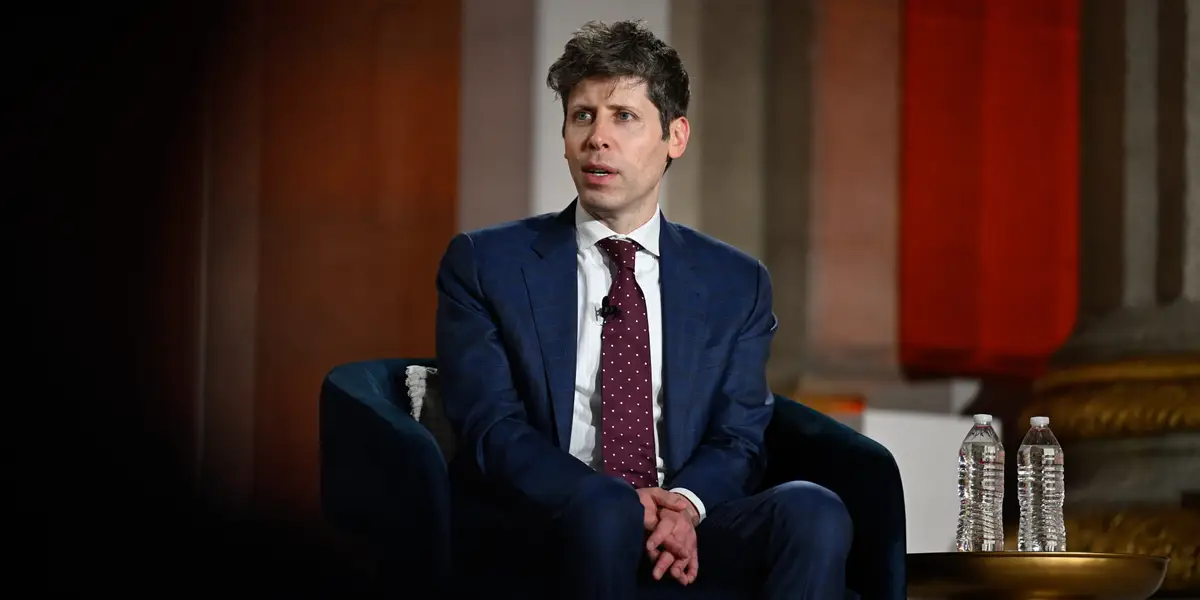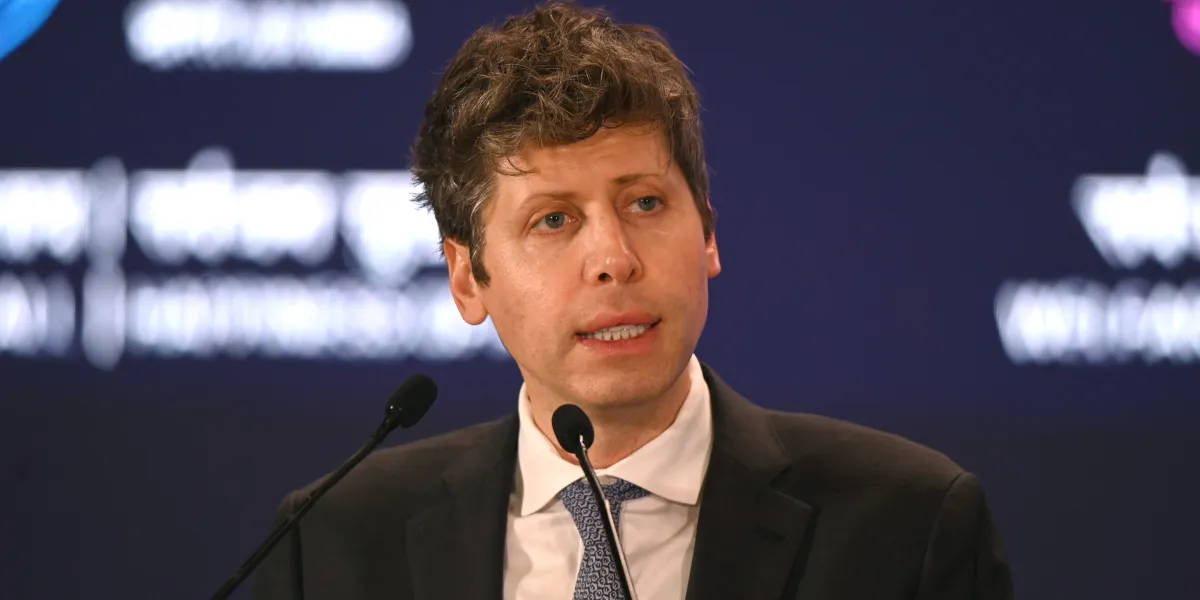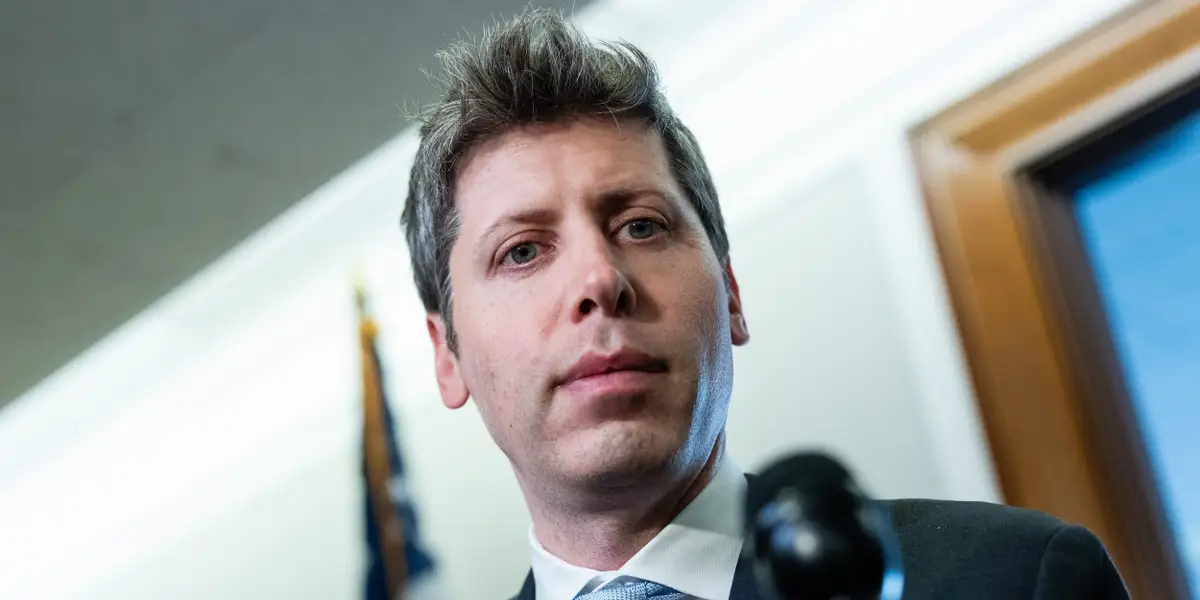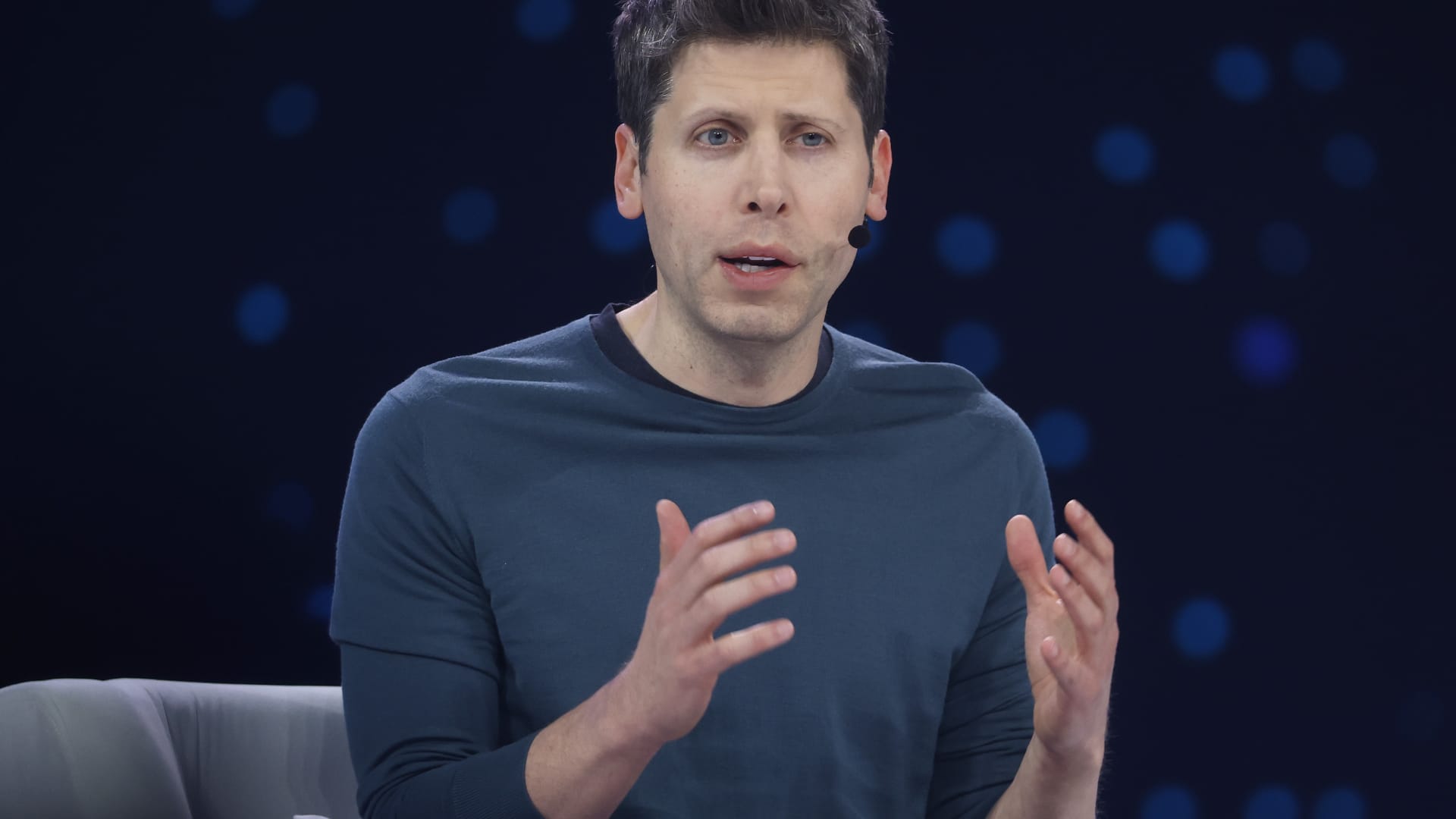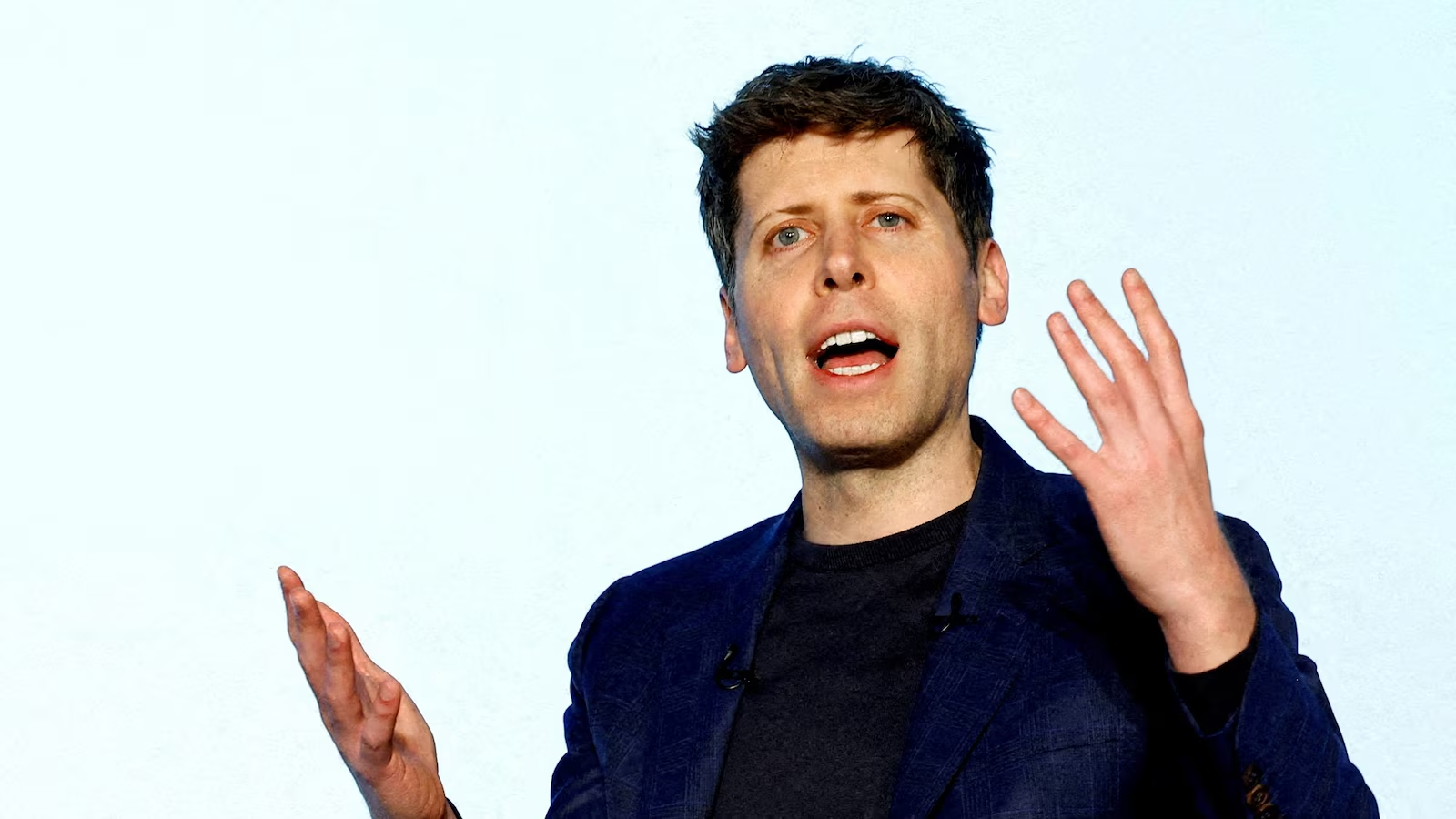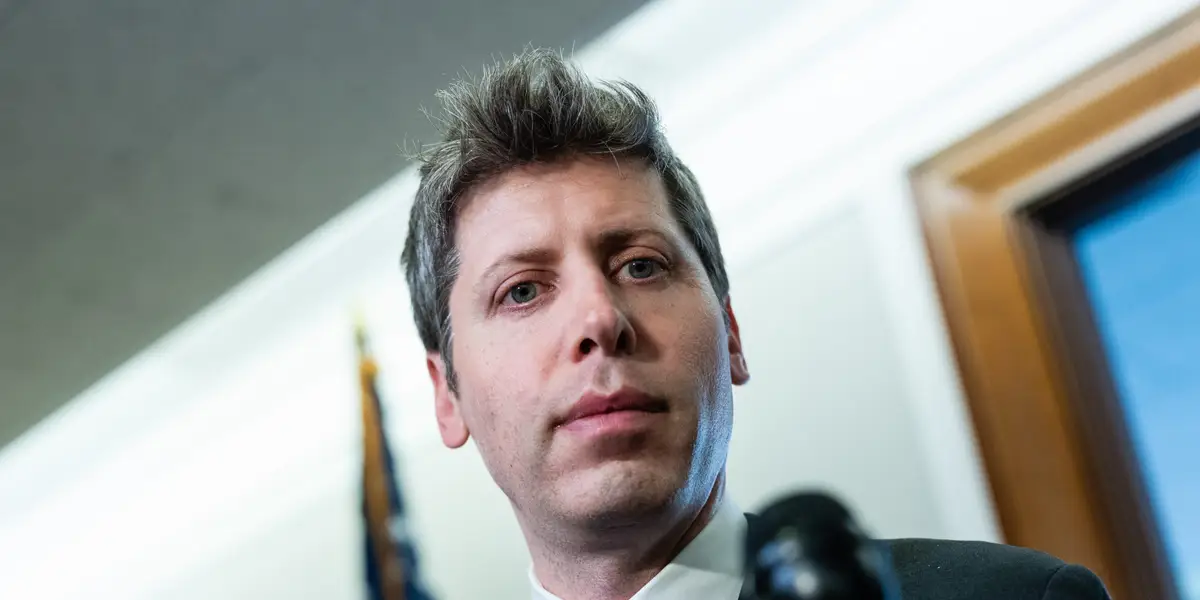
OpenAI CEO Sam Altman.
Bloomberg/Getty Images
OpenAI CEO Sam Altman says one of his biggest concerns about AI isn't whether it becomes too powerful in and of itself, but that a single company could control that power."I think the fight of the current moment is: Are we going to head to a world of AI authoritarianism or liberty?" Altman said on the latest episode of the "Relentless" podcast."Every time that humanity has traded off its liberty for safety, it's been a long-term net loss," Altman said. "We are going to put this in the hands of people. We're going to empower them. We are going to let society express its ideas and use this technology in the way they want."It's a striking argument from the head of OpenAI, one of a small number of companies that control the world's most powerful AI models. OpenAI is also proprietary rather than open-source, meaning it doesn't share its tech.Altman's comments are well-timed. They follow a debate that erupted in Silicon Valley and Washington last week over how much visibility the general public should have into the architecture of frontier models.The recent release of Moonshot AI's Kimi K3, a powerful Chinese open-source model, sparked calls from some US officials to restrict access to Chinese models — and warnings from investors and startup founders that doing so could weaken global competition.The divide extends beyond model access. US export controls already determine which countries and companies can obtain the most advanced chips and computing capacity, giving Washington significant influence over who can build cutting-edge AI.