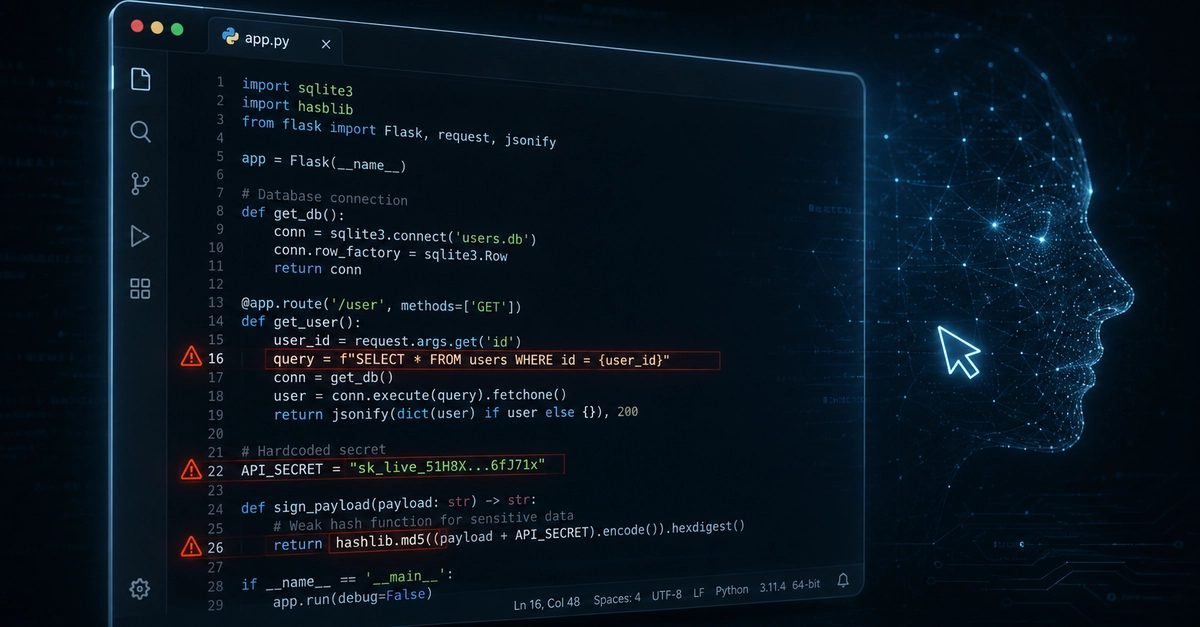
With the rapid rise in the use of AI, large language models (LLMs), and retrieval-augmented generation (RAG), the IT security landscape is undergoing a seismic shift. Recently, Anthropic previewed a new foundational model, Claude Mythos, that has shaken the cybersecurity community.
Although Mythos is a general-purpose model, it has demonstrated a significant ability to handle computer security tasks. In a blog post, Anthropic states, “During our testing, we found that Mythos Preview is capable of identifying and then exploiting zero-day vulnerabilities in every major operating system and every major web browser when directed by a user to do so. The vulnerabilities it finds are often subtle or difficult to detect.” It is also important to realize, certainly in the context of Java and its 30-year history, that many of the vulnerabilities detected have remained undetected for years, even decades. The oldest found so far is a 27-year-old bug in the OpenBSD operating system.
What is even more concerning for security teams is the level of sophistication employed by Mythos. In one example, Mythos constructed a web browser exploit that chained together four vulnerabilities. Each of those vulnerabilities used in isolation may not have resulted in compromised software, but the holistic effect became meaningful.