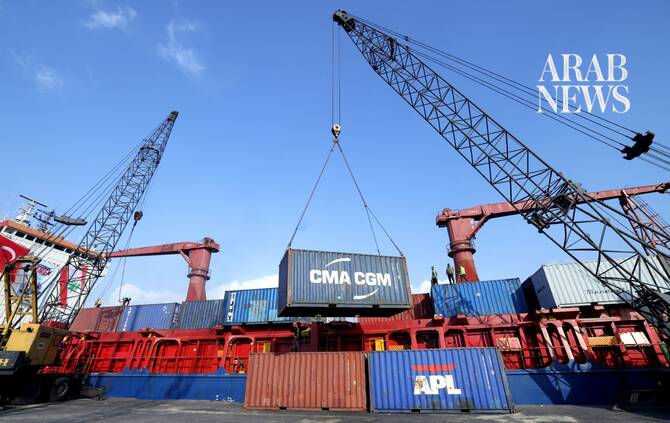
BEIRUT: Lebanon’s confrontation with Hezbollah is no longer confined to the issue of the group’s weapons and the implementation of international commitments in the South. It has expanded to a broader campaign to tighten state control over seaports, the airport and border crossings, curbing Hezbollah’s influence and cutting off its illicit sources of funding.
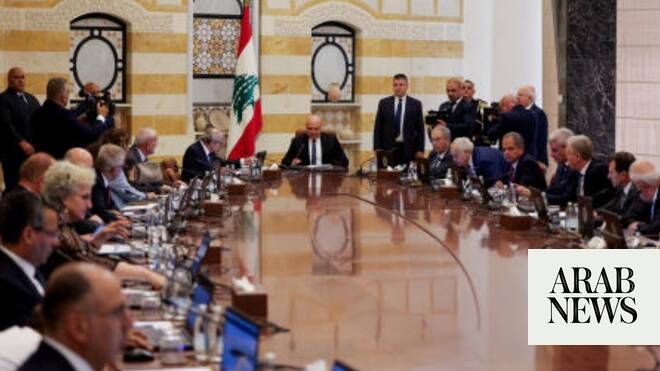
Since the election of President Joseph Aoun and the formation of Prime Minister Nawaf Salam’s government, the authorities have pursued a security and administrative strategy to reassert sovereign control over the country’s land, sea and air entry points.
According to security sources, the measures introduced in recent months have gone beyond reorganizing operations at these facilities. They have also struck at Hezbollah’s logistical infrastructure by significantly restricting smuggling routes and disrupting funding channels that operated through the Syrian border, Beirut airport and the Port of Beirut.
Hezbollah’s influence recedes
While anti-smuggling and border-control measures continue to be strengthened, their effects are already visible, with Hezbollah losing influence inside institutions where it once held considerable sway.