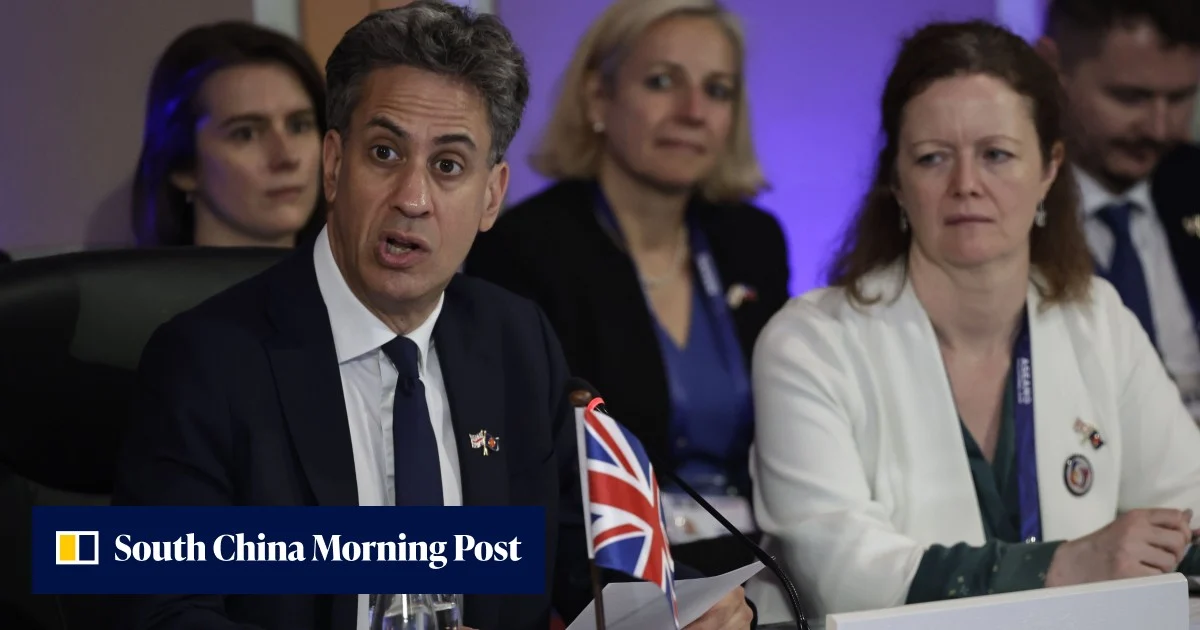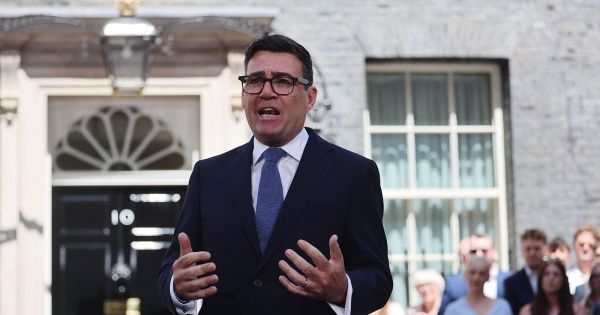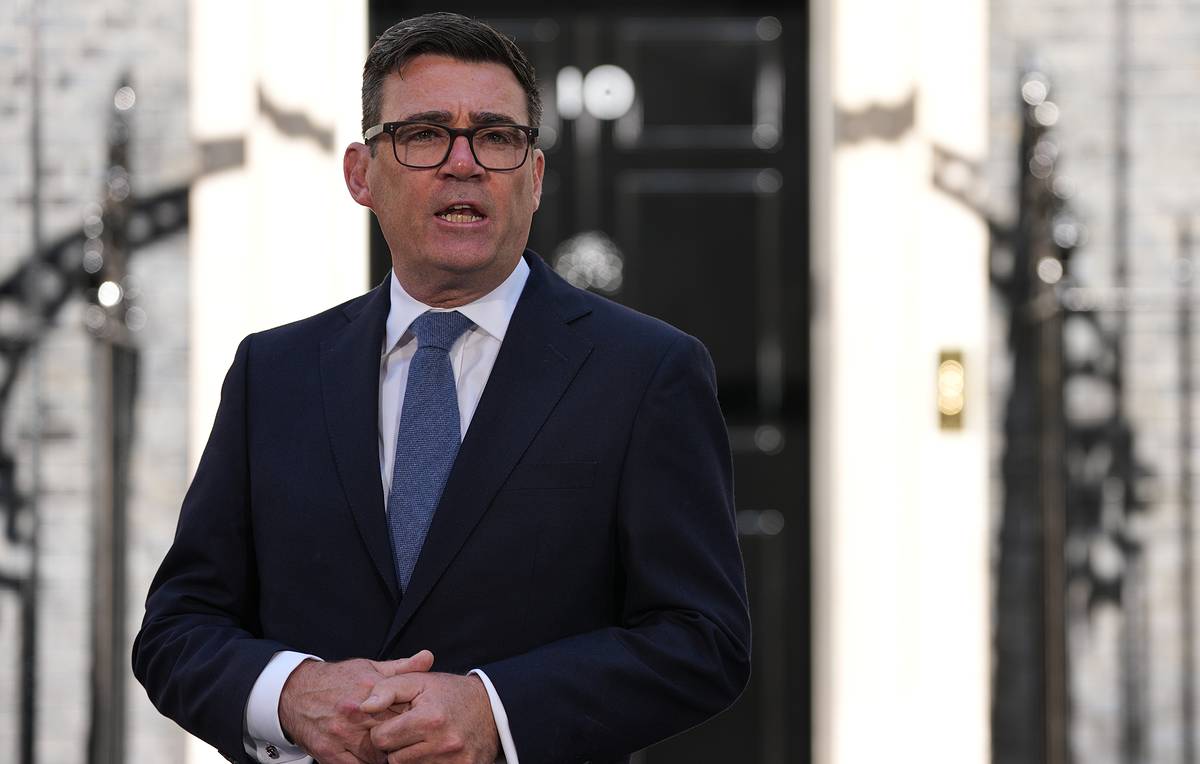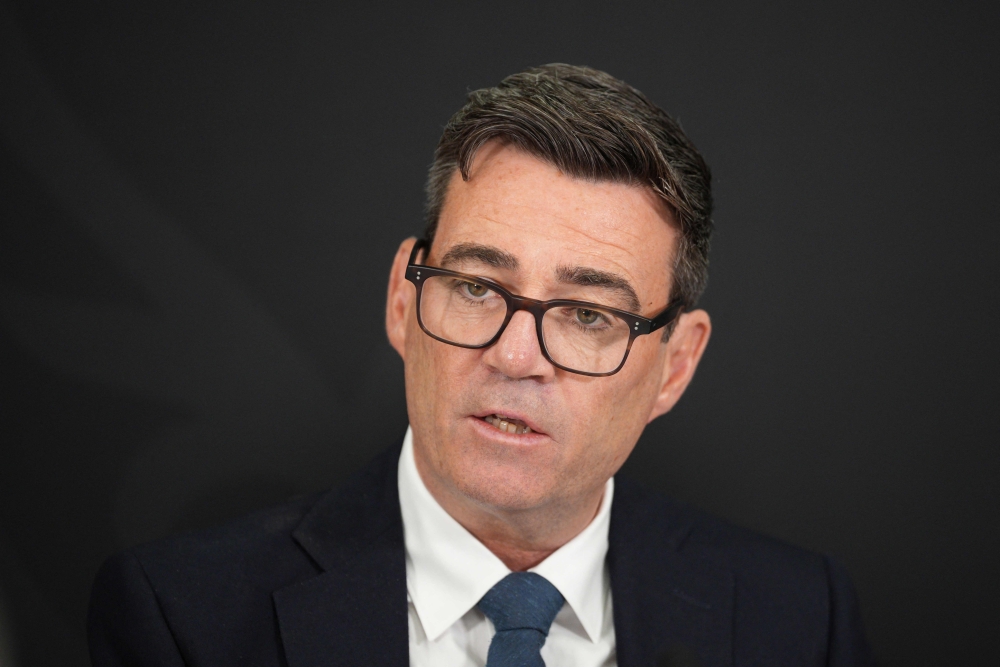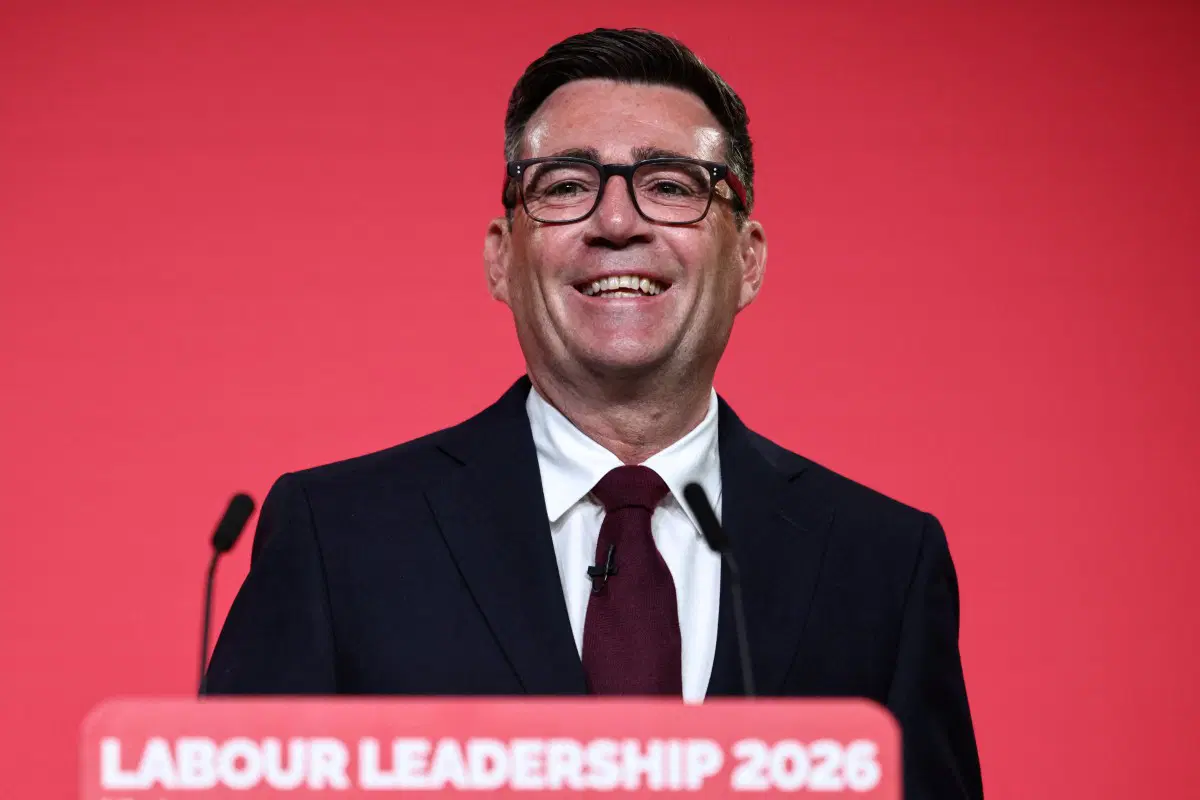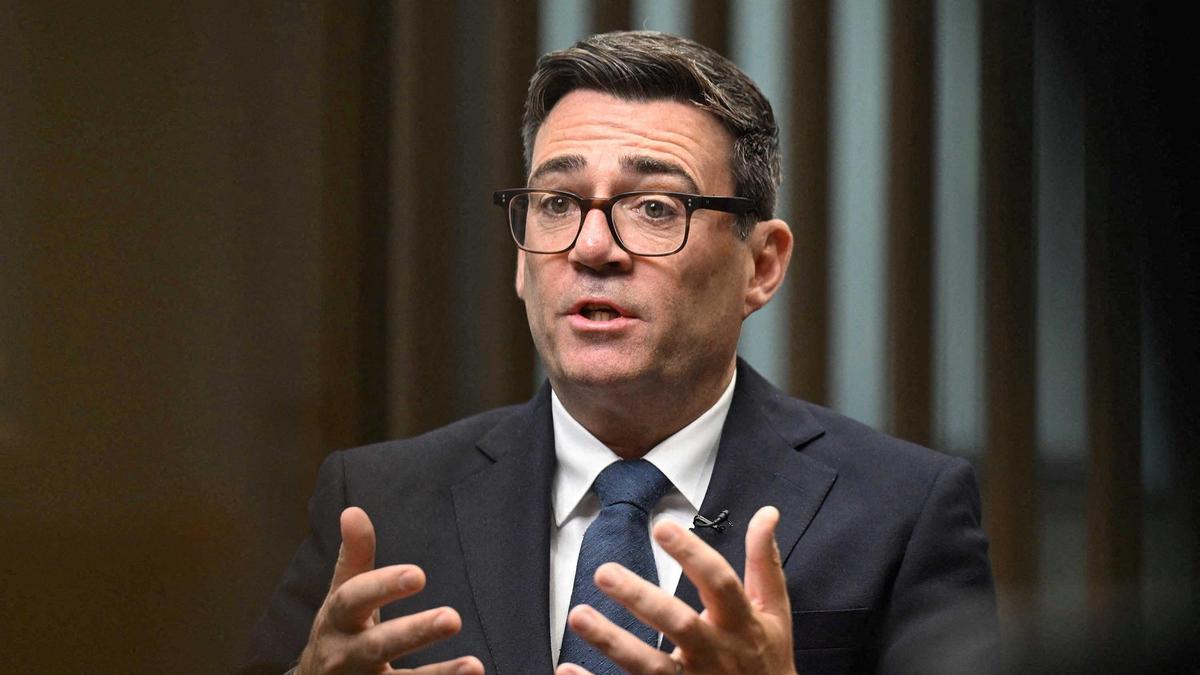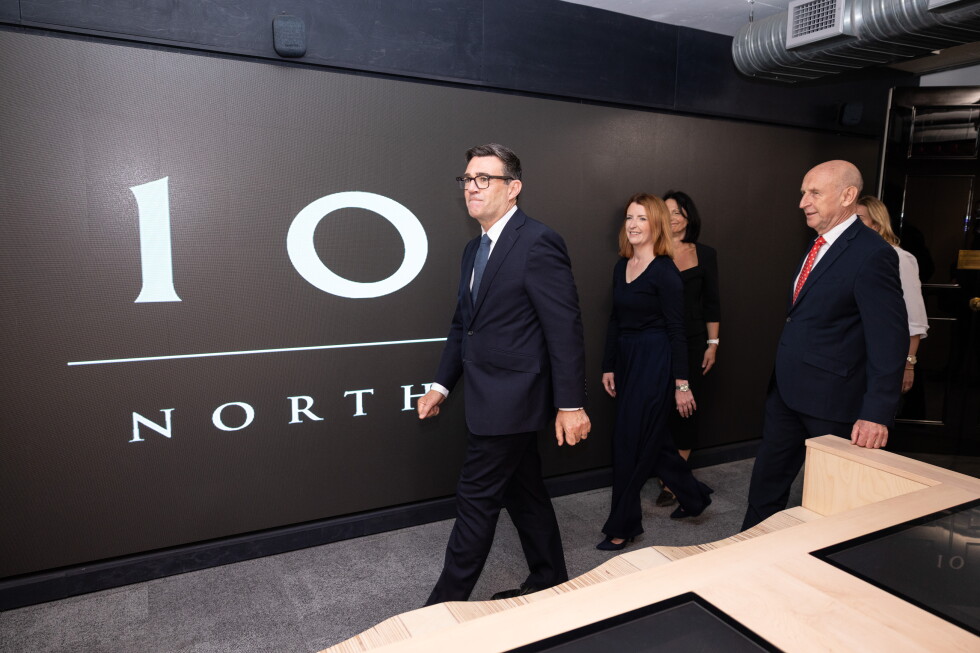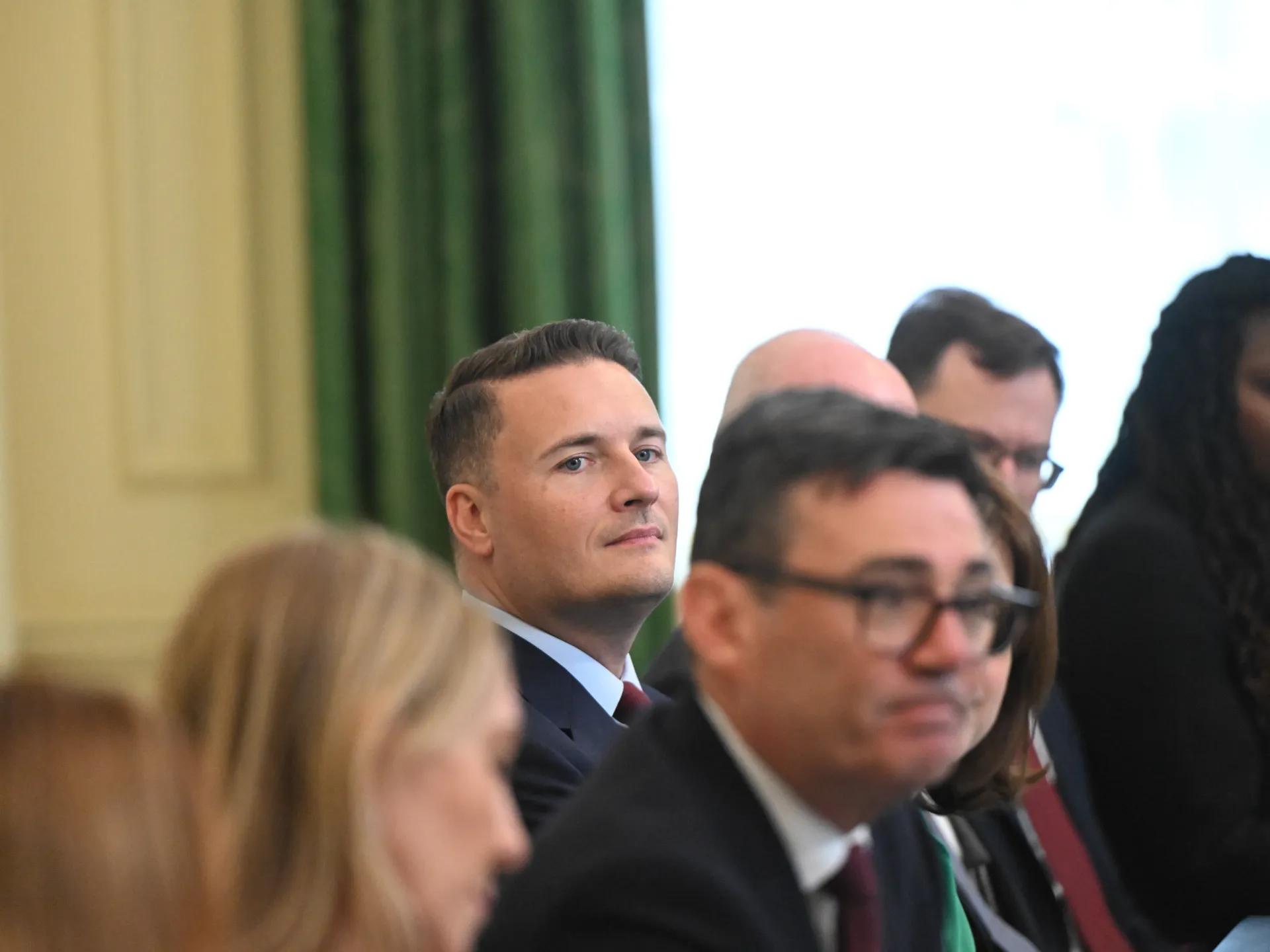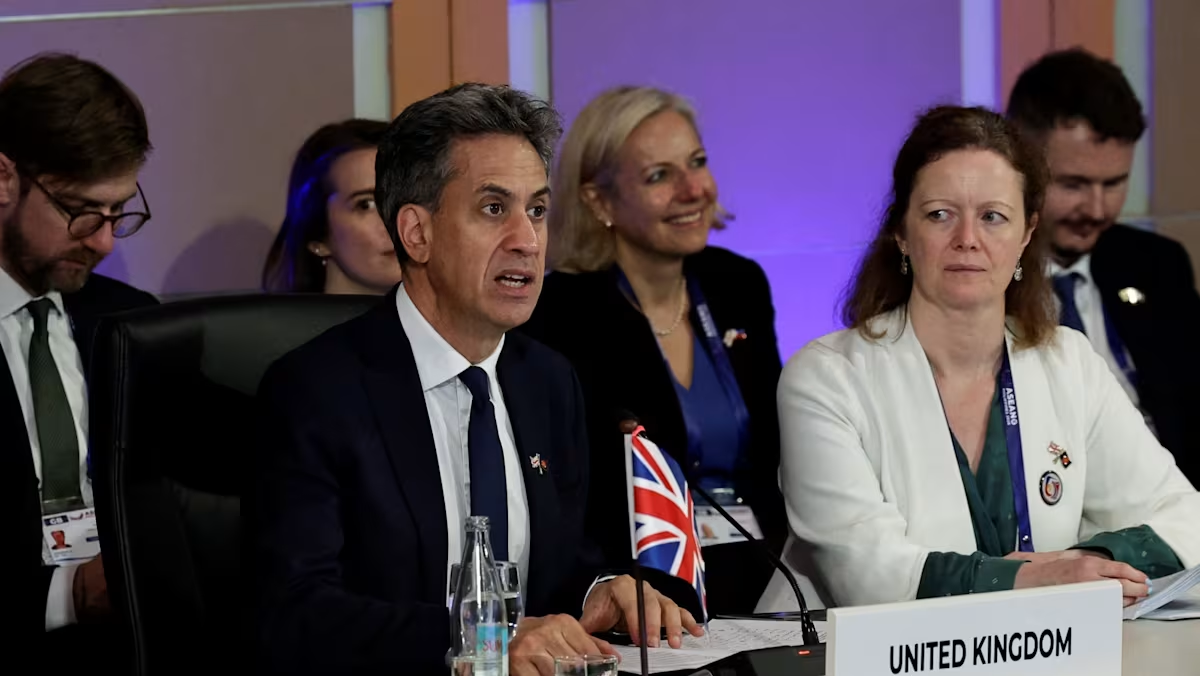
LONDON: The United Kingdom’s new government has wasted little time signalling where Asia will fit into its foreign policy priorities. Just days after Andy Burnham entered Downing Street as Britain's seventh prime minister in a decade, newly appointed Foreign Secretary Ed Miliband chose Southeast Asia for his first overseas trip. Within hours of being appointed on Jul 20, Miliband boarded a 16-hour flight to the Philippines for the Association of Southeast Asian Nations (ASEAN) Foreign Ministers' Meeting. The Manila visit marked five years of the ASEAN-UK Dialogue Partnership and offered a clear indication of how the new Labour government intends to engage the region.
Addressing his ASEAN counterparts, Miliband reaffirmed Britain's long-term commitment to the regional bloc during what he described as “a moment when the world is ever more unstable and uncertain.”“I felt it was very, very important to come straight to the ASEAN Foreign Ministers’ Meeting as a sign of our solidarity with ASEAN countries and of the importance we attach to this partnership,” he said. “Whether on maritime security, energy security, economic resilience or emerging technologies, our future will increasingly be shaped by how we work together multilaterally.” During the meeting, the UK and ASEAN adopted a new five-year plan of action to deepen cooperation on trade, green energy, maritime security and regional resilience. EARLY TEST ON CHINAThe trip also gave Britain's new foreign secretary an early opportunity to engage Beijing.One of his first bilateral meetings at the event was with China’s Foreign Minister Wang Yi, who urged Britain to provide Chinese companies operating in the UK with a “fair, equitable and non-discriminatory” business environment and to avoid imposing security implications on economic and trade issues. The talks came against the backdrop of a dispute over British Steel. Earlier this month, the administration under previous prime minister Keir Starmer nationalised British Steel after its Chinese owner Jingye Group moved to shut the company's blast furnaces. The move drew sharp criticism from Beijing but the UK government argued the intervention was necessary to safeguard domestic steel production. Jingye, which acquired British Steel in 2020, is seeking compensation for its investment losses. A UK government spokesperson said an independent evaluation would determine whether any compensation is payable. Analysts say the dispute is unlikely to fundamentally alter the new administration's broader approach to China. “I believe (Burnham) will follow a managed interdependent strategy, because he wants to re-industrialise the UK and he sees some opportunities to engage with China from this perspective,” said University College London economics lecturer Sangaralingam Ramesh.