(Image credit: Future)
I must confess, I’ve been a bit late to the game when it comes to embracing robot lawnmowers for hands-free lawn maintenance. And given that I write about home and gardening trends for a living, this might come as a surprise.But despite my loyalty to the power and reliability of my corded model, the constant hassle of untangling extension cords and getting to outdoor power points was starting to wear thin. Which is exactly what convinced me to finally let a robot lawn mower loose in my own yard.Similar to robot vacuum cleaners, I thoroughly enjoyed the perks and convenience of just putting my feet up and letting a robot do all the work for me. Plus, it saved me the manual labor and the time-consuming nature of the chore.However, there is a crucial detail I overlooked that I wished I had considered before using a robot mower. What’s more, this is a common issue that many people don’t factor in – and one of the top signs your yard may not be suitable for a robot lawn mower.Here’s what happened when I first tried a robot lawnmower.Check your robot mower is suitable for your lawn
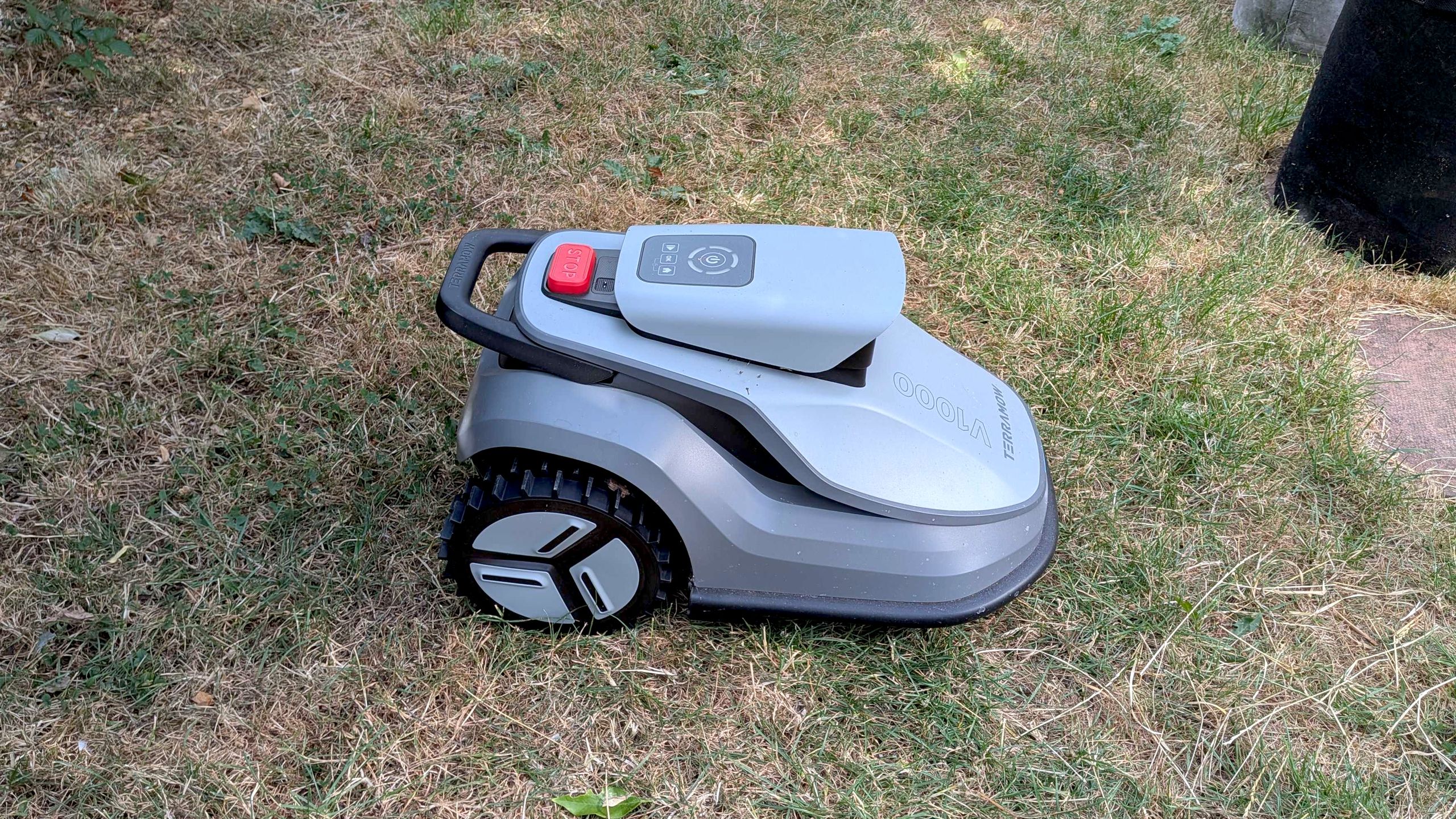
Terramow V1000 lawnmower in garden (Image credit: Future)One common assumption I had was that all robot lawnmowers would be ideal for every outdoor space. However, as it turns out, this is the one crucial detail I overlooked for my own uneven terrain.Unlike standard flat yards, my lawn has a few bumps and features a noticeable dip toward the lower end.Get instant access to breaking news, the hottest reviews, great deals and helpful tips.I have to admit, I was very impressed with the precise trim and mapping performance given by my Terramow V1000 in my small-to-medium-sized yard.In addition, the compact mower was easy to set up and connect via the app, with intuitive controls and settings.Robotic mowers can work on a wide range of lawns, but not every yard is a perfect fit. Complex layouts with disconnected sections, stairs, or very narrow passages can require more planning or specialized setups.