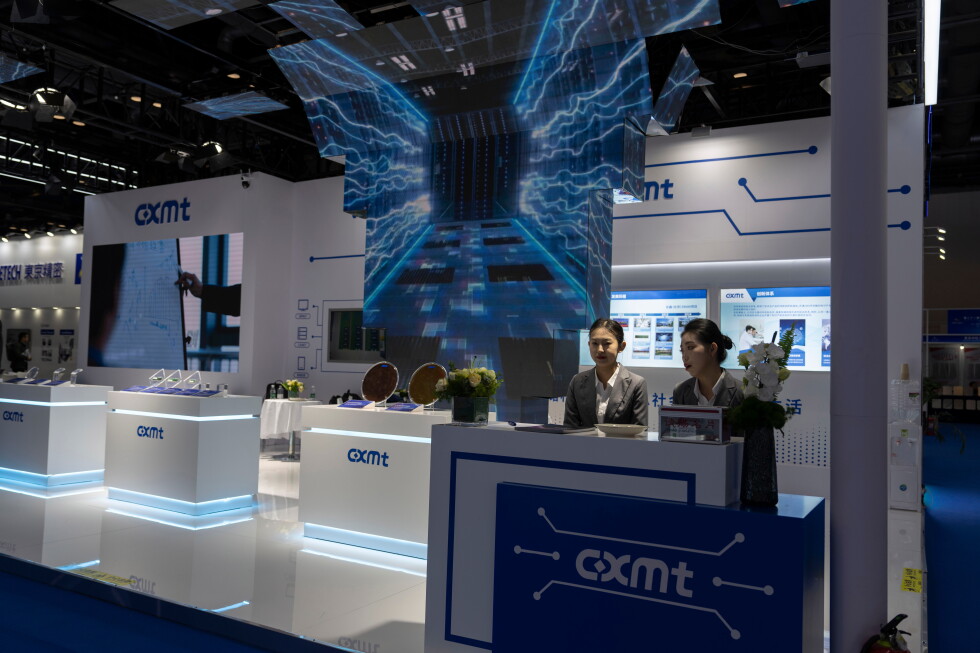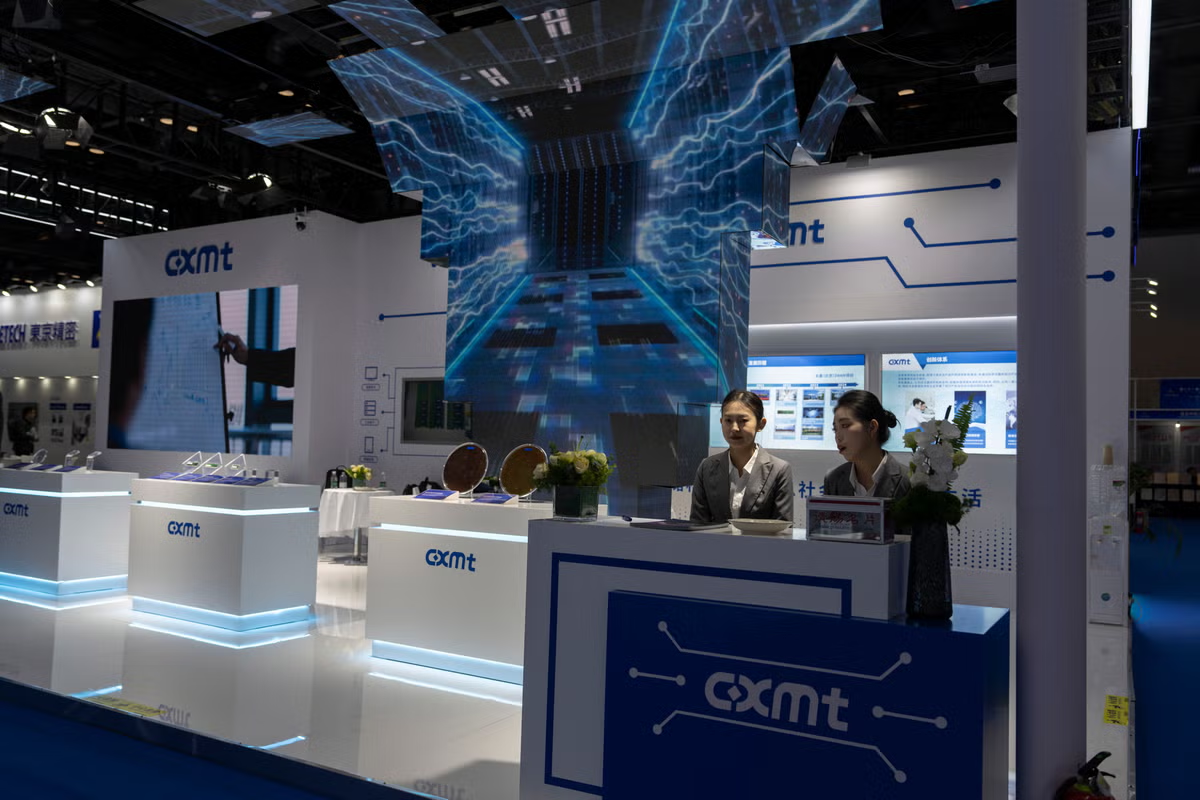
China's biggest memory chip maker, Changxin Technology Group (CXMT), saw its shares jump about 470% on their stock market debut on Monday, July 27 after completing Asia's biggest initial public offering (IPO) this year. The company raised 57.92 billion yuan ($8.6 billion) in the listing before its shares opened at more than 49 yuan, up sharply from the IPO price of 8.66 yuan per share. The strong debut pushed CXMT's market value to around 3.3 trillion yuan, making it the most valuable company listed on China's stock exchanges and highlighting growing investor confidence in the country's semiconductor industry.CXMT expands AI and memory chip businessThe Hefei-based company made its debut on Shanghai's technology-focused STAR Market, attracting strong investor interest as China continues to invest heavily in building its domestic semiconductor industry.According to its IPO prospectus, CXMT held a 7.67% share of the global DRAM market in 2025 based on fourth-quarter sales. DRAM, or dynamic random-access memory, is used in products ranging from smartphones and laptops to servers and artificial intelligence systems.The global DRAM market is currently led by Samsung Electronics, SK Hynix and Micron Technology, but analysts believe CXMT has the potential to become a much bigger player."I have no doubt the company is going to grow to be a global leader. It's maybe just a question of time that it can be not only a challenger, it can be a global champion in this particular sector," Theodore Shou, CEO of Yiyi Capital, said on CNBC's Squawk Box Asia.The listing also comes weeks after reports that Apple had started testing CXMT's DRAM chips for devices sold in China, drawing more attention to the company's growing role in the semiconductor market.Commenting on the stock's strong first-day performance, Shou said a 470% jump is unusual for a company of CXMT's size."A 470% performance on day one isn't that rare. What's very prominent in this particular case is a company of this size performing so well," he said.He added that the limited number of shares available for trading on the first day, along with strong investor enthusiasm, helped drive the sharp rise.
China’s biggest memory chip maker CXMT shares jumps 470% after Asia’s biggest IPO
China's biggest memory chip maker, Changxin Technology Group (CXMT), saw its shares jump about 470% on their stock market debut on Monday, July 27 after completing Asia's biggest initial public offering (IPO) this year. The company raised 57.92 billion yuan ($8.6 billion) in the listing before its shares opened at more than 49 yuan, up sharply from the IPO price of 8.66 yuan per share.
TL;DRAI
CXMT raised $8.6 billion in Asia's biggest 2025 IPO, with shares jumping 470% on debut to become China's most valuable listed company. The move strengthens China's semiconductor independence and positions CXMT as a credible challenger to Samsung, SK Hynix and Micron in DRAM—critical for AI and enterprise infrastructure.
348 words~2 min read