Academia
This diplomatic moment offers a second opportunity built on the India-Indonesia relationship: closer cooperation with the India-Brazil-South Africa Dialogue Forum, or IBSA.
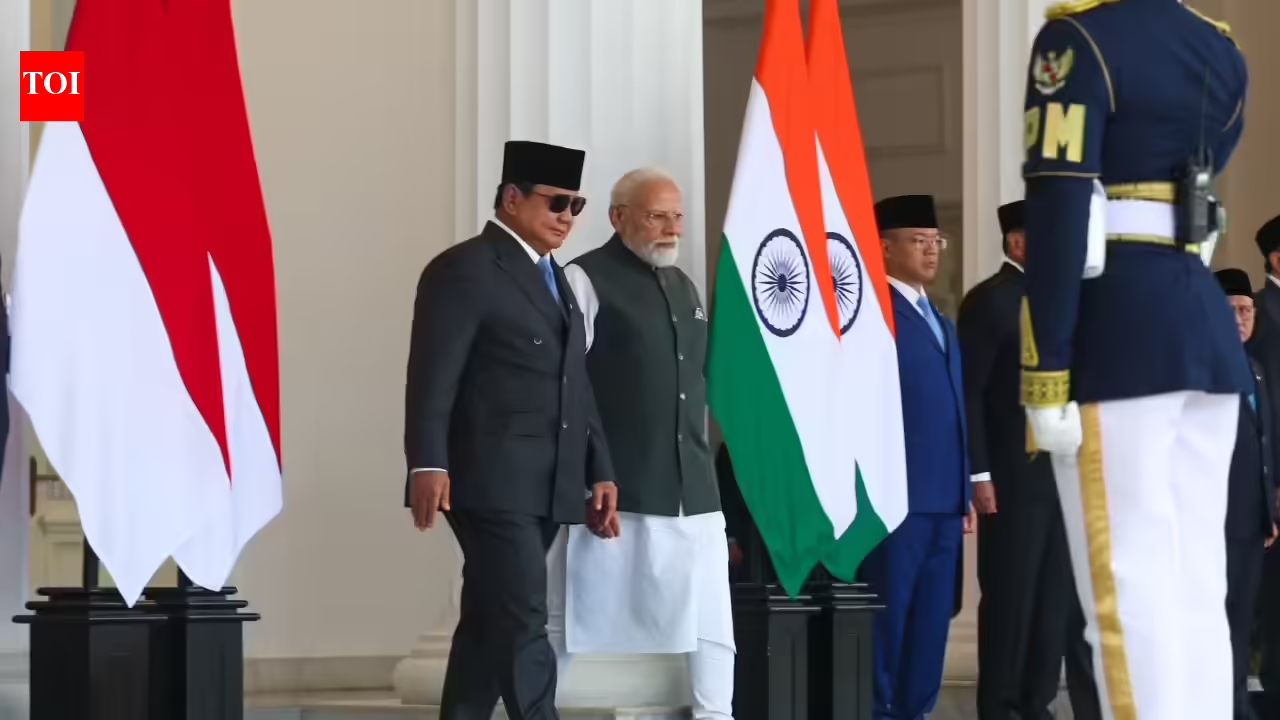
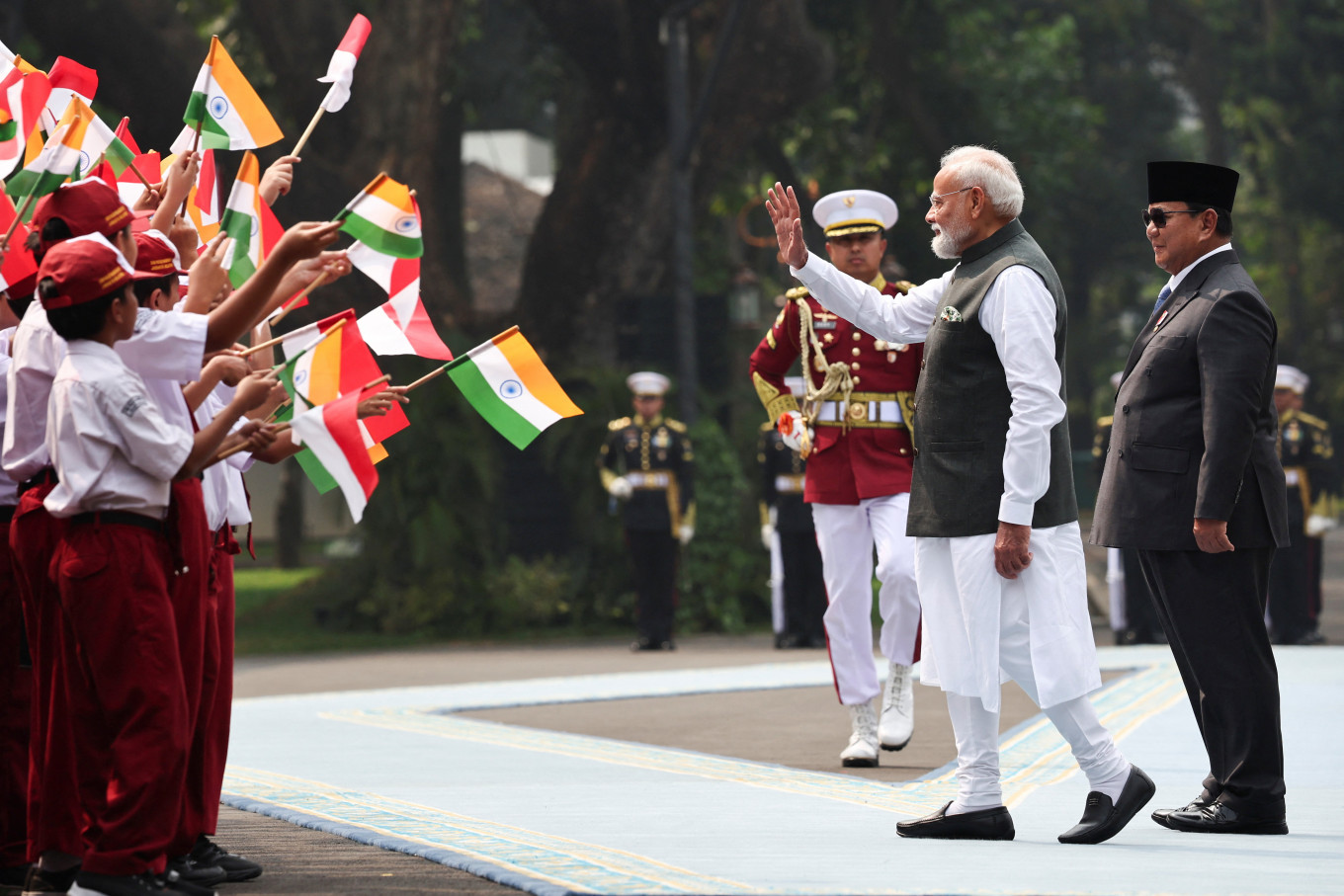
Indian Prime Minister Narendra Modi, accompanied by President Prabowo Subianto, waves to students during a welcoming ceremony on July 7 upon their meeting at the Merdeka Palace in Jakarta. (Reuters/Willy Kurniawan)
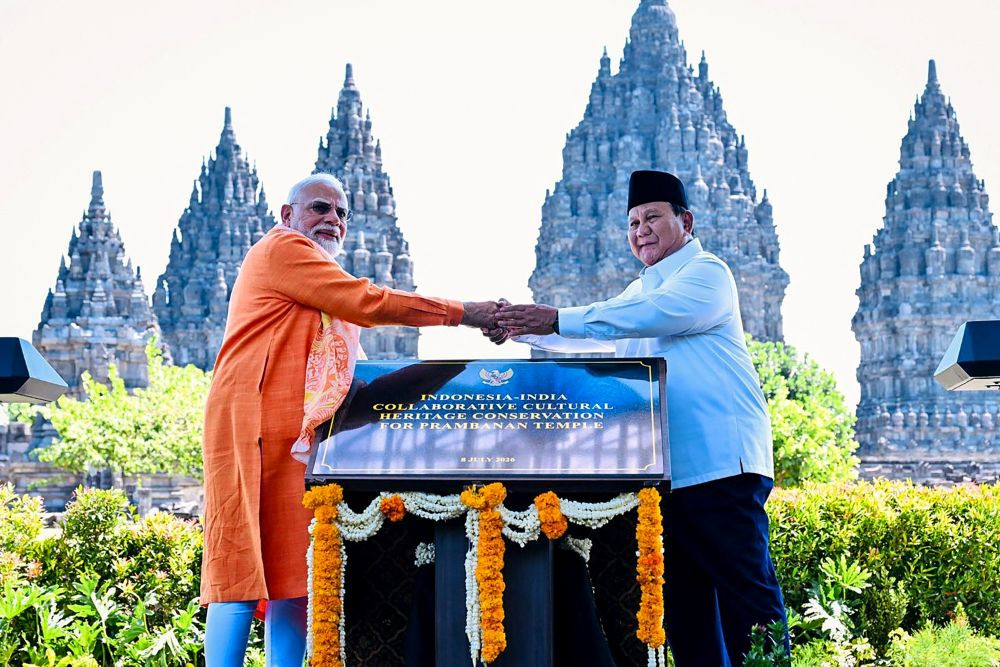
When Indian Prime Minister Narendra Modi left Jakarta on July 8, he left behind the densest package of India-Indonesia agreements in years — spanning critical minerals and rare earths, solar energy, green hydrogen, bioenergy and civil nuclear cooperation. The visit capped 18 months of unusual diplomatic momentum: President Prabowo Subianto's Republic Day visit to New Delhi in January 2025, the first foreign ministers' Joint Commission Meeting in four years this June and now the first bilateral summit between the two leaders.
The strategic rationale is strong on both sides. Indonesia holds the world's largest nickel reserves and accounts for more than half of global production, but its refining sector is dominated by a single foreign partner; India offers diversification and a vast market for battery materials. India, meanwhile, added roughly 26 GW of solar capacity in the first half of 2026 and has built digital public infrastructure at continental scale, while Indonesia's solar fleet remains modest despite its equatorial potential. The rare-earths memorandum, the SAIL–Krakatau Steel joint venture and the clean-energy commitments in the joint statement all point in the right direction.