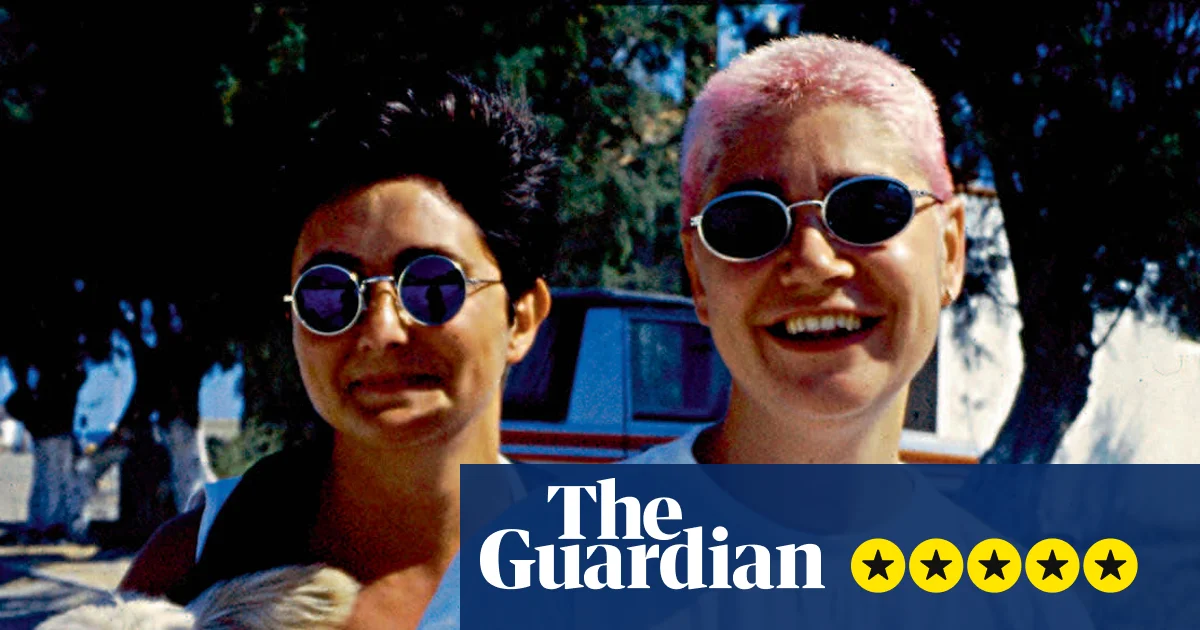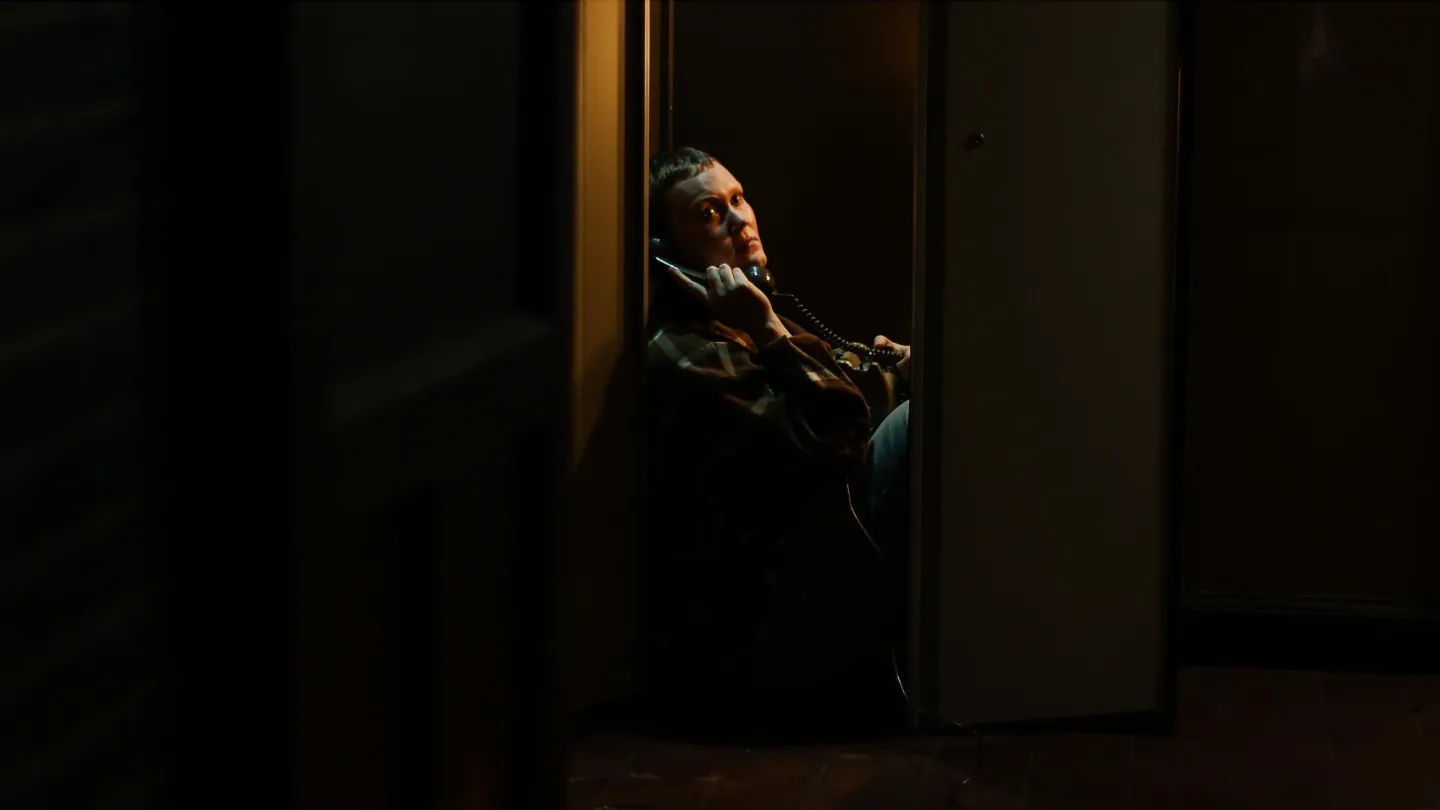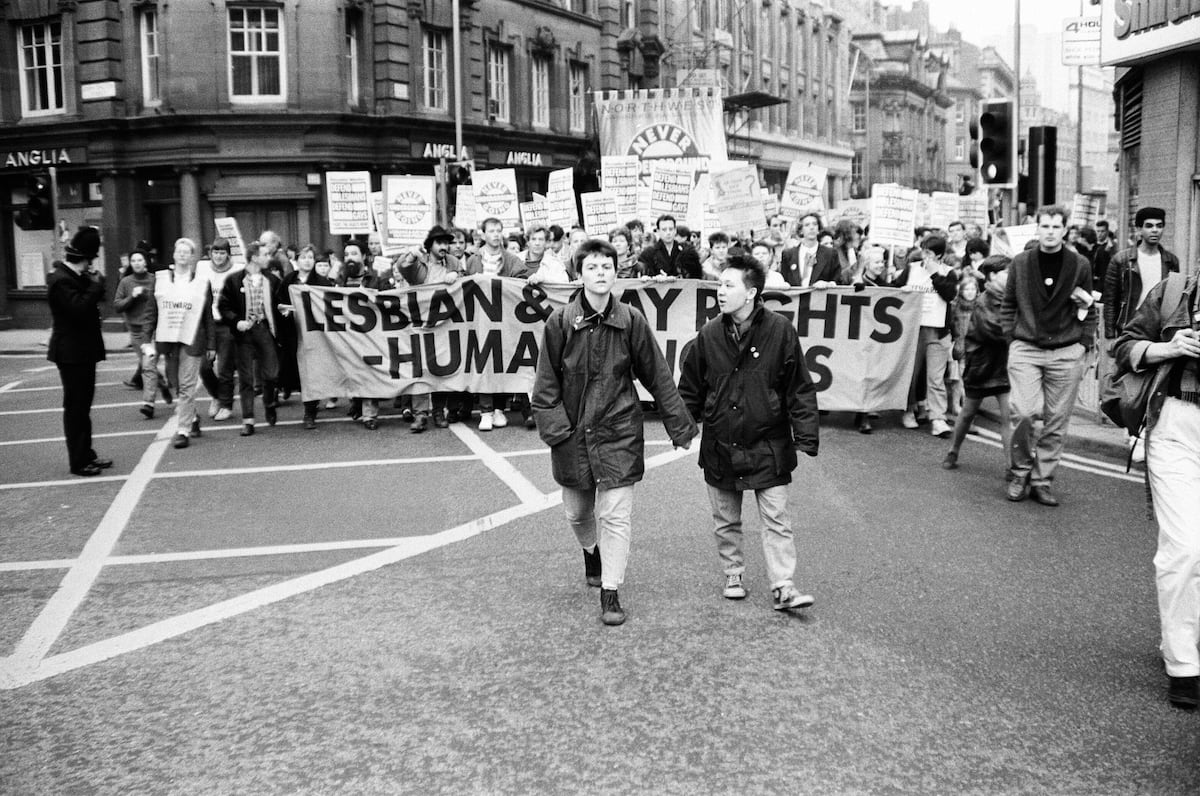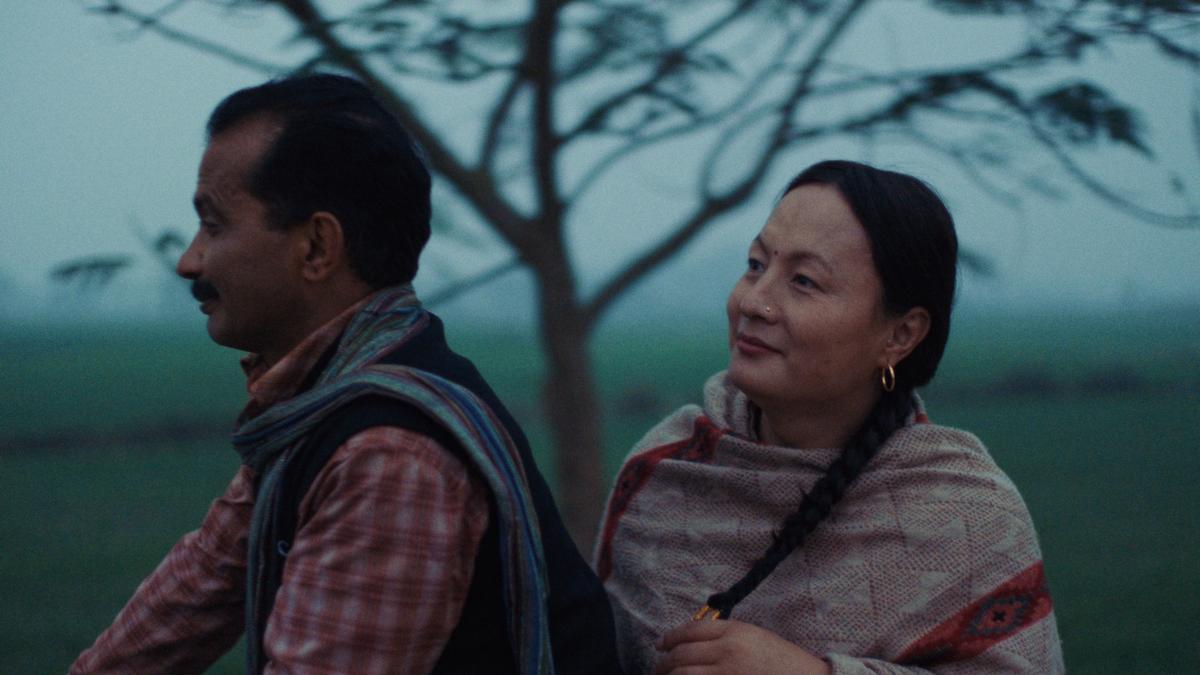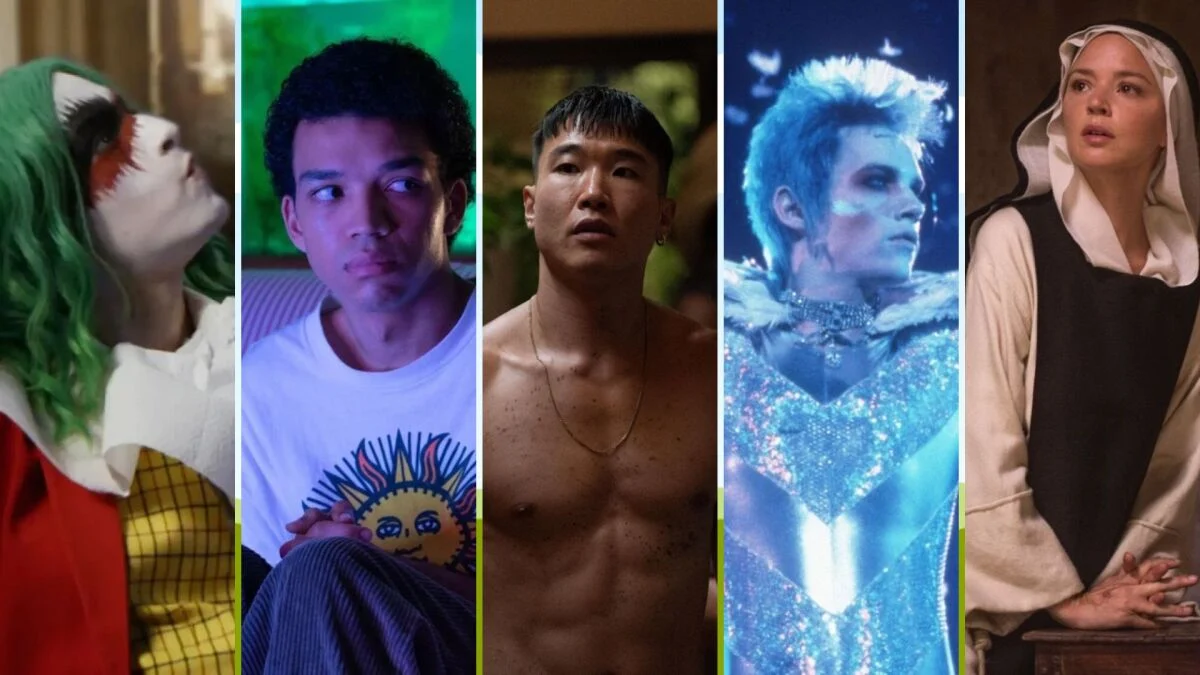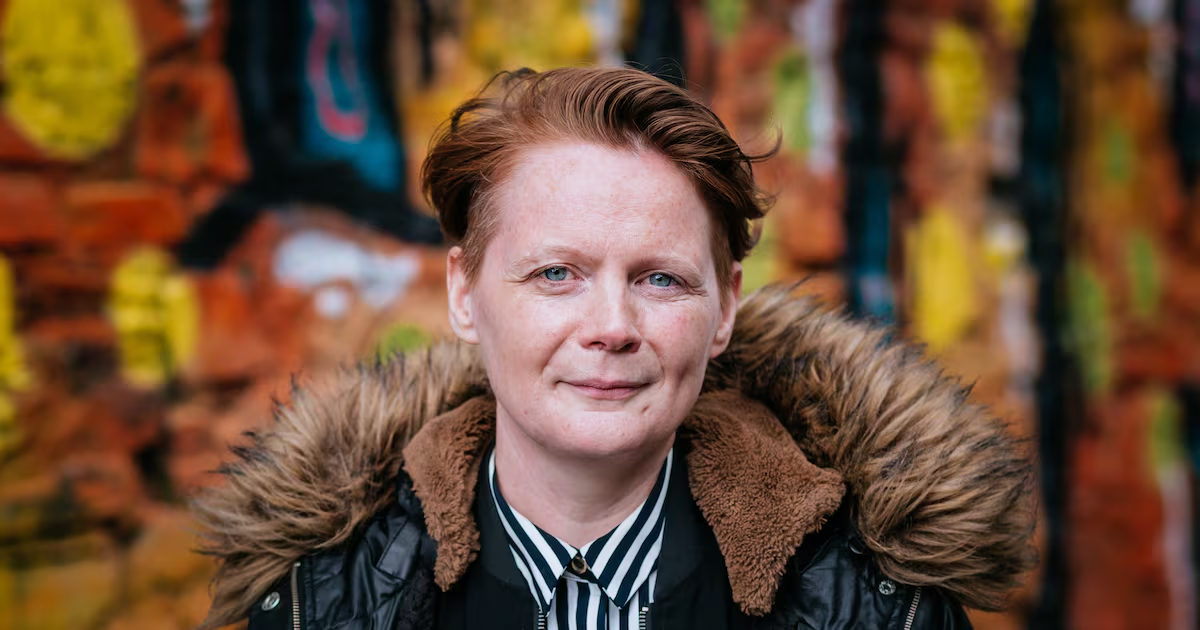
“We all need to be listened to,” Cara Holmes tells me. “That’s just on a human level. Somebody just hearing your story is a really beautiful thing.”She is describing both the subject of her upcoming film and the film itself. Lesbian Lines, which screens in Dublin this week at Gaze International LGBTQIA Film Festival, is a touching, sometimes sad, sometimes funny study of the telephone helplines established by an energetic group of Irish lesbians in the dying days of the nation’s miserable 1970s.“My personal way into it was that Lesbian Line turned 40 in 2019,” she says. “So that was how I came across that story. It was fascinating that it was going for 40 years at that point – and Dublin Lesbian Line is still going.”The chatty director brought together veterans of the service to chew over beginnings and ponder how life has changed for their community. There is a great deal of chuckling at their early chutzpah and no small amount of anger at the way lesbians were erased through those years. Holmes is younger than those early listeners, but she connected with their sense of being alone“Yeah, just that isolation,” she says. “I was growing up in the 1980s and the 1990s, and the word ‘lesbian’ was not really being said out loud too many times. So I can only imagine that, back in the late 1970s and early 1980s, it was just nowhere. Where do you go to if you are feeling that your sexuality is different to pretty much everyone else’s?”Lesbian Lines, directed by Cara Holmes The film is keen to stress the importance of telephone helplines that sprang up across the country. Deep into the age of the internet, it is startling to recall how hard it once was to get information, to connect with like minds, to make attachments outside your immediate group. The lines served all those purposes. One of the most moving sections tells how many callers, perhaps sitting surrounded in the family home, were unable to say a word.“They often talked about the silent call,” Holmes says of the founders. “People were too nervous to say anything. That person might call back again and again. On the third or the fourth time they might actually speak. It was building a community for them. And it was also letting other people know that there were other queer women and lesbians in Ireland.”Raised in Dublin and Louth, and long resident in Cork, Holmes proves, in her own way, the right sort of listener. There is a sense of the subjects still shaking off the stresses and unpleasantness of those early years while savouring the community they built. Someone notes that an act of remembrance can be an act of resistance.“Listening to the women now, I think they’re still resisting,” Holmes says. “There is still resistance for their stories to be told. It’s a complex one, because memory can be vague. When you’re dealing with a community of hundreds of people, how do you capture that collective memory? Even to exist! A lot of them would say: ‘We were lucky to survive.’ They’re resisting all sorts of things – various narratives that were outside of their control and not their own story.”Lesbian Lines Given the era, The Late Late Show plays a part in the story. In 1980, Joni Crone, one of the Lesbian Lines interviewees, appeared on the RTÉ chatshow to speak about her sexuality. She appears confident and resilient but in the film she says a floor manager gave her a stiff vodka to help calm the nerves.“I was born in 1979, so the moment of Joni Crone being on the Late Late I was not aware of until years later,” the director says. “So I didn’t quite catch that moment. But, looking back through the news archives – at the moving statues, at a country being obsessed by religion or just dominated by religion – you remember it’s not too far from the 1990s.”The Late Late excerpt is bizarre. There is a disturbing sense of Crone, now a playwright, being positioned as an exhibit. Gay Byrne does not even say her surname name on air.There’s a real hunger between the generations to talk to each other, to just get into rooms together to learn from each other“Yeah, yeah! ‘I’m not going to give her second name.’ It’s like the whole country is watching. There were so many repercussions for Joni after that interview as well. While she looked very calm, it was not an easy thing to do.”One can hardly imagine a sharper contrast between that broadcast and the closing sections of Lesbian Lines, during which Holmes brings the interviewees before a younger generation to discuss what has been achieved in the years since the phone lines broke the silence. What surprised the two groups?“I think what they had in common,” Holmes says. “The word ‘freedom’ kept coming up between the two groups. That was a big part of making the film. That intergenerational thing is bandied about a lot. But there’s a real hunger between the generations to talk to each other, to just get into rooms together to learn from each other. “That’s why the volunteers from 30 or 40 years ago were just very committed to this project. They wanted to pass down the information because it wasn’t recorded officially. That kind of engagement was really important to me.”Lesbian Lines The very existence of Gaze, now in its 34th edition, speaks to the changes in Irish society. Formerly Dublin Lesbian and Gay Film Festival, the event is now an established part of the cultural calendar.“We’re really excited to screen there,” Holmes says. “The current volunteers of Dublin Lesbian Line are going to be part of introductions and part of the Q&A and stuff like that. So it’s just bringing people together.”That very much sums up Holmes’ charming film. It speaks to the power of survival and celebrates the importance of unity.“It is often simple acts that will pull communities together,” Holmes says. “Yeah, it’s just the radical insistence of existing.”Gaze 2026“We lead this year’s programme with five passionate, enthusiastic strands: Thrill Me! Move Me! Push Me! Watch Me! and Beguile Me!” Sam Ahern, the new festival director of Gaze International LGBTQIA Film Festival, says. “Brimming with emotion, wonder, history, big questions and exhilarating adventures.” True enough. The 34th edition kicks off on Tuesday, July 28th, with a screening of Black Christmas, the latest narrative knot from the Spanish master Pedro Almodóvar. Liz Garbus and Elizabeth Wolff’s Give Me the Ball is an essential study of the indestructible tennis pioneer Billie Jean King. Also keep an eye open for Ian De La Rosa’s Iván & Hadoum. Winner of the Teddy Award – presented for best LGBTQIA+ title at the Berlin Film Festival – this acclaimed feature studies an unlikely couple caught up in different corners of a Spanish industrial dispute. Brydie O’Connor’s Barbara Forever offers an appreciation of the lesbian film pioneer Barbara Hammer. Kate Dolan, director of the hugely admired horror You Are Not My Mother, will be in town to present her latest shocker, Soulm8te. There is more: 14 features, six Irish shorts, a talent-development lab and a skills forum titled Café au Gaze.Lesbian Lines is being screened at the Light House Cinema, in Dublin, on Thursday, July 30th, as part of Gaze International LGBTQIA Film Festival; it opens in cinemas in October. The festival opens on Tuesday, July 28th, and runs until Monday, August 3rd
Lesbian Lines director Cara Holmes: Growing up, the word ‘lesbian’ was not really being said out loud
Gaze International LGBTQIA Film Festival: In pre-internet Ireland, telephone lines sprang up around the country to let isolated gay women feel heard
1,250 words~6 min read