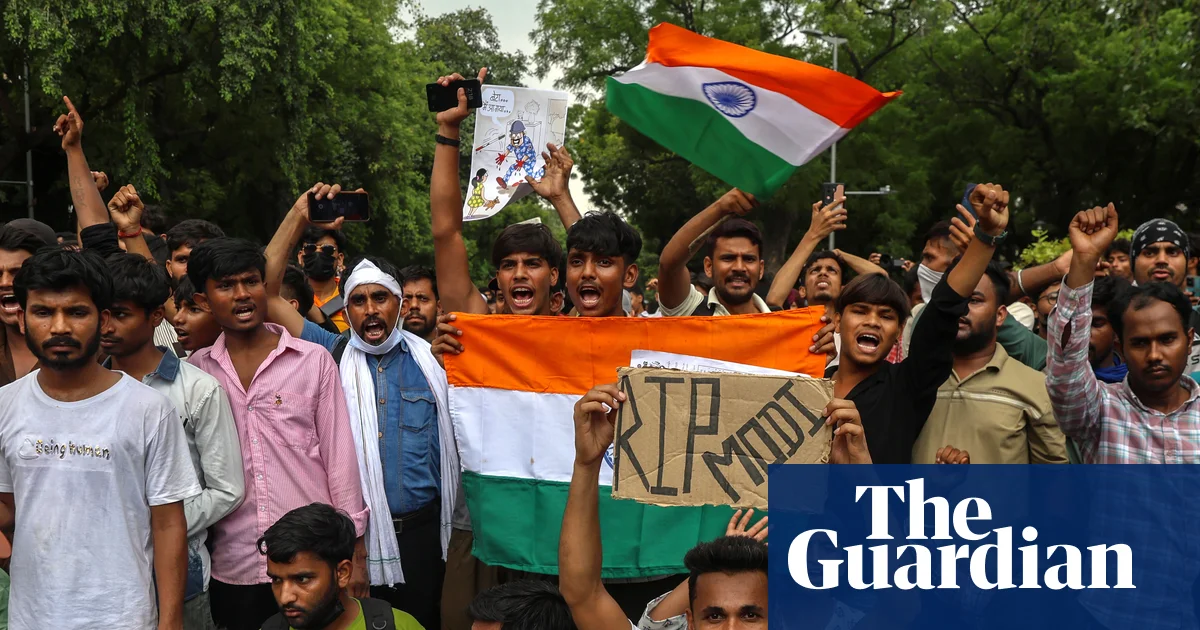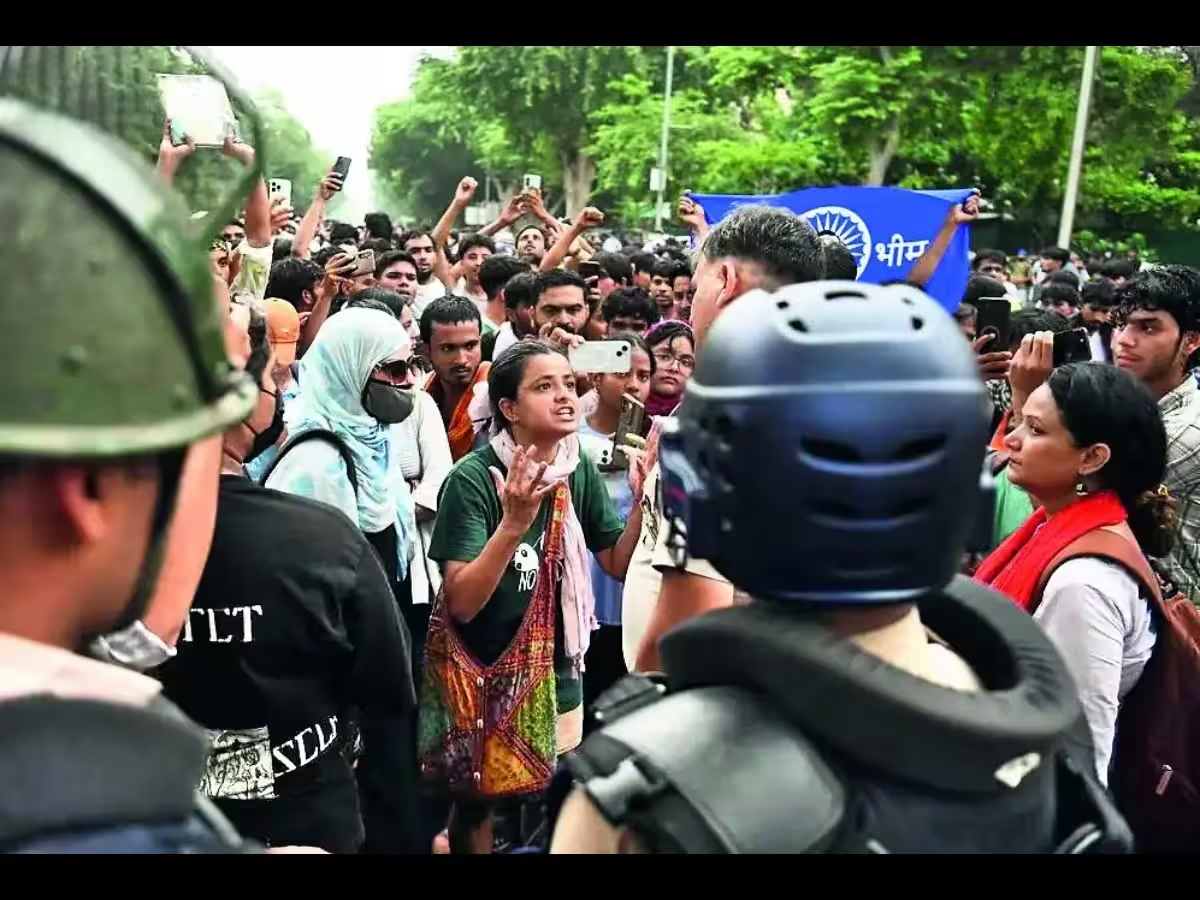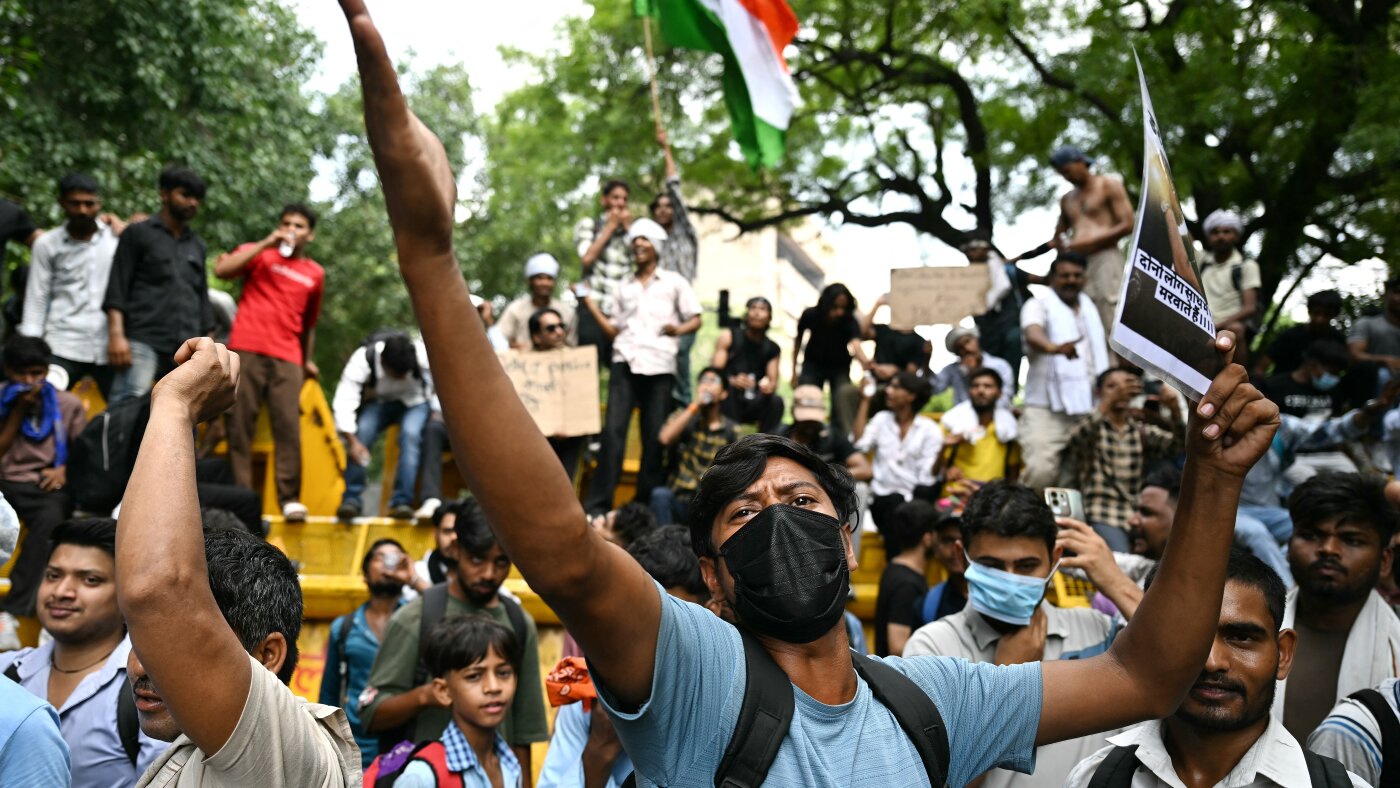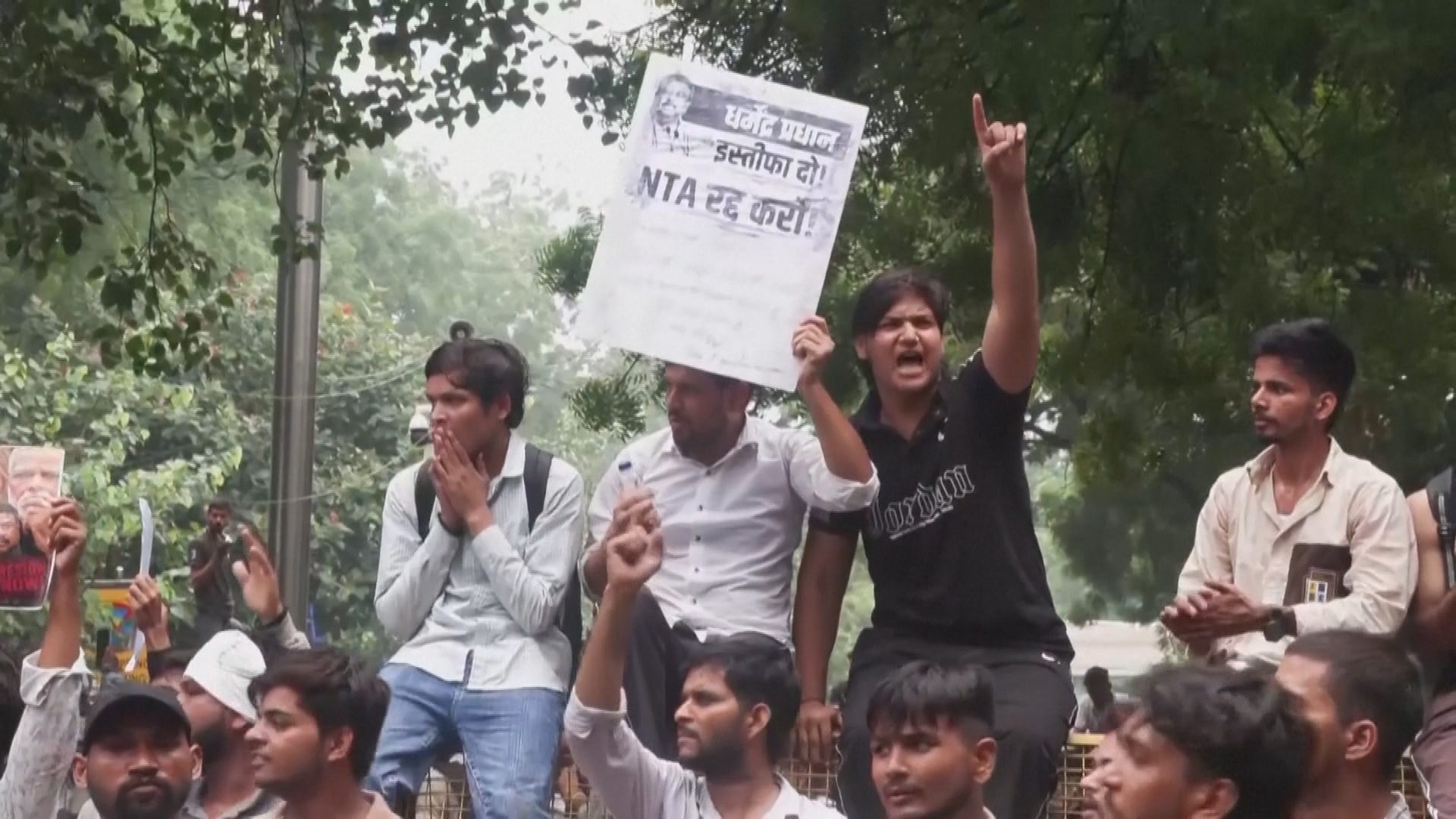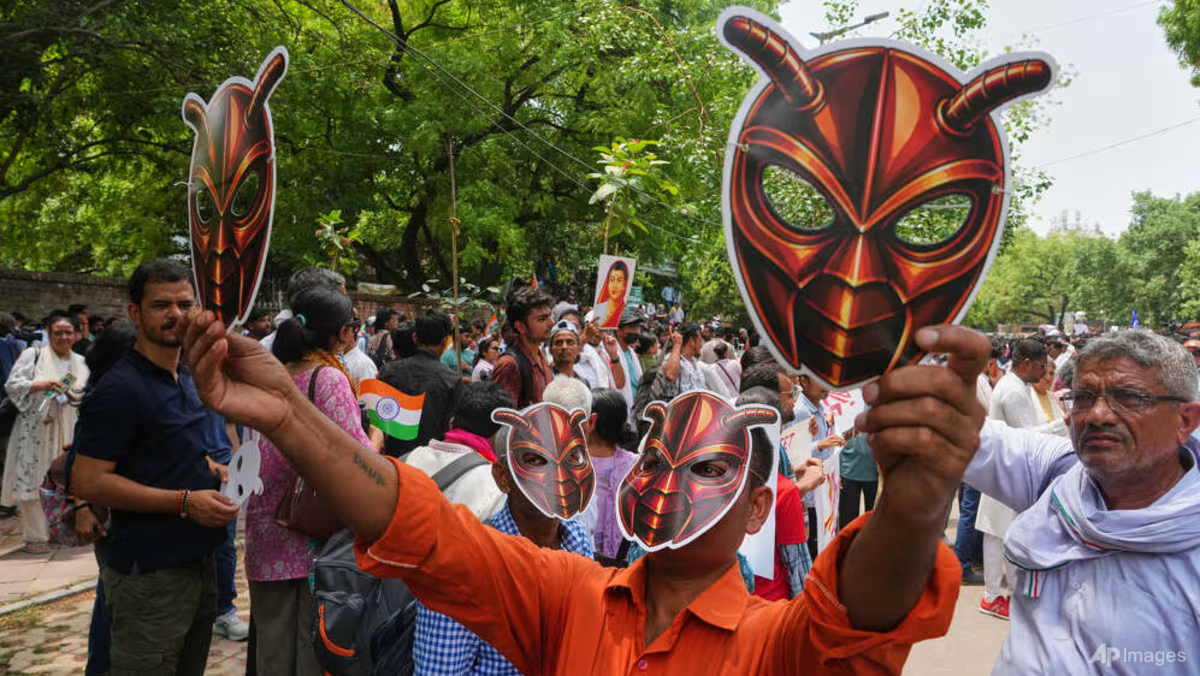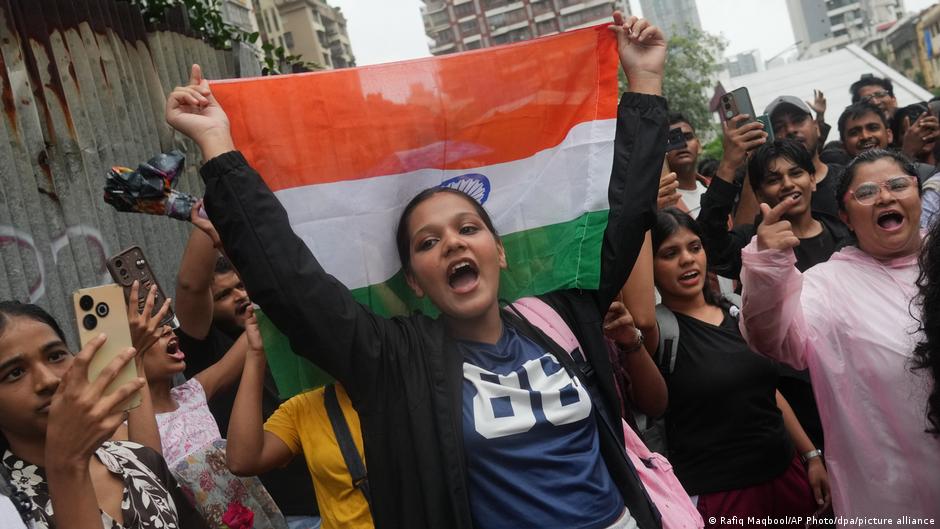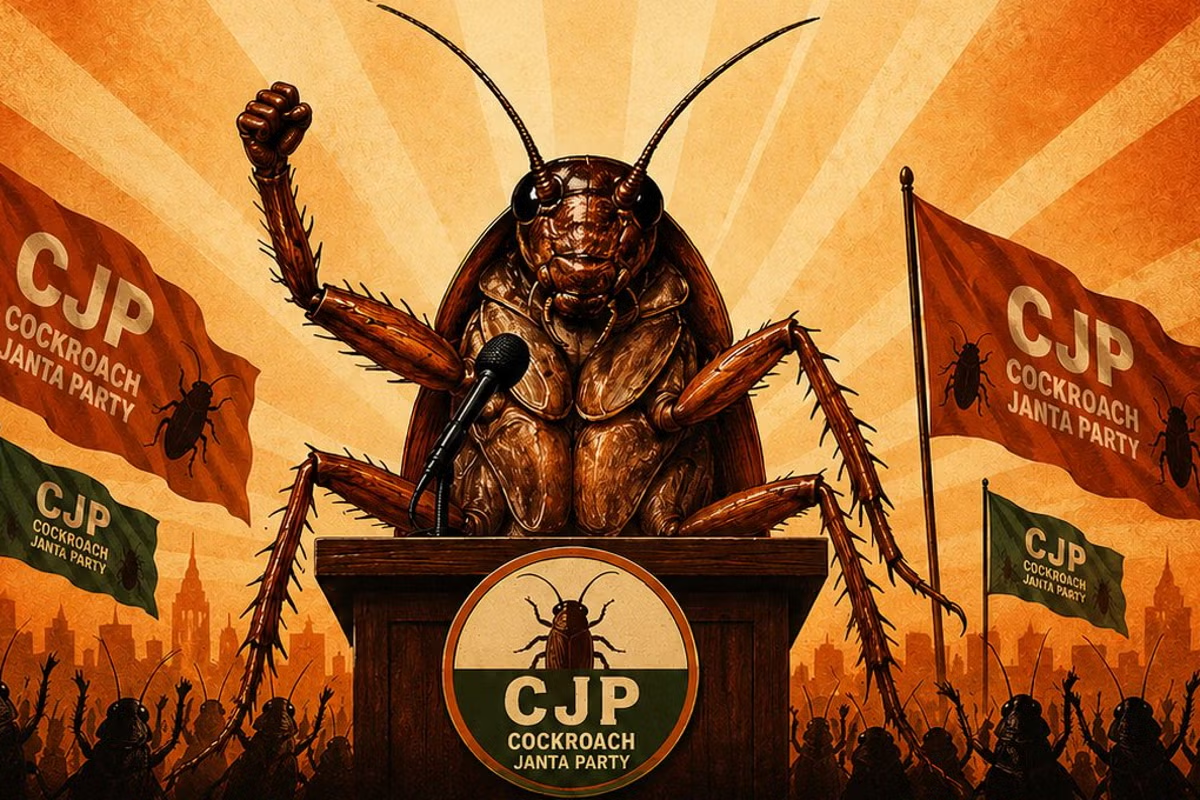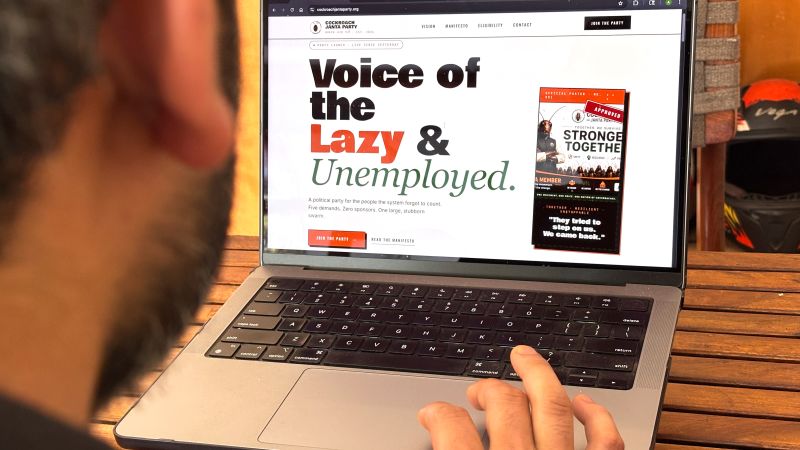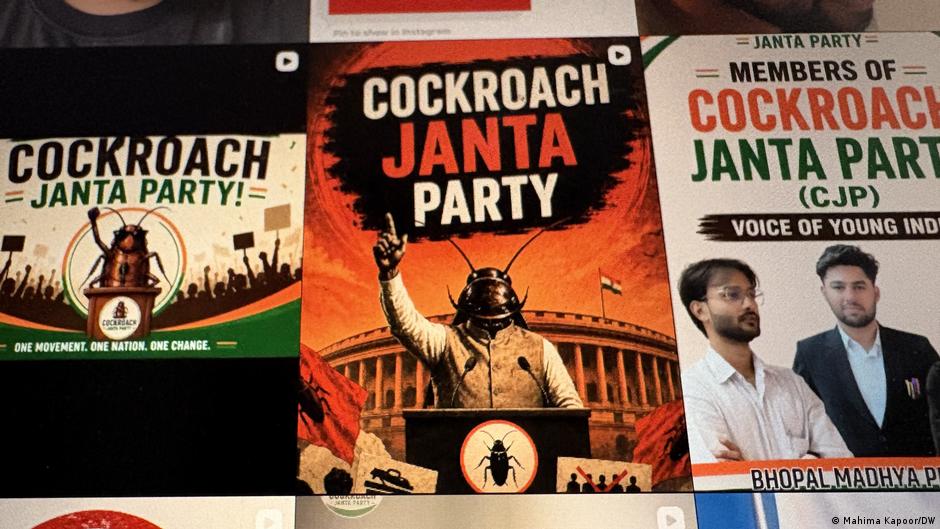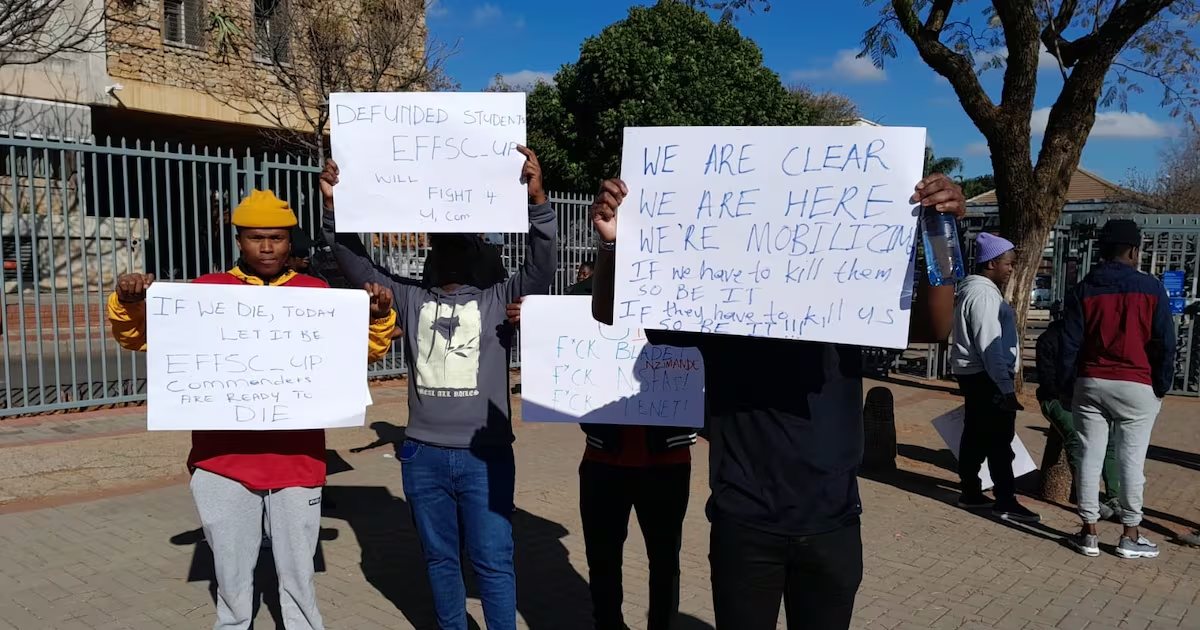
Arundhati Roy’s latest dispatch for The Wire takes its name from an insult. India’s chief justice, irritated by unemployed graduates and social media agitators, called them cockroaches and parasites. Within weeks Gen Z had turned the slur into a brand. The Cockroach Janta Party — a satirical take on the governing Bharatiya Janata party (BJP) — camped out in central New Delhi, refusing to be swept away over a botched medical entrance exam and a marking scandal that has since metastasised into a demand for the education minister’s head, and the prime minister’s. It has become, in Roy’s framing, the story of an unarmed public making itself dangerous simply by refusing to disperse. Read from Johannesburg, it lands close to home, and simultaneously uncomfortably far away. The grievances translate almost line for line. Where Delhi has exam paper leaks, we have National Student Financial Aid Scheme (NSFAS) cap investigations freezing allowances for 12,000-plus students mid-exam. Where Delhi has a “technical glitch” scandal, we have an auditor-general’s disclaimer of opinion on R45bn the NSFAS couldn’t account for. Where Delhi has students sleeping at a protest site because the state cannot get a marking sheet right, we have student representative councils at the universities of Cape Town, Wits, Johannesburg and Stellenbosch warning of evictions because an accommodation cap hasn’t moved since before the pandemic, and this year’s meal rates still haven’t been announced in July of the funding year. Mismanagement, opacity, a bureaucracy that treats a young person’s ability to eat or sleep indoors as an administrative rounding error, the raw material for a cockroach moment is all here, and has been for years. What’s missing is the swarm. South African students can, and do, mobilise. Durban University of Technology saw payments unfreeze after a campus protest this year. Fees Must Fall in 2015–16 briefly shut down universities nationally. But compare the shape of it to Delhi’s month-long occupation, spreading from students to professionals to families with children, drawing solidarity marches as far as Mumbai and now including impoverished farmers in solidarity and bringing their own issues to the fore. Ours tend to flare at a single campus over a single grievance, and burn out before they generalise into “the system is failing an entire generation”. Part of that is fragmentation. The South African Students Congress, the EFF Student Command, the Pan Africanist Student Movement of Azania and a dozen local formations compete for the same anger rather than pooling it. Part of it is that the ANC still trades on a liberation-movement halo that inoculates it, in ways no BJP minister enjoys, against being cast as the villain of a viral morality tale. Part of it is exhaustion — 32 years since 1994, service delivery protests, e-toll boycotts, farm workers, mineworkers, Marikana, taxi strikes, load-shedding fury have all, in turn, burned hot and local without ever finding the connective tissue that turns “my grievance” into “our government”. Roy’s cockroaches had a single instantly legible outrage. A judge’s contempt made literal, and a figure in their leader who nobody could dismiss as a rent-a-crowd agitator. We haven’t yet produced that kind of unifying insult, or that kind of unimpeachable face. None of this is a case for despair. It’s a case for noticing what’s missing before the next NSFAS crisis, the next matric paper leak, the next accommodation cap, arrives right on schedule. India’s students didn’t build a movement because their grievances were uniquely severe; ours are comparable, and arguably worse. They built one because enough different kinds of people decided the same thing mattered on the same day, and stayed. That’s a discipline, not a miracle, and it’s the one thing 30 years of scattered outrage here has yet to teach us. • Cachalia, a businessman and management consultant, is a former DA MP and shadow public enterprises minister, and chaired De Beers Namibia.
GHALEB CACHALIA | SA students haven’t yet found their ‘unifying insult’
India's 'cockroach' moment offers a blueprint for sustained protest in SA
643 words~3 min read