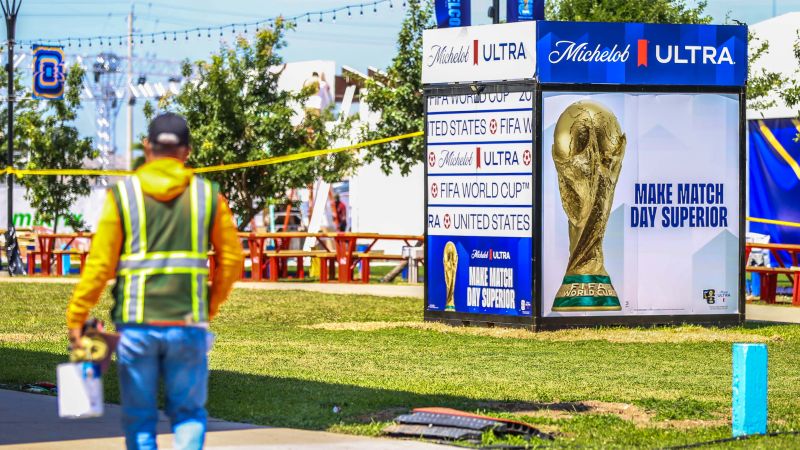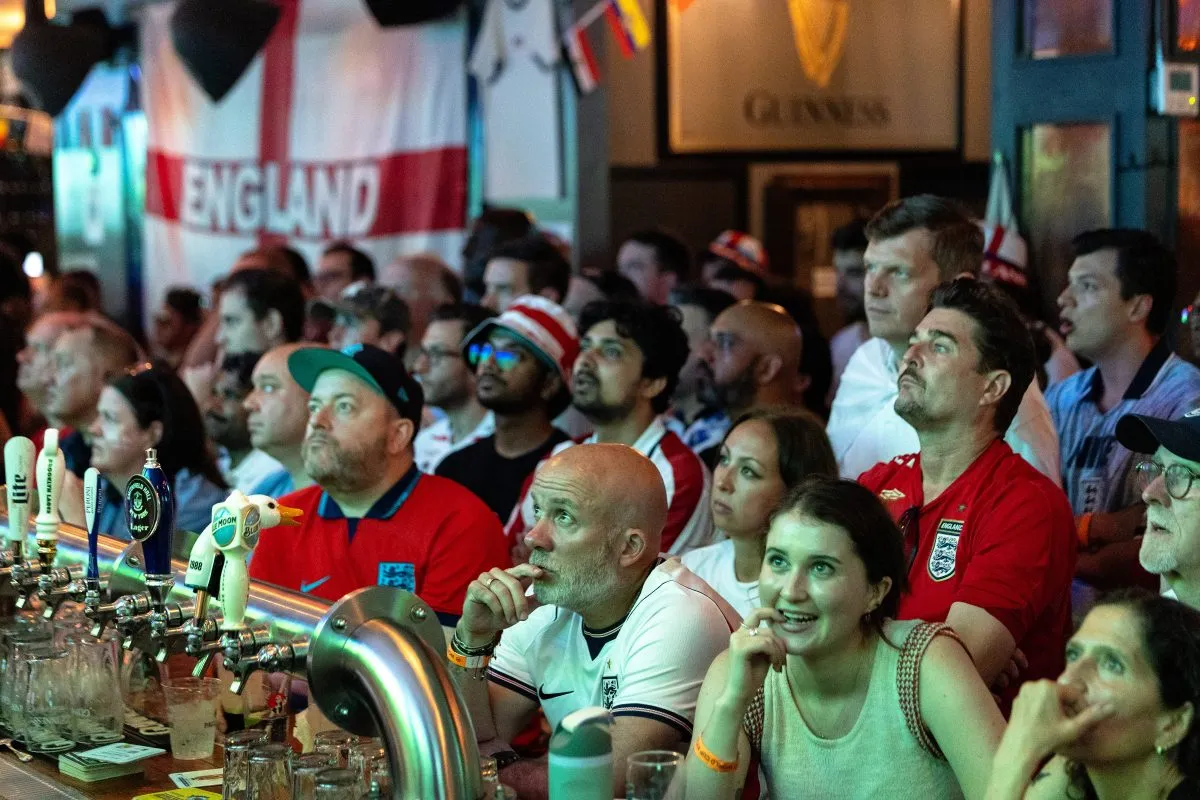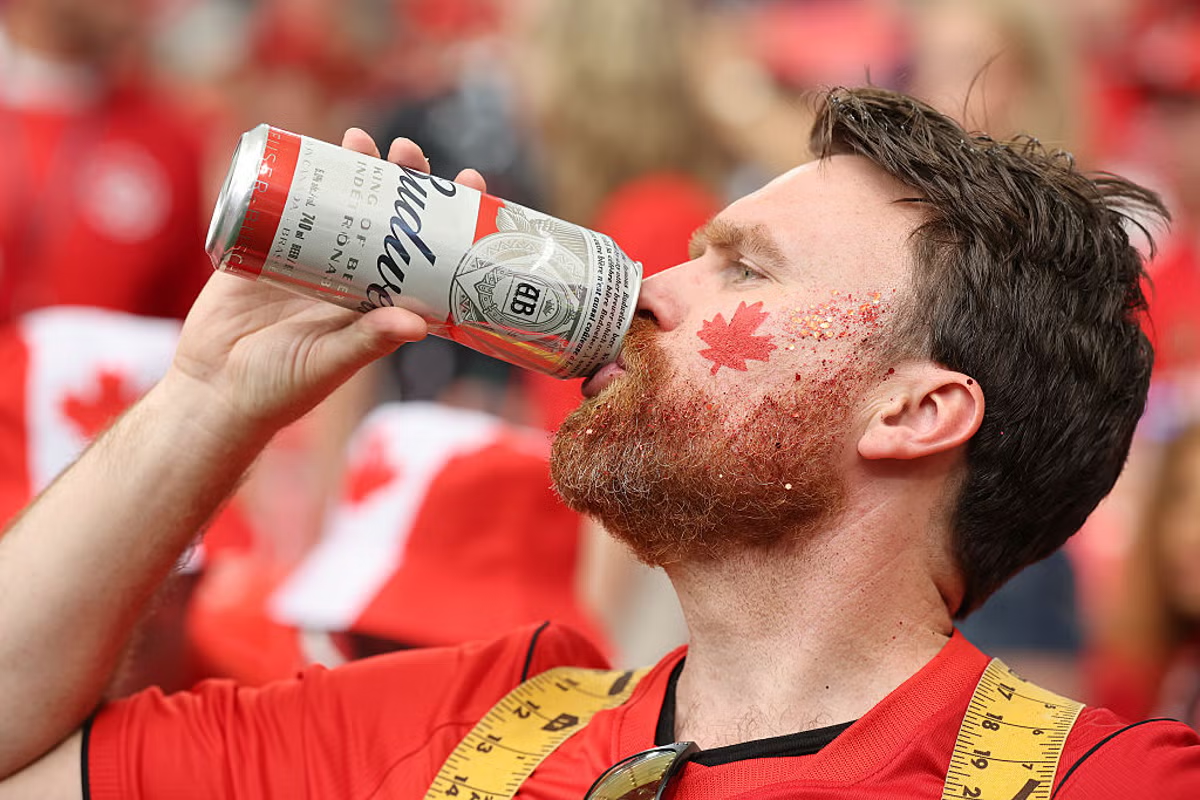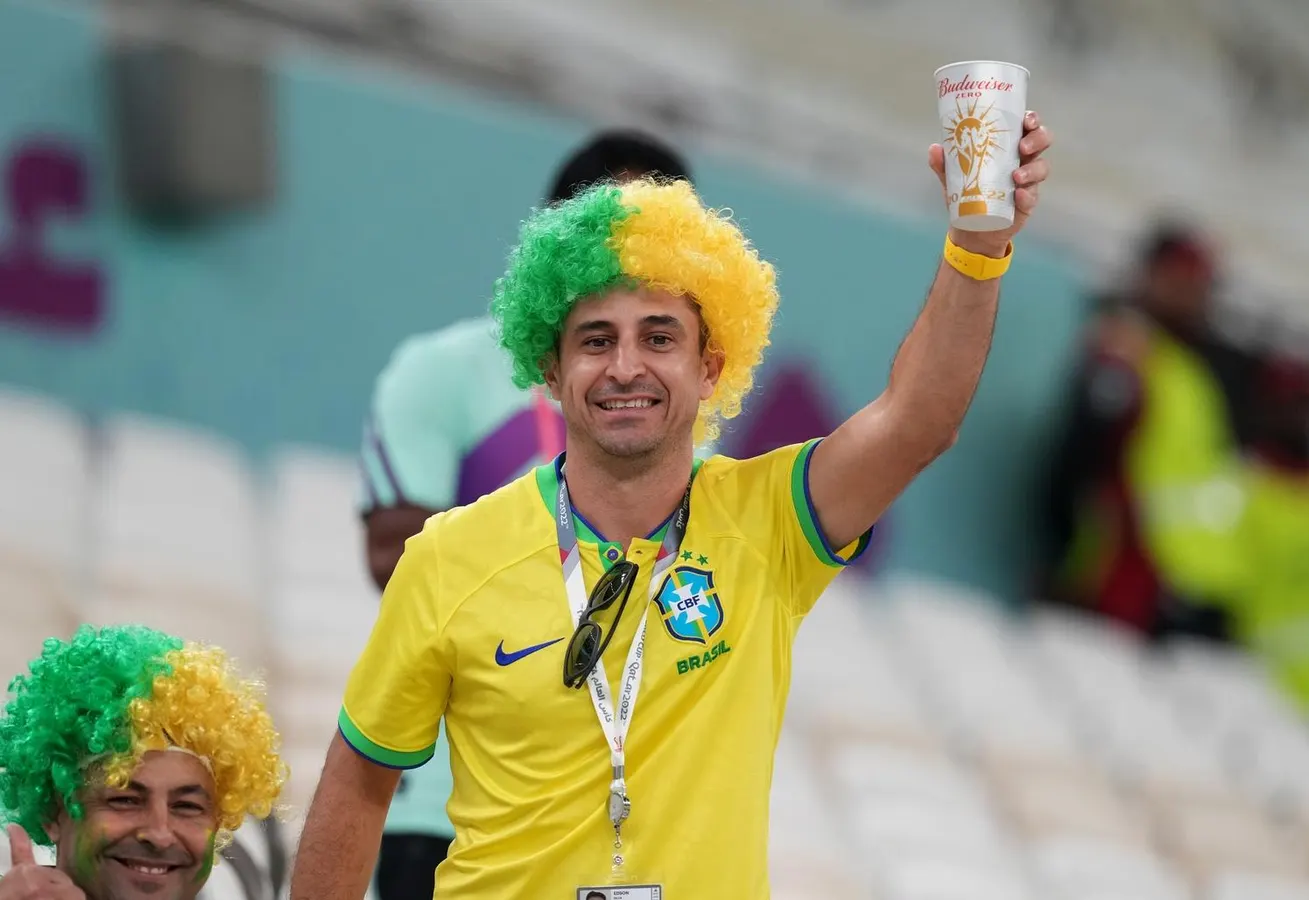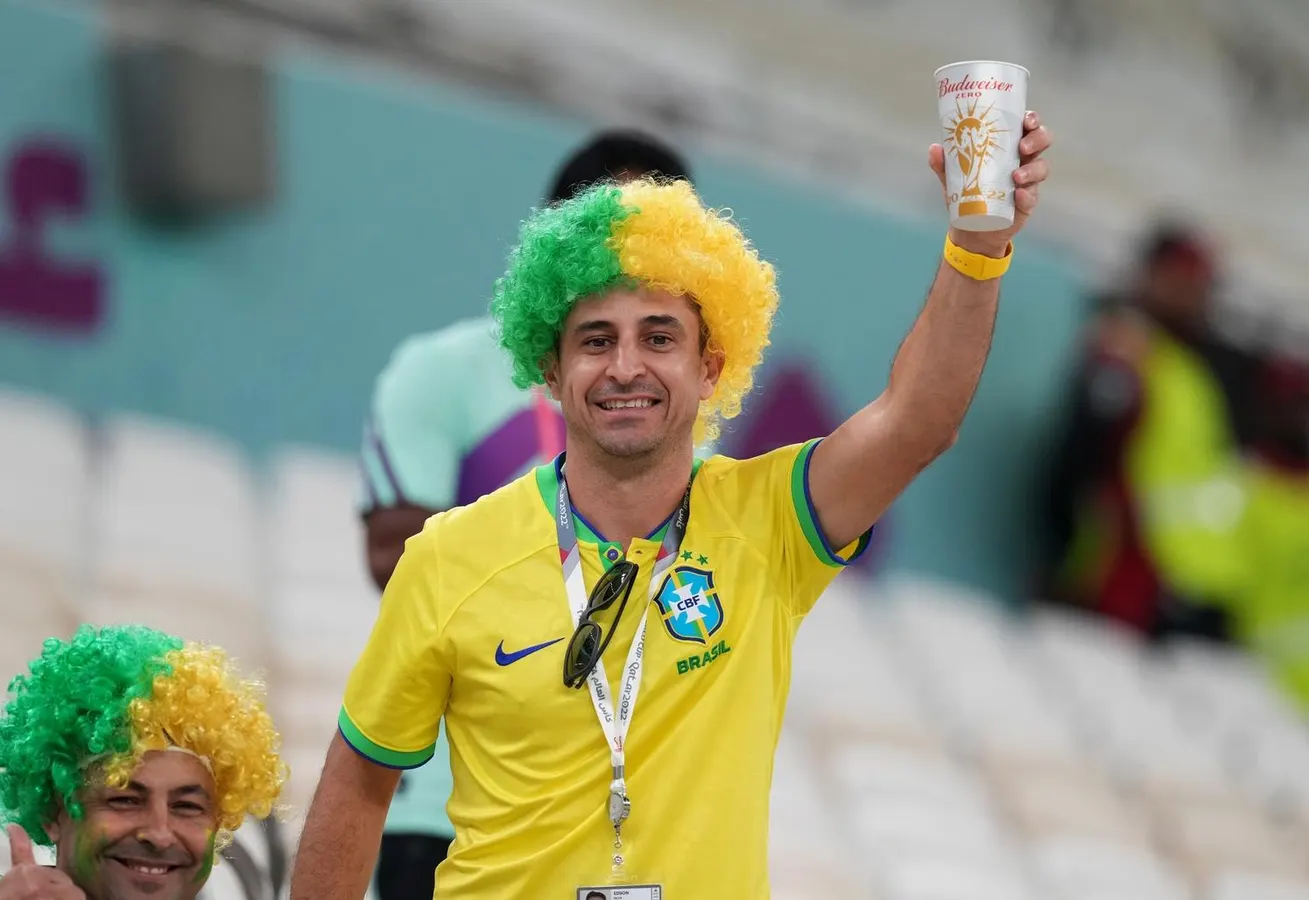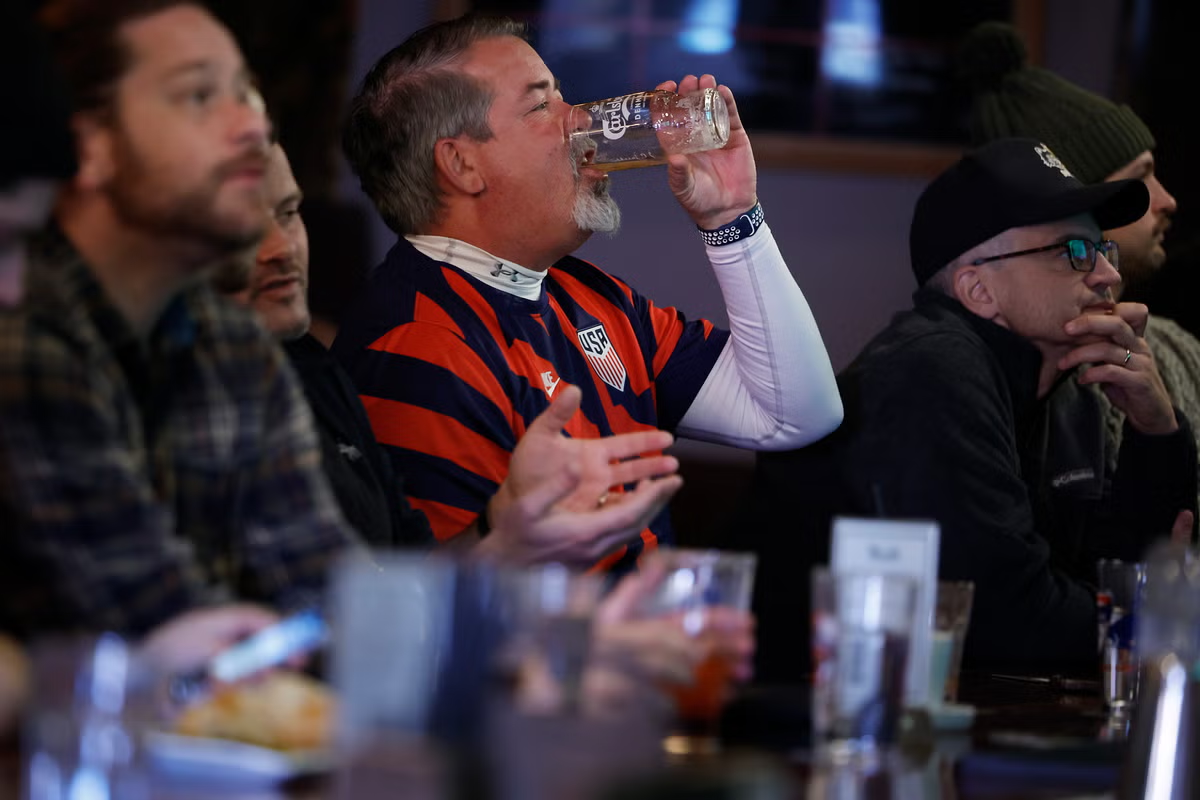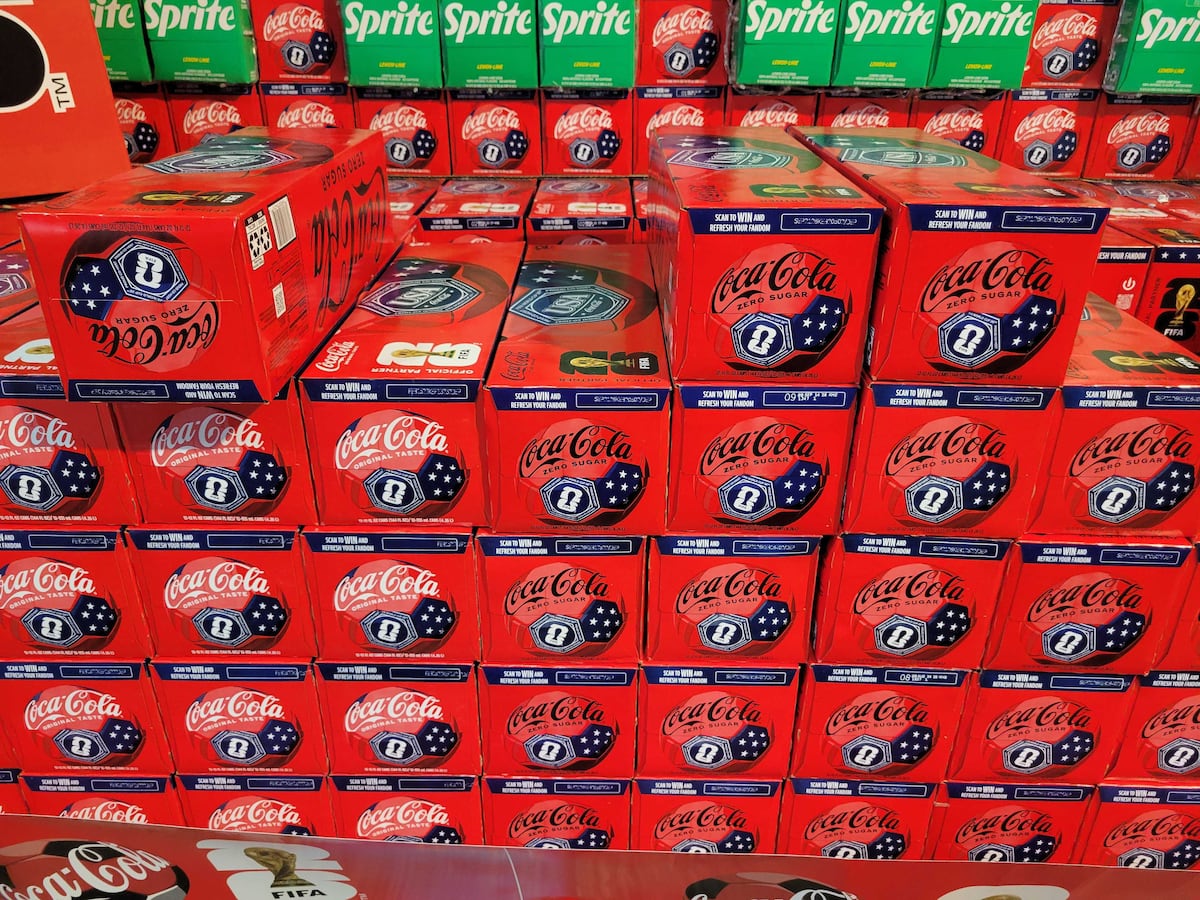
The final whistle has blown on the 2026 Fifa World Cup, and if you were watching from a bar rather than a stadium, you were in good company. Millions of fans were reminded that football and beer have always gone together. Less obvious is how profitable that relationship has become.Let’s start with the football. This was a World Cup that punished tradition. Germany, the most prodigious beer-drinking nation on the planet at 87l per capita/year, was out by the round of 32 – beaten by Paraguay. Mexico, Brazil and the US followed them out the door by the round of 16. On paper that reads like bad news for brewers — some of the thirstiest fans in the world went home early.But the tournament itself was built differently this time, and that matters more than any single result. Importantly, the field was 50% larger, from 32 countries to 48, and the schedule stretched to 39 days, nearly double the 18-day format of 1930 to 1982 and well beyond the 28–32 days of recent decades. More teams, more matches, more weeks of people gathering to watch. Anheuser-Busch InBev (ABI), the world’s largest brewer and owner of Budweiser, Stella Artois and Corona, estimates that a World Cup year typically adds 0.2%–0.3% to global beer volumes. North, South and the Middle Americas together accounted for more than 70% of ABI’s first-quarter volumes — the very regions this expanded, lengthened tournament was intended to captivate, co-hosts included.That’s the volume argument. The more interesting one, for anyone holding the stock, is what ABI actually bought with its sponsorship.Having backed Fifa since 1986, 2026 marks the 40th year of ABI’s relationship with the industry body, and it has now been extended through to 2030. Four decades of continuous sponsorship isn’t sentiment — it’s a company that has worked out precisely what it’s paying for: exclusivity. Inside the stadium, ABI is often the only beer brand on sale to about 65,000 captive fans at each game. That’s a marketer’s dream — a controlled environment to convert casual drinkers into brand loyalists and, increasingly, given ABI’s “Beyond Beer” push, into buyers of the zero alcohol and adjacent products that now sit alongside the mainstream beer range.But there is more. ABI ran fan parks and hosted about 200,000 watch parties across more than 40 countries, turning ordinary bars into extensions of the stadium experience. In one of the more inventive campaigns the company reimbursed $100,000 to fans who “worked from bar”, logging into their jobs from a pub so they could legitimately drink Stella Artois 0.0 while watching weekday matches. Scottish football, returning to the World Cup for the first time since France 1998, reportedly ran the White Bull Tavern dry in Boston. Multiply that across dozens of cities and the real prize becomes clear: bars packed, stronger sales and a temporary boost to local economies.There’s a sharper way to describe what’s really being fought over here. It isn’t share of wallet, it’s share of throat. Every major brewer wants the next pour, and it’s won through emotion rather than transaction. This year’s marquee campaign, Budweiser’s “Let It Pour” featuring Erling Haaland and Jürgen Klopp, sold joy, relief and togetherness rather than the product itself. That’s a deliberate strategy: emotional campaigns build brand equity that outlasts a single tournament. It’s why ABI’s global and local megabrands, though a fraction of its total portfolio, generate around 57% of group revenue — disproportionate returns on a disproportionate share of the marketing budget.There’s a sharper way to describe what’s really being fought over here. It isn’t share of wallet, it’s share of throat. Every major brewer wants the next pour, and it’s won through emotion rather than transaction. Apart from the above, Heineken positioned itself around the Fifa World Cup by putting fans, not beer, at the centre of its marketing. Through its Fans Have More Friends campaign, Heineken celebrated football’s ability to connect people and create shared experiences, while its Bar De Change initiative solved a real pain point by helping South African supporters beat expensive World Cup beer prices abroad. Together, the campaigns reinforced Heineken’s premium positioning through memorable fan experiences. For investors, it showed how sporting events can strengthen premium brands and consumer loyalty.None of this happens without the product itself standing up to the occasion, and it’s worth remembering how unglamorous the inputs are: malted grain, hops, yeast and water — four ingredients, endless variations, each brand brewed and positioned for a specific drinker, not unlike a coach setting tactics for a specific opponent.Of course the World Cup doesn’t explain everything. Weather, not football, is often the bigger swing factor in a given quarter — both Carlsberg and ABI have noted that summer weather matters more than the football calendar. Economic growth, pricing and shifting consumer tastes toward lighter, no- and low-alcohol options all move volumes too — which is exactly why ABI’s expanding “Beyond Beer” range isn’t a side project but an insurance policy against changing preferences.The Fifa World Cup may be over, but its commercial impact on the beer industry is likely to endure. From longer matches through hydration breaks to greater awareness of no- and low-alcohol offerings, the tournament reinforced beer’s ability to capitalise on moments that bring people together. More broadly, it highlighted the enduring strength of a highly cash-generative industry built on dominant brands, deep distribution networks and countless everyday consumption occasions. The final whistle has blown, but for brewers and long-term investors alike, the opportunities continue. Cheers.• Mdudu is an equity analyst at Matrix Find Managers.
SIPHELELE MDUDU | Why it matters to investors that the beer kept flowing at World Cup
Anheuser-Busch InBev leverages exclusivity and emotion to boost brand loyalty
924 words~4 min read