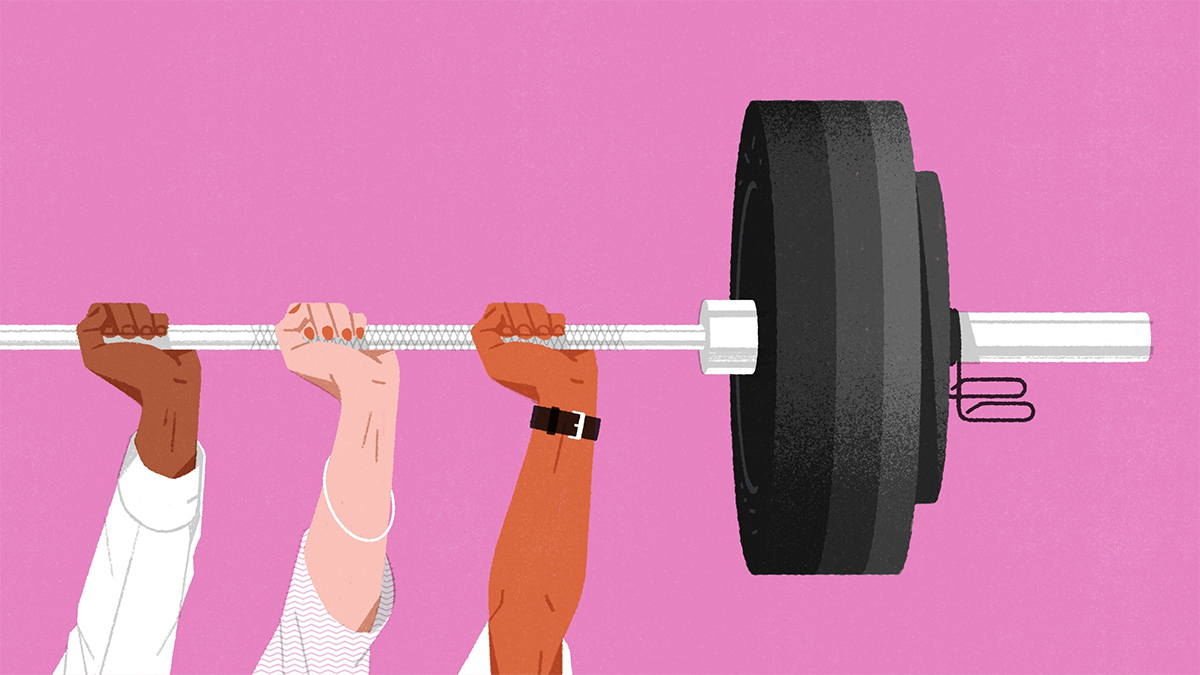
Modern leadership has never been more connected, yet it has rarely felt more isolating. Today’s leaders are constantly surrounded by people. Meetings fill their calendars, messages arrive around the clock and every decision is questioned, analysed and shared.On paper they have access to more people than ever before, yet somewhere between responsibility and expectation many quietly lose something far more valuable, the freedom to simply be human. I don’t believe leadership itself is lonely; what becomes lonely is carrying the expectation that you must always appear certain, composed and emotionally steady, even when you are not.The higher someone rises the more relationships begin to change. Conversations become more measured and feedback becomes more cautious. People become reluctant to disagree, some admire the title, others fear it and before long it becomes difficult to know who is speaking honestly and who is speaking to the position.That may be one of leadership’s greatest contradictions, because success gives you influence but it can quietly take away the relationships that once kept you grounded. What fascinates me is that organisations are investing more than ever in employee well-being, psychological safety and mental health, all important and necessary conversations. Yet we spend remarkably little time asking what those same environments feel like for the people expected to carry everyone else’s uncertainty.Who creates psychological safety for the leader? Who is the one person they can call after making a decision that will affect hundreds of lives? Who tells them they are wrong when everyone else simply nods in agreement?Those questions become even more uncomfortable when we consider the expectations many leaders have carried throughout their lives. For generations strength has been associated with silence. We have celebrated the leaders who absorb pressure without complaint, solve problems without asking for help and carry responsibility without revealing its weight.Who creates psychological safety for the leader? Who is the one person they can call after making a decision that will affect hundreds of lives? Who tells them they are wrong when everyone else simply nods in agreement?Leadership often reinforces that narrative rather than challenging it and the result is a generation of leaders who have become exceptionally good at asking others how they are doing while quietly forgetting how to answer that question themselves.Perhaps that is why loneliness in leadership is so difficult to recognise; it doesn’t always look like isolation. More often, it looks like constant availability with little openness, or carrying difficult conversations home because there is nowhere else to leave them. Eventually, becoming known by your title while slowly feeling less known as a person.Ironically, the qualities we increasingly ask of leaders ― authenticity, empathy, humility, and emotional intelligence ― all require something many leaders feel they cannot risk, like vulnerability. We tell leaders to create cultures of openness while rewarding certainty and encourage honesty, yet often expect those at the top to remain unshaken no matter what they are carrying.I wonder whether this is one of the reasons so many accomplished leaders eventually describe success as surprisingly lonely. Not because they lack influence or opportunity, but because somewhere along the journey they began protecting the title more than the person behind it.Maybe the future of leadership is not about producing stronger individuals. Perhaps it should be about creating environments where strength is no longer measured by how much someone can carry alone. After all, every title comes with responsibility, but it should never come at the cost of connection.• Mhlanga is a leadership and organisational development practitioner with more than 12 years of experience working in higher education, finance, project management, international relations, communications and advocacy.
BRIAN MHLANGA | Why modern leadership feels so lonely
Authenticity and vulnerability clash with expectations at the top
601 words~3 min read