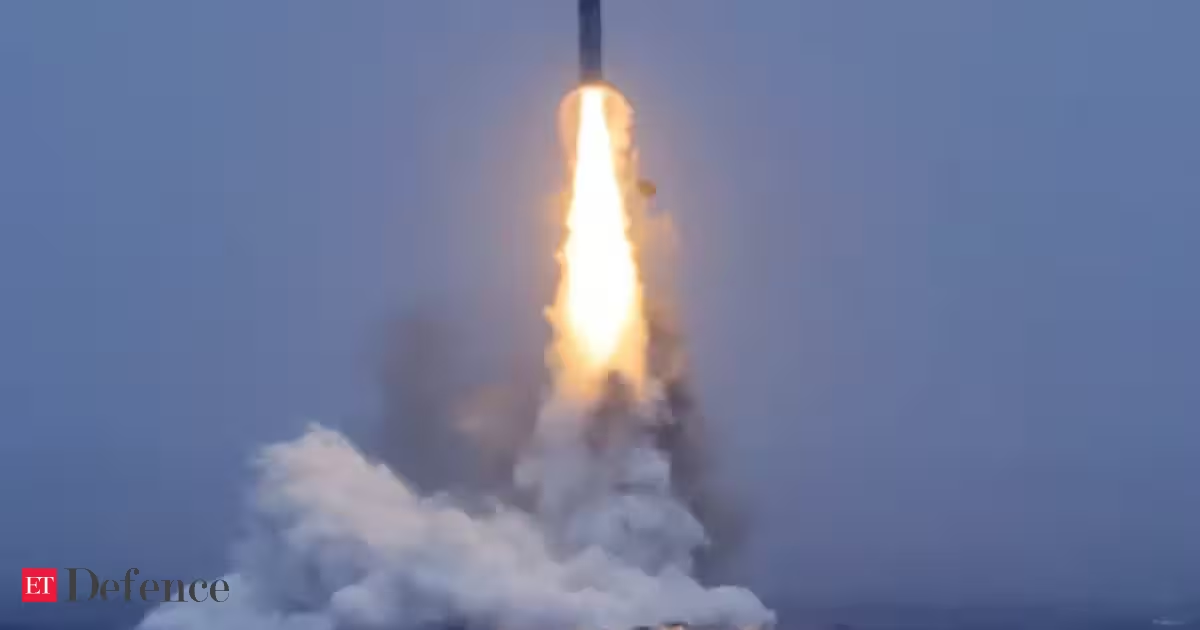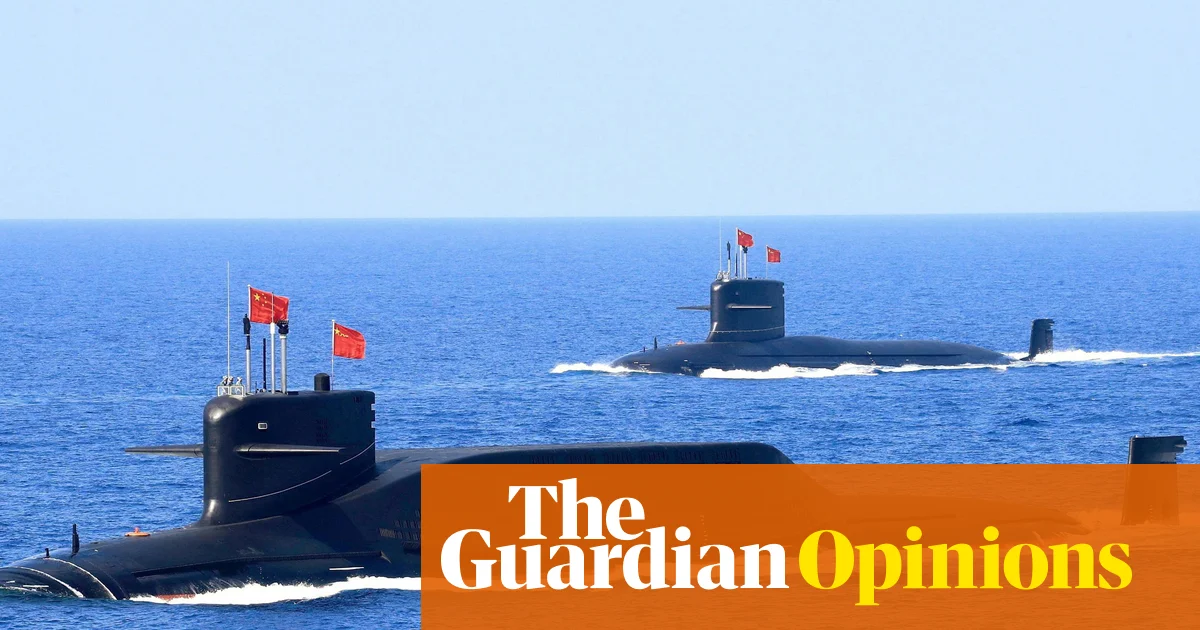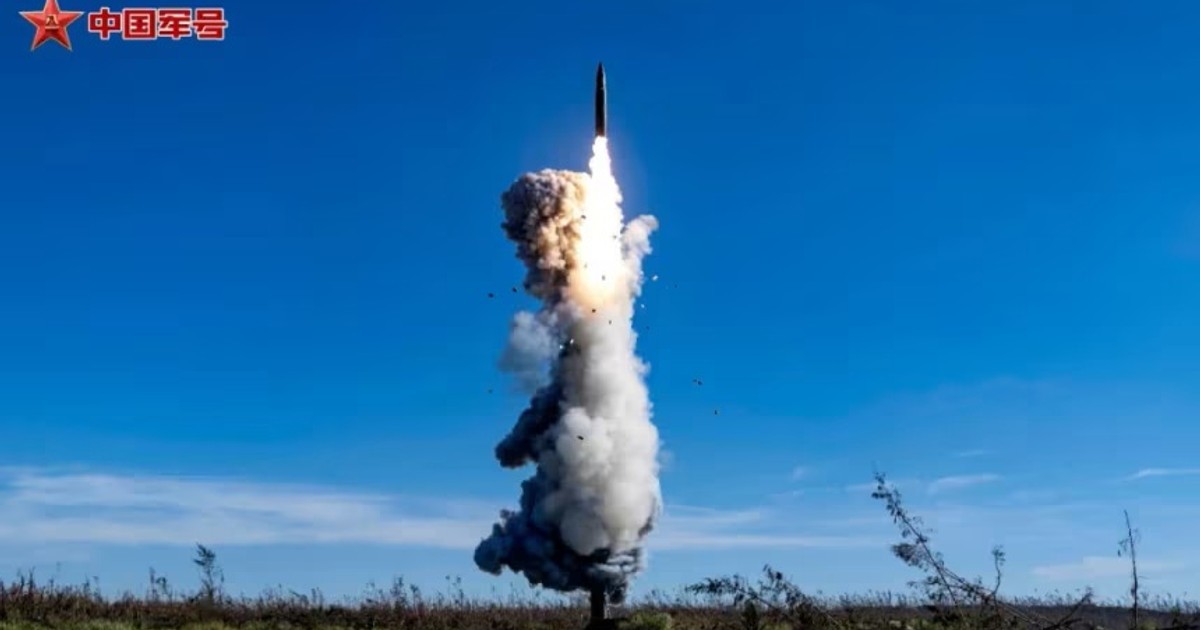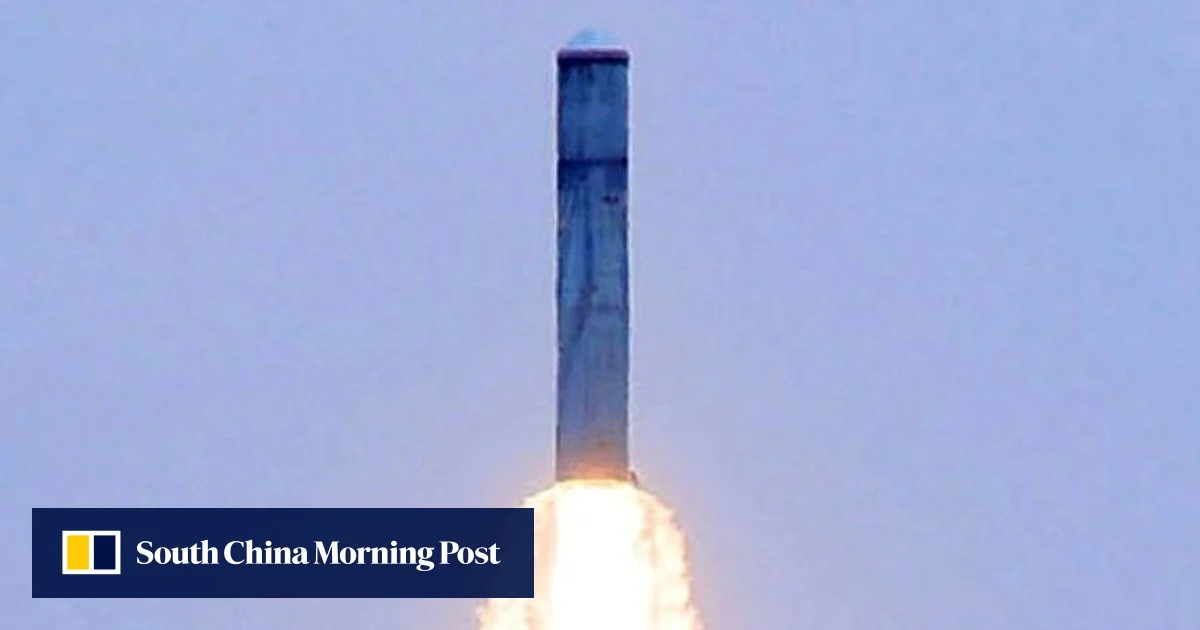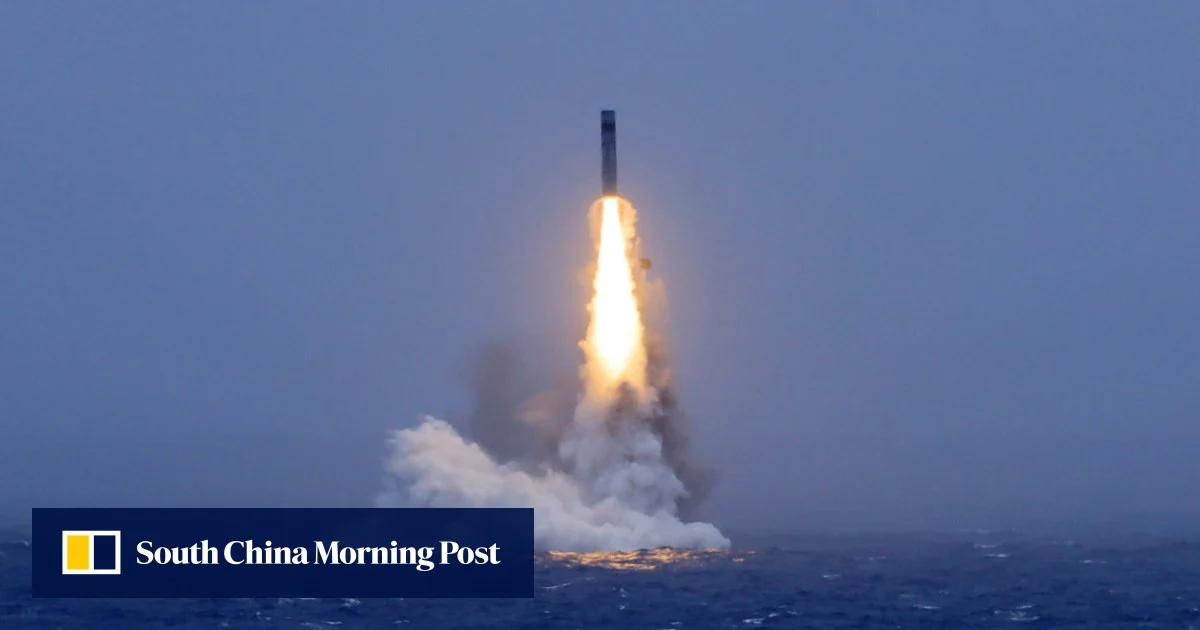
China’s July 6 test launch of an intercontinental ballistic missile into the Pacific – occurring on the very day Australia and Fiji signed their historic Ocean of Peace Alliance – exposes a deepening contradiction in regional diplomacy.For years, Pacific Islands Forum leaders have championed the “ocean of peace” concept, seeking to keep the Pacific free from great-power militarisation. Yet, Beijing’s decision to use the region as a proving ground for strategic deterrence demonstrates how easily small island states’ diplomatic agency can be sidelined by external security manoeuvres.While Chinese officials characterised the launch as routine, the strategic message was unmistakable: major-power rivalry is increasingly spilling into the South Pacific. The tragedy for Pacific nations is that while they prioritise non-traditional security threats – climate change, sea-level rise, economic resilience and digital infrastructure – external powers continue to project hard military power across their waters.To preserve the “ocean of peace” as a meaningful governance framework rather than an empty slogan, two things must happen. First, Pacific Islands nations must exercise collective gatekeeping, ensuring that any bilateral security arrangement or military activity undergoes regional consultation.Second, external powers – including China, the United States and Australia – must align their security engagements with Pacific-defined priorities, such as maritime domain awareness, disaster response and infrastructure resilience, rather than unilateral force projection.Without clear rules constraining major-power military behaviour, the Pacific risks becoming a theatre for zero-sum confrontation rather than a sanctuary of peace.
Letters | Missile test shows major-power rivalry is spilling into the Pacific
Readers discuss the fallout of China’s recent missile test, the massive protests in India sparked by exam irregularities, and dwindling sales at the Hong Kong Book Fair.
237 words~1 min read