Get the latest news and updates from Dawn
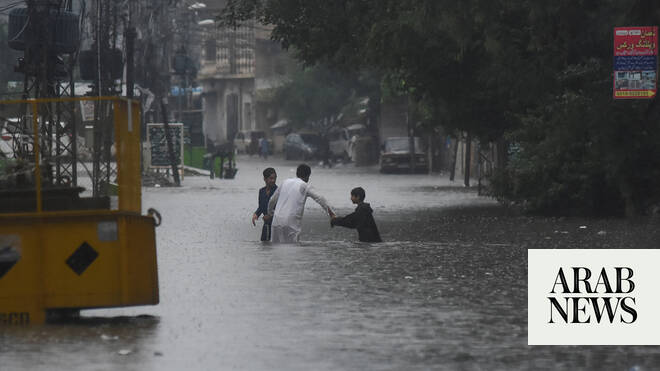
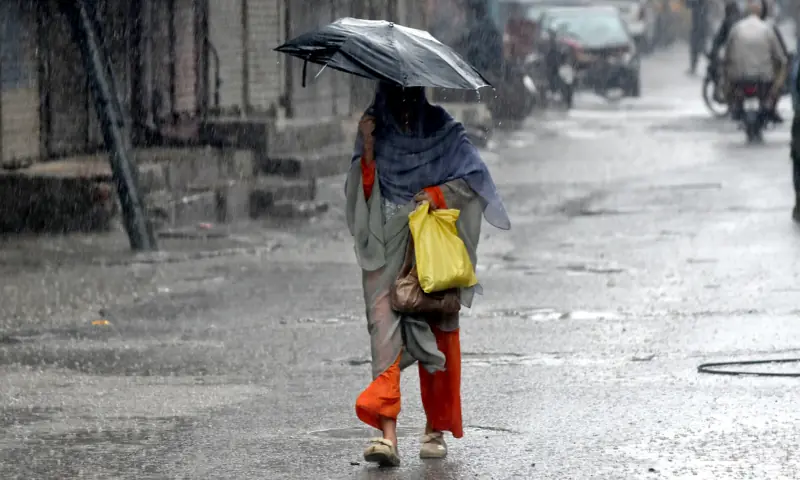
EVEN as Pakistan counts around 100 deaths since the onset of the monsoon season on June 26, it is bracing for another spell of heavy rain. The Met Office has forecast widespread rain and thunderstorms through July 28, while the NDMA has warned of rising river levels, flash floods, urban flooding and landslides across large parts of the country.
From Gilgit-Baltistan, where glacial lake outburst floods have severed roads, left tourists stranded and disrupted electricity to Punjab’s inundated cities and swelling rivers, Pakistan is confronting a nationwide emergency rather than a handful of isolated weather events.
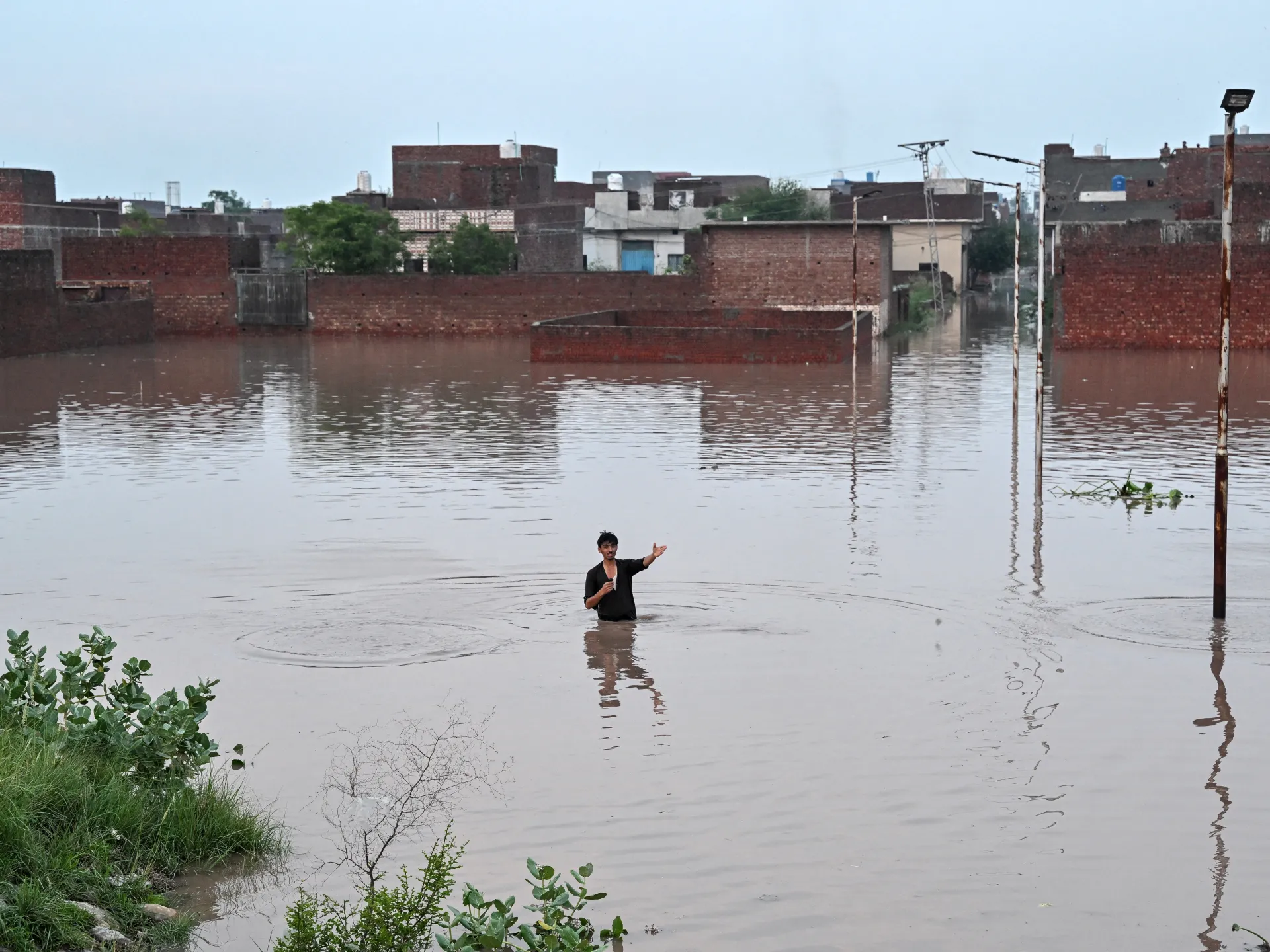
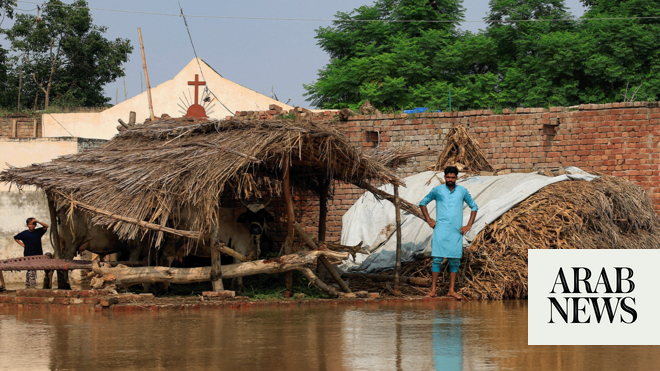
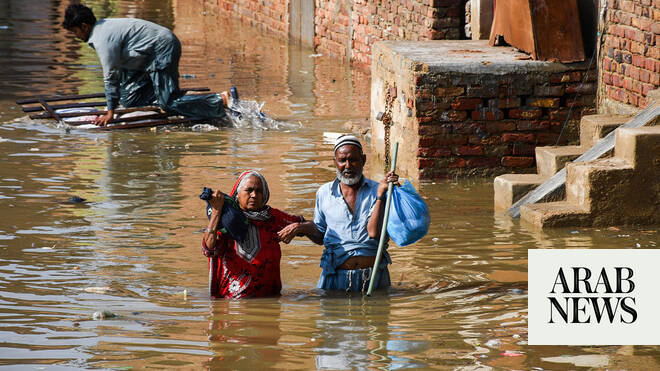
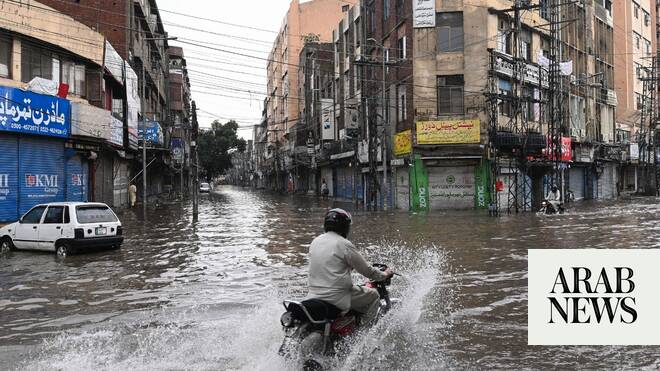
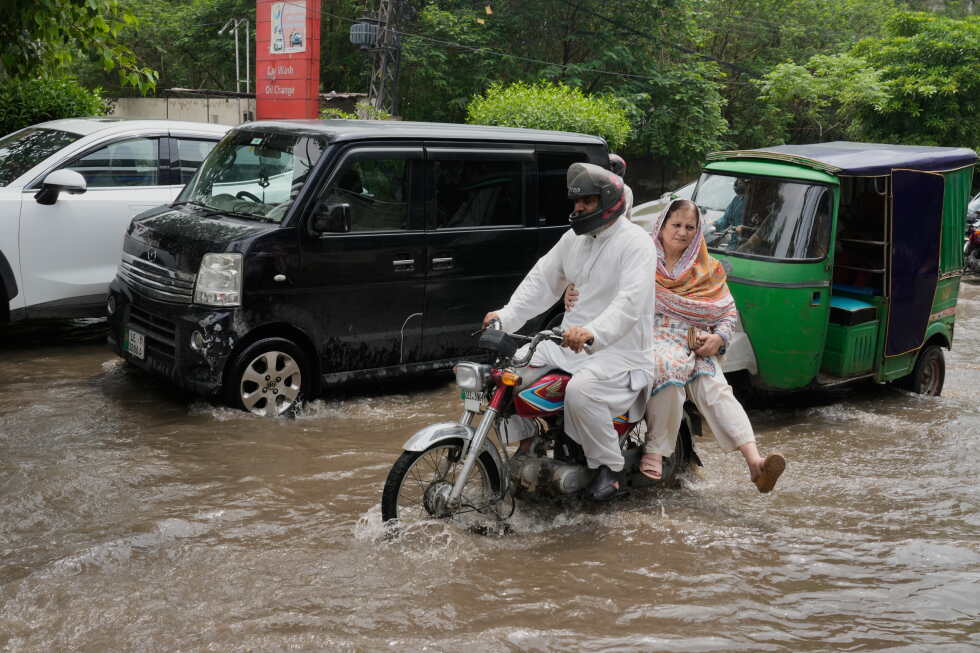
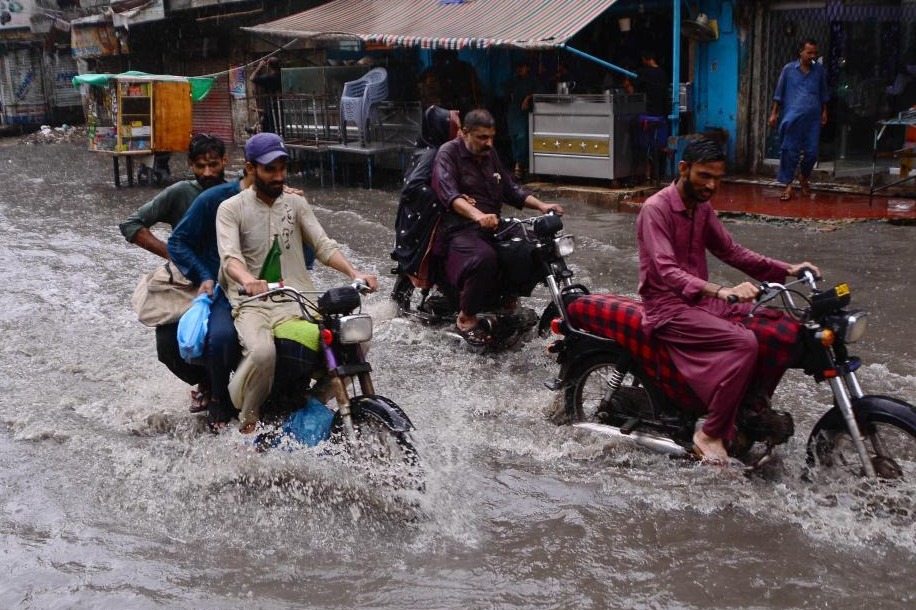
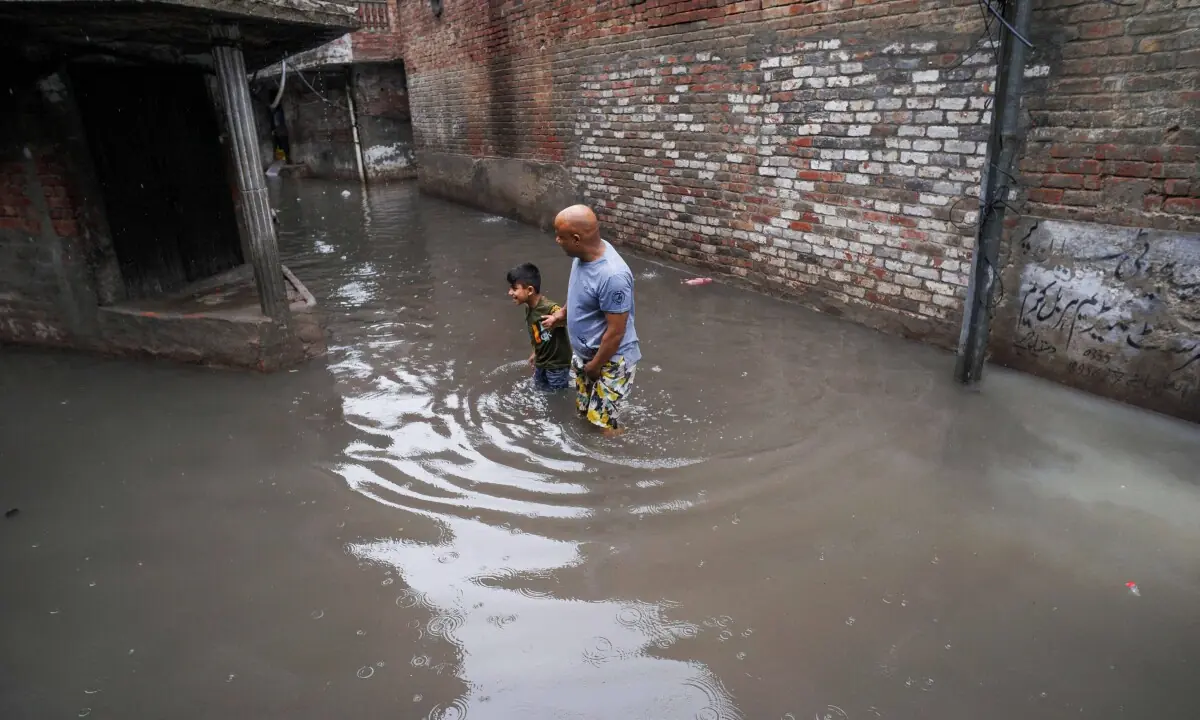
Lahore has recorded its heaviest rainfall of the season so far, Gujranwala and Sialkot have witnessed extensive flooding, while roads, homes, crops, livestock and public infrastructure have suffered much damage. We are reminded once more of how quickly a weather emergency can become a humanitarian one.
The lesson of the devastating 2022 floods was that climate adaptation must become a permanent function of government. Four years later, many of the same weaknesses persist. Every monsoon exposes clogged drains, encroachments on waterways, fragile buildings, poorly maintained roads, fragmented institutions and delayed relief. Official claims of improved drainage and successful desilting deserve recognition where they have demonstrably reduced waterlogging, but they also warrant scrutiny when major roads remain submerged, sinkholes appear after heavy rain, communities are cut off for days and residents are left to empty flooded homes with buckets.