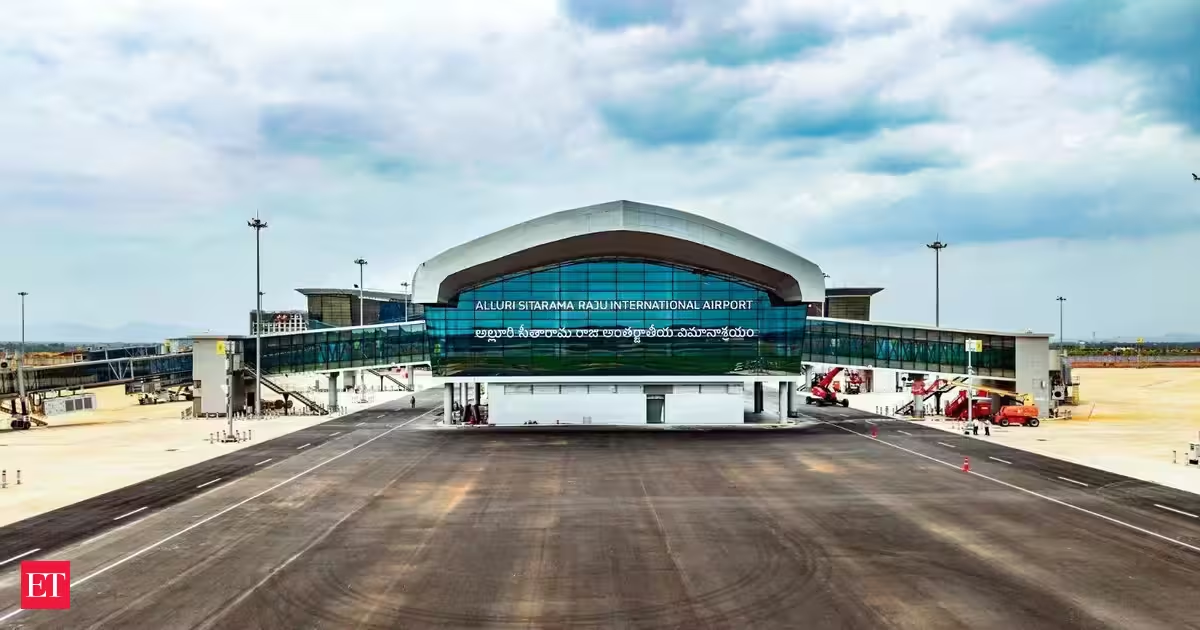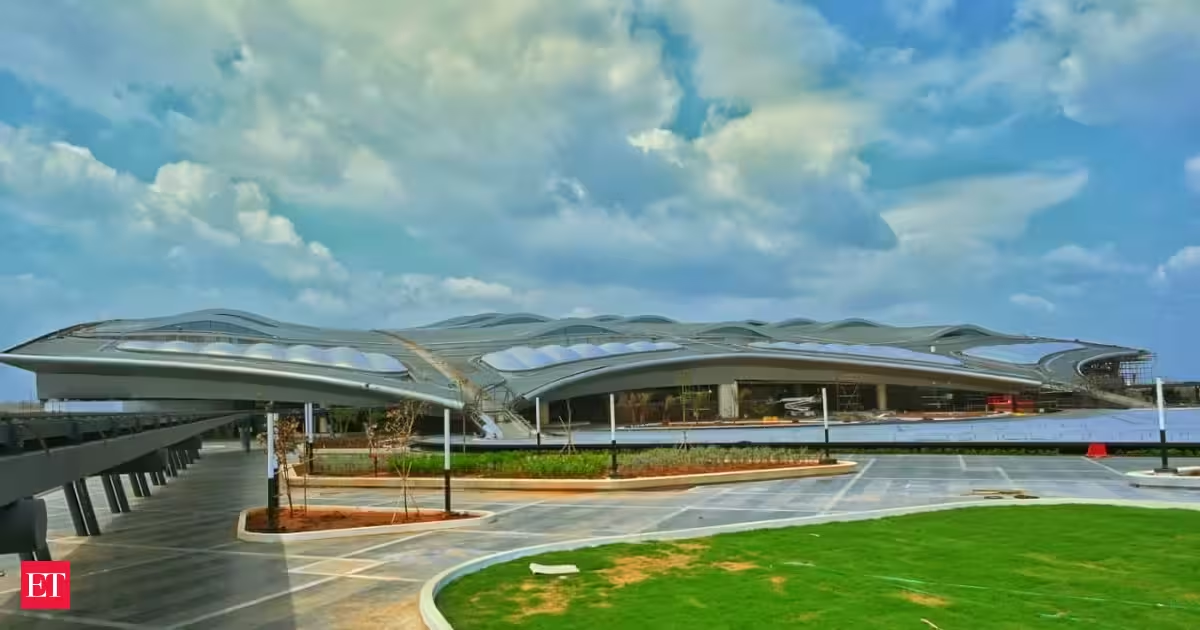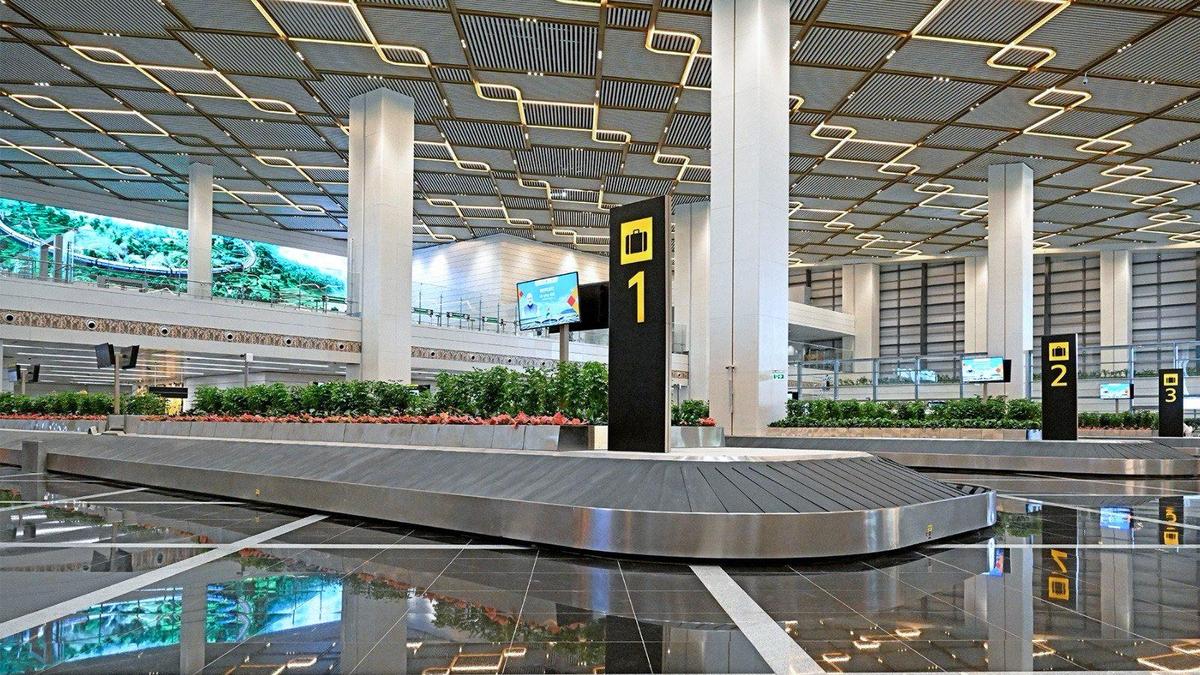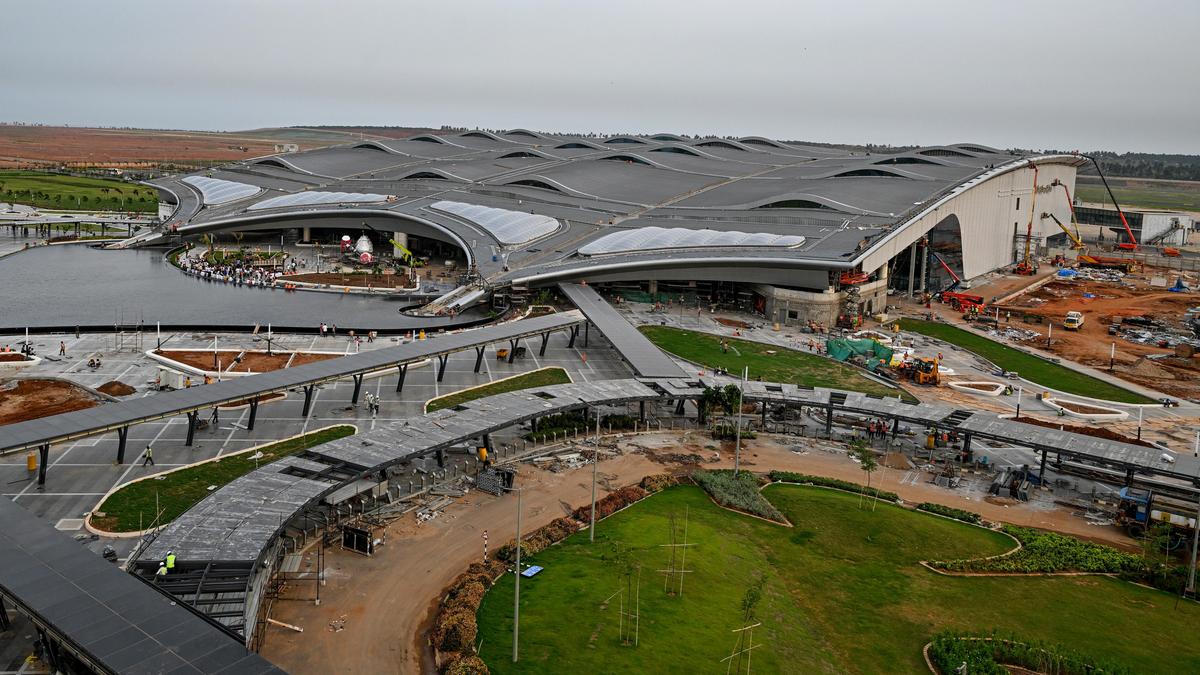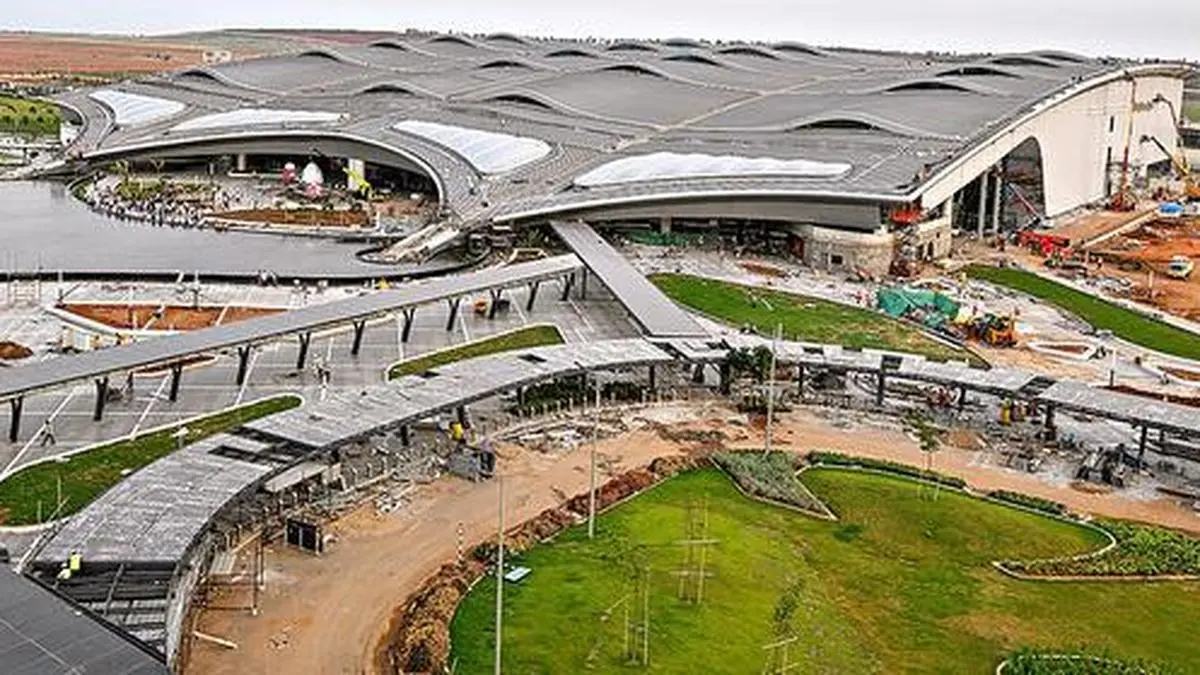
The Alluri Sitarama Raju International Airport in Bhogapuram, Vizianagaram district
| Photo Credit:
With the greenfield Bhogapuram airport, near Visakhapatnam, set to be inaugurated on August 1 by Prime Minister Narendra Modi, comparisons have again surfaced between Andhra Pradesh’s flagship aviation project and the proposed Parandur airport, near Chennai.While both airports in southern India were conceived to meet the rising demand for aviation services, their timelines have diverged sharply because of the nature of the land identified for acquisition and the challenges that followed.Bhogapuram, which has secured its aerodrome licence and is ready for commercial operations, received the site clearance from the Centre in 2016. The Andhra Pradesh government awarded the concession to GMR Airports in 2020, the foundation stone was laid in May 2023, and the construction was completed in about three years.Parandur, in contrast, remains in the pre-construction stage despite the then Tamil Nadu government deciding on the site in 2022 and receiving the Centre’s in-principle approval in 2023. The State is yet to complete land acquisition, appoint a developer or commence construction.The new government, headed by Tamilaga Vettri Kazhagam, is going slow on the project as its leader and Chief Minister C Joseph Vijay had supported the villagers of Parandur in opposing the greenfield project. This was also a stepping stone for his entry into politics.Hurdles on landThe Bhogapuram site largely comprises dry agricultural land, government land and scrubland with fewer habitations, making land acquisition primarily an exercise in compensation and rehabilitation.At Parandur, on the other hand, at stake are nearly 5,000 acres of fertile irrigated farmland, wetlands and irrigation tanks spread across 13 villages. The project has faced sustained opposition from locals over the looming loss of multi-crop agricultural land, the disruption of irrigation systems and the ecological role of the interconnected wetlands that serve as flood buffers.The complexity inherent in acquiring environmentally sensitive and densely cultivated land has slowed the project.Officials familiar with both projects emphasised that it was like “comparing apples and oranges”, given the vastly different land acquisition challenges. However, they acknowledged that the two projects continue to be viewed as benchmarks for infrastructure execution in southern India.J Krishnan, partner at S Natesa Iyer Logistics LLP, said Andhra Pradesh’s approach to site selection had helped it avoid controversies right from the early stage.“The Andhra Pradesh government’s initial search and identification of the airport land was methodical and the search committee eschewed any controversy likely to surface by interested groups. This ensured the project did not face major implementation delays,” he said.Loss of businessParandur has attracted environmental and livelihood concerns from day one, he pointed out. “The dense industrial and urban activity around Chennai has made identifying a new airport site particularly challenging. Differences are bound to surface even if alternative locations are identified,” he added.Industry stakeholders also stressed the economic implications of the delay.Sharmindar Saravanan, Managing Director of SSK Smart Move Logistics Pvt Ltd, said Chennai’s air cargo ecosystem is facing congestion, infrastructure limitations and lengthy processing times, prompting exporters and freight forwarders to consider routing cargo through Bengaluru, Hyderabad or Kochi.“This is not merely a logistics issue — it is an economic competitiveness issue. If exporters continue shifting cargo to neighbouring States, Tamil Nadu risks losing business despite having one of India’s largest manufacturing bases,” he said.He argued that Parandur is strategically important for the State’s long-term industrial growth, investment attraction and export competitiveness.Dinesh K Krishnan, Managing Director of United Shipping Services Pvt Ltd, said any major airport infrastructure should be viewed as a long-term strategic asset insulated from political changes.“The trade community spent countless man-hours working alongside State agencies like TIDCO to shape the Parandur project. Extensive socio-economic, environmental and technical studies were completed to secure key regulatory clearances. To see the project paused or shelved without even a review meeting with trade stakeholders is deeply disappointing,” he said.He cautioned that Chennai’s rapid industrial expansion requires additional passenger and cargo capacity to avoid future saturation, adding that prolonged delays could strengthen competing aviation hubs in Karnataka and Andhra Pradesh.The contrasting experiences of the two airport projects underscore the fact that regulatory approvals alone do not determine the pace of large infrastructure development. The ability to complete land acquisition, rehabilitation and developer selection remains the decisive factor in moving projects from planning to execution stage.Bhogapuram demonstrates that once these milestones are achieved, a greenfield airport can be completed in about three years. But nearly four years after Parandur was identified as the preferred site, Chennai’s second airport is nowhere near the finishing line.Published on July 27, 2026