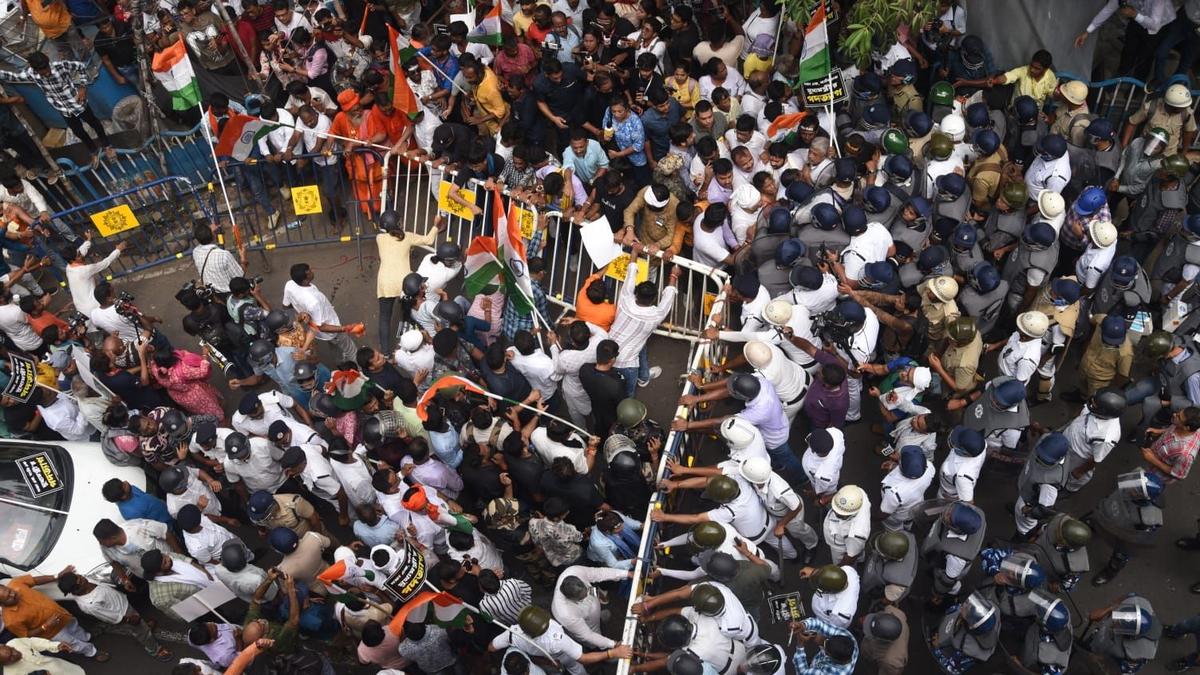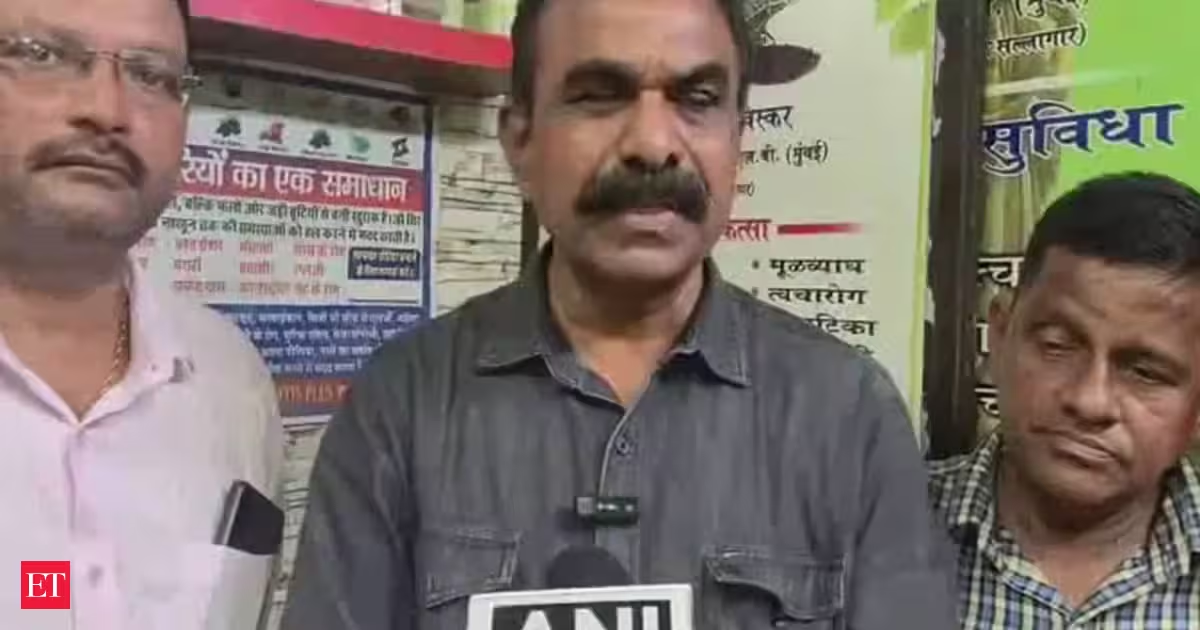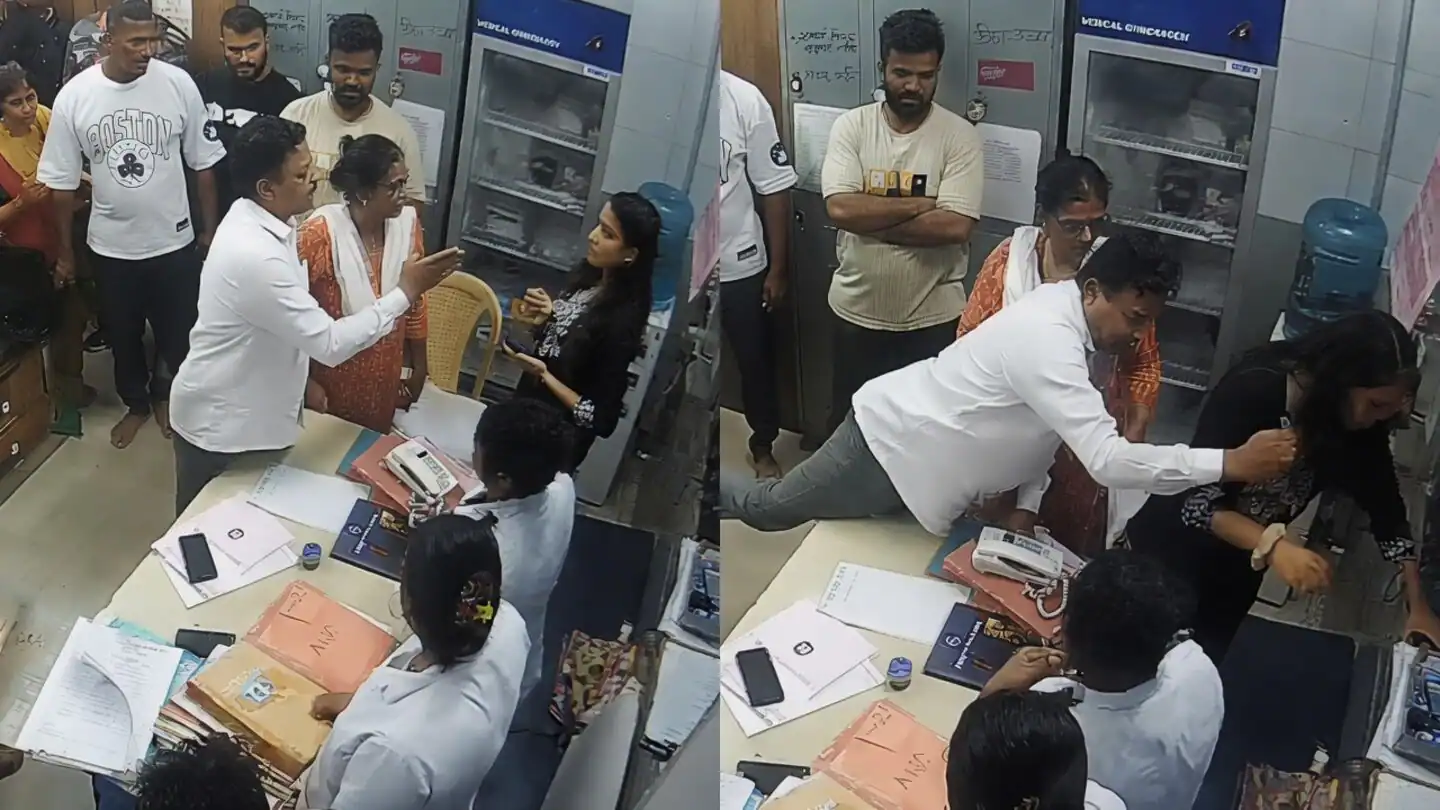
A recent video showing a political representative in an altercation with medical staff, including seemingly raising his hand on a female doctor, at a hospital in Dombivli, near Mumbai, has sparked widespread outrage, especially among the country’s medical fraternity.The incident — barely two years after a young trainee doctor was allegedly raped and killed at the RG Kar Hospital in Kolkata — serves as a grim reminder of the violence doctors continue to face. The shocking crime had pushed doctors to demand measures to make hospitals a safe zone, including deployment of security personnel and, CCTVs, and a Central Act to safeguard medical staff against violence.And yet, multiple incidents of assaults on doctors in the ensuing months, including one as recently as in June at a hospital in Rajasthan and in July at Dombivli, have shown that the needle has not moved much when it comes to ensuring the personal safety of doctors, nurses and other medical staff against a rising tide of violence from attendants of patients.Vinita (name changed on request), a resident doctor at a government medical college hospital, says doctors face the ire of the people accompanying patients for reasons that may be beyond their control. For example, she says, at any point there may be two or three doctors at the hospital’s emergency room, which is overloaded with about 50 people. When doctors prioritise those needing immediate attention, it attracts complaints from those who may have arrived earlier with minor injuries, she explains. “At such times we are subjected to verbal abuse,” she says, adding that they call the hospital’s security guards for help.Feminisation of workforceDr RV Asokan, former president of Indian Medical Association (IMA), points out that the profession is “feminising” — about 60 per cent of the doctors in the country are women. Hospitals need to become sensitive and safe workplaces for them, he says, adding that nothing really has changed on the ground. Often doctors are blamed for administrative shortcomings, such as the absence of a specific facility needed to treat a particular condition, he said.In the Dombivli Shastrinagar Municipal Hospital case, for instance, reports indicate that a pregnant lady had been advised to approach another government hospital for aneonatal ICU facility on a day Mumbai witnessed heavy rains. The corporator accused of the assault, whose bail has since been cancelled by the Bombay High Court, had told mediapersons that he stepped into the picture to ensure the pregnant lady got the necessary care. He denied attacking the female doctor, and sought to clarify that he was merely knocking the phone out of her hand.Media reports said that two of the doctors who bore the brunt of the attack have resigned fearing for their safety. Safe zonesSometimes, even the act of communicating a difficult situation to a patient’s family turns into a tense moment, says a female doctor, adding that it calls for handling the situation with sensitivity, empathy and calm nerves.This is where clinical training matters, and it can come not from textbooks but ward rounds only, says Asokan. The more the number of patients young doctors see, the better they become at handling difficult situations and communicating bad news to families, he says. “The art of medicine is learnt at the bedside,” he says. He points to the “inhuman” workload on resident doctors — over 100 hours at times, which adds to the doctor’s stress. This certainly can be regulated, he adds. Indranil Deshmukh, National Secretary of the IMA Junior Doctors Network, reminds authorities about their commitment to making hospitals “safe zones”. There are incidents of violence against healthcare practitioners every other day, he says, calling for a Central Act to provide uniform protection to medical staff across the country, and fast-track courts and clear penalties for those attacking hospital staff and infrastructure. While hospitals in cities and metros may be able to install CCTVs for their protection, there is a need to ensure a safe working environment for healthcare practitioners at the primary health centres located in remote areas, Deshmukh says. Published on July 27, 2026
RG Kar violence and after: Unfinished task of keeping hospitals safe
Two years after RG Kar violence, incidents highlight ongoing safety concerns for medical staff amid rising aggression in hospitals.
676 words~3 min read