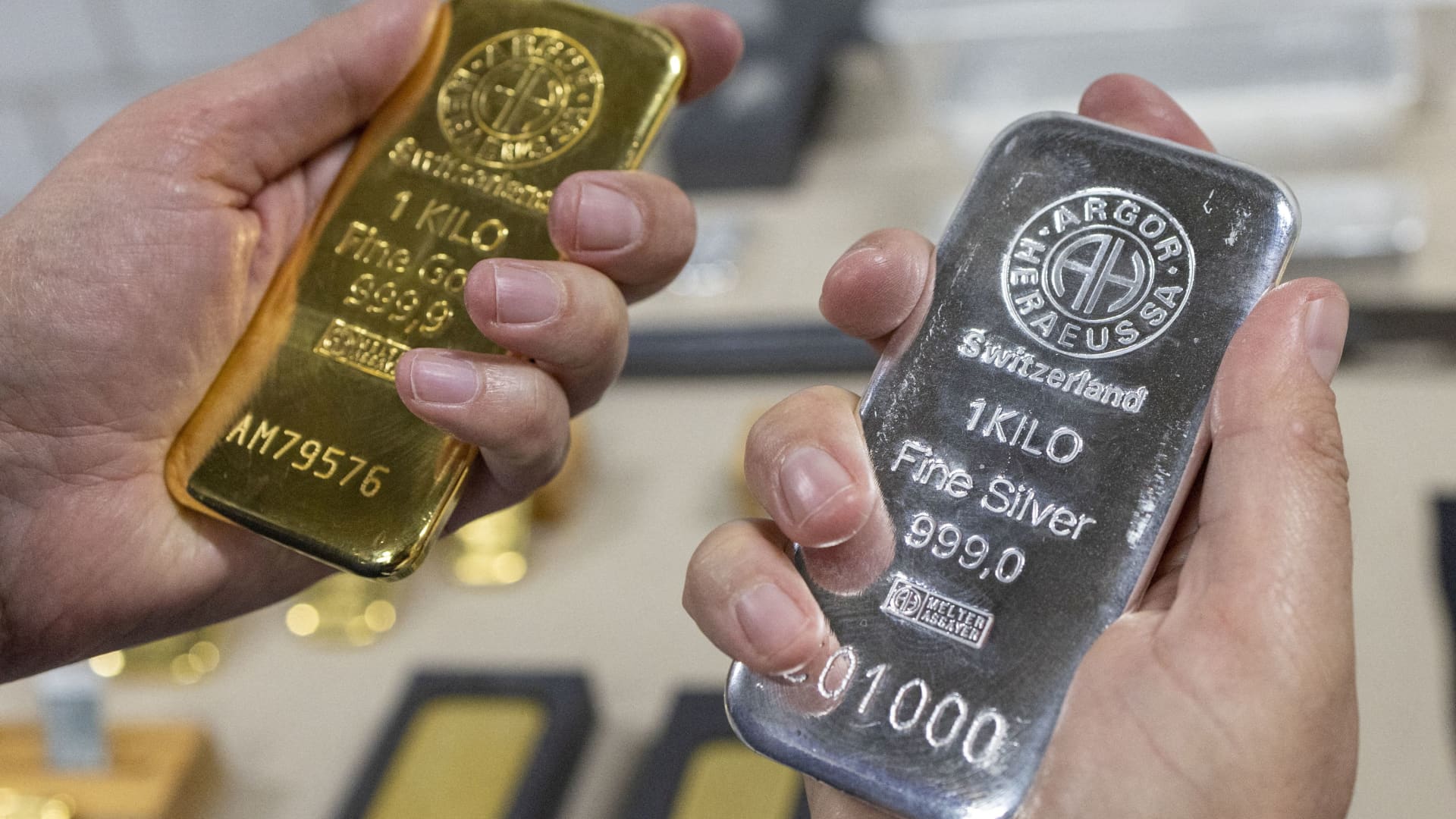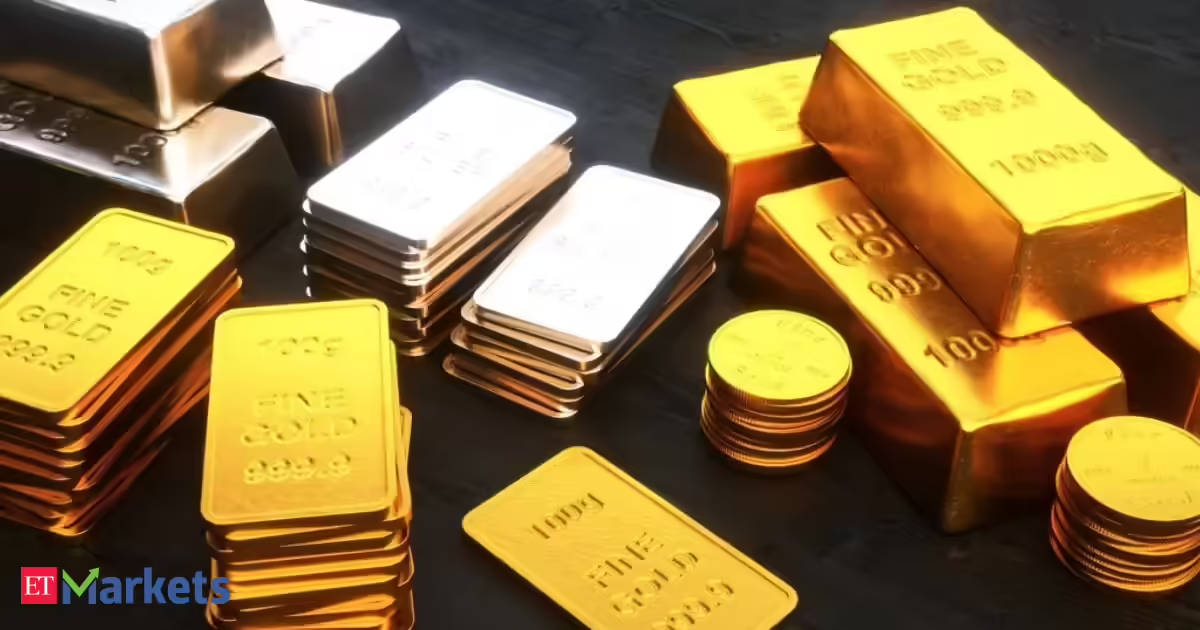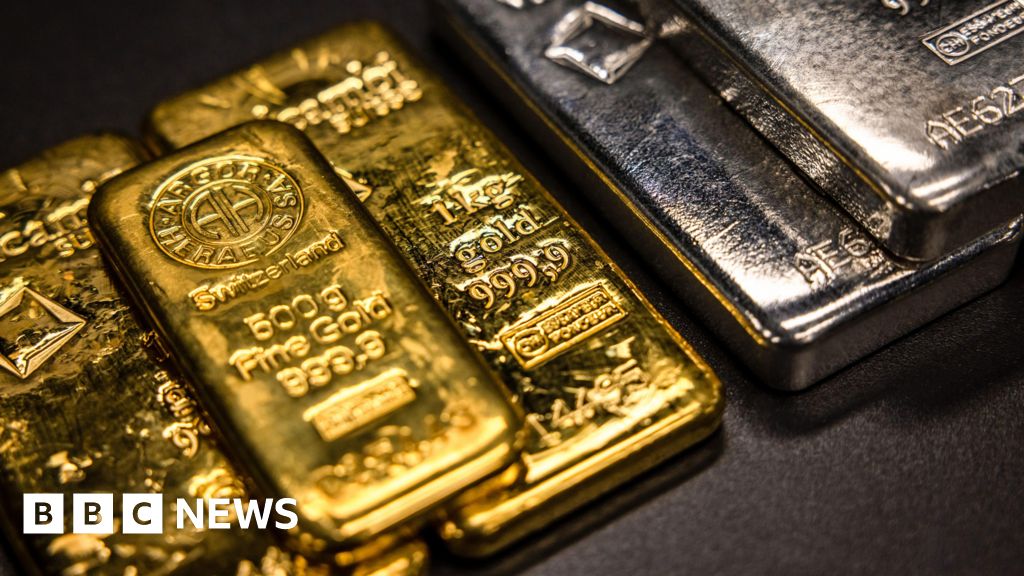
When sentiment sours, it makes any asset class look ordinary. For gold and silver, this is one such moment. Everyone’s hot favourites in January, these precious metals have lost their sheen. Amid the sound of war drums, both gold and silver have uncharacteristically retreated from their lofty perch. From its peak on 29 January, gold has fallen nearly 20%, from Rs.1,75,000 per 10 gm to Rs.1,41,800 per 10 gm. Silver has taken a bigger beating. Its price has fallen by 45%, from Rs.3,96,000 per kg to Rs.2,19,500 per kg. The FOMO (fear of missing out) crowds have long vanished, licking their wounds. Gold exchange-traded funds (ETFs) have seen net inflows plummet from a record Rs.24,000 crore in January to net outflows of Rs.725 crore in May, before seeing net inflows of Rs.3,400 crore in June. Silver ETFs saw net outflows for four consecutive months, from February to May, before recovering in June. When will the safe-haven assets find their footing again?Safe havens in retreatGold and silver put on a show of resilience in 2024 and 2025 amid market dislocations, cementing their status as safe havens. Both precious metals initially seemed to benefit from the rising “geopolitical risk premium” embedded into their prices. Eventually, speculative, momentum-driven flows drove the prices up vertically. But as the West Asia conflict entrenched itself, disruption in oil supplies pushed oil prices higher, stoking fears of inflation and possible rate hikes. Consequently, a spike in US Treasury yields has pushed the US dollar higher. Both are negative for gold and silver. Investors’ focus has clearly shifted to the anticipated rate hikes by US Federal Reserve, with factors such as central bank gold-buying and industrial silver demand taking a backseat. The precious metals are now more sensitive to the moves in the US dollar. Chirag Mehta, Chief Investment Officer (CIO) , Quantum Mutual Fund, observes, “After an extended rally, profit booking in gold due to rebalancing of portfolio amid stress on other assets, and fundamentally a strengthening of the US dollar and real yields led to a pullback.”Experts insist that the correction is not merely a case of mean reversion in prices. Kunal Valia, Founder, StatLane, a registered research analyst, insists the correction was primarily a rates-driven repricing rather than mean reversion. “Both metals had appreciated at a pace that left little room for disappointment, and when the Federal Reserve adopted a more hawkish stance and real yields moved higher, the opportunity cost of holding non-yielding assets reasserted itself. Crowded positioning then unwound with characteristic speed.” He further remarks that silver’s materially steeper correction reflects its dual identity. It trades as both a monetary asset and an industrial commodity, and during this episode it came under pressure on both fronts.The rise. The reversal
Gold and silver retreat from peaks: Here's what the price reset means for your portfolio - The Economic Times
Gold and silver prices have significantly declined after reaching peaks earlier this year. This correction follows a period of strong gains driven by geopolitical risks and momentum. Experts suggest the current pullback is a normalisation after excesses and not a long-term trend reversal. Long-term fundamentals for gold and silver remain intact, supported by central bank buying and consumer demand.
1,726 words~8 min read