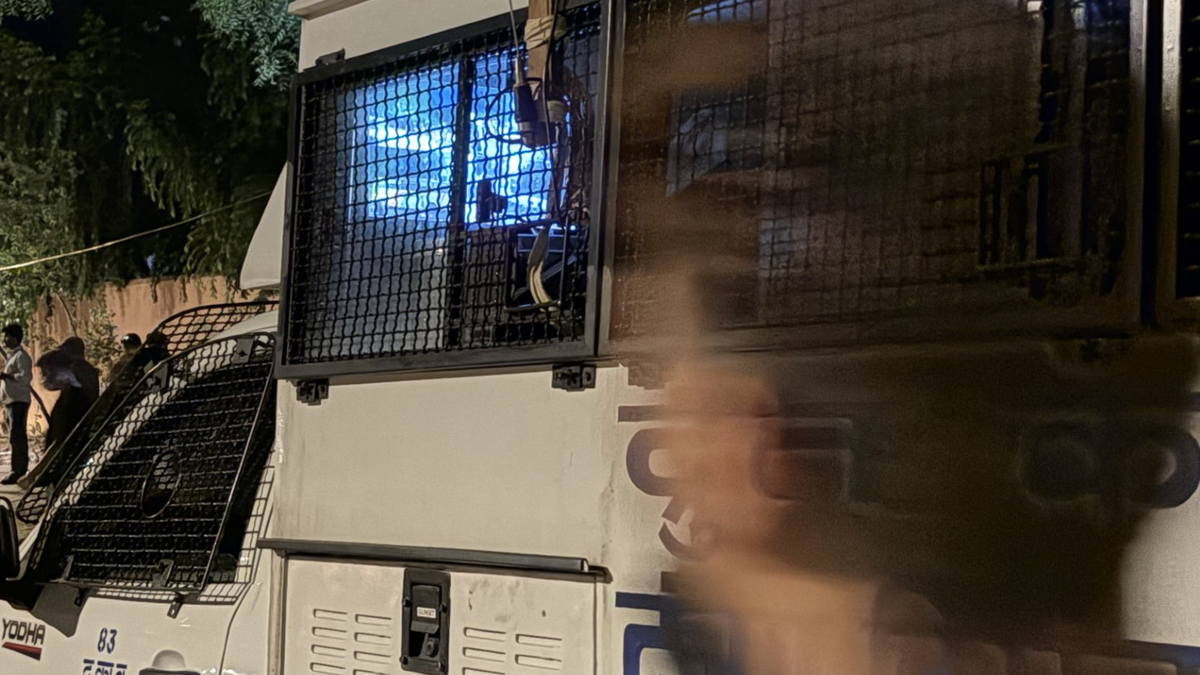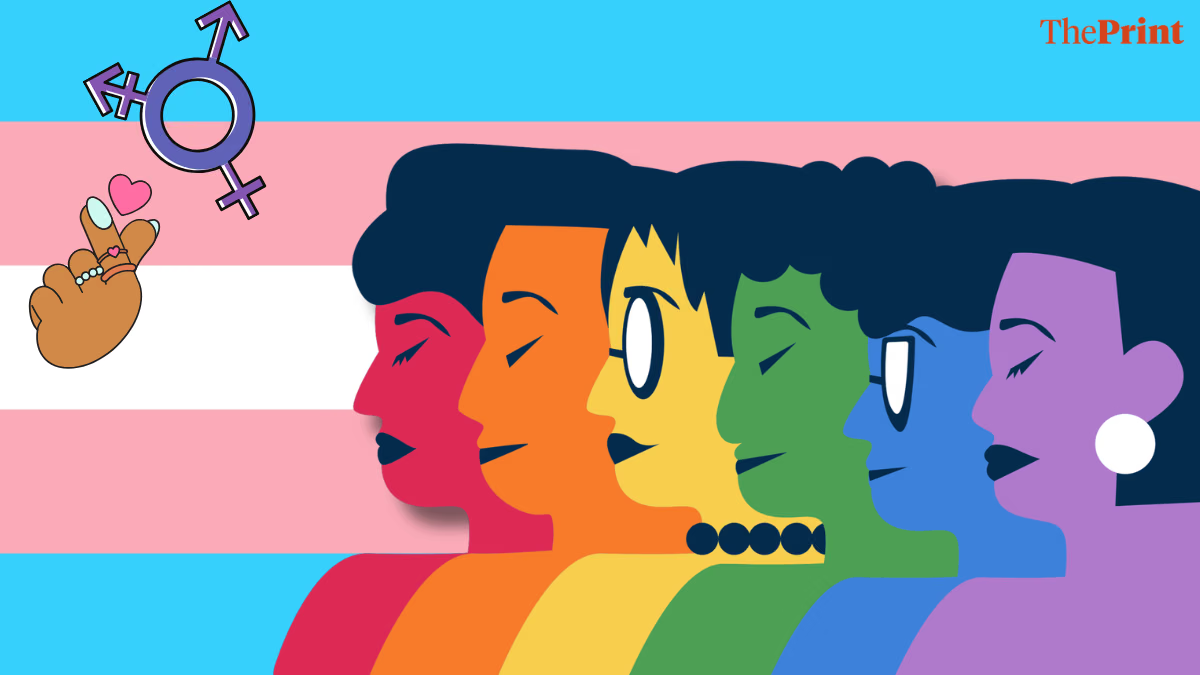
Were the transphobic slogans and placards used at the recently-concluded Cockroach Janta Party-led protest merely an attack on the loud masculinity of those in power? That is the argument from those who think queer people are ‘wokefying’ the matter.
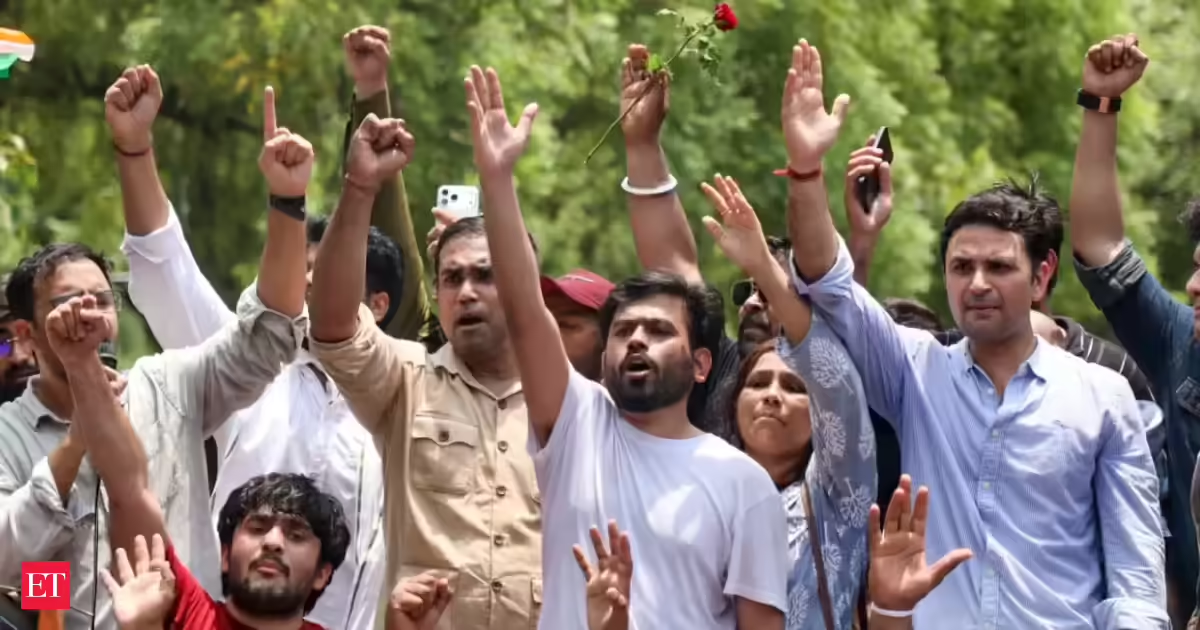
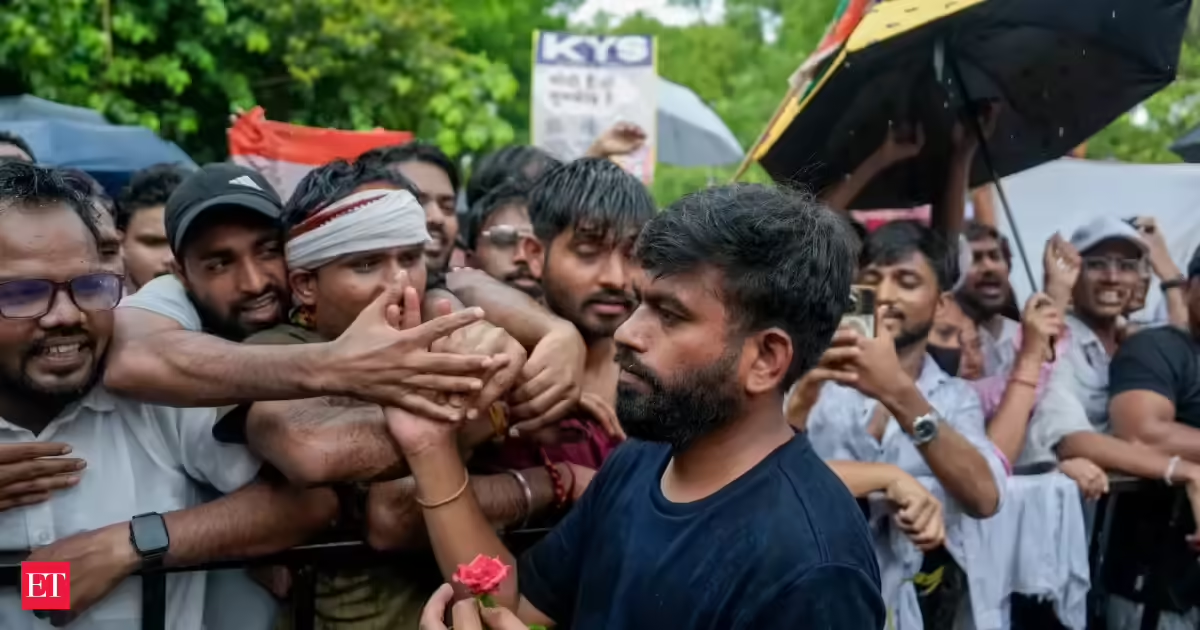
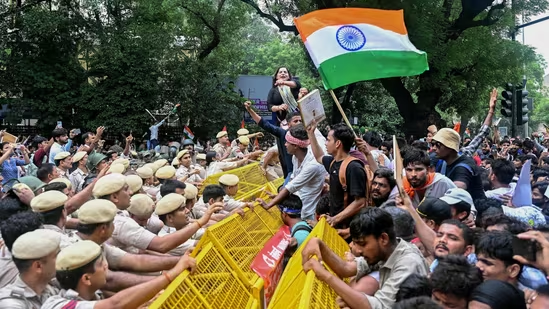
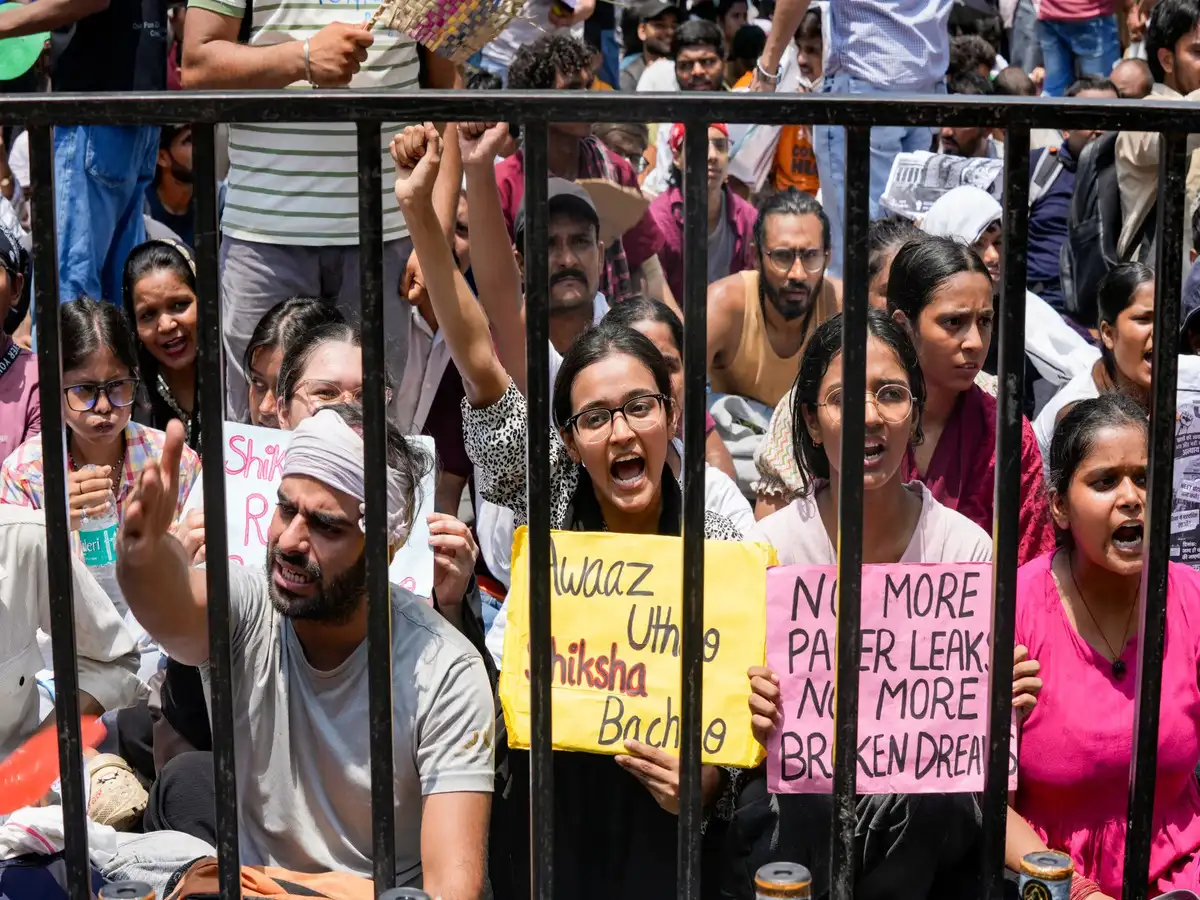
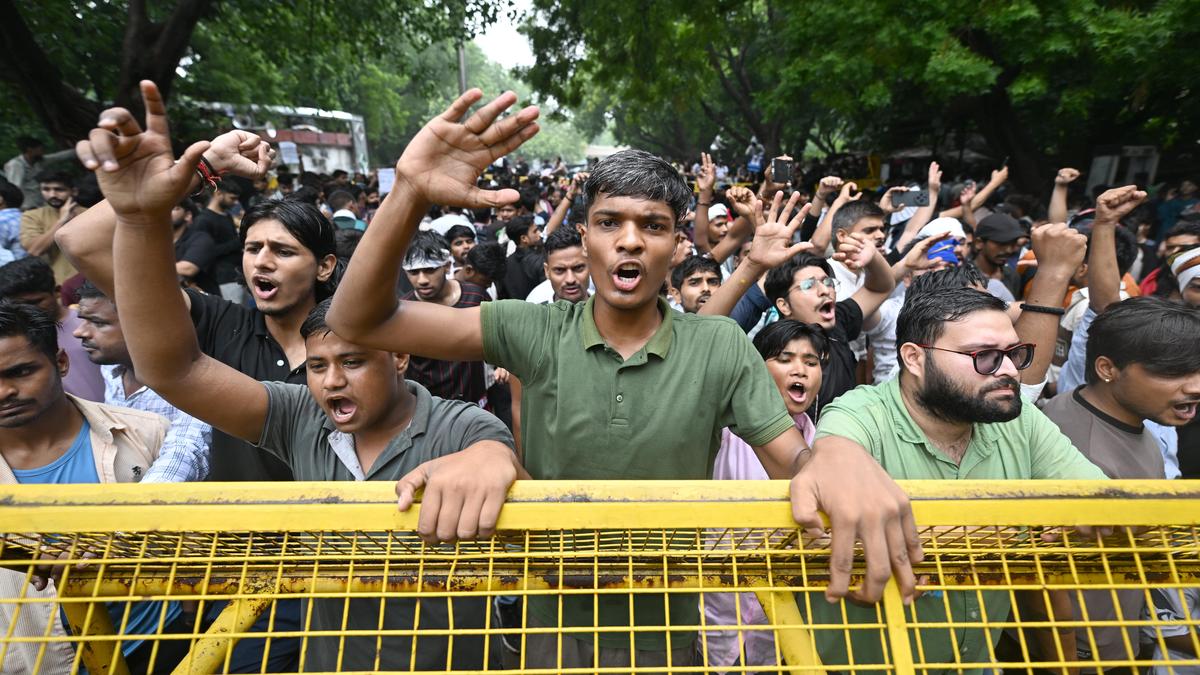
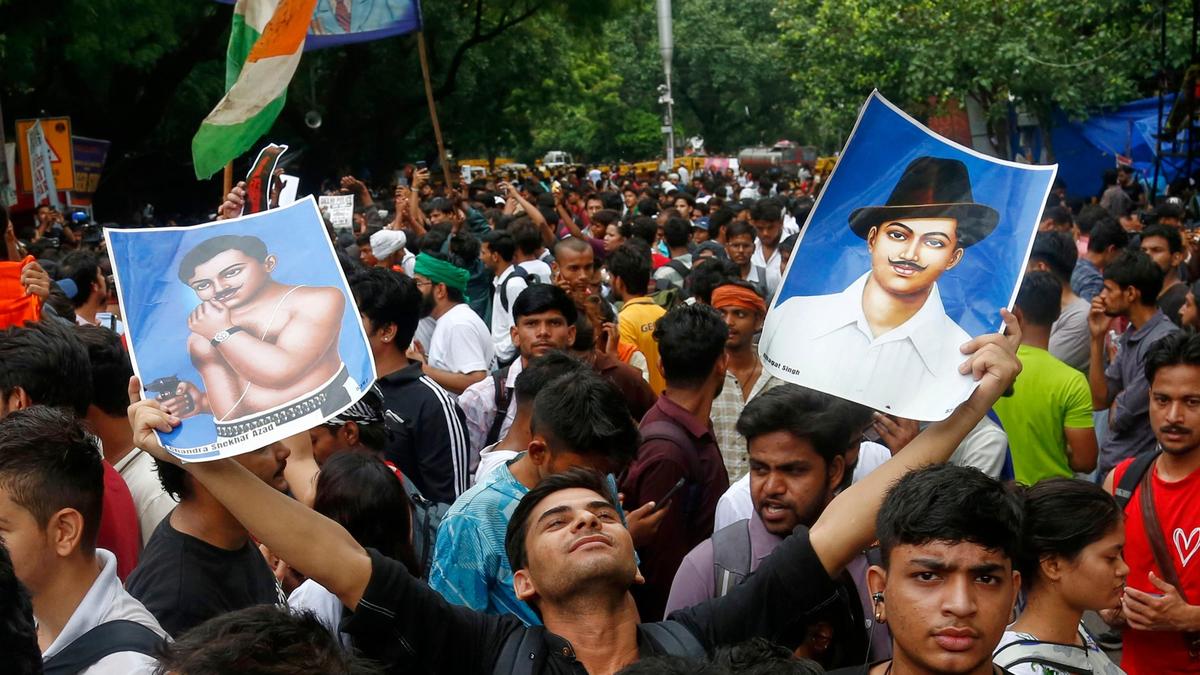
The protest at Jantar Mantar was largely a boys’ club. A colleague remarked that she had never seen such low numbers of women at a protest. While the women who attended declared—with surprise and wonder—that they’ve never felt this safe, a byproduct of the overwhelming testosterone was that femininity and transphobia became a weapon to be deployed against the State.As for the queer participants, the picture is mixed. Some protesters I talked to said they were met with nothing but open acceptance, while others said they faced jokes and taunts. Trans people were celebrated in the reels, and yet, their identity was a slur belted from the throats of jubilant men.
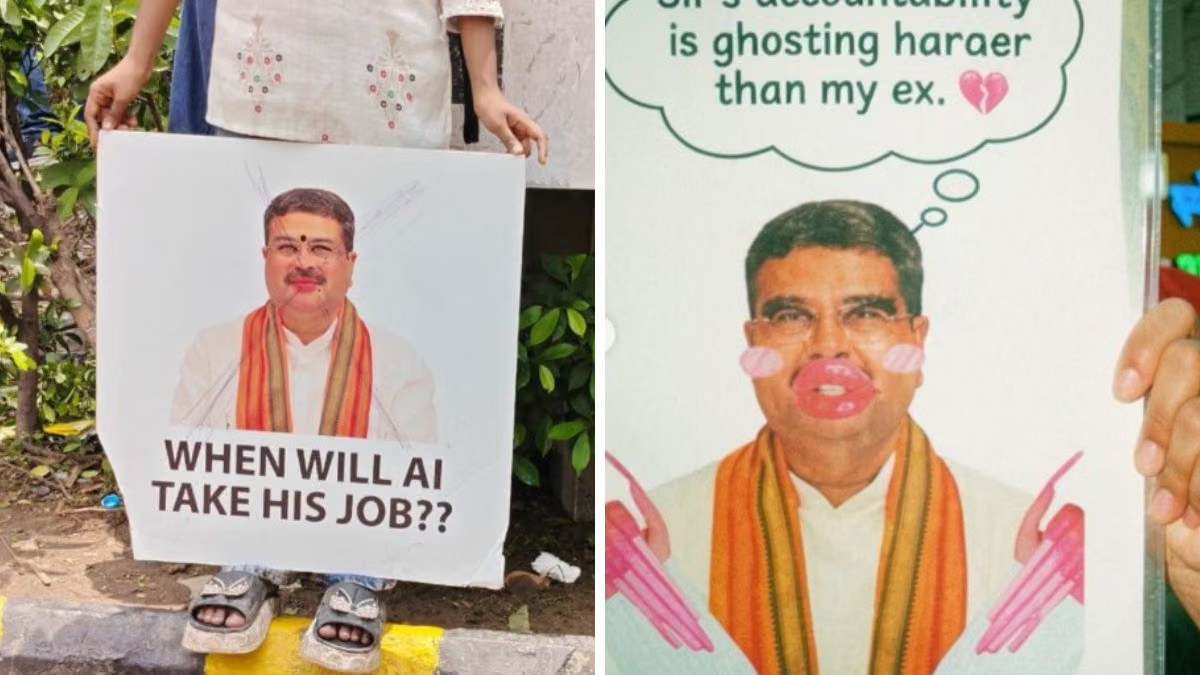
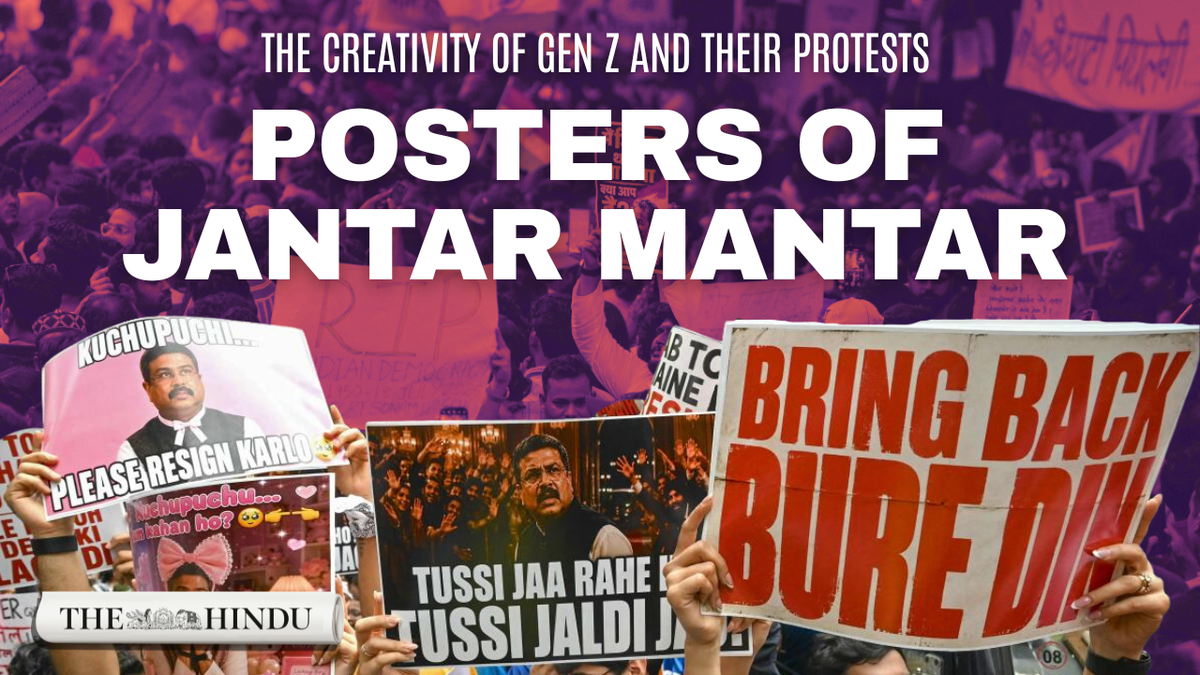
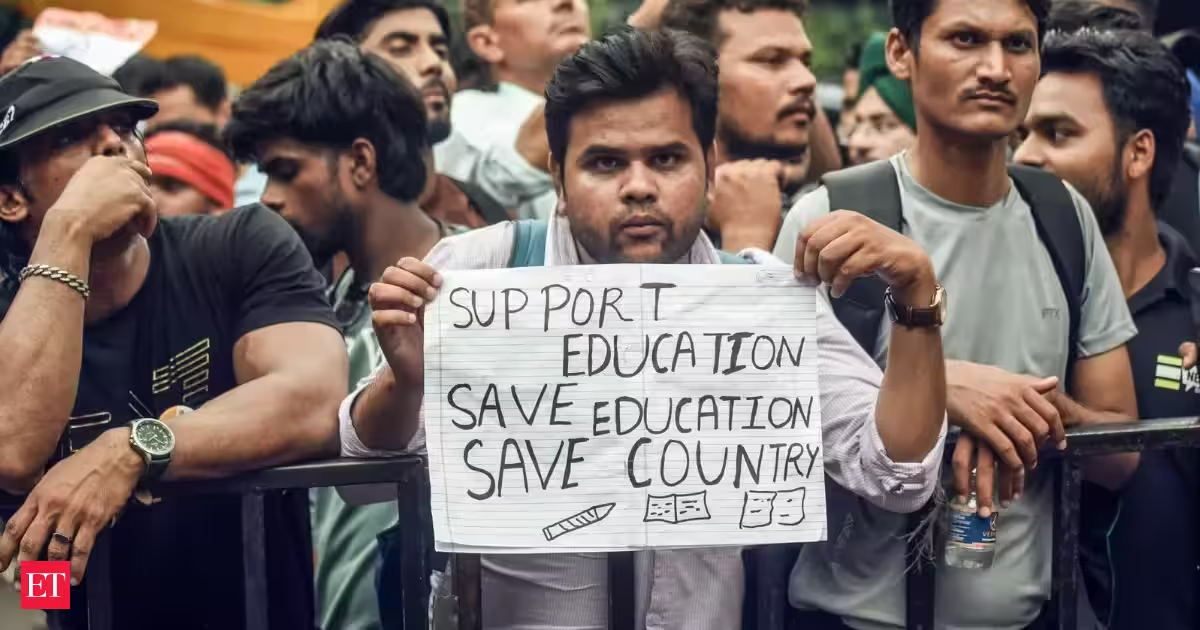
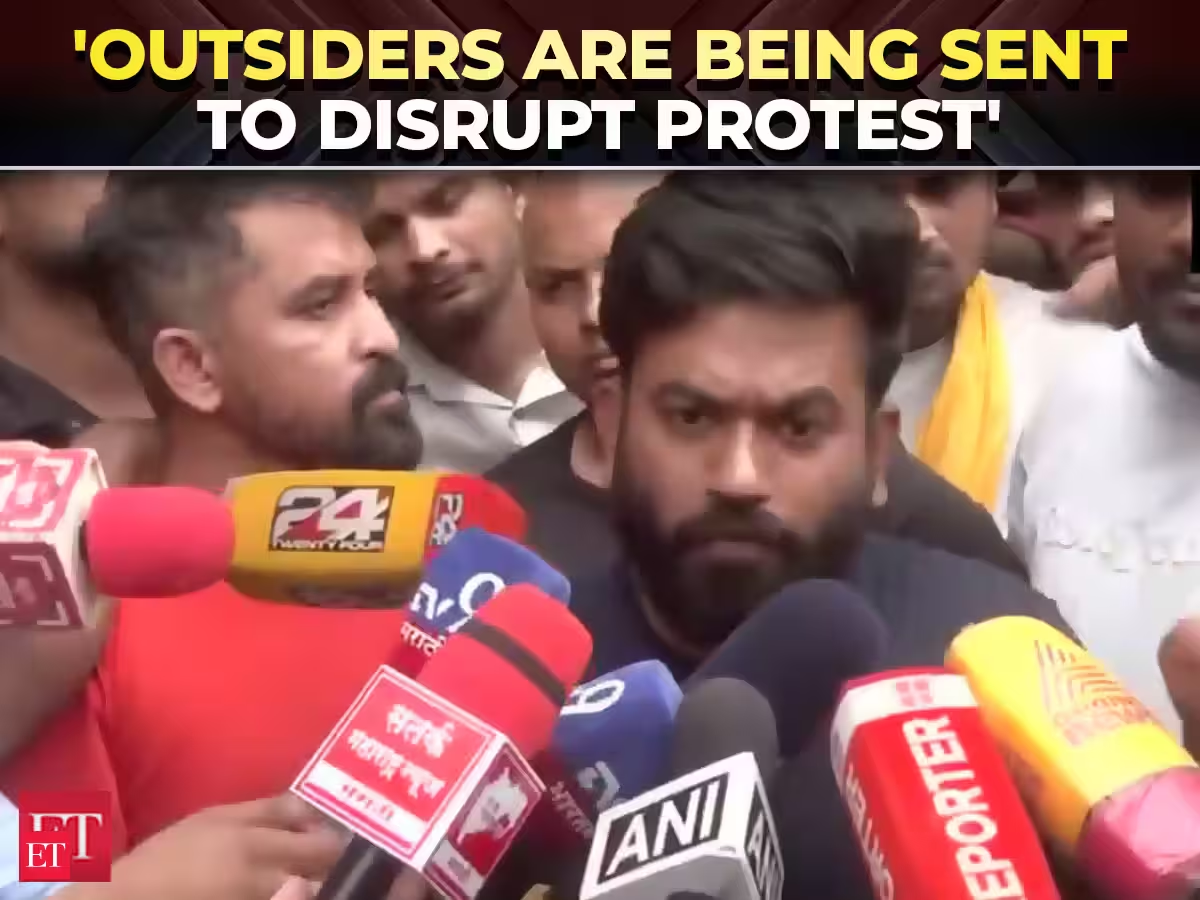
Am I ‘cancelling’ the CJP protests, then? That’s what a commenter said when a colleague called out the use of saris and bangles to mock former education minister Dharmendra Pradhan and Prime Minister Narendra Modi.But I read the protesters’ transphobic language as proof that the movement doesn’t quite realise the mismatch between its words and actions. Demonstrators vehemently claim that their fight is not ‘political’, but their actions are the very definition of the word. Within the space of the protest site, men treated women and queer people as what they were: fellow citizens registering dissent. But the words that made it to chants, memes, and online comments were informed by the same old models of oppression that regulate the world outside of Jantar Mantar.