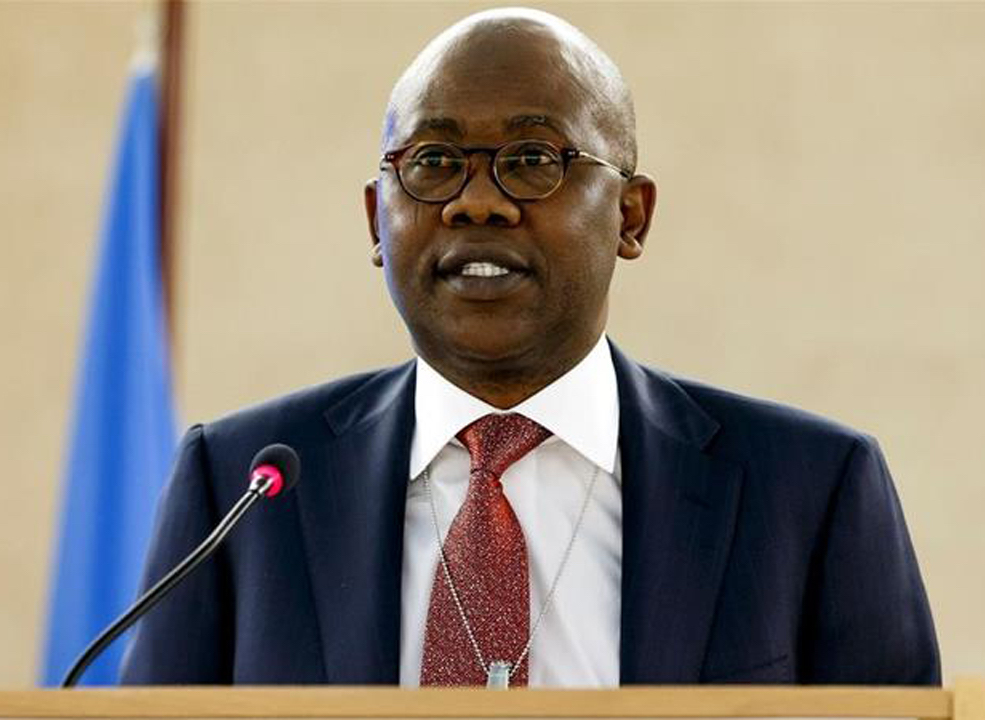
In this interview with EDWARD NNACHI, Dr Bolaji Akinyemi, a public affairs analyst, democracy advocate, human rights activist and social crusader weighs in on the deregistration of the National Democratic Coalition, state of Nigeria’s democracy, role of the judiciary, governance, insecurity, the economy, preparations for the 2027 general elections and more
What implications does the deregistration of the NDC hold for Nigeria’s democracy, political pluralism and the future of opposition politics?
The deregistration of any political party should not be dismissed as a mere administrative exercise. It raises fundamental questions about the health of our democracy, the openness of our political space and the level of confidence citizens have in our electoral institutions. Democracy thrives on competition, inclusion and choice—not on the restriction of political participation. Beyond political parties, however, I am even more concerned about what I describe as the technical deregistration of voters. When citizens who have already registered are required to verify, reactivate or confirm the validity of their Permanent Voter Cards before they can exercise their franchise, it creates the impression that the responsibility for maintaining a credible voters’ register has been transferred to the electorate. In a country where there is already a trust deficit between INEC and the Nigerian people, such processes naturally create anxiety and suspicion. Ultimately, this is about confidence. Every eligible Nigerian must be assured that the right to vote cannot be weakened through administrative or technical procedures. Democracy is strongest when participation is broadened, not when citizens are left uncertain about whether they can still exercise their constitutional rights.