Audio By Vocalize
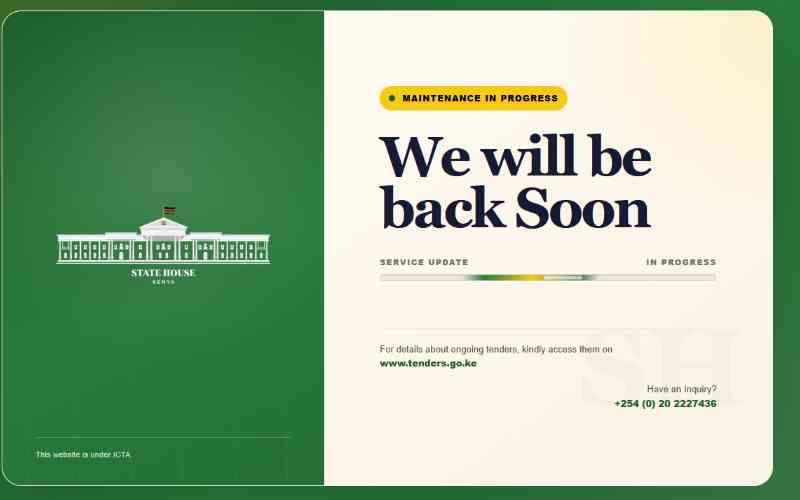
On July 18, 2026, Kenyans who visited president.go.ke did not find the Head of State. They found a ransom note. The official State House homepage had been defaced and replaced with demeaning messages targeting President William Ruto, a cryptocurrency wallet address, and a demand for five bitcoin, roughly Sh41 million.
State House confirmed it was aware of the breach and said its ICT team was working to restore the site.
It was not the first time. In November 2025, president.go.ke went down alongside the ministries of Interior, Health, Education and ICT, the Directorate of Criminal Investigations and the Immigration Department, in a coordinated defacement that scrawled neo-Nazi slogans across government pages.
Two breaches of the presidency's own digital front door inside a year is not bad luck. It is a pattern, and the pattern is the story. Here is the uncomfortable part. On the evidence available so far, the State House defacement looks like a conventional attack: exposed surfaces, weak credentials, opportunistic extortion. No one has claimed it was powered by artificial intelligence, and no responsible analyst should pretend otherwise. But that is precisely why it matters.