If you are still hardcoding tool definitions, JSON schemas, and manual routing logic directly into your AI agent initialization scripts, you are building on quicksand.
For years, early iterations of agentic frameworks forced developers to hardcode capabilities right into the core application loop. This static paradigm mirrors the early days of web development, where every HTML page, script tag, and stylesheet route had to be manually declared and compiled into monolithic binaries. But as modern systems scale toward distributed agentic mesh networks, static tool binding creates a brittle architecture. The moment an external API schema updates or a new microservice spins up, your entire agent collapses.
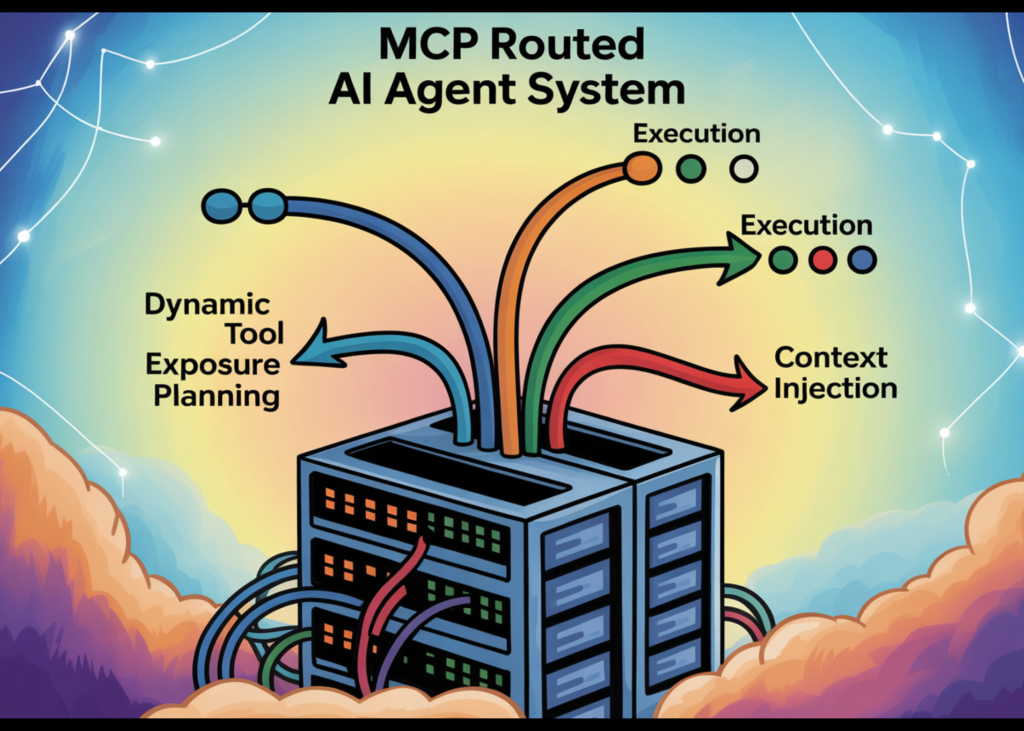
The solution? A paradigm shift away from static prompt engineering and toward Model Context Protocol (MCP) combined with Zod runtime schema validation.
In this deep dive, we are going to tear down the legacy ways of building AI agents and rebuild them using enterprise-grade, distributed patterns. You will learn how to decouple your Large Language Model (LLM) reasoning engine from external capabilities, leverage dynamic runtime tool discovery, prevent LLM hallucinations from destroying your database, and execute parallel tool calls safely in TypeScript.