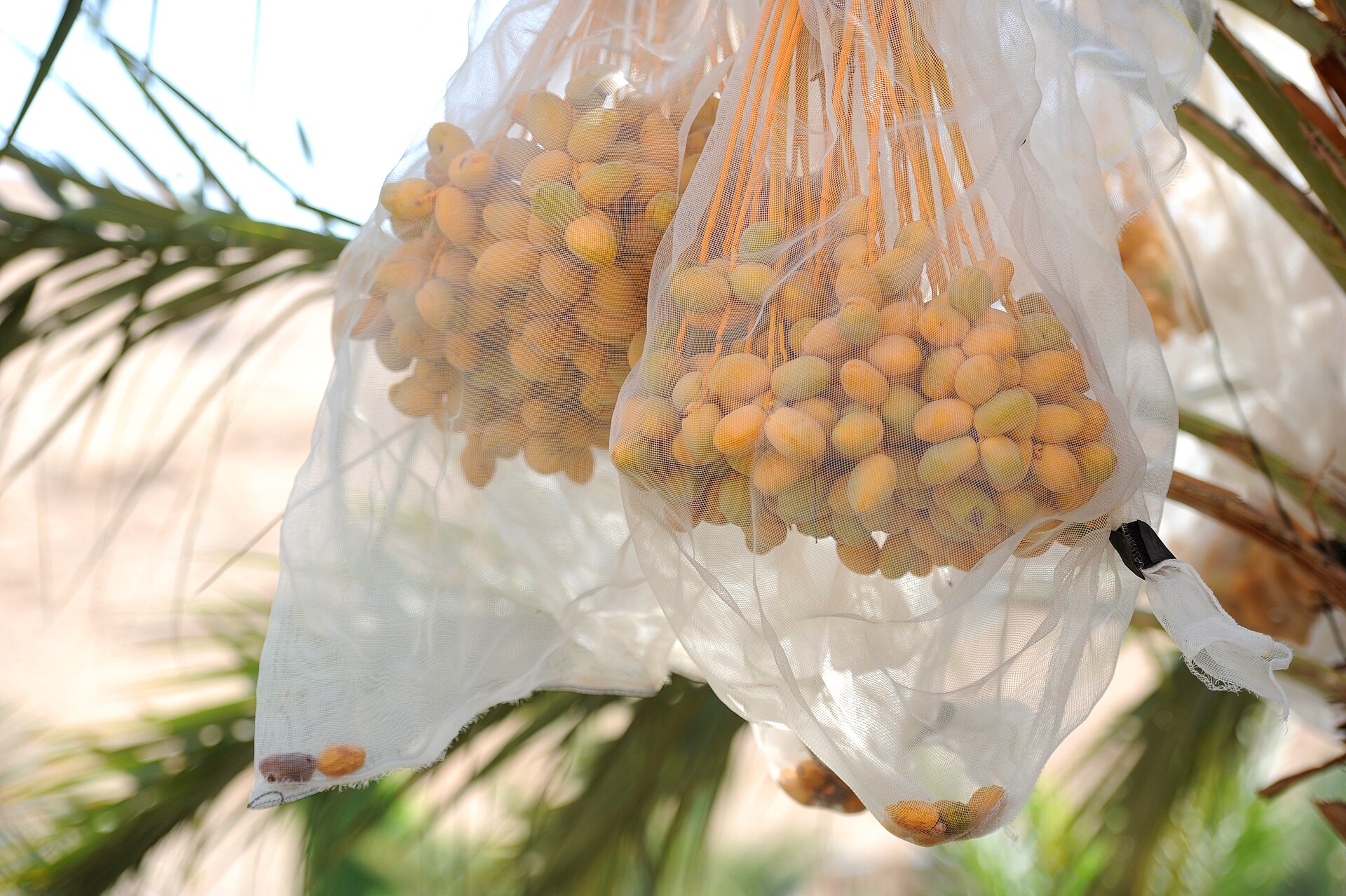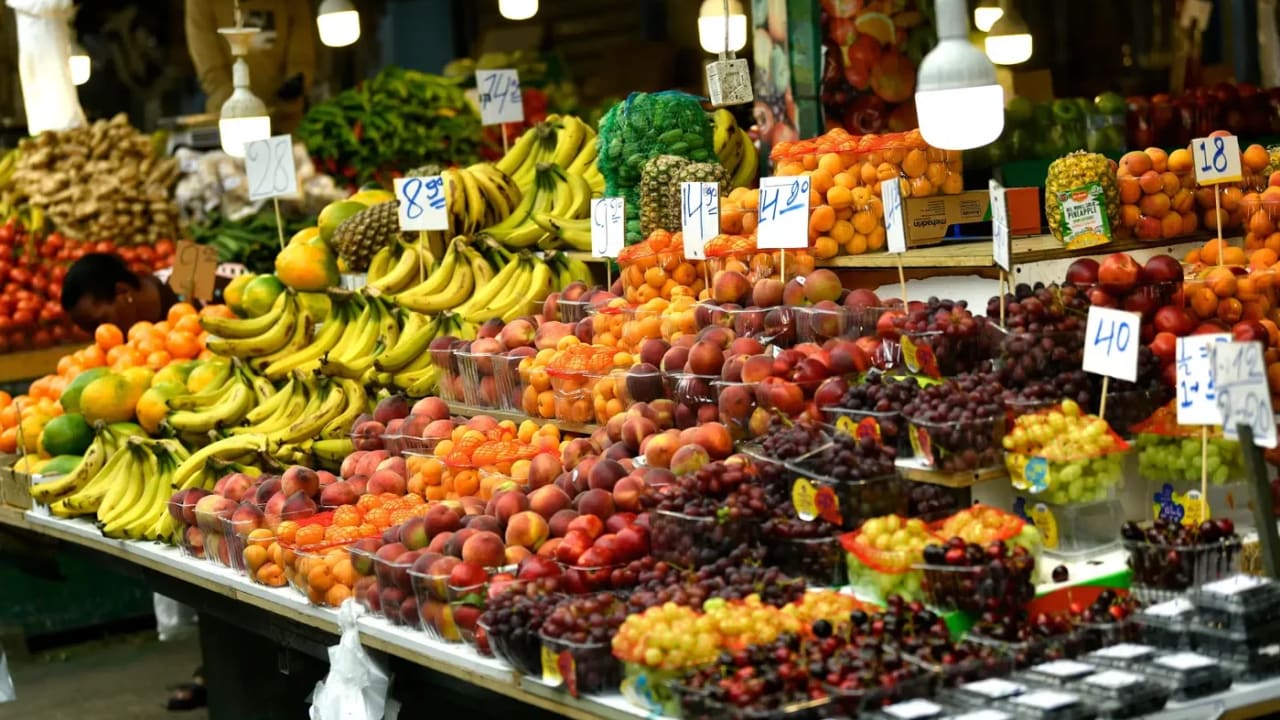
Once upon a time, there was a land flowing with milk and honey, about which toddlers and children are taught, a land of the seven species mentioned in the Book of Deuteronomy regarding the fertility of the Land of Israel promised to Abraham in the Covenant between the Parts: A land of wheat, barley, grapevines, figs, pomegranates, olives, and dates. Once, there was an abundance of locally grown fruits and vegetables at prices affordable to all: Tomatoes, cucumbers, fresh lettuce, apples, onions, garlic, pomegranates, potatoes, dates used to produce date honey, oranges that Israeli settlement boasted of and marketed under the JAFFA brand, plums, and grapes. No longer. Prices have soared in recent years because the agricultural sector was neglected, and along with it, the land upon which agriculture sits to preserve the Land of Israel was abandoned, at times in favor of the land-hungry Arab sector, primarily in the Galilee. Grapes, plums, and even apples have become a luxury for many middle-income families among the population.
In 1950, with the establishment of the state, during the massive wave of immigration of refugees from Europe after a war that brought destruction and the Holocaust, along with immigrants from Islamic countries, most of whom were displaced due to the declaration of the State of Israel, there were many working hands, even more mouths to feed, and agriculture flourished. It accounted for 16% of output and employed 65,000 to 70,000 people, who also constituted 16% of total employment. In 2000, agriculture's share of output dropped to 2.1%, and in 2024, agriculture accounts for only 0.9% of output. The number of employed persons decreased in 2024 to 0.78% of total workforce in the economy, about 30,000 to 35,000 workers.