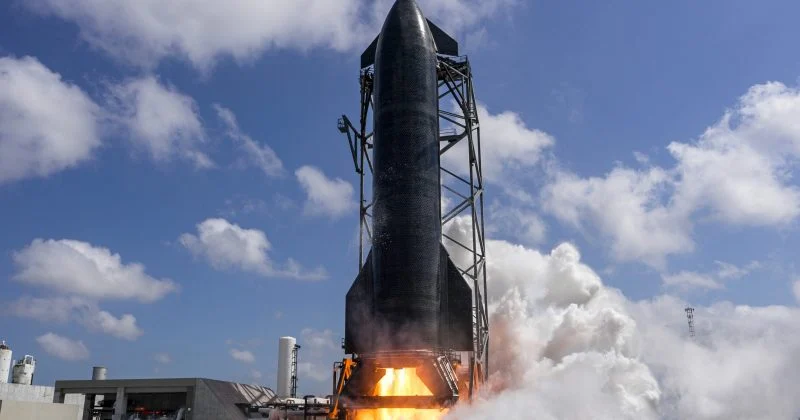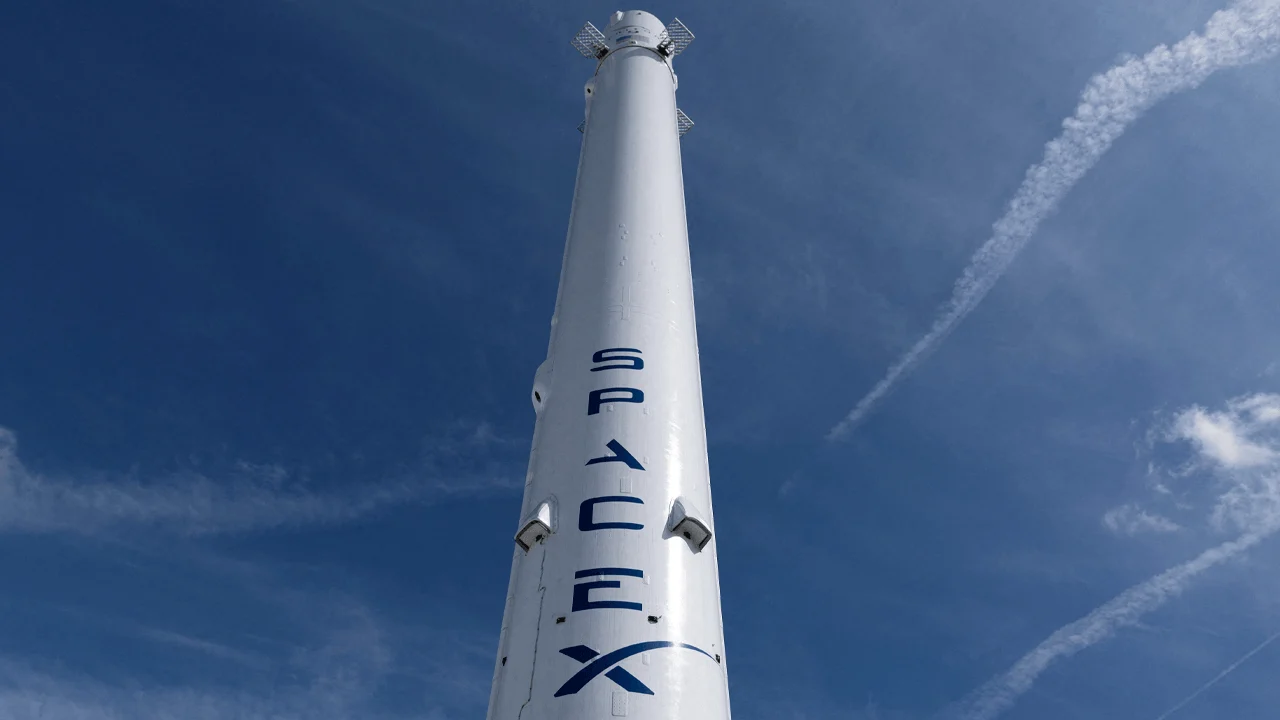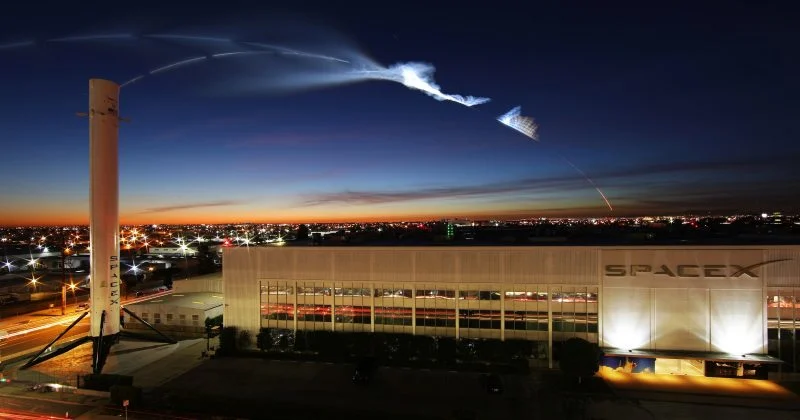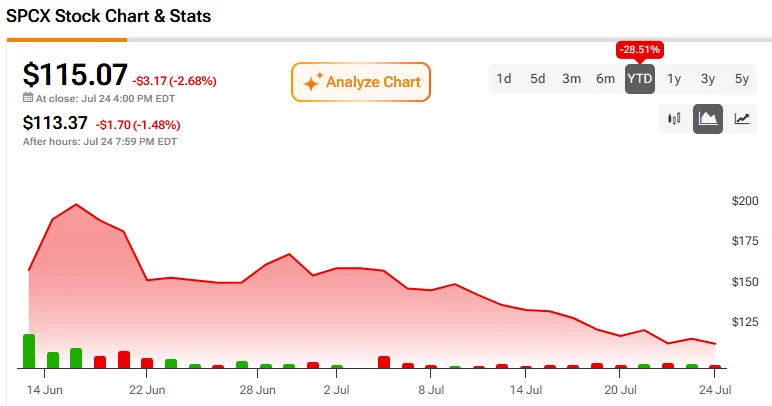
Starship launched from SpaceX’s Texas facility at 5:51 p.m. local time, after the regular U.S. market had closed. That timing means Friday’s main stock decline was not a reaction to the mission itself.
The flight met several key goals. Starship deployed 20 upgraded Starlink satellites, which connected with the wider network and downloaded data. The spacecraft also returned through Earth’s atmosphere and completed a controlled landing in the Indian Ocean before catching fire.
Booster Issue Keeps Execution Risk in Focus
The Super Heavy booster ran into trouble during its return. Not all of its engines restarted as planned, causing it to hit the water faster than expected. The result was still an improvement from the prior test, when the booster lost control and suffered an early engine shutdown.
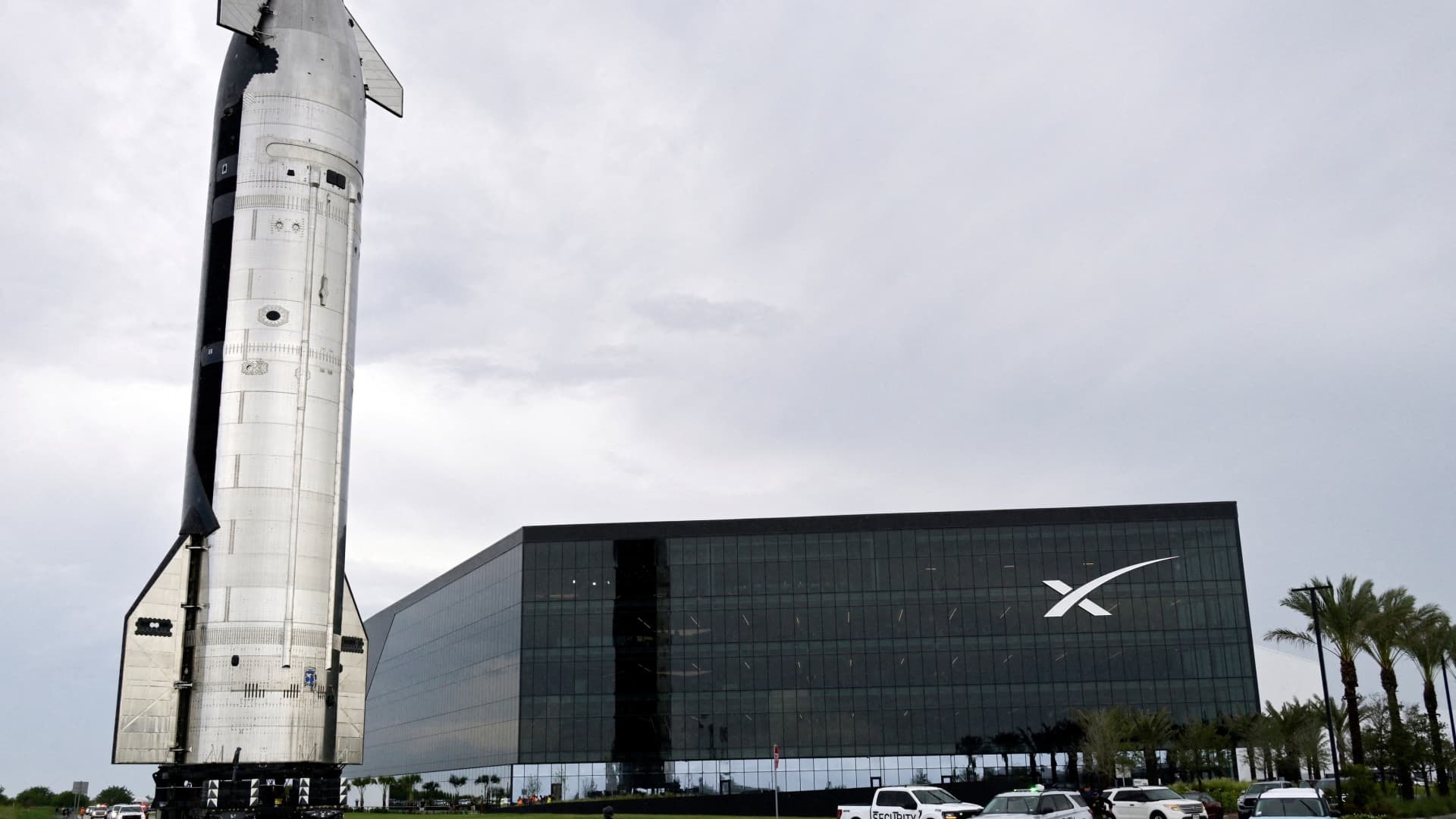
SpaceX has spent more than $15 billion developing Starship, which is central to plans to expand Starlink, support space-based AI data centers, and carry out NASA moon missions. Elon Musk has said the rocket could become fully reusable before the end of the year.