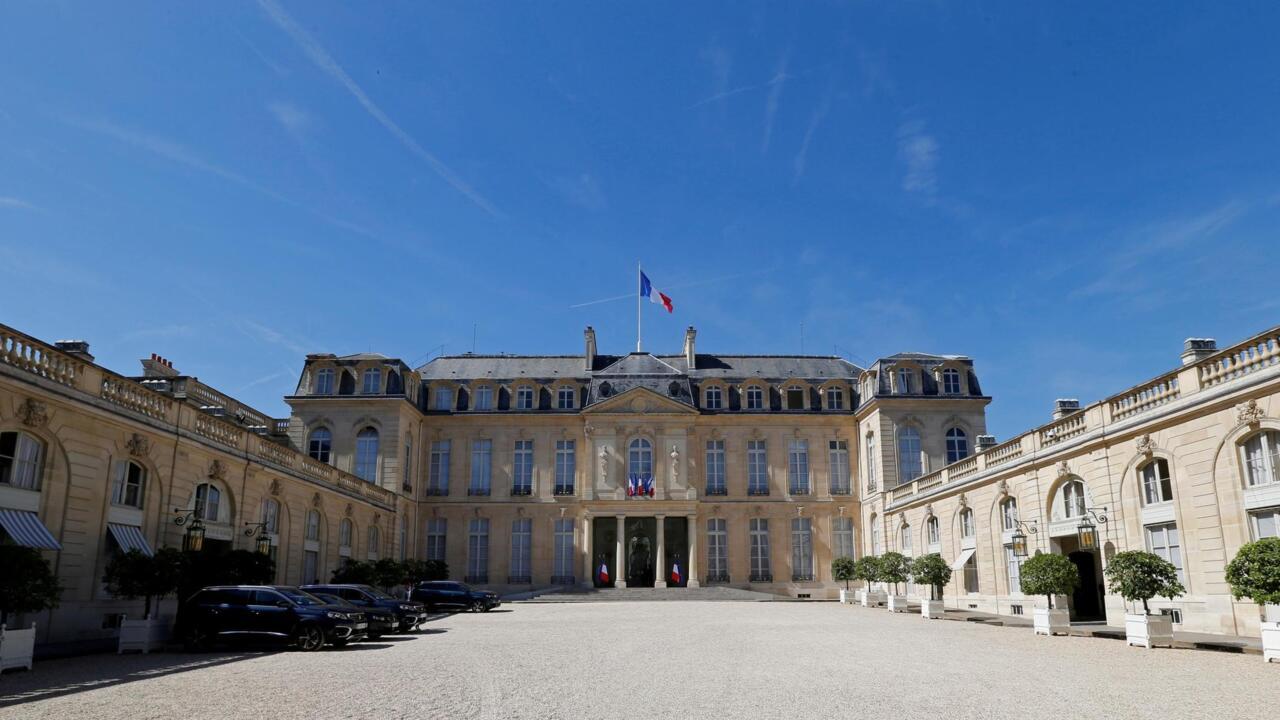
What would become the Élysée Palace, the official residence of the French president, was built three centuries ago with a fortune amassed in the slave trade. As France grapples with its legacy of slavery, calls are mounting for the country to acknowledge this and other traces of the past.
The Élysée is France’s White House, shorthand for the presidency itself. And like the home of the United States’ president, it owes its construction to slavery. The mansion that now stands among embassies, luxury boutiques and art galleries just north of the Champs-Élysées dates back to 1718, when an aristocrat purchased a plot of what was then marshland on the outskirts of Paris. Louis-Henri de La Tour d’Auvergne, Count of Évreux and recently appointed governor of the region of Poitou, wanted to build himself a residence befitting his ambitions. A member of a noble dynasty on the wane, he had supplemented his family wealth by marrying the daughter of the richest man in France. His father-in-law was Antoine Crozat, a merchant banker from Toulouse who built an empire financing the burgeoning slave economy in the Americas. Investing first in tobacco in the French colony of Saint-Domingue – now Haiti – he pushed growers to switch to cultivating sugar, a cash crop that demanded larger plantations and more slaves. Listen to this story on the Spotlight on France podcast: