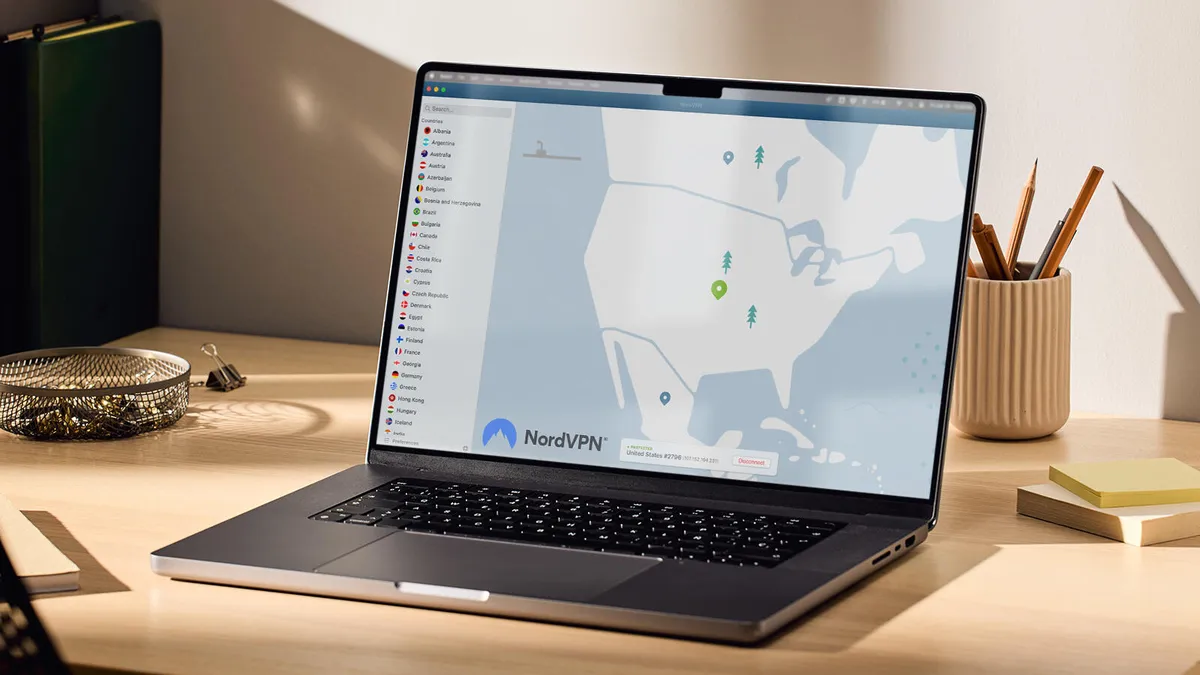
Why are people turning to Virtual Private Networks (VPNs) more than ever? It mostly comes down to three things. Privacy, because your ISP would love to sell your browsing history and advertisers would love to track everything you do online—a VPN shuts down both. Security, because that same encrypted tunnel makes you a much harder target on sketchy coffee-shop Wi-Fi, hotel networks, or any connection you can’t actually trust. And location flexibility: by routing your traffic through a server in another city or country, a VPN can make your device look like it’s almost anywhere—handy for travelers, remote workers, and anyone whose streaming library has turned into a wall of “not available in your region.”
We considered many factors when evaluating the VPNs in this guide: encryption standards and audited no-logs policies, server network size and country coverage, ease of use across platforms, streaming and unblocking capabilities, real-world speeds, and overall value. Each service was put to the test to see whether it actually unblocks Netflix (spoiler: not all do), where its servers can place you, and whether you’re getting your money’s worth.
* * *
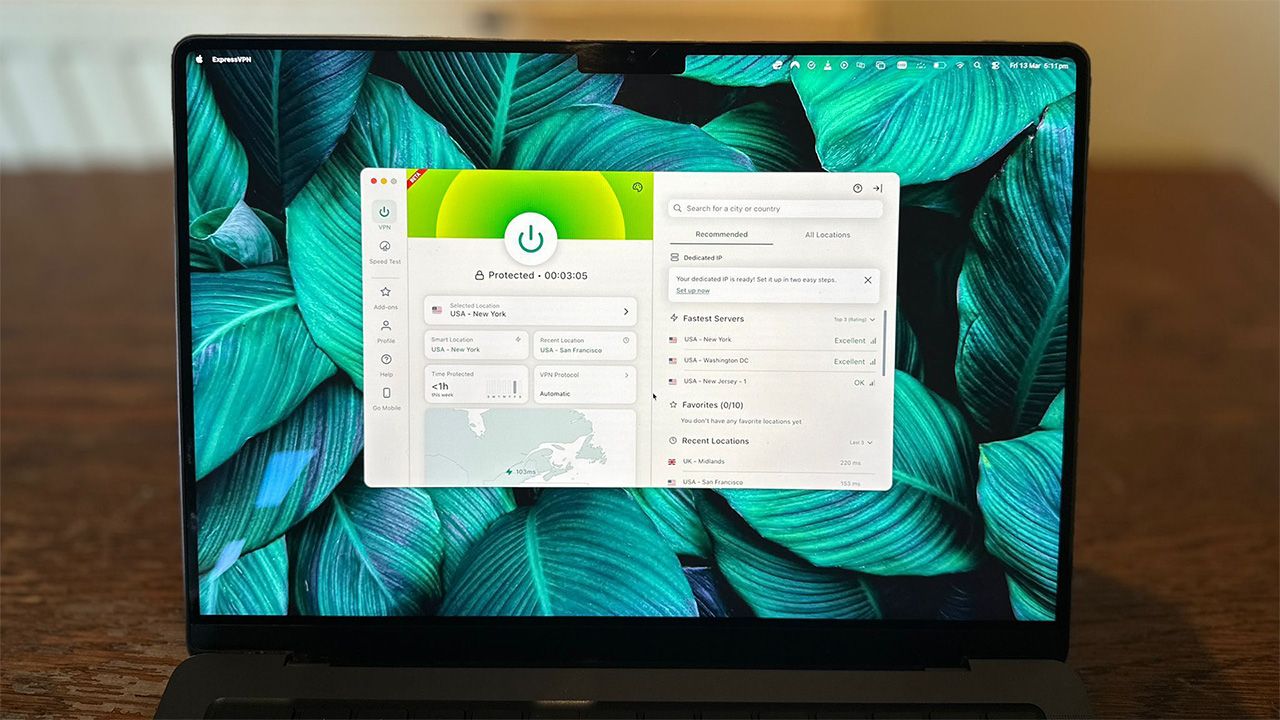
ExpressVPN balances elite security with unmatched simplicity. Utilizing the Lightway protocol and RAM-only servers ensures high speeds (even on global servers) and top-level privacy. Its one-click interface works seamlessly across all devices, making it the most reliable, user-friendly option for streaming and restrictive environments.