Introduction to Multi Agent RAG using LangGraph
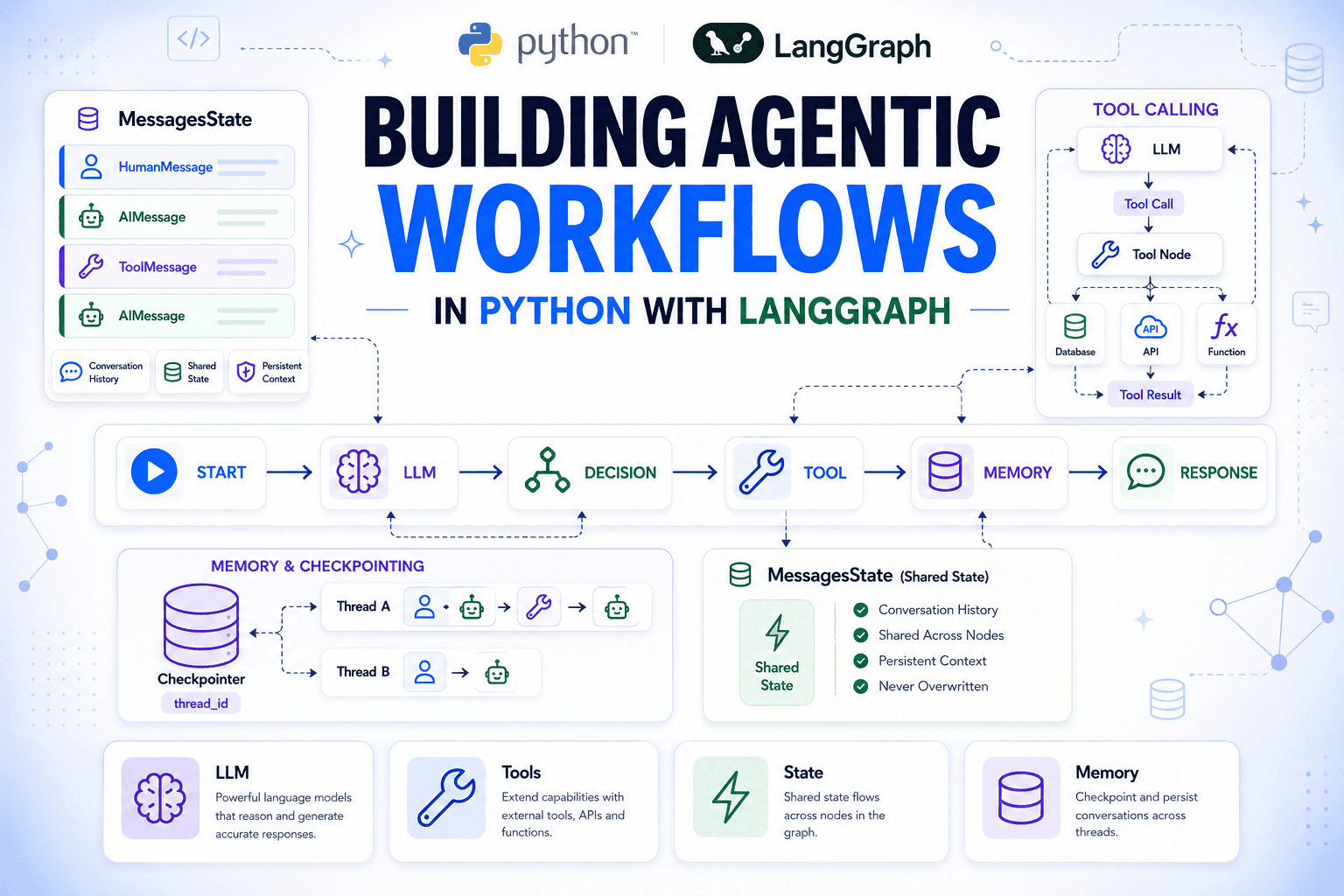
The field of artificial intelligence has seen significant advancements in recent years, with the development of large language models (LLMs) and multi-agent systems. One area that has garnered attention is the use of Retrieval-Augmented Generation (RAG) with LangGraph, a library that enables the creation of intelligent agents. In this blog, we will explore the fundamentals of LangGraph and RAG, and delve into the implementation of multi-agent RAG using LangGraph.
Section 1: Fundamentals of LangGraph and RAG
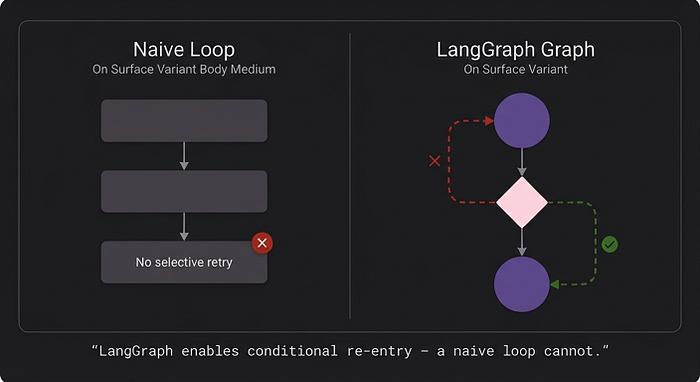
LangGraph is a library that provides a framework for building intelligent agents. It offers a range of features, including prompt management, LLM chains, memory, integration, and agent frameworks. LangGraph allows developers to create complex workflows where the output of one LLM becomes the input for another task. This enables the creation of autonomous agents that can make decisions based on user input.
RAG, on the other hand, is a technique that combines retrieval and generation to produce more accurate and informative responses. It works by retrieving relevant information from a knowledge base and then using that information to generate a response. RAG has been shown to be effective in a range of applications, including question answering and text generation.