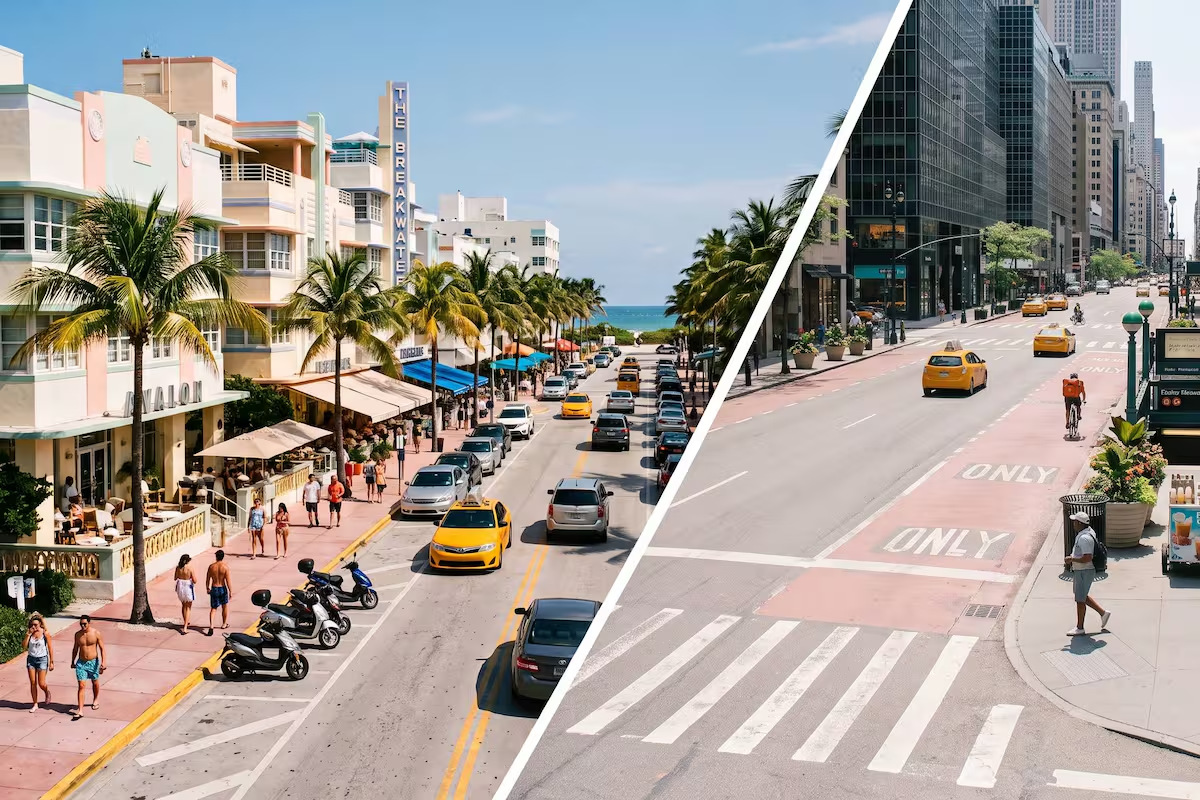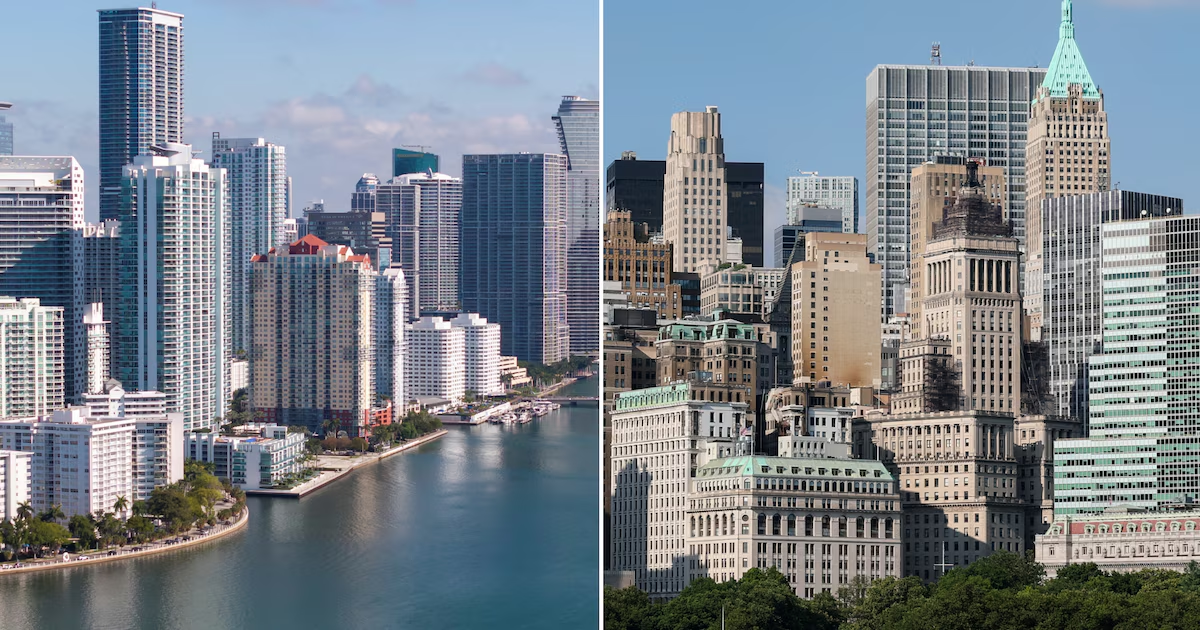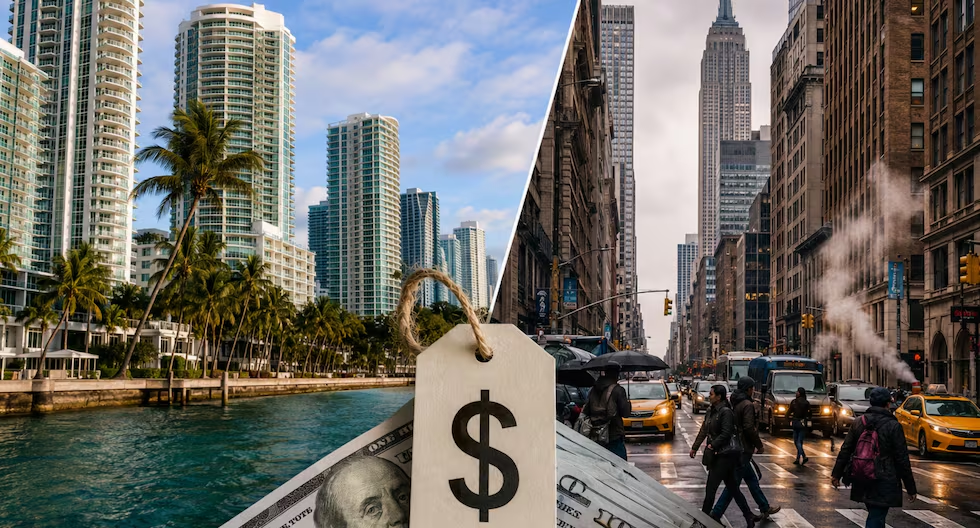
You may have seen the headline on your social media feeds this week, or some instance of it: Miami is now more expensive than New York City. The source of the headline is based on Bureau of Economic Analysis (BEA) data, which details the cost of living in Miami as greater than New York’s for the first time ever.
The thing is, “expensive” is all relative. A locale’s cost of living isn’t a measure of raw prices—it’s prices weighted against what local residents earn. The BEA finding doesn’t mean that an apartment in Miami costs more than a comparable one in Manhattan. In fact, Manhattan’s median listing price per square foot was $1,489 in May 2026, more than three times Miami-Dade County’s $465, according to data retrieved via the Federal Reserve Bank of St. Louis. What’s changed is that Miami’s prices have climbed further, relative to what the average Miami resident earns, compared to how New York’s prices have climbed relative to what New Yorkers earn. And truth be told, both cities are viciously expensive.
That distinction also explains why the comparison misses how people actually live in each city. Cost-of-living indexes fold in categories that barely register for a Manhattan renter but hit Miami households hard, chief among them car ownership, along with rising insurance premiums, private school tuition and restaurant costs that have all climbed there over the past year. South Florida’s consumer price index has risen 36% since 2019, more than any metro area tracked by the government, except Tampa. None of that has much to do with the price of Manhattan real estate.