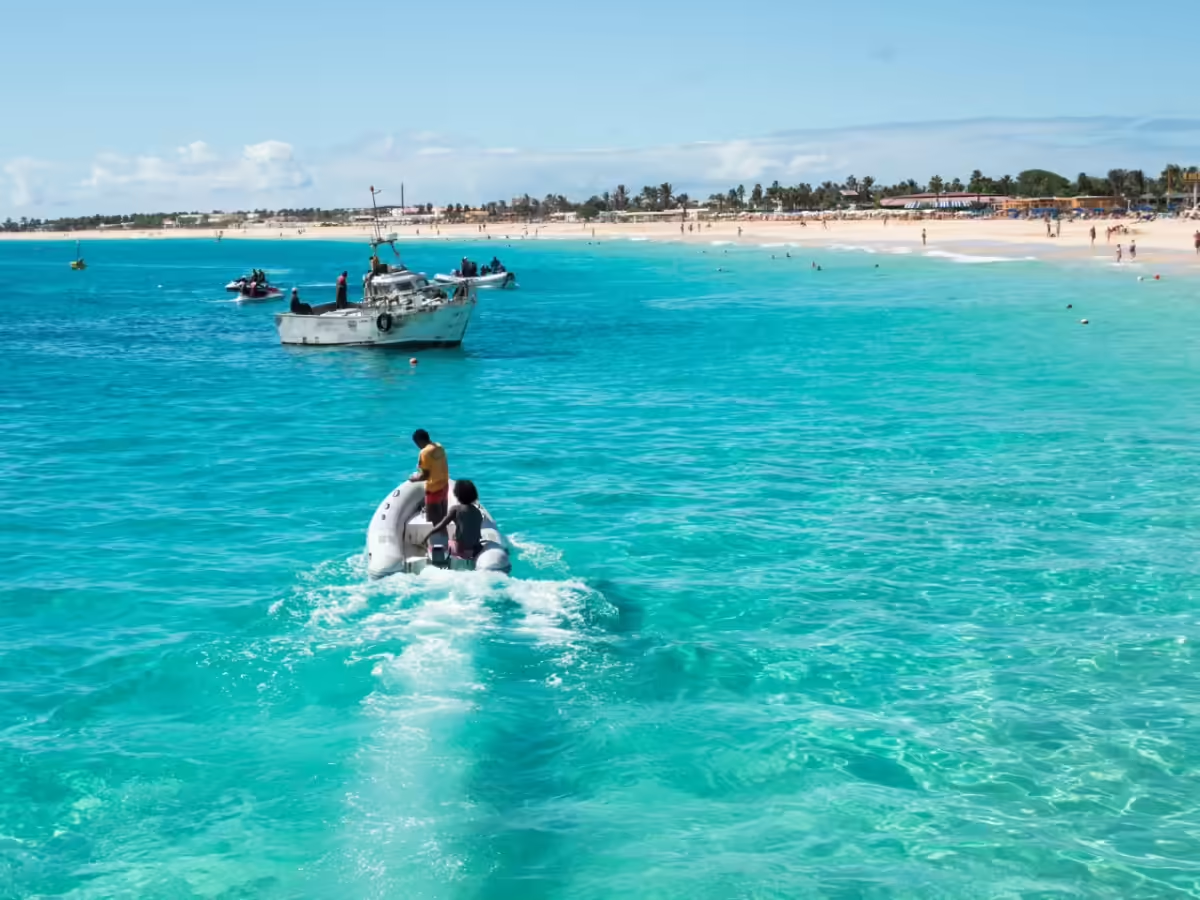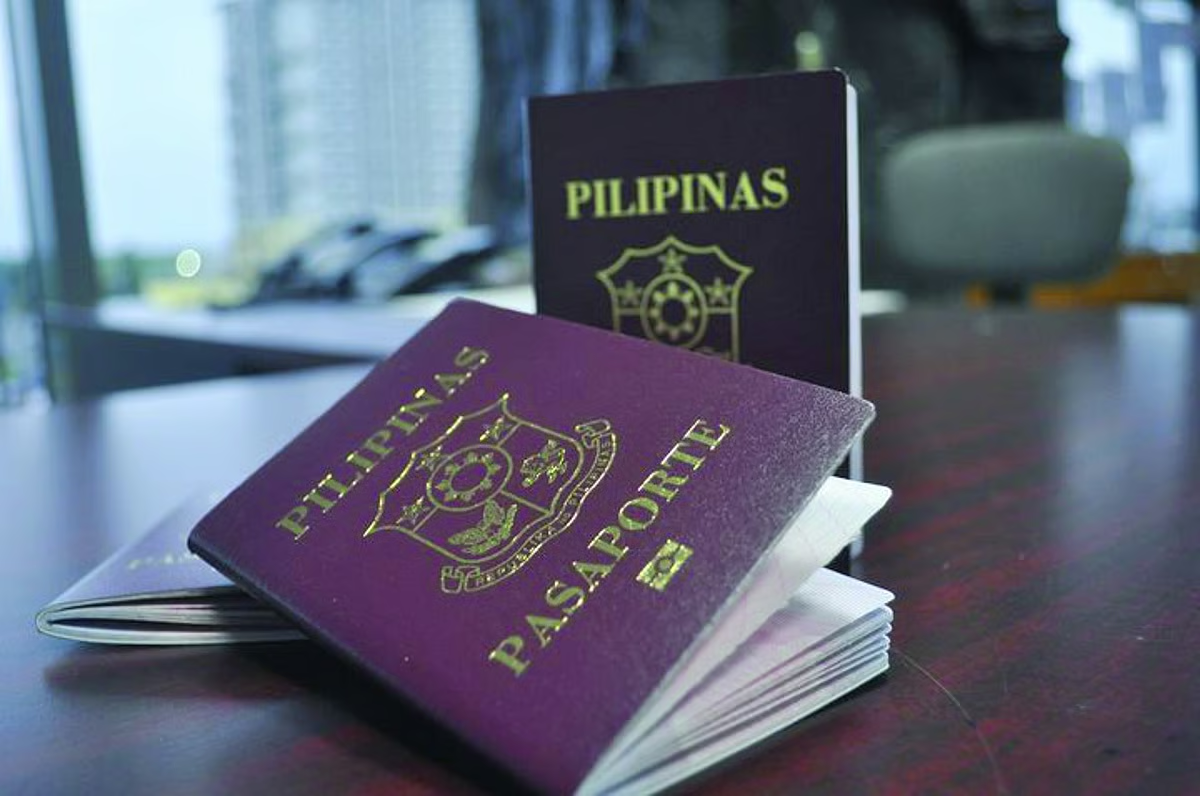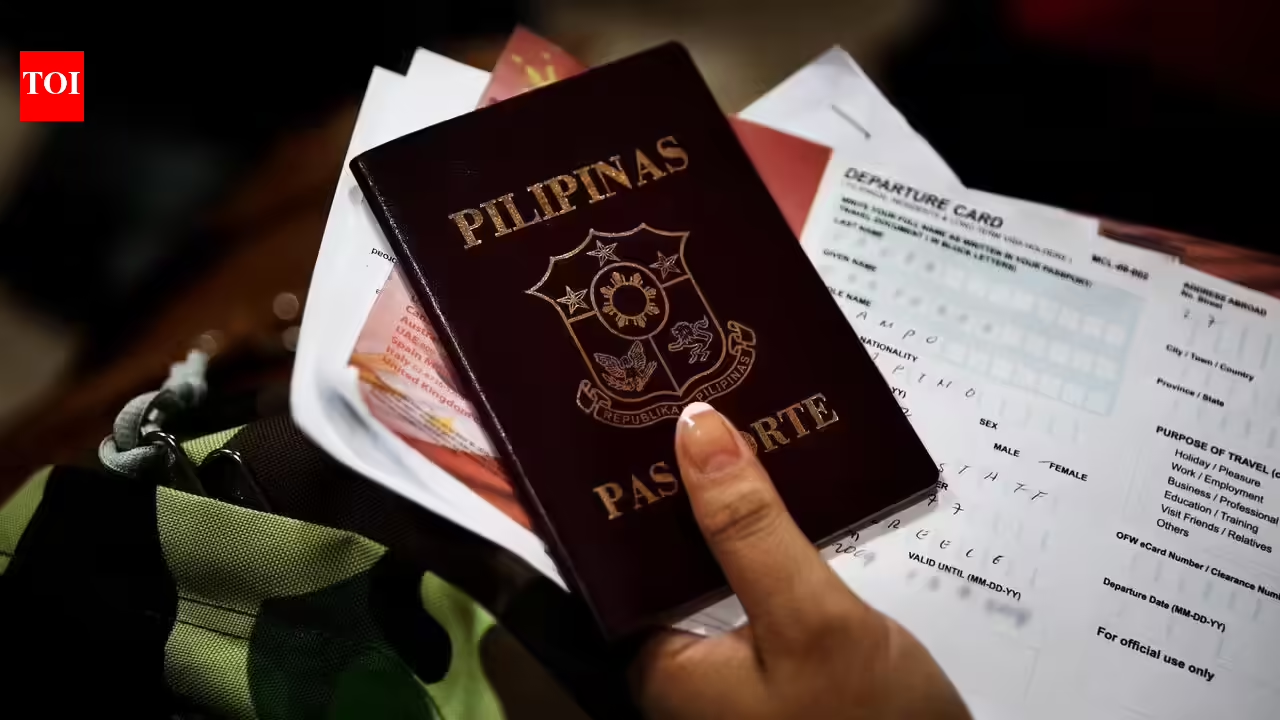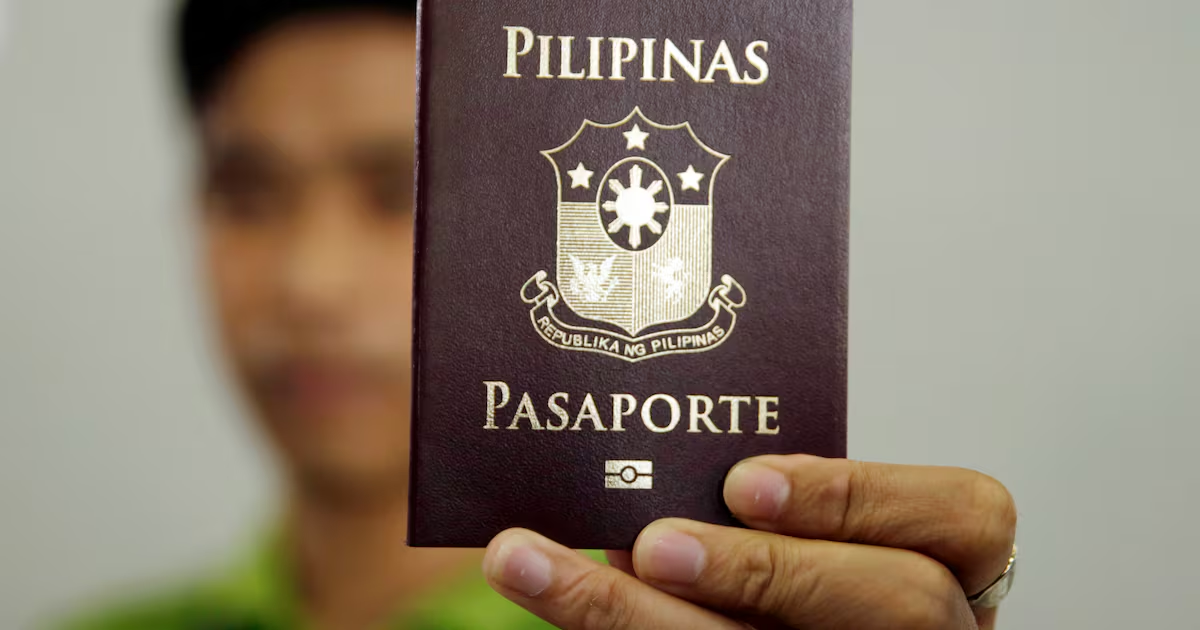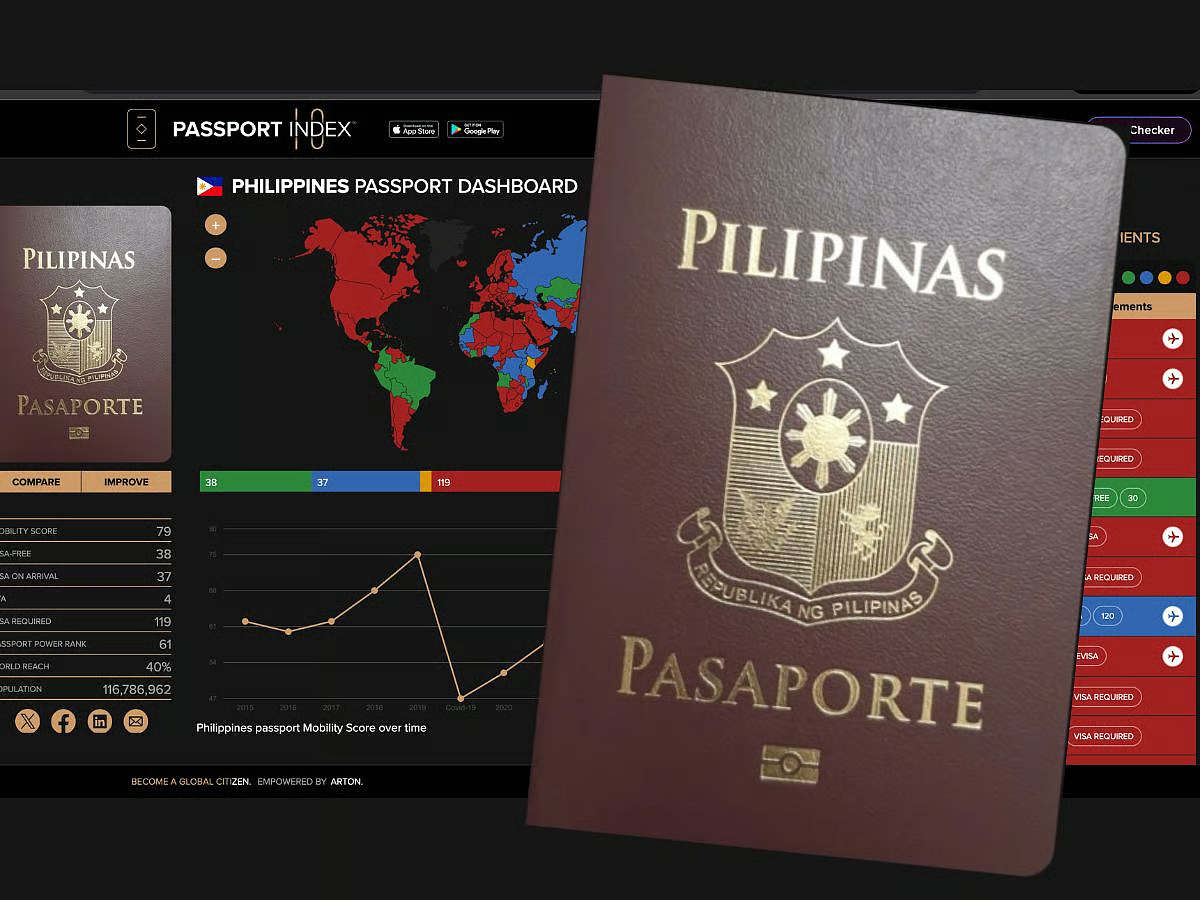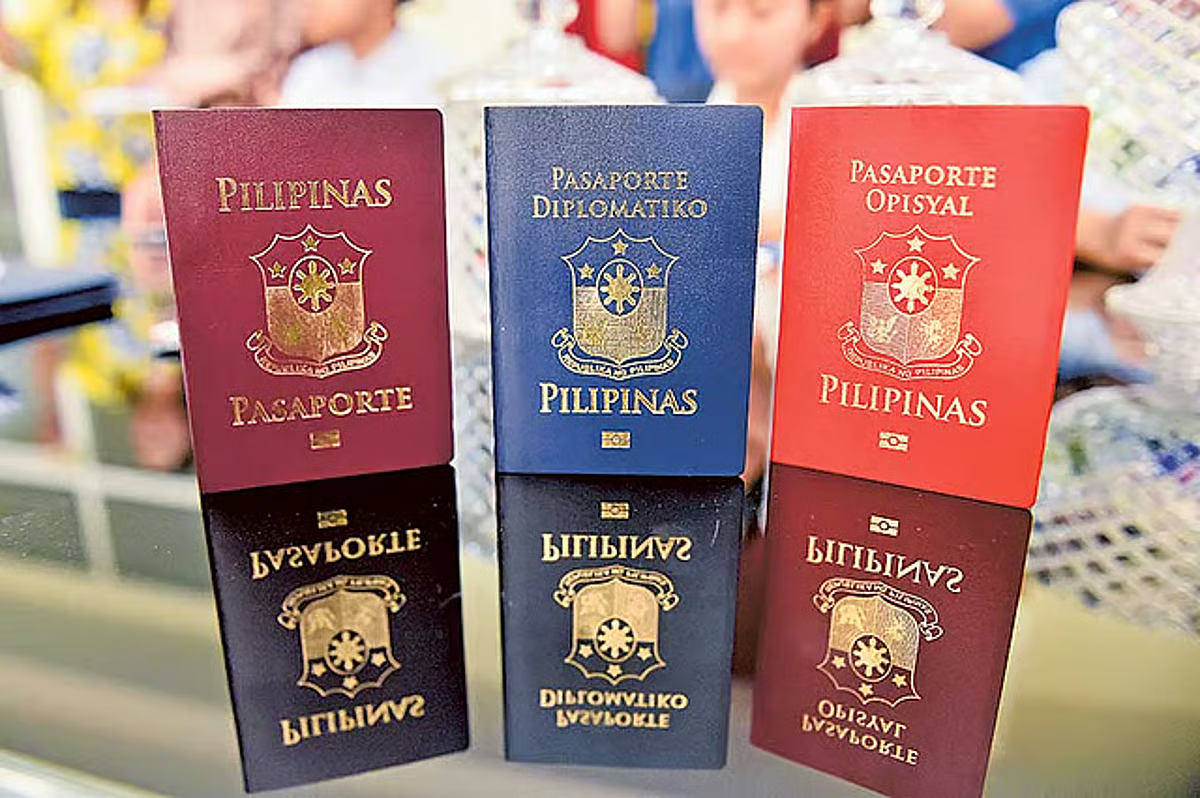
Know the difference between visa-free, visa on arrival, eVisa and eTA rulesLast updated: July 26, 2026 | 15:433 MIN READFilipino passport holders can travel visa-free to 65 destinations.Dubai: Filipinos planning overseas holidays this summer have more destinations they can visit with fewer visa requirements.Get updated faster and for FREE: Download the Gulf News app now - simply click here.The updated rankings come as travellers prepare for the peak summer holiday season, making it easier for Filipinos to identify destinations with simpler entry requirements.What do visa-free, visa on arrival, eVisa and eTA mean?Before booking a trip, it's important to understand the different types of entry requirements:Visa-free: No visa is required before departure or upon arrival, subject to the destination's permitted length of stay.Visa on arrival: Travellers obtain their visa after landing at their destination. No advance visa application is needed.eVisa (electronic visa): A digital version of a traditional visa that is applied for and issued online before travel.eTA (electronic travel authorisation): An online travel authorisation that must be obtained before boarding a flight to certain countries. It is different from a visa but is still required for entry.Visa-free destinations for Philippine passport holdersFilipinos can travel to 65 destinations without obtaining a visa before departure.AngolaBarbadosBeninBoliviaBrazilBruneiBurundiCambodiaCape Verde IslandsComoro IslandsCook IslandsCosta RicaCôte d'Ivoire (Ivory Coast)DjiboutiDominicaEthiopiaFijiGuinea-BissauHaitiHong Kong (SAR China)IndonesiaIranIsraelKazakhstanKenyaKiribatiLaosMacao (SAR China)MadagascarMalawiMalaysiaMaldivesMarshall IslandsMauritaniaMauritiusMicronesiaMongoliaMozambiqueMyanmarNepalNicaraguaNiuePalau IslandsPalestinian TerritoryPapua New GuineaPeruRwandaSamoaSenegalSeychellesSierra LeoneSingaporeSomaliaSri LankaSt. Vincent and the GrenadinesSurinameTaiwan (Chinese Taipei)TajikistanTanzaniaThailandThe GambiaTimor-LesteTuvaluVanuatuVietnamCountries offering visa on arrival19 destinations allow Philippine passport holders to obtain a visa after landing, making last-minute travel easier than applying for a traditional visa in advance.BurundiComoro IslandsDjiboutiEthiopiaGuinea-BissauIranKyrgyzstanMadagascarMaldivesMarshall IslandsMauritiusMozambiqueNepalNiuePalau IslandsSamoaSt. LuciaTanzaniaTuvaluCountries requiring an e-visa47 destinations issue electronic visas that travellers can apply for online before departure.AlbaniaAnguillaAntigua and BarbudaArmeniaAzerbaijanBahrainBangladeshBhutanBotswanaBurkina FasoCameroonCongo (Dem. Rep.)CubaEquatorial GuineaGabonGeorgiaGhanaGuineaIndiaLibyaMauritaniaMoldovaMontserratNamibiaNigeriaOmanPakistanPapua New GuineaQatarRussian FederationSão Tomé and PríncipeSomaliaSouth AfricaSouth SudanSt. HelenaSt. Kitts and NevisSyriaThe BahamasTogoTürkiyeUgandaUkraineUnited Arab EmiratesUnited KingdomUzbekistanZambiaZimbabweDestinations requiring an electronic travel authorisation (ETA)Seven countries require Philippine passport holders to obtain an ETA, an online travel authorisation that is generally faster and simpler than a standard visa application.IsraelKenyaPalestinian TerritorySeychellesSri LankaTimor-LesteTrinidad and TobagoFrom 63rd to 72nd: The Philippine passport's 20-year journeyThe latest Henley Passport Index places the Philippines 72nd globally, its best performance since before the COVID-19 pandemic.Although the ranking remains below its highest position of 62nd, achieved between 2007 and 2009, it represents steady progress after several years of fluctuations.The Philippines ranked:63rd in 200662nd from 2007 to 2009Fell to 80th in 2015Reached a low of 83rd in 2021Recovered to 77th in 2022Ranked 78th in 2023Improved to 73rd in 2024Slipped to 75th in 2025Climbed to 72nd in 2026What the Henley Passport Index measuresThe Henley Passport Index ranks passports according to the number of destinations their holders can enter without obtaining a visa in advance. The index covers 199 passports and 227 destinations worldwide and is updated monthly.Its 20th anniversary edition notes that the average passport now provides visa-free access to 108 destinations, compared with 58 when the ranking was launched in 2006. However, it also says passport strength continues to vary widely because of changing visa policies, diplomatic relations, security considerations and geopolitical developments.Also In This PackageChristian is a detail-oriented digital professional who works behind the scenes to ensure every piece of content is delivered seamlessly across platforms. With a sharp eye for detail and a strong sense of diligence, he helps keep the digital side of the newsroom running smoothly. Known for being dependable and easy to work with, he’s always ready to jump in, solve problems, and support the team. Get Updates on Topics You ChooseUp Next
Planning a summer trip? Here's where Filipinos can travel without a visa
Know the difference between visa-free, visa on arrival, eVisa and eTA rules
578 words~3 min read