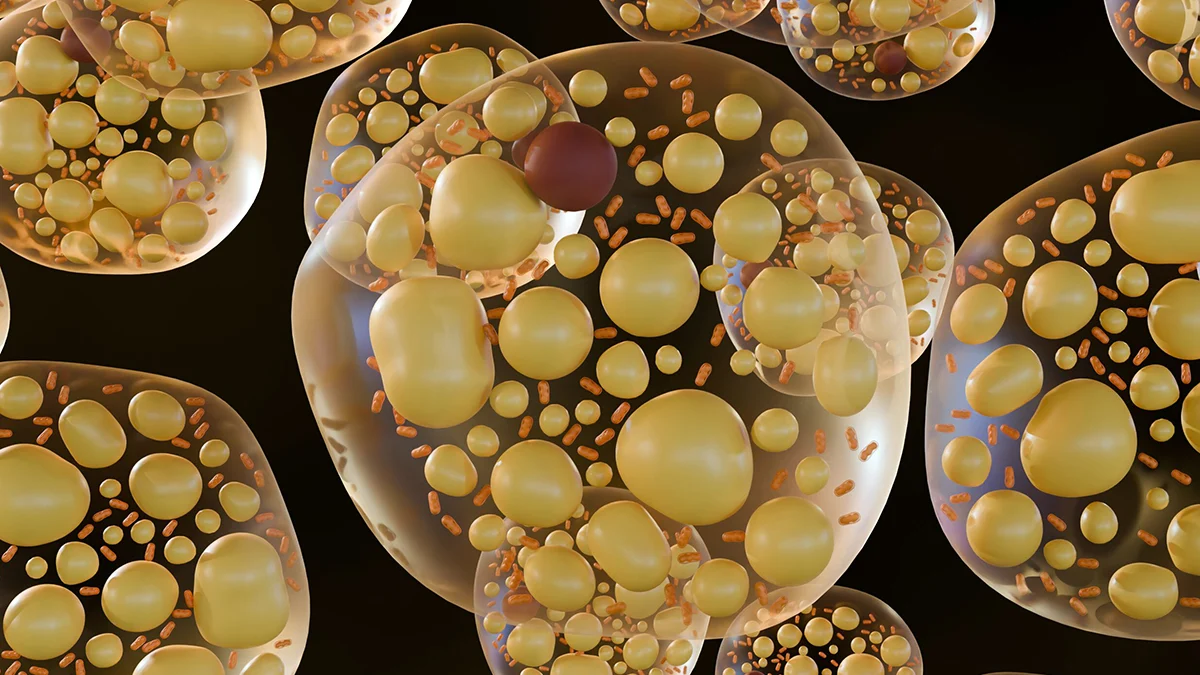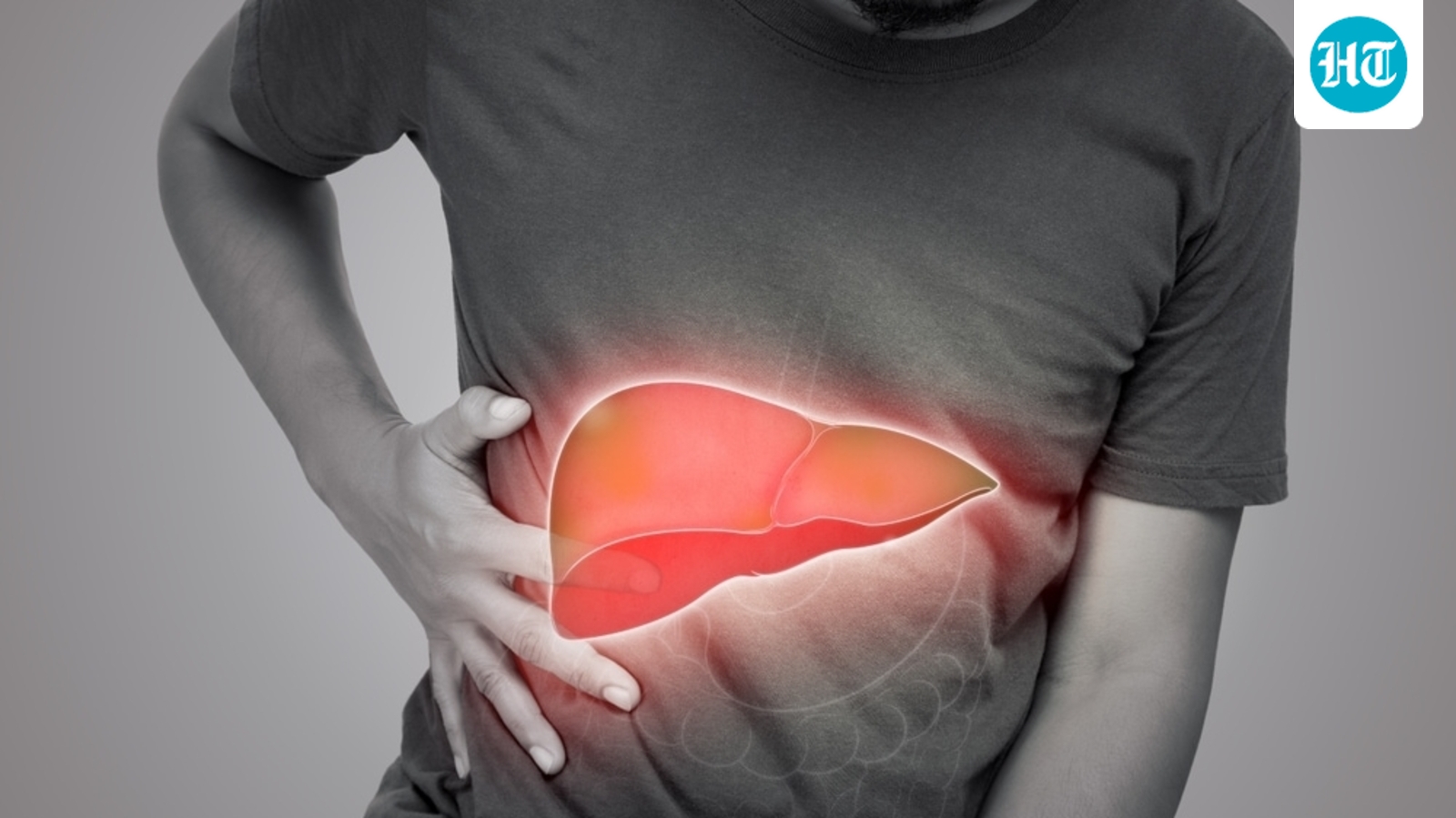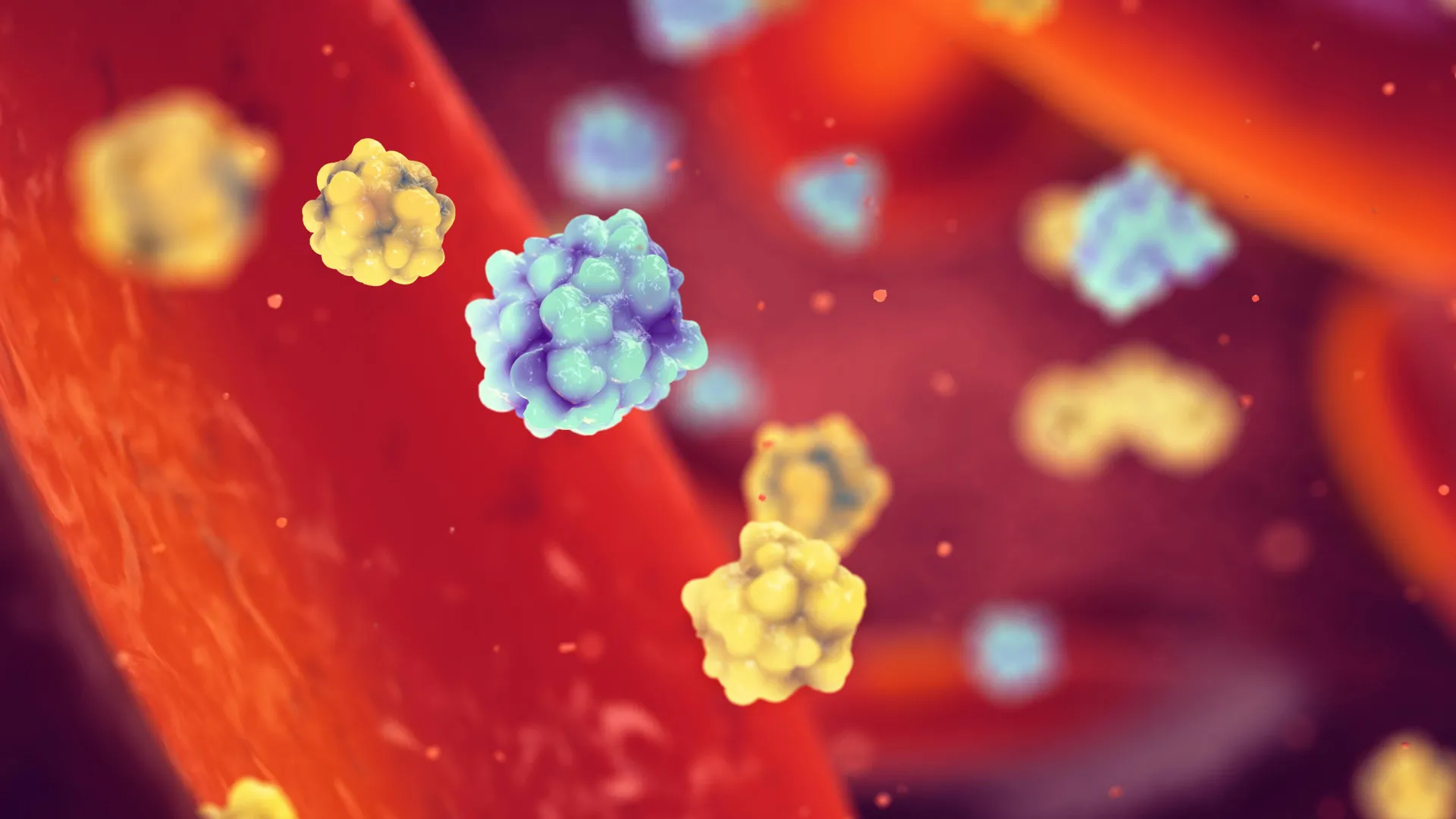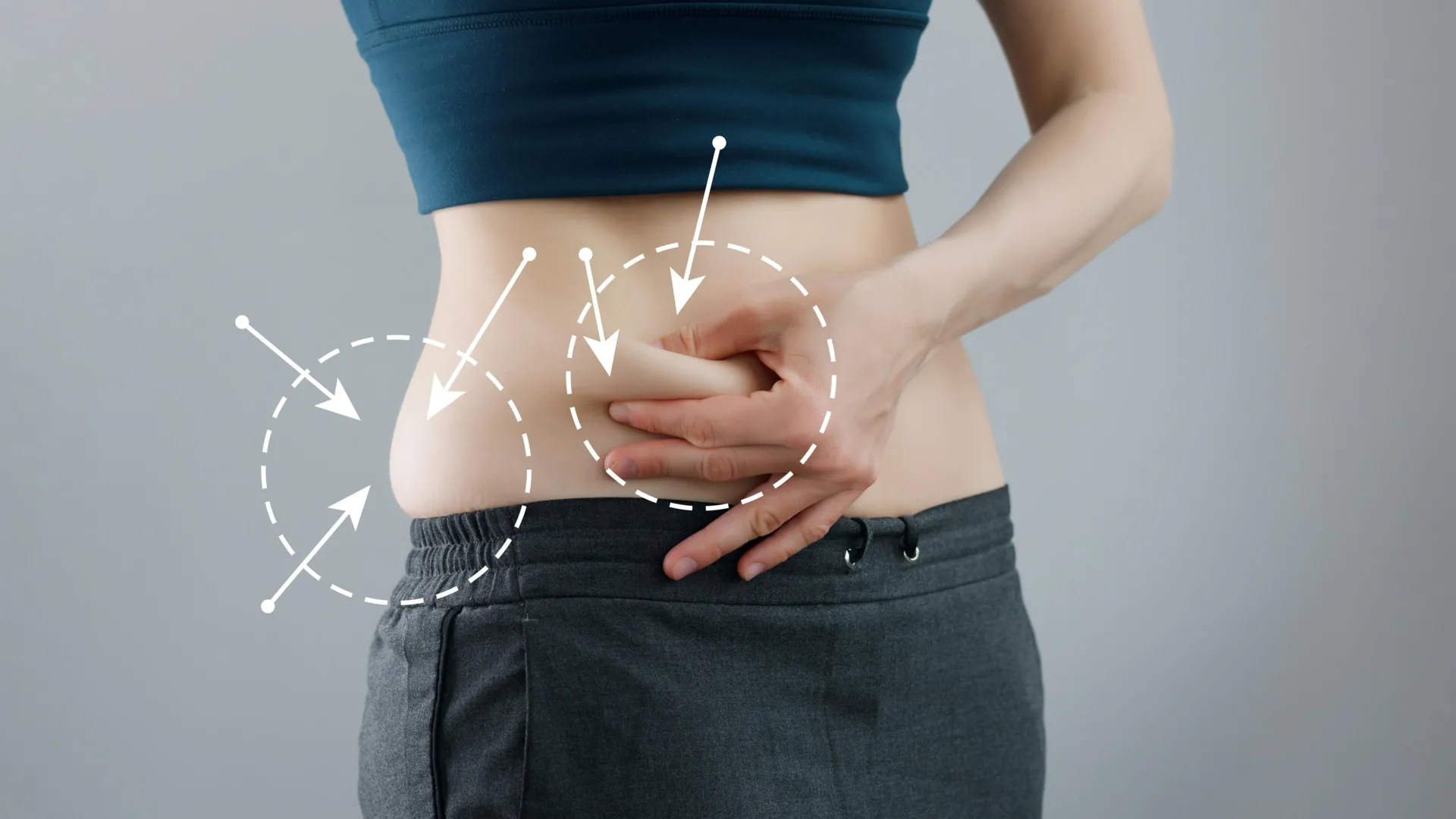
Fat tissue is often viewed as something the body would be better off without. Scientists now know, however, that adipose tissue is an active and essential organ that supports many important processes, including energy storage, hormone production, and metabolic regulation.
Too much fat can increase the risk of diabetes, heart disease, and other health problems. Yet the opposite can also be dangerous. In rare genetic and autoimmune conditions such as familial partial lipodystrophy type 2 (FPLD2), abnormal fat loss and uneven fat distribution can also lead to diabetes and other metabolic diseases.
A Longstanding Fat Loss Mystery
Elif Oral, M.D., a clinician and Professor in the Division of Metabolism, Endocrinology and Diabetes, has spent much of her career trying to understand this apparent contradiction. Her goal has been to uncover why pathological fat loss damages metabolism and to improve treatment options for people with lipodystrophy syndromes.
Working with patients who have FPLD2, Oral joined Ormond MacDougald, Ph.D., Professor of Molecular & Integrative Physiology, graduate student researcher Jessica Maung, Ph.D., and a broader collaborative team to investigate what happens inside diseased fat tissue.