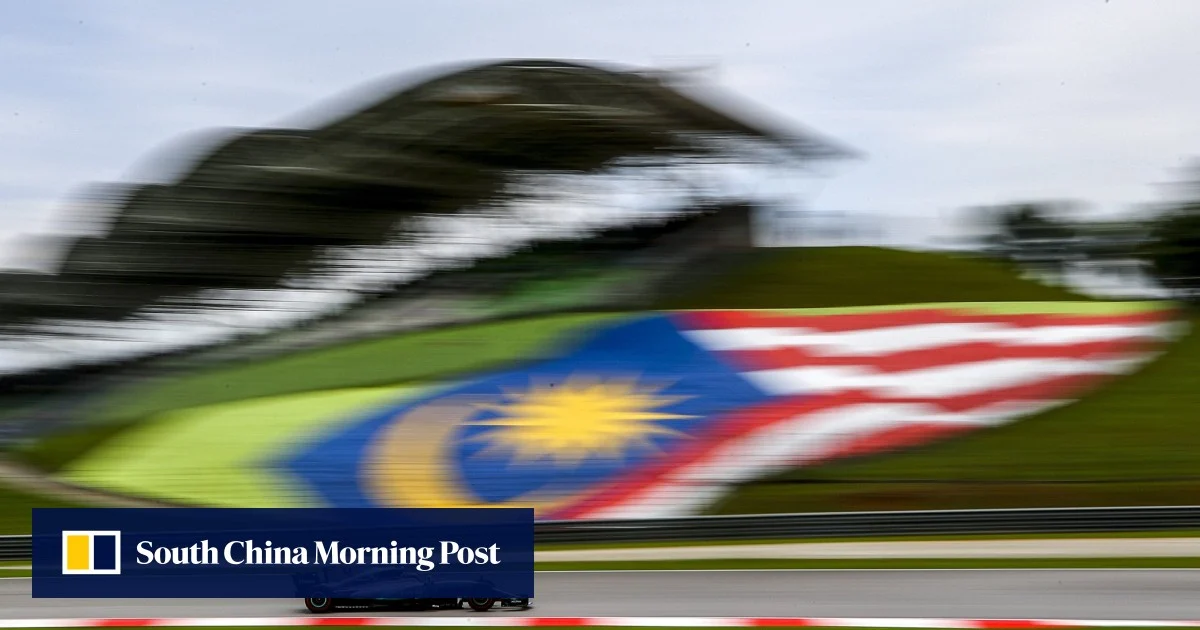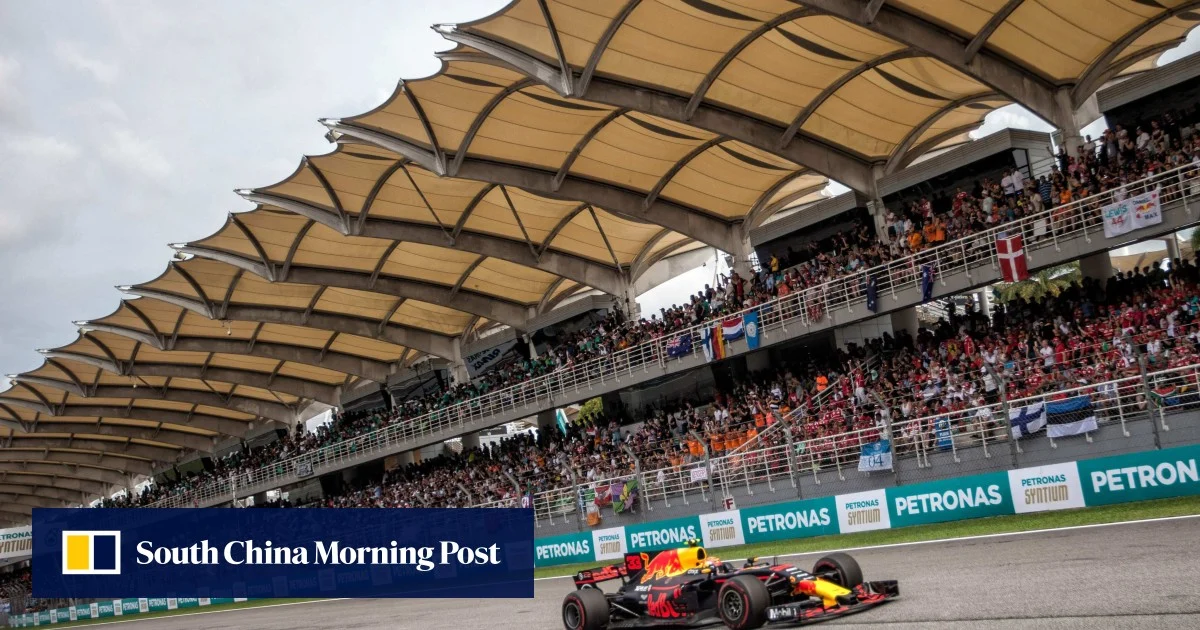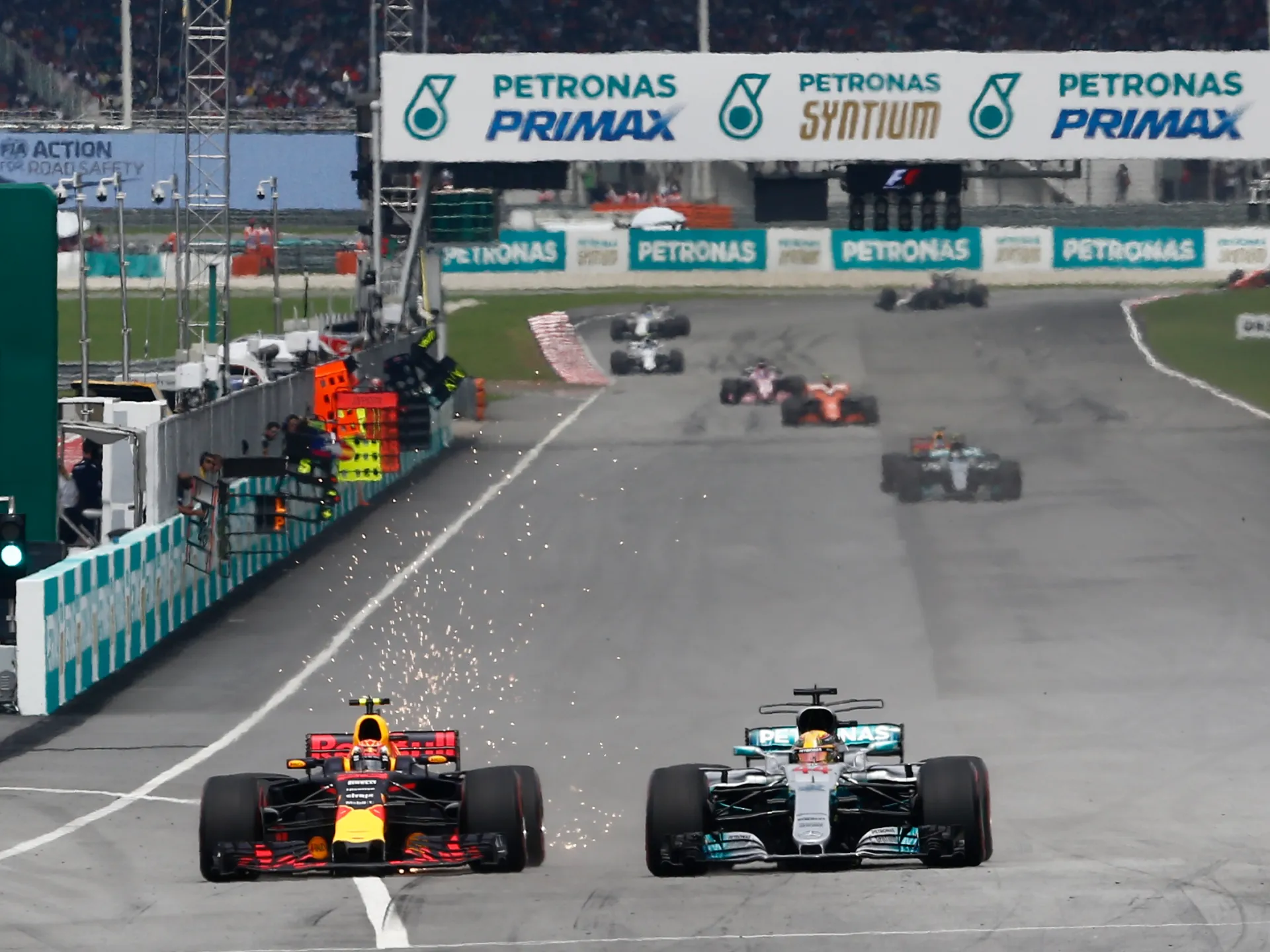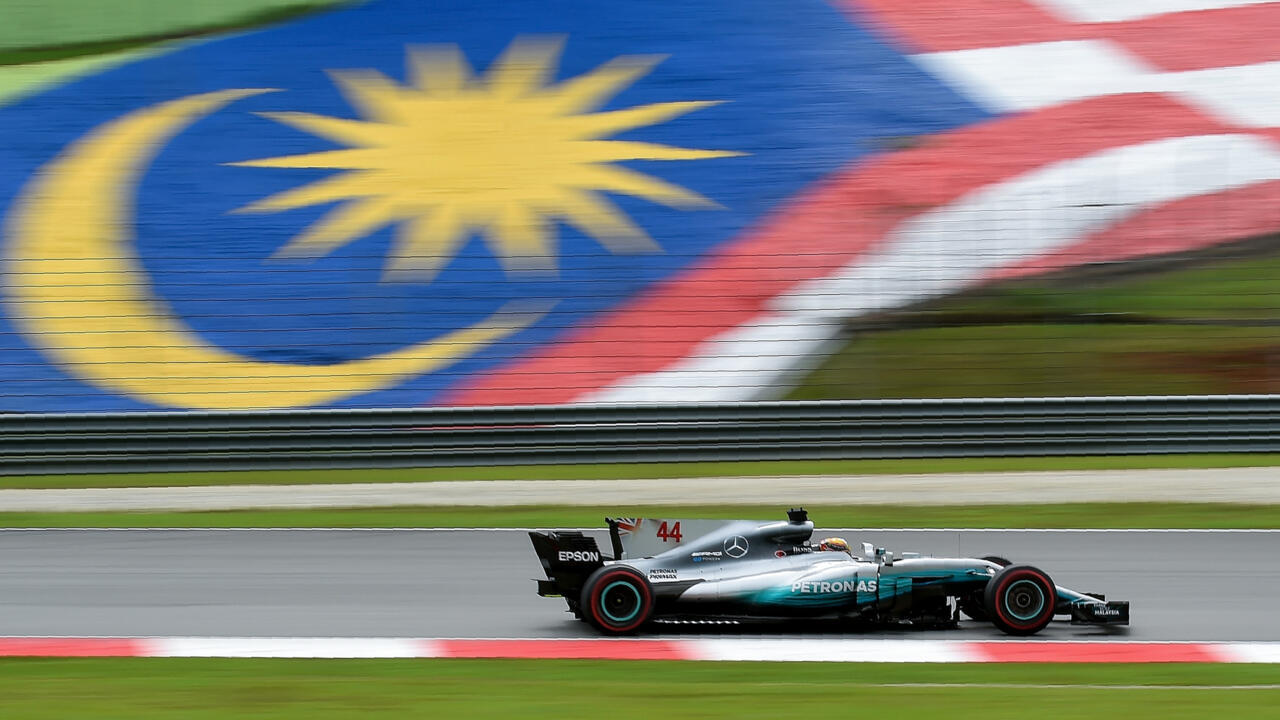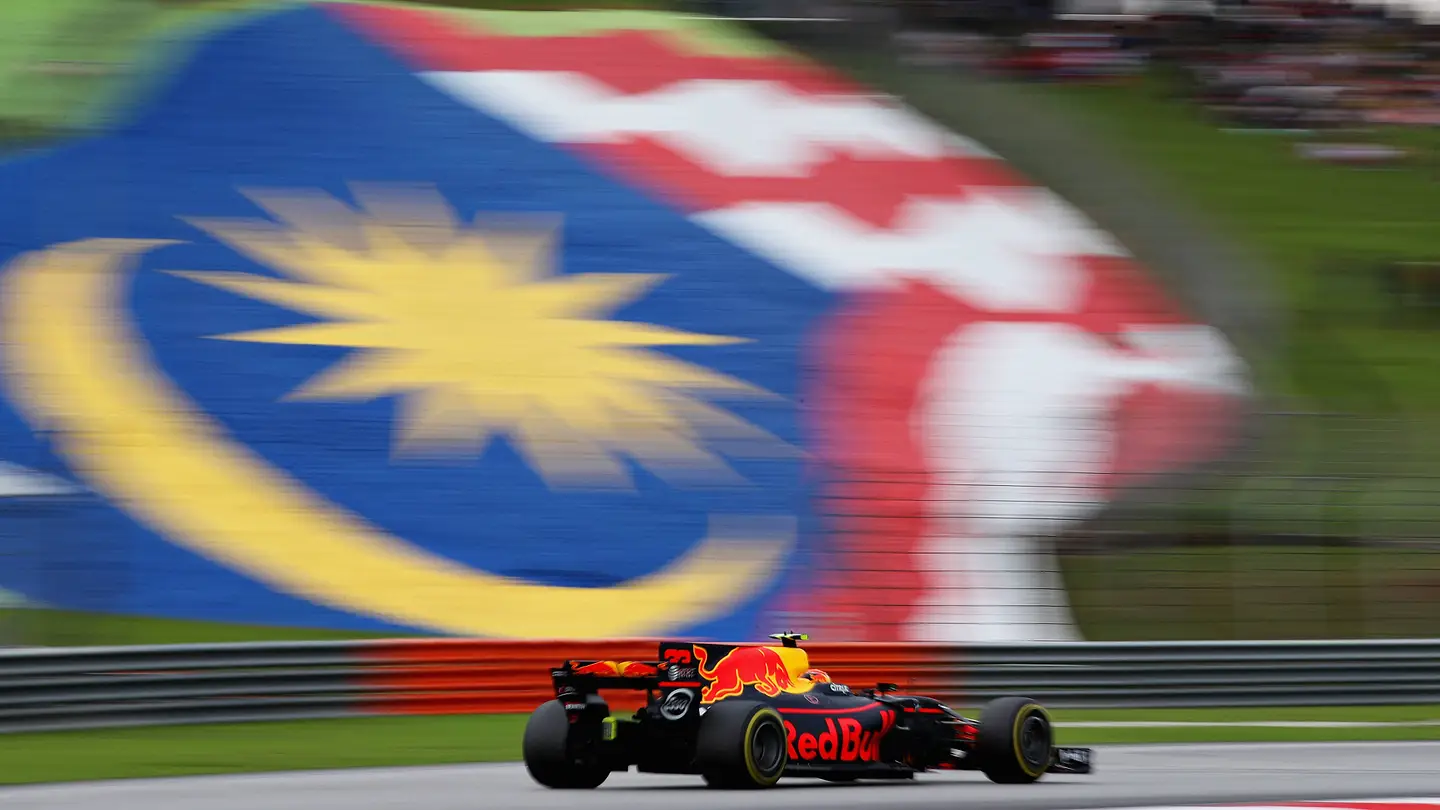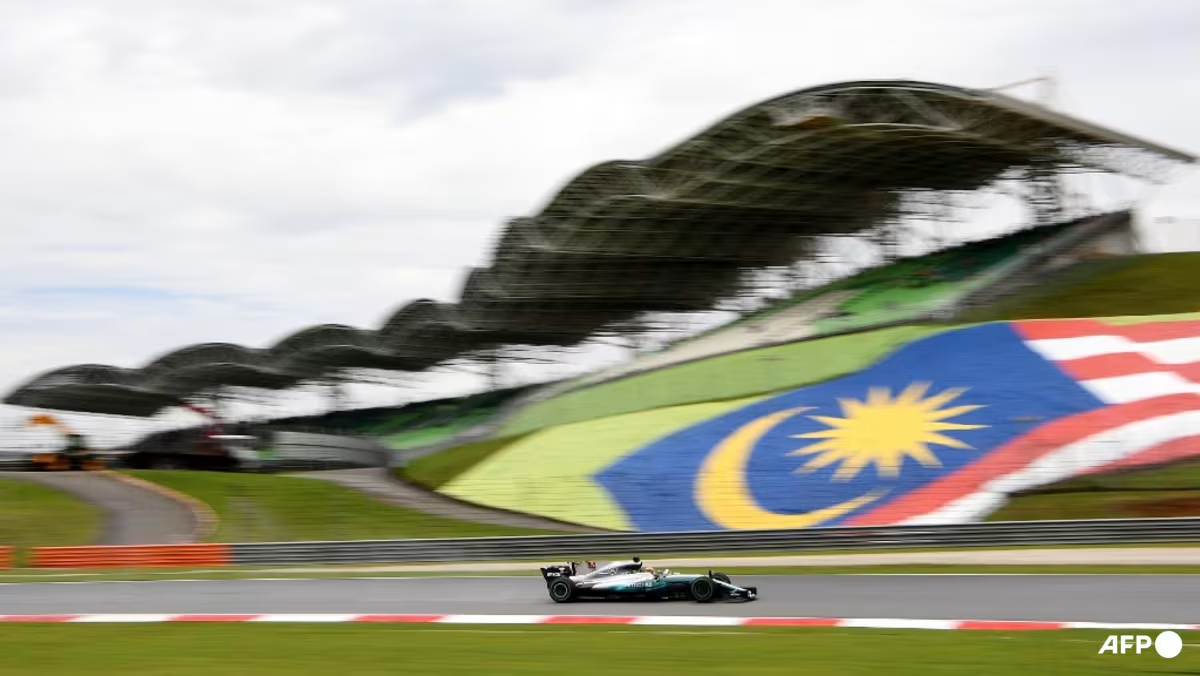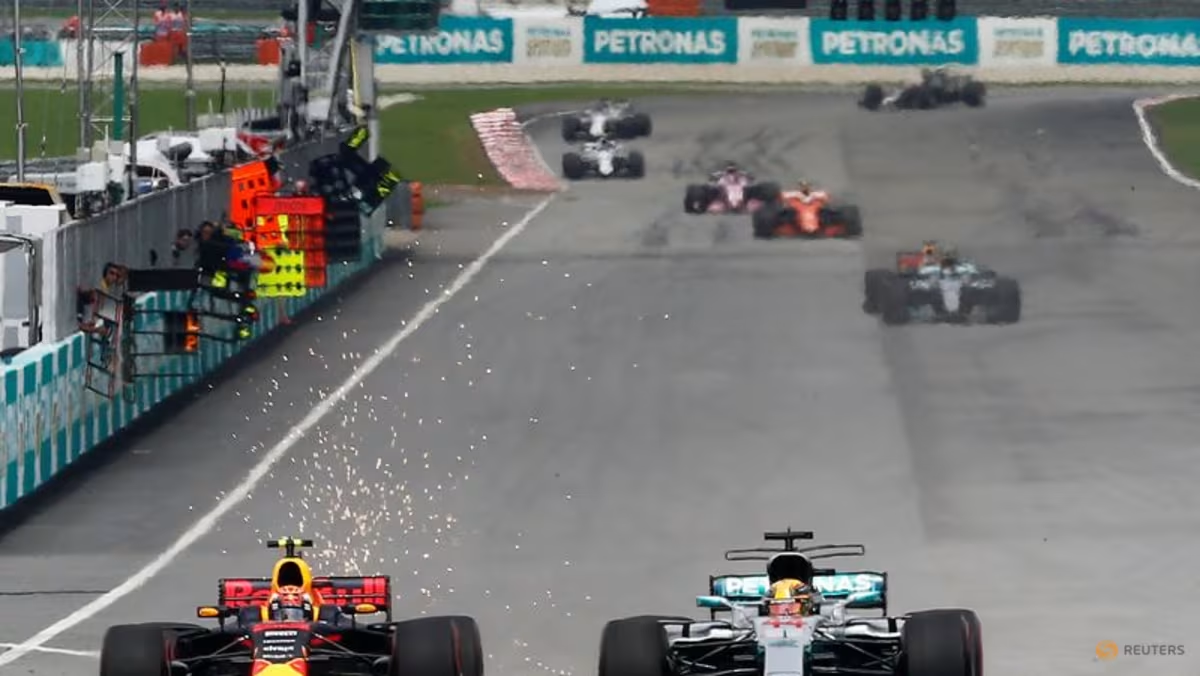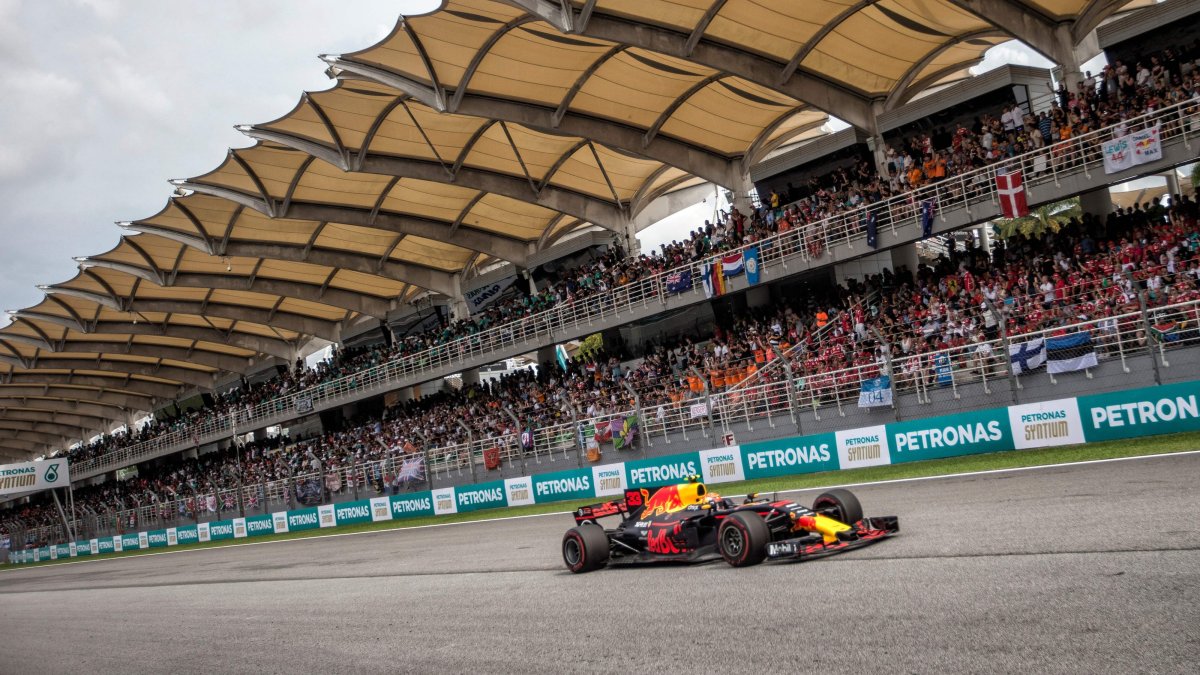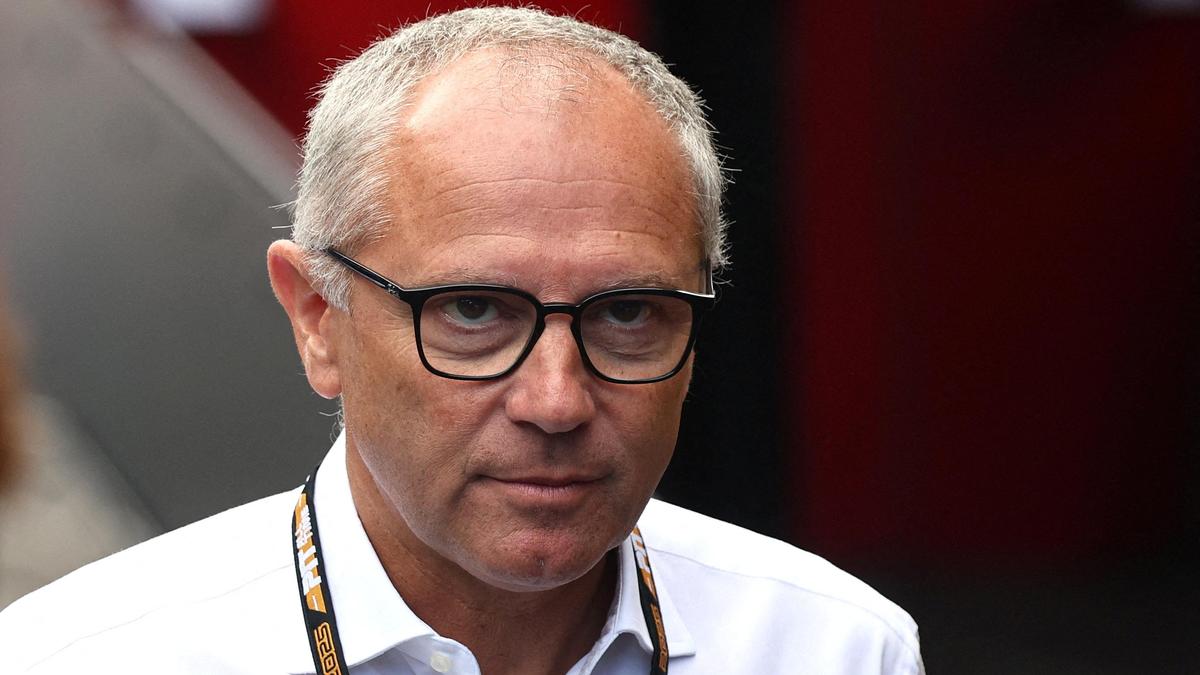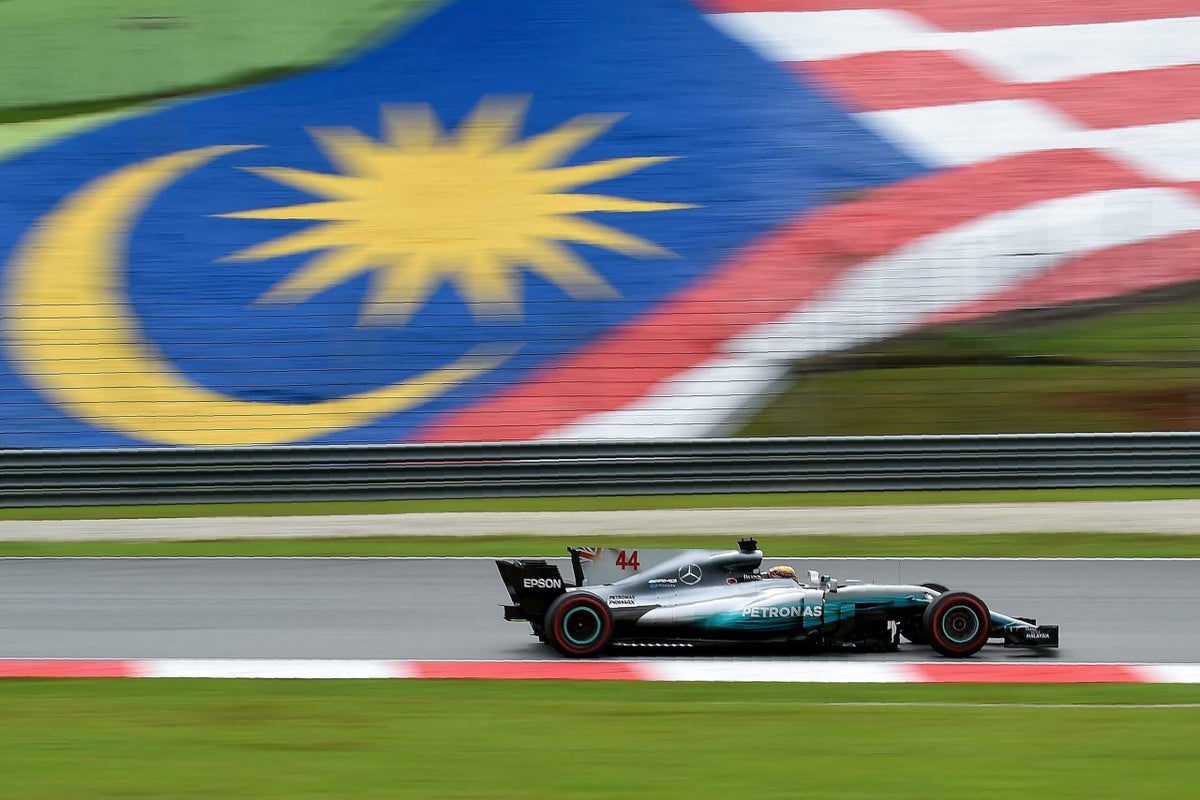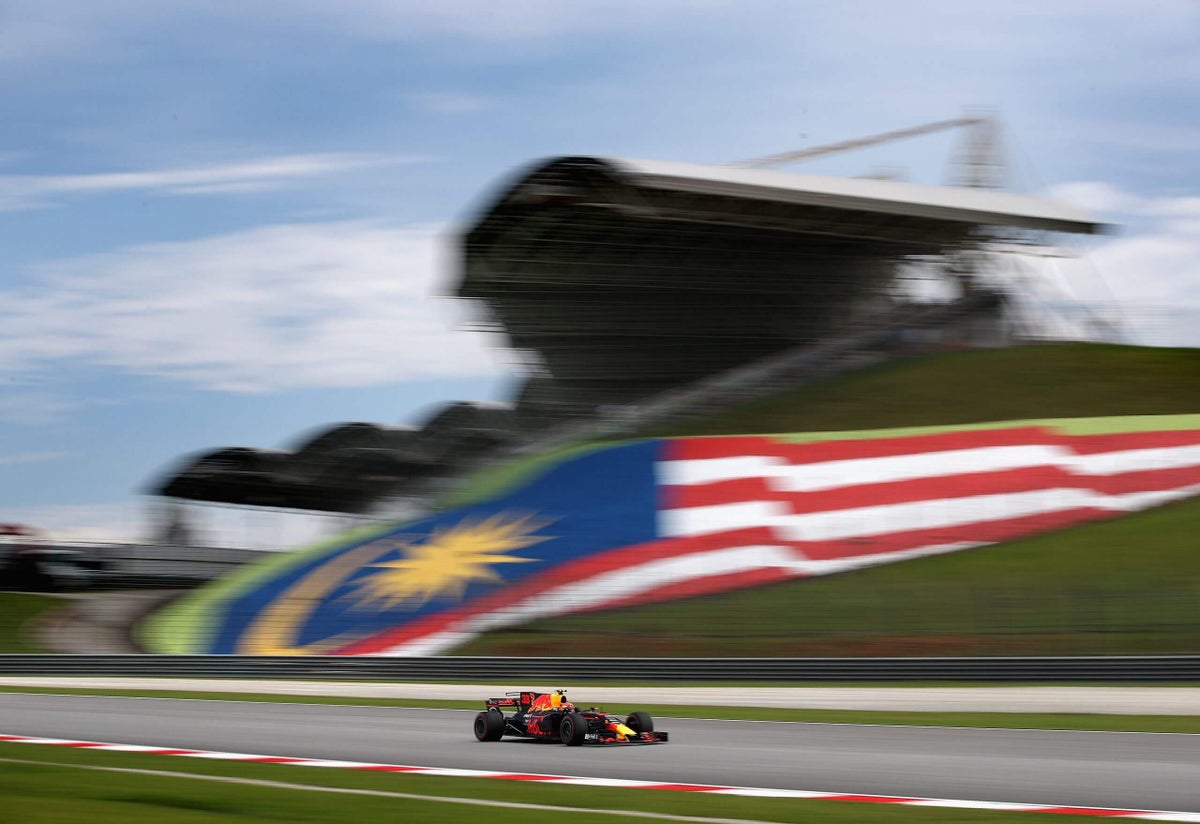
When the promoter of the Malaysian Grand Prix bid farewell to Formula 1 in 2017, it did so with very little regret following an 18-year stint on the calendar. Now, the race is coming back, with a strange new title: the Bahrain Grand Prix in Malaysia.In 2017, Liberty Media was in its first year of owning F1’s commercial rights and was only beginning to put its mark on the sport. It had sights set on so-called “destination cities” such as Miami and Las Vegas. It saw plenty of easy wins and ways to grow. But Malaysia wasn’t interested.The then-CEO of the Sepang International Circuit, Razlan Razali, did not believe F1 was a compelling enough product to make it worth lofty hosting fees, reportedly upward of $40million per year. He even went as far as saying he wouldn’t accept hosting F1 for free.“It’s hard to sell this kind of event and to get bums on the seats,” Razali told Reuters. “It’s not worth the investment at the moment.”Razali’s comments would age poorly. F1’s rapid growth in recent years has turned almost every race on the calendar into a sell-out, with booming viewership figures and team revenues to match. Now Malaysia is back on the calendar for 2026, albeit under a different name.The race — officially known as the Formula 1 Gulf Air Bahrain Grand Prix in Malaysia — will be held on October 4, slotting between the events in Azerbaijan and Singapore, with the ongoing conflict in the Middle East scuppering F1’s hopes of restoring an actual round in Bahrain to the calendar. This race was initially canceled back in March.Malaysia is making a surprise return for what was a popular event within the F1 paddock.Drivers loved the Sepang circuit’s long, flowing corners and many overtaking opportunities. But, importantly for the sport, it also provides a boost to the 2026 calendar with lingering uncertainty over the planned return to the Middle East for the scheduled races in Qatar and Abu Dhabi at the end of the season.F1 initially called off Bahrain and Saudi Arabia — scheduled for April 12 and April 19, respectively — following the outbreak of the Middle East conflict. It opted not to fill the ensuing one-month gap this opened up in the schedule, but soon expressed hopes it could restore one or both of the canceled races. However, this was dependent on the conflict ending.There was a financial interest for the F1 paddock in getting the races back on the 2026 calendar.Each round pays a hosting fee that bolsters not only the F1 organization’s revenues, but also the prize money that goes to teams at the end of each year.Bahrain and Saudi Arabia are two of the highest-paying races on the calendar, with fees reportedly worth in excess of $50 million per year. Either race being added back in this year would help limit the possible dent to these payouts.When the U.S. and Iran signed a framework agreement for a ceasefire in June, Bahrain returning to the calendar became a serious possibility. A small amount of F1 kit remains in the country after it was used in preseason testing back in February.The one-week gap between Azerbaijan and Singapore also made geographical sense, with Bahrain serving as a stop en route between the two races. The creation of a third triple-header in the final 11 weeks of the season ahead of the Austin-Mexico-Brazil and Las Vegas-Qatar-Abu Dhabi trios was deemed acceptable.But the resumption of hostilities in the Middle East earlier this month, followed by President Trump’s declaration the ceasefire was over, ended hopes of restoring Bahrain this year. Bahrain has been a regular target for Iranian attacks and hosts the Fifth Fleet of the U.S. navy.Kimi Räikkönen drives for Ferrari in the 2017 Malaysian Grand Prix (Clive Mason/Getty Images)The fluid and fragile situation always meant a decision would be left late to allow all options to be explored, with F1 always staying in close contact with local authorities and governments to be as informed as possible about the situation.With teams needing clarity on plans before the summer break, the Bahrain plan had to be abandoned. But such has been the increase in demand to host a grand prix since 2017, F1 had plenty of approaches from circuits to step in if required.When the Covid-19 pandemic impacted the 2020 season and the early part of 2021, F1 was able to still put together schedules by leaning on tracks such as Portimão in Portugal, Istanbul Park in Turkey and Imola in Italy.What race could ultimately go between Azerbaijan and Singapore was always going to be dictated by geography.Putting a race in Europe in this gap was never realistic. If it couldn’t be Bahrain or anywhere in the Middle East, then an event within the region of either Baku or Singapore was more logical.This is where Malaysia entered the frame. Sepang has retained its status as a Grade 1 certified track with the FIA, allowing it to easily step in to host F1 without requiring any major work to the facility.The track has continued to host MotoGP motorcycle races since losing its F1 race, giving it experience with major motorsport events.Malaysia also appealed to the F1 organization, which is eager to tap into the growing Asian market, one currently served by races in China, Japan and Singapore.Kuala Lumpur is around a one hour flight from Singapore, reducing the logistical headache for teams and making the demands of a tripleheader more palatable. The Sepang track is also located right next to Kuala Lumpur International airport, which helps with moving F1 freight.With discussions quickly advancing, The Athletic reported on Thursday that Malaysia had emerged as a serious option for the gap between Azerbaijan and Singapore. The deal was then finalized, to pave the way for Sunday’s confirmation.The Malaysian Prime Minister, Datuk Seri Anwar Ibrahim, had teased on Saturday that an F1 announcement was coming.Both the Malaysian and Bahraini governments worked with F1 to broker the deal. In its announcement, the Crown Prince of Bahrain and the Prime Minister of Malaysia both highlighted close relations between their countries as being the foundation for the agreement.The race not being called the Malaysian GP but instead the Bahrain GP hosted in Malaysia seems strange on the outside. Yet it points to how this became a reasonable solution for all parties involved.Bahrain still gets its name on a grand prix, having taken on much of the financial commitments and responsibilities to make a race happen at such short notice.Malaysia can test the waters of F1’s popularity and interest once again with a greatly reduced financial outlay due to the late notice of the deal (which occurred with several replacement races during 2020) and Bahrain’s involvement. And the F1 organization gets to add another race to the calendar, offering a financial boost down the line in the process.And for everyone in the F1 paddock, there is now additional clarity on plans for the second half of the season heading into the summer break, while bumping the calendar back up to a provisional 23 races.The start of the 2025 Bahrain Grand Prix. (Mark Thompson/Getty Images)But there are still serious question marks over the final two rounds of the year, scheduled to be held in Qatar and Abu Dhabi. The World Endurance Championship, the premier global sports car series, is set to scrap its plans to return to the Middle East at the end of the year, due to the resumption of hostilities in the region.WEC was due to go to Qatar on October 24 (having already postponed this race once due to the conflict) and finish its season in Bahrain on November 7. But it is expected to announce in the coming days that it will replace these races with Barcelona in Spain and Monza in Italy.F1 is different to WEC. Its bigger reputation and commercial pull means more options get explored before taking a decision to postpone races. Yet there remains a spotlight on what may happen at the end of the F1 season, especially with no fresh sign of the conflict ending any time soon.The approach F1 takes for Qatar on November 29 and Abu Dhabi on December 6 may end up being similar to the one it took for getting the Bahrain replacement onto the calendar.Realistically, it has until early October to make a final decision before teams must know where their freight intended for those races must be sent, leaving time for the geopolitical situation to evolve if desired.F1 could take an earlier call if it decides the paddock would benefit from the certainty of knowing how the season will finish and if question marks continue to linger.But, right now, F1’s intention will be to race in Qatar and Abu Dhabi as planned. In that event, the season would conclude on December 6 and feature 23 races — only one shorter than originally planned.If that is not possible, then a single, alternative option at a track in Europe looks to be F1’s most likely course of action, with Imola now considered the front-runner.Although both Portimão and Istanbul are set to return to the full F1 schedule in 2027 after both secured multi-season deals this year, work at both tracks to prepare for the scale of those events (a step up on the Covid-impacted races both held in 2020 and 2021, where spectator attendance numbers were capped) would add an extra layer of complexity to squeezing them in at the end of the year.Imola ran its final contracted edition of the Emilia Romagna GP last May, and was also host of the WEC season-opener earlier this year.As there is an Italian driver, Kimi Antonelli, leading the F1 world championship, and the fact F1 CEO Stefano Domenicali is from Imola, concluding the season there would carry some added appeal — even with predicted cold conditions in early December.As fluid as the situation remains in the Middle East, and as unusual as it may be to have a race in Malaysia named after a Gulf state, the announcement does at least get F1 a step closer to knowing how the second half of this year will unfold after many months of questions.The full answers regarding the conclusion of the season may not arrive for a while longer. But for now, the F1 community can look forward to an unexpected but welcome return to Sepang.
Why F1 will hold its Bahrain GP in Malaysia. Plus, what we’re hearing about Qatar and Abu Dhabi
The Malaysian Grand Prix will replace the Bahrain race canceled due to the Middle East conflict
1,726 words~8 min read