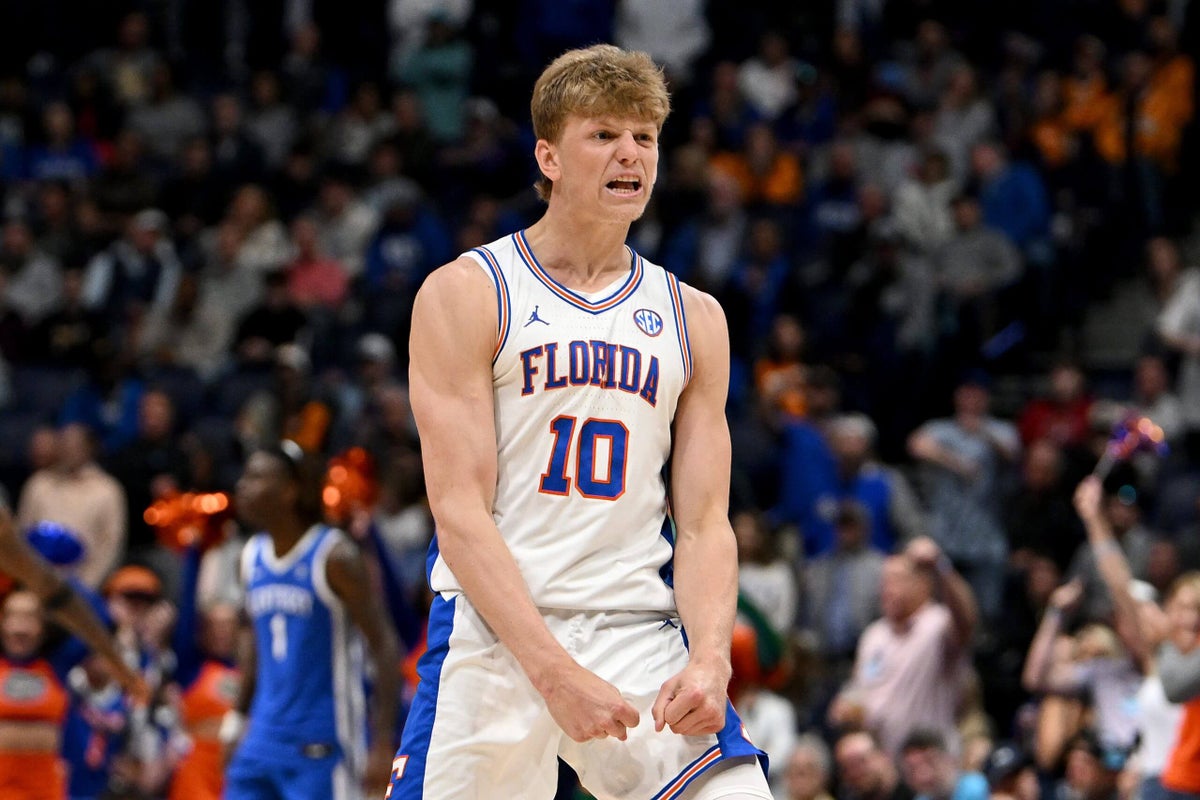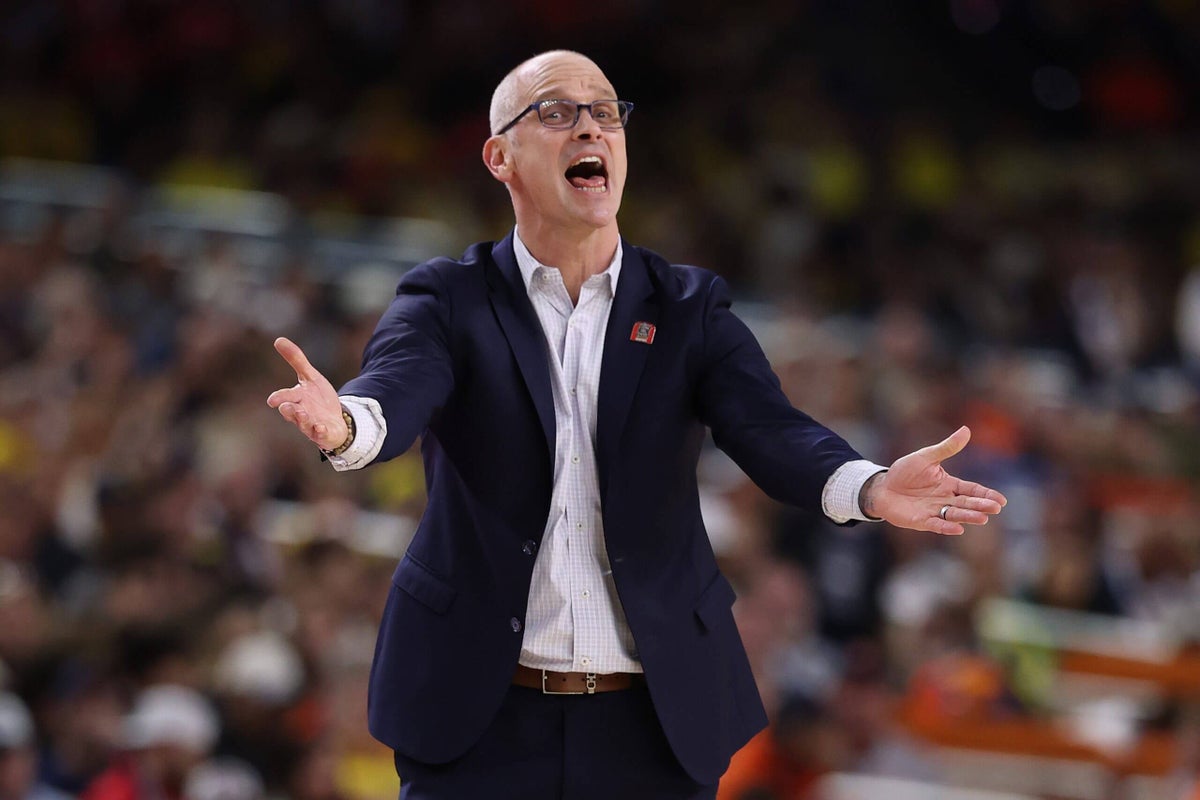
NORTH AUGUSTA, S.C. — If you want to be a competitive college basketball program next season — maybe not a national title contender, but at least an NCAA Tournament team — then there’s a new unofficial minimum you probably have to meet from a spending perspective:$10 million.“Every year we’re like, OK, this is the last year — and then that s— just keeps going up,” one SEC head coach said of rising roster budgets. “I do not think it’s a sustainable model, but people keep paying for it.”The Athletic surveyed 25 high-major coaches at Peach Jam last weekend, many of whom spoke on the condition of anonymity because roster numbers are not made public and to protect their relationships with other coaches. We found that last year’s swollen budgets were only the beginning. This spring, college hoops teams went on staggering spending sprees, with some individual players set to earn as much as entire teams did a season ago. To get a better sense of how much it actually cost to put together a team this offseason, we asked all 25 coaches: On average, what would you estimate teams in your conference spent on their rosters for next season?The results were jaw-dropping, especially compared to our data from last summer:League2026-27 Season (Estimated)2025-26 Season (Estimated)Year-over-year percentage increaseSEC$18 million$9.7 million85.60%Big East$14.5 million$8 million81.30%Big Ten$14.3 million$8.5 million68.20%Big 12$13.8 million$8.6 million60.50%ACC$11.5 million$8.2 million40.20%Last offseason, when revenue-sharing was officially introduced as a result of the House settlement, many coaches hoped that roster budgets were at (or nearing) their all-time peak. That’s because teams were essentially working with two pots of money in the same offseason: any funds they’d already raised — and had to spend — before the adoption of the House settlement; and then whatever revenue-sharing money they received from their athletic departments.“Everyone was trying to front-load, because that’s when you were going to feel the House stuff,” said one ACC head coach. “You hear all the time that this is not sustainable, but every year the prices go up, so we need to stop saying that. Somehow we’ve been able to sustain it.”Perhaps the most notable change from last offseason is that the high-major leagues are no longer as tightly clustered in spending. While every league has its outliers, the SEC is broadly starting to separate from the pack, which tracks with the conference’s increased revenue from its TV deal with ESPN.One SEC stalwart, Kentucky, made headlines last season for its reported $22 million roster, which was believed to be the most expensive in college hoops history. But now, only a year later?“There has to be at least three or four teams (in our league) that are in the $30 million range,” said one SEC assistant.How many college basketball players will make more money than LeBron?The other reason for the SEC’s growing emergence? A lack of bottom-feeder teams who lag significantly behind their counterparts in spending. Comparatively, coaches said that most of the other high-major conferences — none more so than the ACC — still have chasm-like gaps between their highest- and lowest-spending programs.
College basketball rosters now start at $10 million. And one league is spending 3 times that
Last season, Kentucky made headlines for a $22 million team. Multiple teams have soared past that amount this offseason.
1,213 words~6 min read