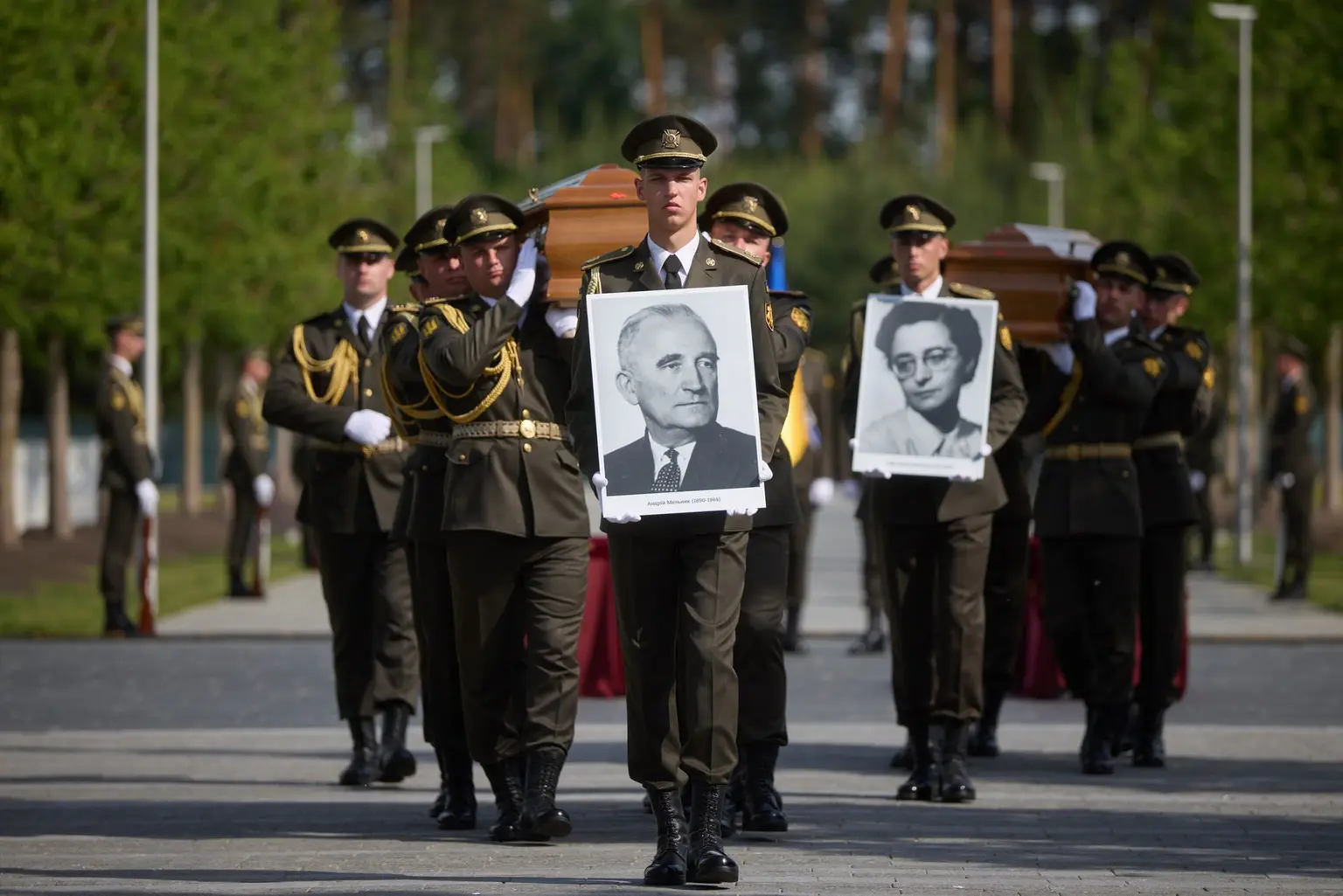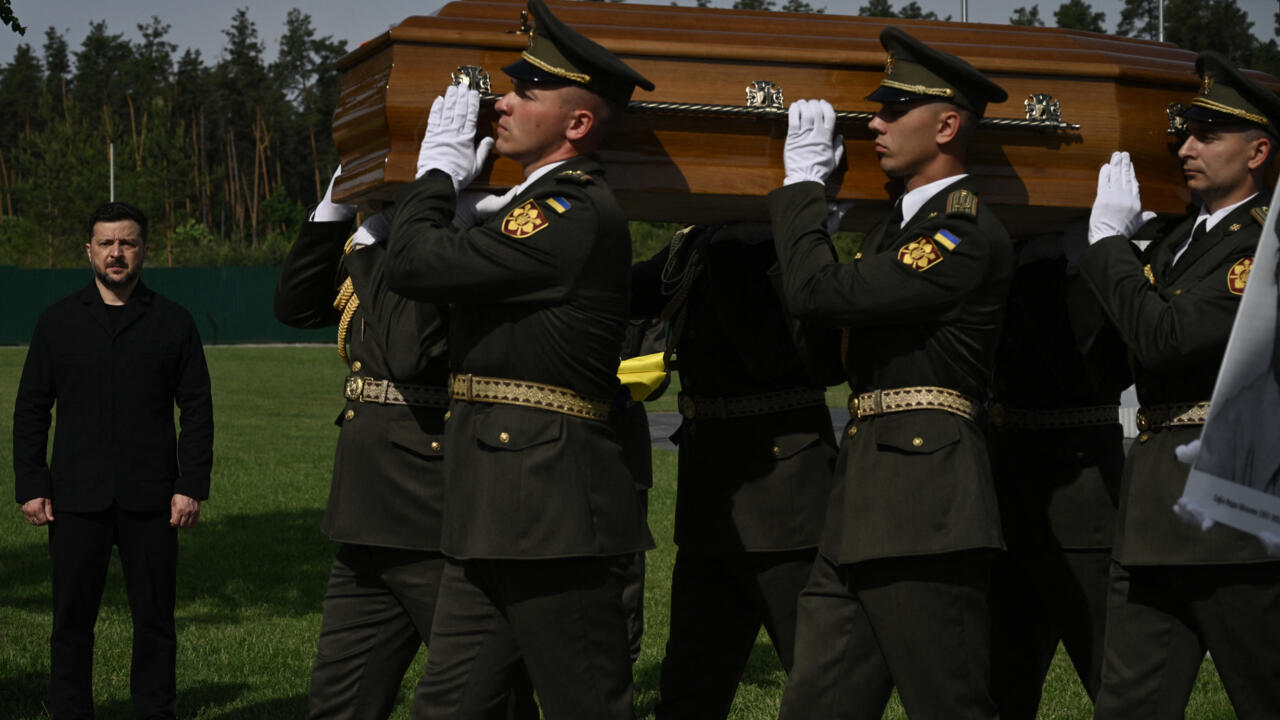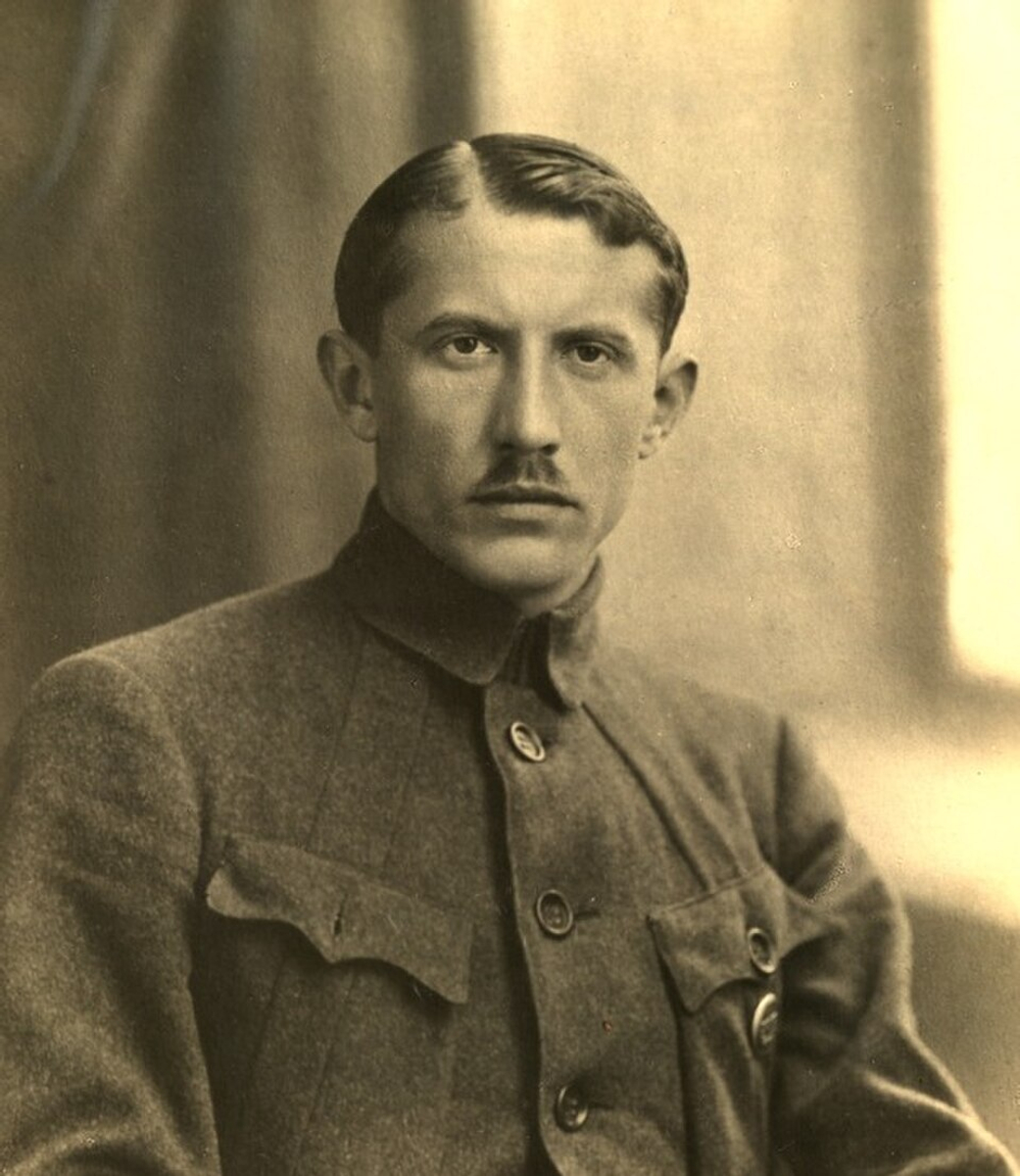
Ukraine’s plan to build a National Pantheon has drawn sharp criticism abroad. Some argue that certain individuals and national liberation movements – figures like Col. Yevhen Konovalets, a founder and the first leader of the Organization of Ukrainian Nationalists (OUN) – should never receive official recognition. Fair enough – legitimate debate isn’t precluded. But an obvious question follows: do those making these arguments apply the same standard to their own countries?Rarely.JOIN US ON TELEGRAMFollow our coverage of the war on the @Kyivpost_official.Collective memory is never neutral. Every nation constructs a historical narrative rooted in its own experience rather than any universal consensus. And outsiders seldom interrogate their own traditions; more often they object to someone else’s.Britain celebrates Oliver Cromwell as a defender of parliamentary government, though in Ireland he is associated with massacres and dispossession. France celebrates Napoleon as a state-builder and architect of its modern institutions, despite wars that caused millions of deaths across Europe. Poland reveres Józef Piłsudski as the restorer of its independence, even though Ukrainians associate him with the brutal 1930 “Pacification” campaign in occupied western Ukraine. Israel commemorates Menachem Begin as a pivotal figure in the creation of the Jewish state, even though the Irgun, the underground organization he led and which the British classified as a terrorist group, carried out the 1947 kidnapping and gruesome hanging of two British sergeants, one of Jewish heritage. Yet no one seriously demands that Britain erase Cromwell, France renounce Napoleon, Poland abandon Piłsudski or Israel banish Begin.
If Other Nations Get to Choose Their Heroes, Why Not Ukraine?
Every nation chooses its heroes. Why, then, is Ukraine expected to seek the approval of others before honoring its own?
927 words~4 min read