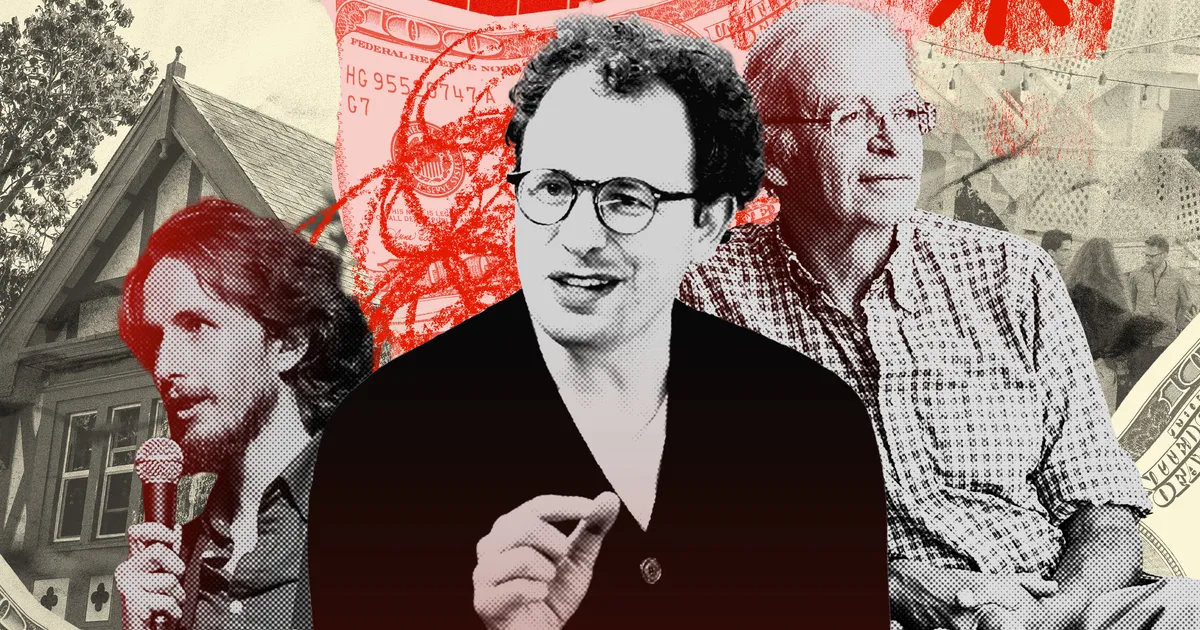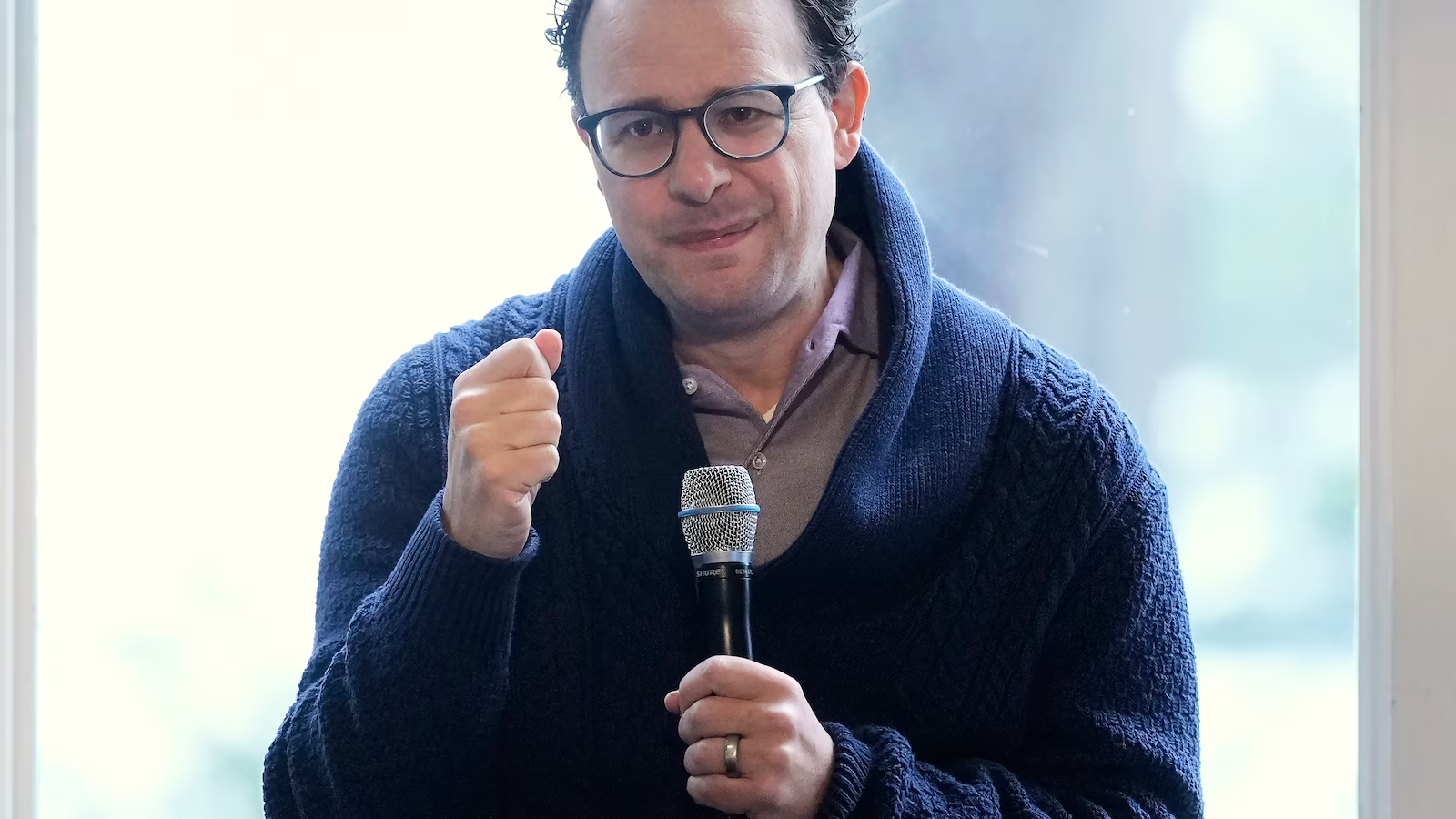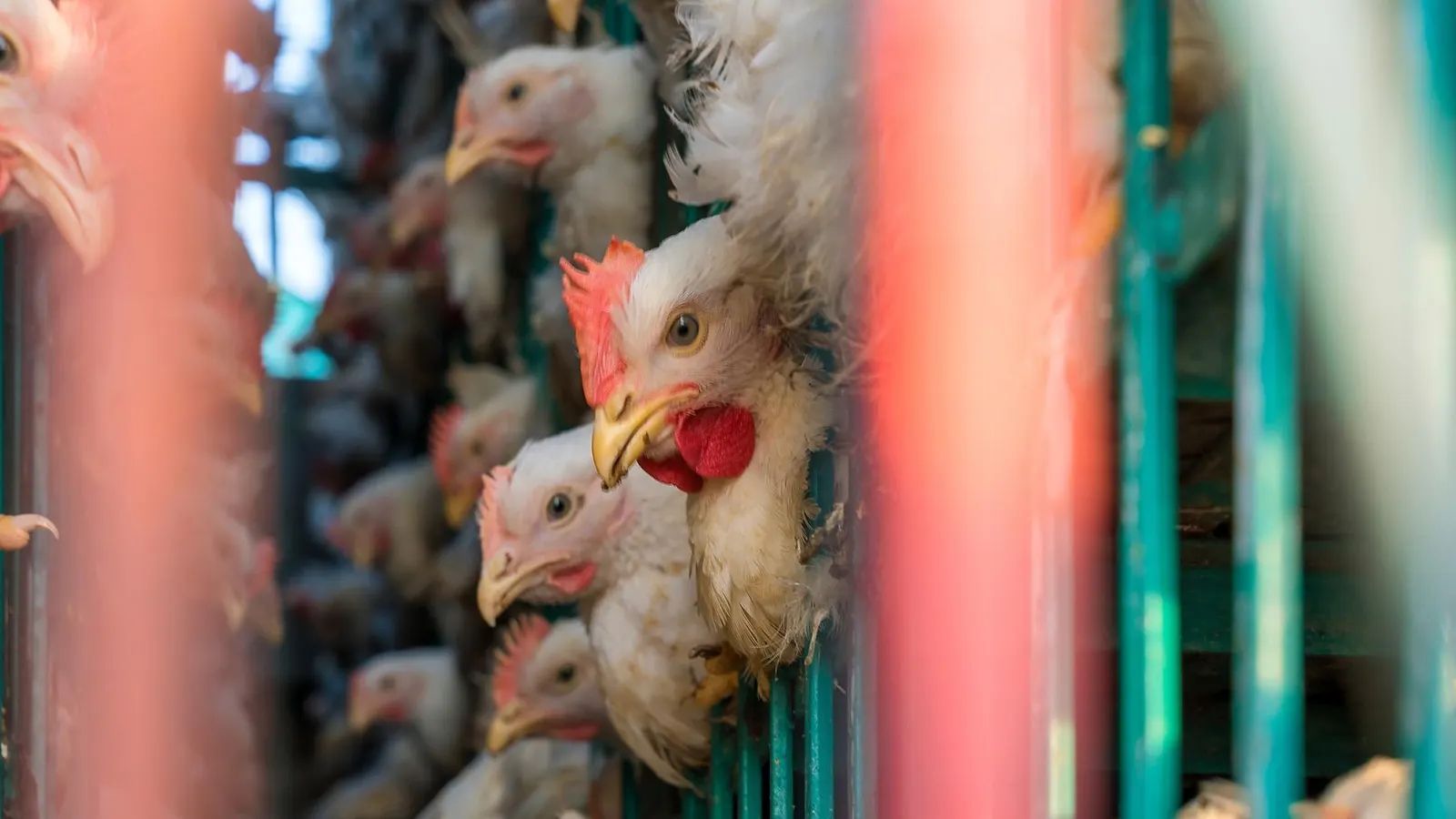
Late last year, as factory farming advocate Lewis Bollard prepared to go on the Dwarkesh Podcast, a must-listen among the AI insider crowd, host Dwarkesh Patel dropped a bombshell: he would put up as much as $250,000 of his own money to match listeners’ donations to FarmKind, a charity fighting factory farming.For most podcast hosts, $250,000 is a season’s budget. Patel viewed it more as a high-stakes litmus test of his wealthy audience’s altruism. Bollard, who was used to thinking of farm-animal welfare advocacy as a niche movement, had two immediate reactions: first, shock at the generosity of Patel’s offer. The second fear that the whole thing might flop So he quietly worked his donor list, lining up backup “sympathy donations” in case it did.The Dwarkesh PodcastPatel wasn’t worried. He made the case for generosity in terms built for AI researchers: cost, scale and measurable suffering. A $1 donation, he said, could get ten hens out of battery cage confinement, the equivalent of alleviating 10 years of suffering. Then he asked listeners to meet the full $250,000 match. After the show he went harder, posting: “Bluntly, there are some listeners who are in a position to give much more. Given how neglected this topic is, one such person could singlehandedly change the game for 10s of billions of animals.”His appeal worked. The $250,000 ceiling was met in under 2 days. As donations flooded in, Bollard and Patel scrambled to find other large donors willing to extend the match. By the end, the campaign had raised nearly $2.5 million. Bollard estimates that 80 to 90% of donors had never given to an anti-factory farming initiative. And most were rank-and-file AI lab employees.For Bollard, who leads the campaign against factory farming at philanthropy fund Coefficient Giving, the $2.5 million boon was more than just a great week. It was a market signal, a glimpse of a massive, untapped pipeline of capital emerging from the AI boom.“Are you gonna start a B2B SaaS startup, or are you gonna try to help the future go well?“
Chickens Could Be Big Winners From AI’s $300 Billion Philanthropy Wave
An army of newly wealthy AI workers is searching for causes worthy of its money. Animal advocates think they may also be sitting on the future of philanthropy.
TL;DRAI
AI boom generates $300B philanthropic wave: Anthropic founders pledge 80% wealth, OpenAI foundation $220B stake, newly-rich engineers channeling capital rapidly. For tech leaders, this signals elite AI talent expects organizational mission-alignment on existential risks—reshaping recruitment and forcing labs to justify R&D roadmaps through social-impact lens to retain top researchers.
1,516 words~7 min read