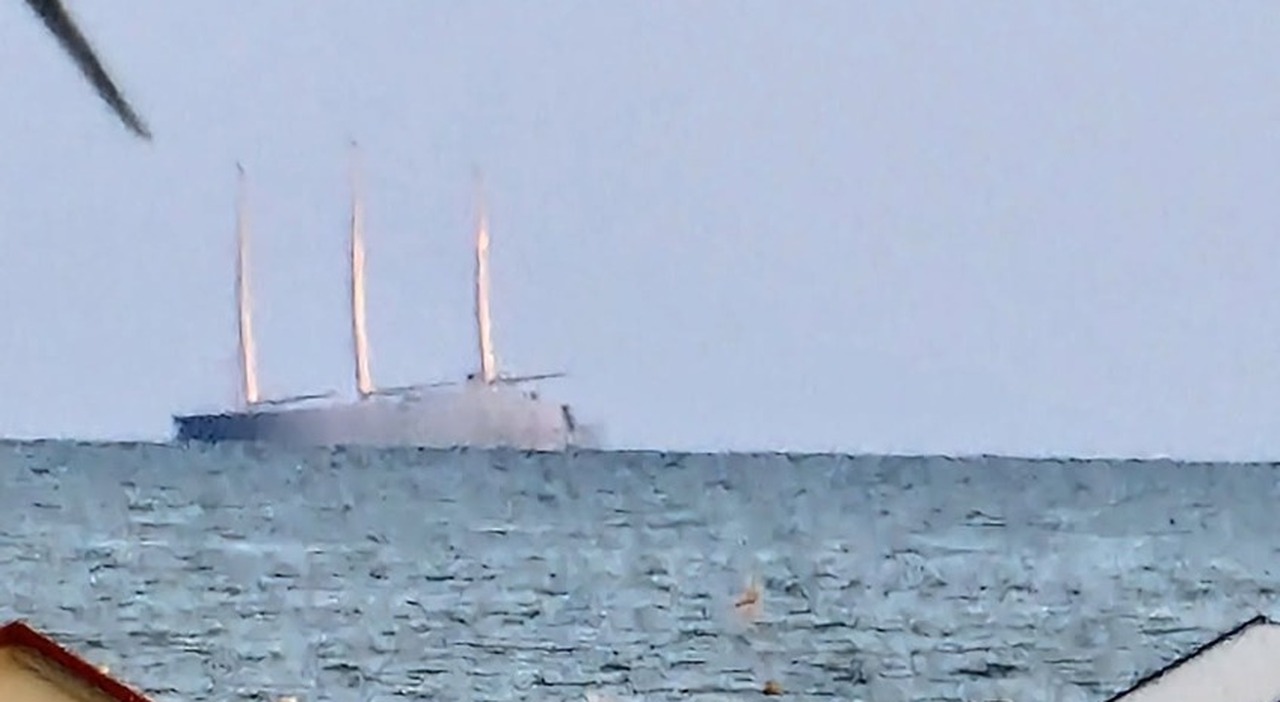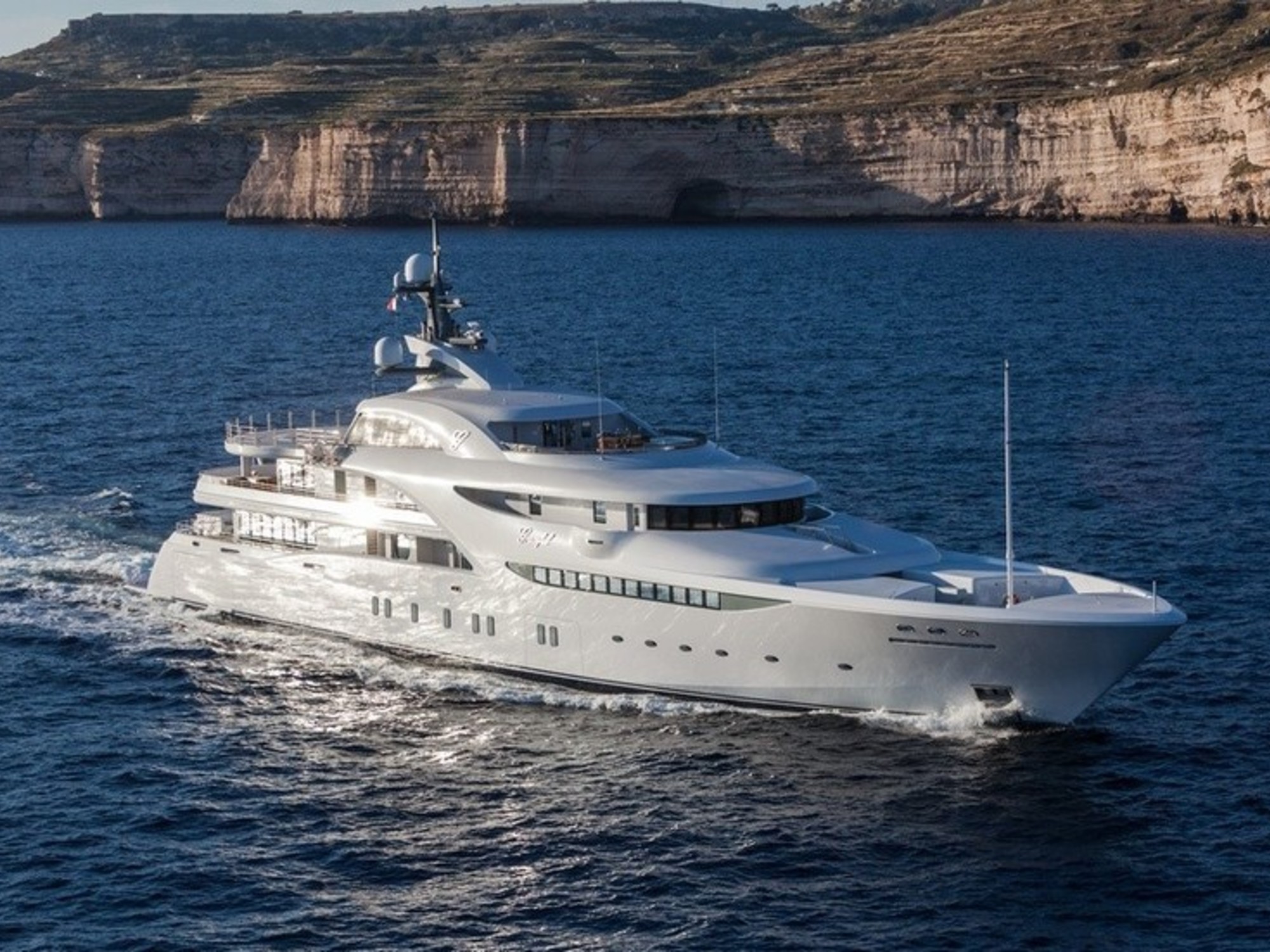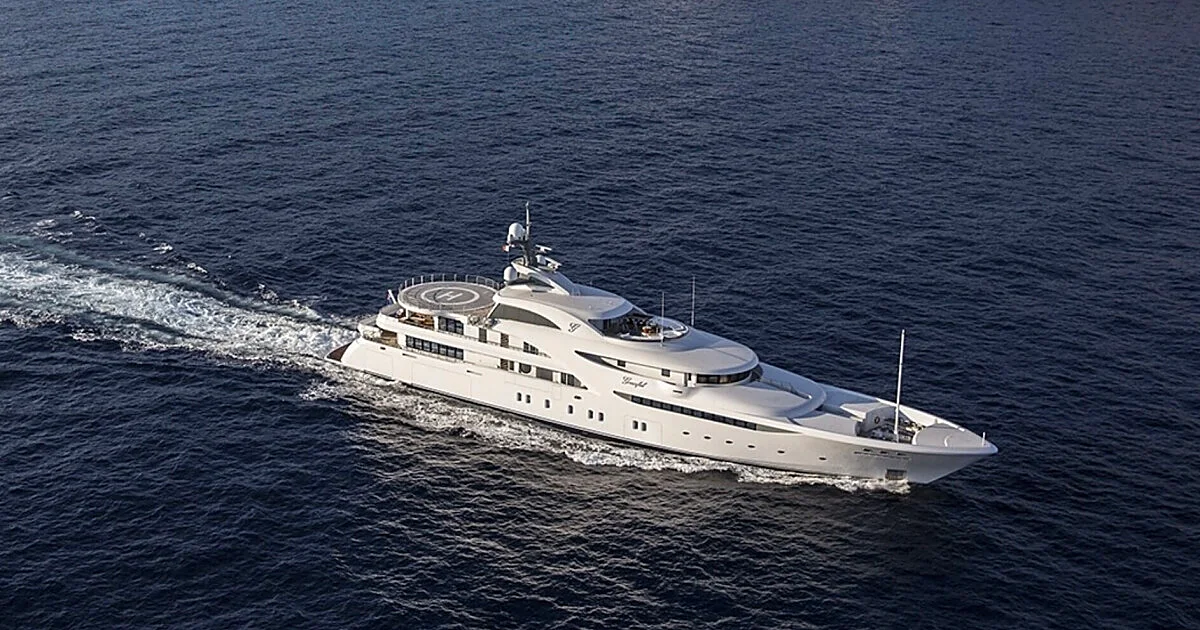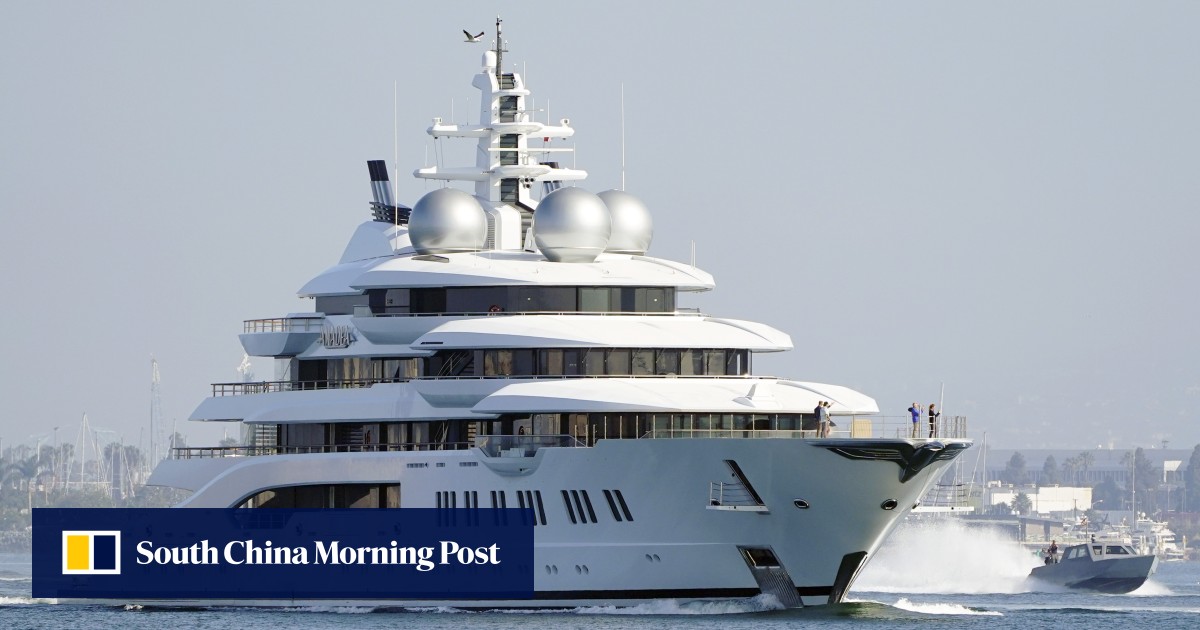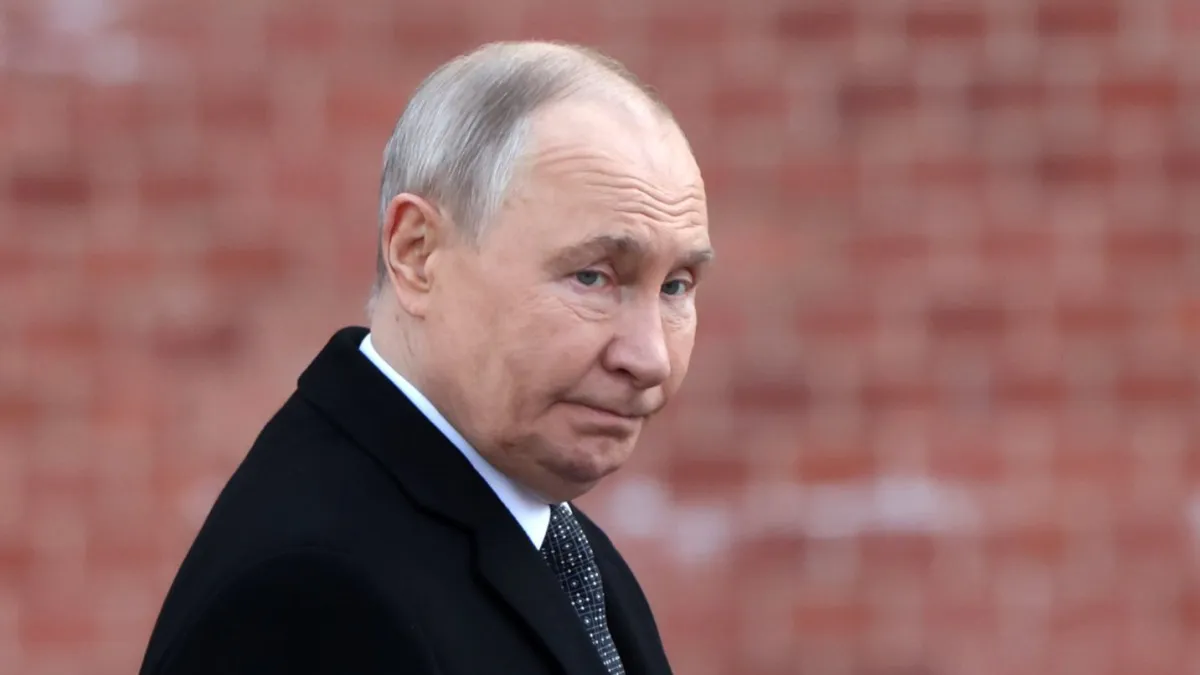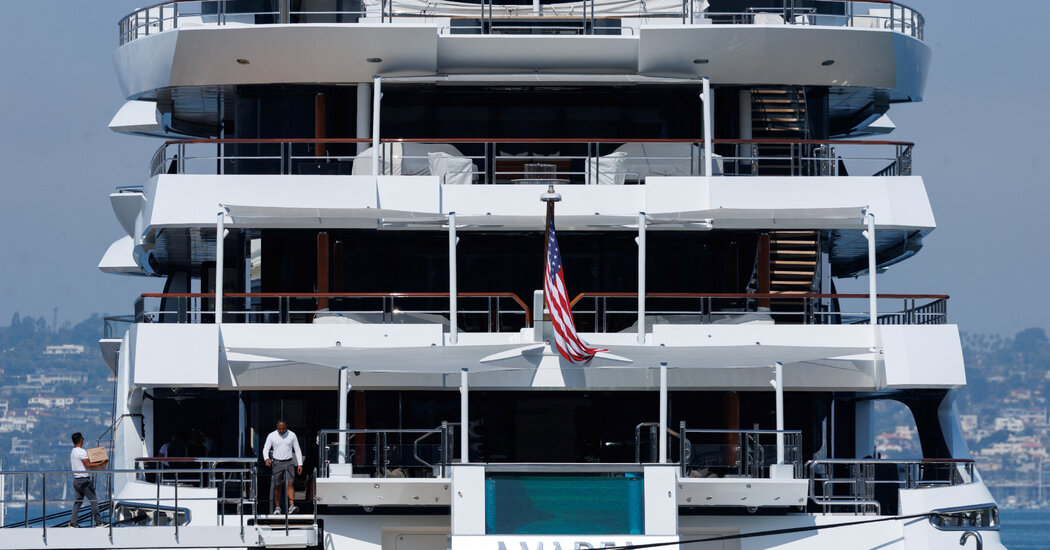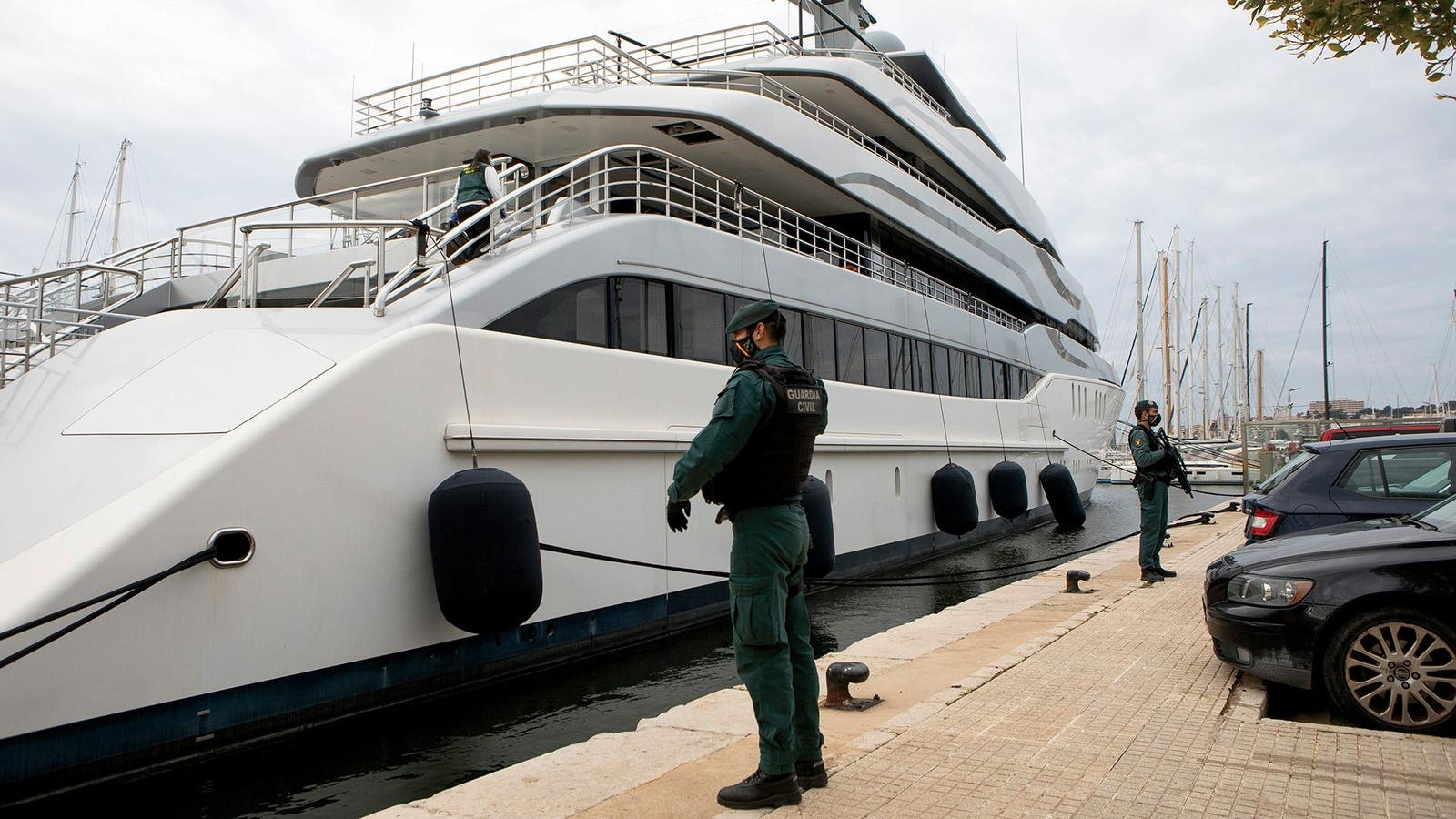
On April 4, 2022, less than six weeks after Russian forces launched their attack on Ukraine, officers from Spain’s Guardia Civil, the FBI and Homeland Security boarded Tango, a 255-foot superyacht in the Spanish port city of Palma de Mallorca. Allegedly owned by sanctioned Russian billionaire Viktor Vekselberg (net worth: $9 billion), per the United States government, the $90 million vessel was seized under a U.S. warrant alleging bank fraud, money laundering and sanctions violations. It was the high-profile opening salvo in a Western campaign to punish the Russian oligarchs who “supported tyranny for financial gain.”“Today marks our task force’s first seizure of an asset belonging to a sanctioned individual with close ties to the Russian regime,” boasted then–attorney general Merrick Garland. “It will not be the last.” Weeks later, Garland doubled down, promising to use all available Justice Department resources to seize the assets and transfer the proceeds directly to Ukraine. More than four years later, Garland’s bold promises have dissolved into nothing but a big headache. Tango sits almost exactly where it was taken, in a costly, high-end berth in Palma. Washington is no closer to selling it, and not a penny has gone to Kyiv. Instead, American taxpayers have forked over an estimated $14 million to cover the costs of a skeleton crew, insurance, fuel and maintenance. Without footing the bill for those expenses and keeping the engines and electricity running smoothly, these superyachts begin to deteriorate almost immediately. It’s the sort of financial fiasco that would have cost anyone in the private sector their career but is sadly par for the course among public officials.“I can see it from my office window. It’s just been there for years, sitting outside in the sun,” says Sam Tucker, a yacht broker at Moravia Yachting in Palma, who says he often sees a skeleton crew of about ten people onboard the yacht. “The paint is getting old, underneath the boat is probably filthy. It’s just about legal and floating.”Miguel Ángel Serra, the founding partner of Palma-based law firm Legalley, estimates that governments are learning the hard way just how expensive it is to manage an idle asset. “Non-operational superyachts cost a lot of money,” he says. “It’s tremendously expensive even if it doesn’t move.”In the frantic months after Putin’s invasion, 11 Western governments froze or detained at least 20 Russian-linked superyachts valued at roughly $4.3 billion at the time. It was a master class in wartime PR, suggesting swift justice: Confiscate, sell and use the proceeds to help rebuild Ukraine.That didn’t happen. Instead the campaign turned into a bureaucratic boondoggle. Legally speaking, “freezing” a yacht is not the same as “confiscating” it, which is required before it can be sold. Over the years, only four of those yachts have been confiscated, three of which were sold at discounts. According to Forbes estimates, only two governments, those of the U.S. and Antigua and Barbuda, have gotten any cash from yacht sales after accounting for costs. None of it appears to have gone to Ukraine. Two other yachts were quietly unfrozen and released back to their owners.Meanwhile, Western taxpayers continue to foot the bills for several of the remaining 15 yachts still tied up in ports across Europe. To uncover the true costs of this failed strategy, Forbes filed freedom of information requests with government agencies in 11 countries, scoured court records and spoke with lawyers, yacht brokers and shipyards. A number of American government agencies have not gotten back to us more than a month after our formal requests; several other nations including Italy and Germany refused to provide any information, citing confidentiality clauses or stating that to do so would violate state secrets.Despite the secrecy, Forbes verified that governments have paid more than $100 million maintaining just five yachts. For the remaining yachts, Forbes worked with superyacht market data firm Phronesis Superyacht Intelligence & Insight to come up with independent estimates of the costs. In total, the four-year yacht-freezing odyssey has so far cost an estimated $390 million, with U.S. taxpayers footing at least $50 million, the second-biggest part of the bill. Italy has paid the most, nearly $100 million so far, to keep up the four superyachts it froze. Among them is the 465-foot Scheherazade—which the late Russian opposition leader Alexei Navalny’s Anti-Corruption Foundation alleged is owned by Vladimir Putin himself—that was valued at $510 million at the time it was frozen. It’s still stranded in the Italian port of Marina di Carrara, and has cost the nation about $15 million and counting, according to the financial statements of the Italian Sea Group, which owns the shipyard where the yacht has remained since May 2022.Seaway Robbery | When it was under American custody, the Amadea cost taxpayers $360,000 a month for crew; $165,000 for maintenance, crew food and waste removal; and $75,000 for fuel, plus annual insurance of $1.7 million and a onetime $5.6 million payment to put it in dry dock.Michel ChampouretFor the towns and cities stuck with the decaying vessels, it’s gone from a mild annoyance to downright irritating. In the northeastern Italian city of Trieste, residents have had their views of the Adriatic Sea marred by the 468-foot, Philippe Starck–designed Sailing Yacht A—once nicknamed the “ugliest yacht in the world” and worth an estimated $578 million when it was frozen—for four years. “This is a waste of public money—it’s a disgrace,” Trieste mayor Roberto Dipiazza told Italian newspaper Corriere della Sera in 2023. (He declined to speak to Forbes.)On the other side of the country sits the 214-foot Lady M, allegedly owned by Russian steel magnate Alexey Mordashov, per the Italian government. Parked in the Italian port of Imperia for more than 200 weeks, it’s costing about $700 a day for electricity and water and $15,000 a month in mooring fees. Then there’s another $57,000 a year for basic maintenance. “At the end of the month, we issue invoices and collect the money. The yacht is well maintained,” says Matteo Bonjean, vice director of the port of Marina di Imperia. It should be, given the more than $2 million billed so far to the Italian government. Confiscating is trickier than it seems. Freezing an asset is one thing, but seizing implies a change of ownership. For that to happen, authorities must prove that the sanctioned person committed a crime, then obtain a warrant to seize their assets. Of $58 billion in blocked Russian oligarch assets—including yachts, real estate, planes, companies and bank accounts—only about $3 billion (or 5%) has been formally seized. It’s an even tinier number when it comes to yachts: Of the 20 taken by governments, only four, worth about $530 million, have been formally seized. “I don’t think the authorities had a clue as to how much these things cost just to have there, doing nothing.”
Why Seizing Russian Yachts Has Been A Huge Waste Of Taxpayer Money
After Putin invaded Ukraine, Western countries grabbed 20 yachts to punish him and his cronies. Great PR move but terrible economics as many still rot in their berths, costing taxpayers millions.
1,746 words~8 min read