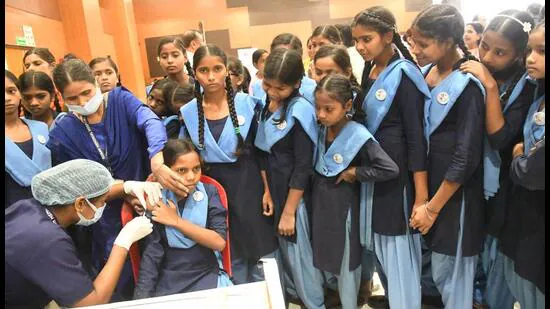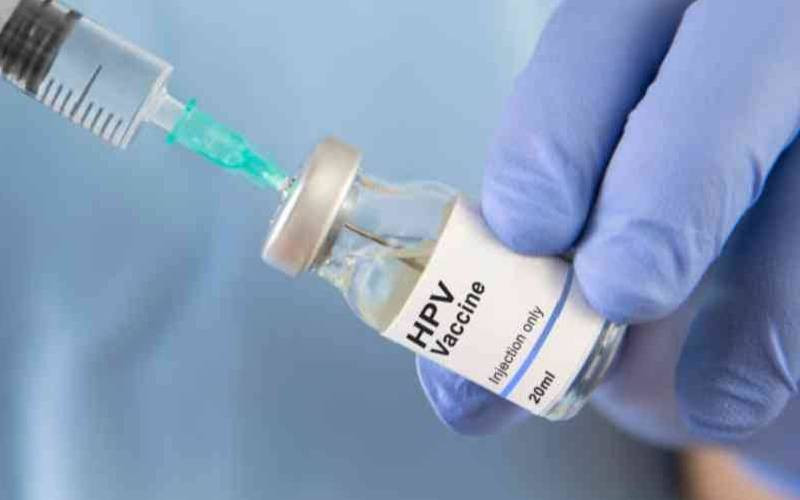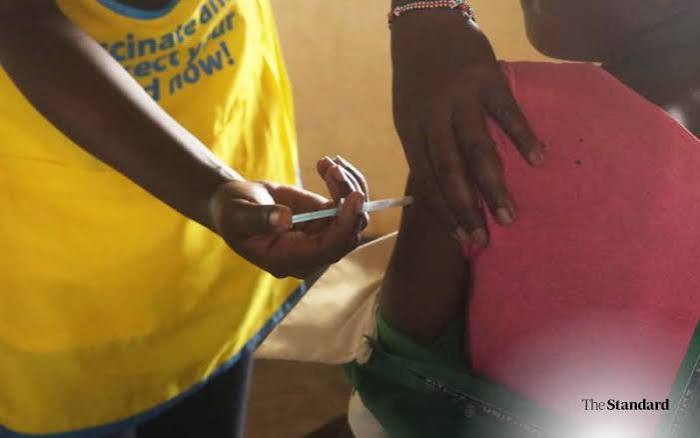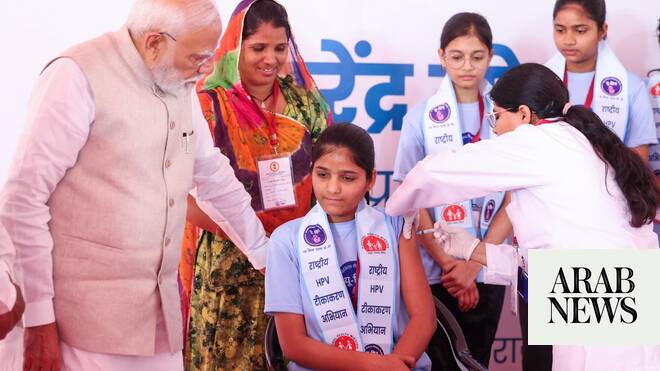
Cervical cancer is among the leading cancers affecting women in Kenya. [Courtesy]
Cervical cancer remains one of the clearest examples of a disease that modern medicine knows how to prevent, yet too many women continue to die from it. Globally, about 660,000 women were diagnosed with cervical cancer in 2022, and roughly 350,000 died from the disease. The burden is heaviest in low- and middle-income countries, where access to vaccination, screening, diagnosis and treatment is often limited.
Kenya is no exception. Cervical cancer is among the leading cancers affecting women in the country. Recent Ministry of Health figures, citing GLOBOCAN 2022, estimate about 5,845 new cervical cancer cases and 3,591 deaths in Kenya each year. That means thousands of families continue to lose mothers, daughters, sisters, wives, colleagues and friends to a cancer that can often be prevented.
This is why the conversation around the human papillomavirus, better known as HPV, deserves attention. The concern is not merely about a vaccine. It is about preventing cancer before it starts.
HPV is a very common virus, transmitted mainly through sexual contact. Most HPV infections clear naturally and never cause disease. The problem arises when infection with high-risk HPV types persists for years. Over time, this can cause abnormal changes in the cells of the cervix. If those changes are not detected and treated early, they may develop into cervical cancer. Persistent infection with high-risk HPV causes virtually all cervical cancers, with HPV types 16 and 18 responsible for a large share of cases worldwide.