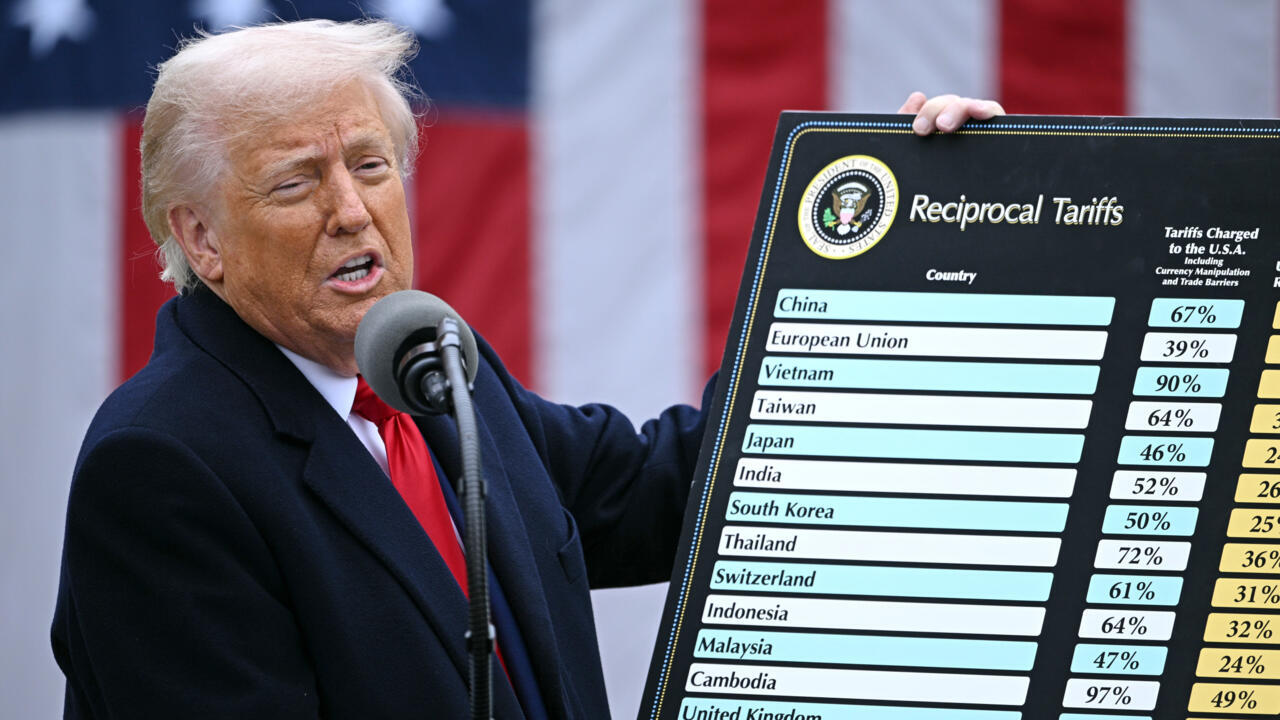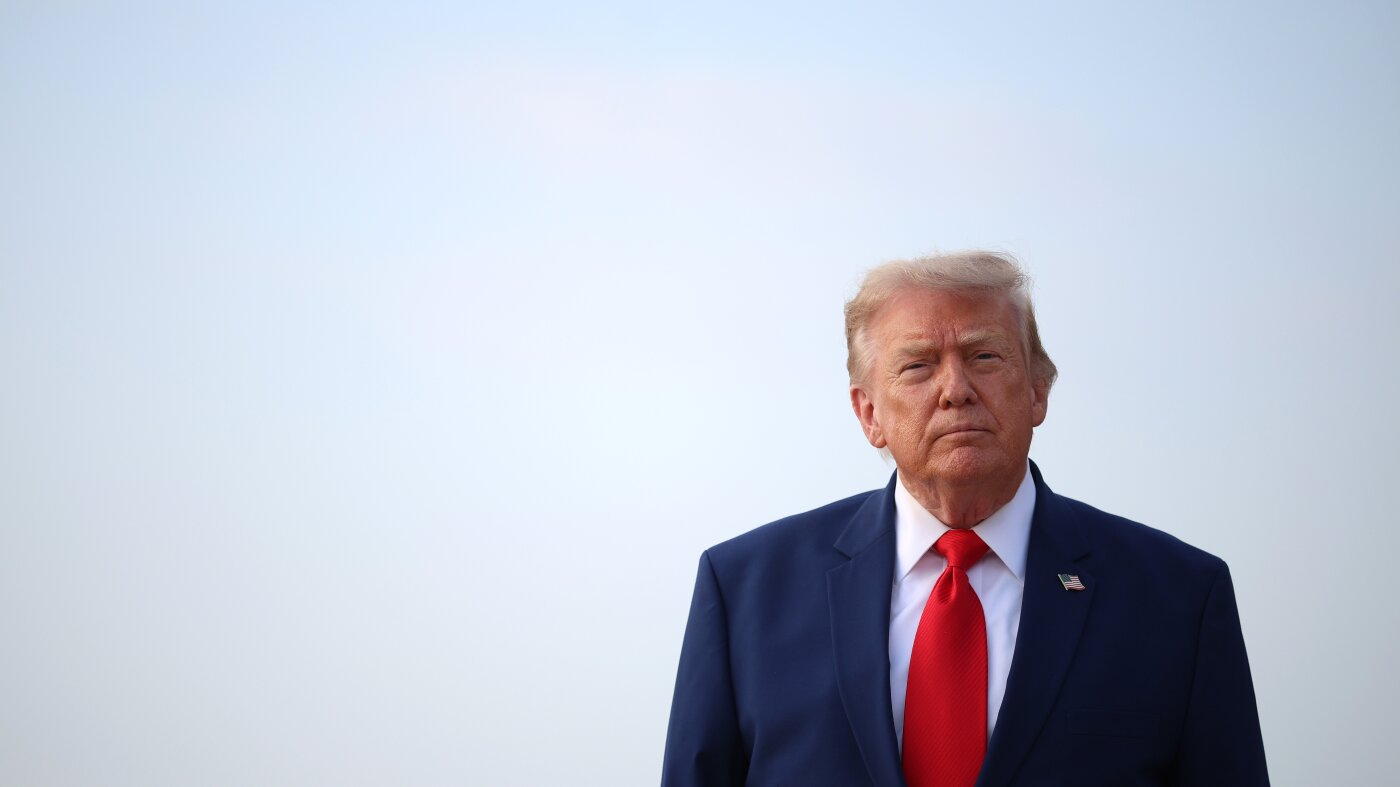
U.S. President Donald Trump did not wait long, nor did he pursue lengthy tariff investigations when he returned to office last year, opting instead to pressure trading partners into making concessions right away.
What followed was a chaotic start to a trade agenda that was eventually upended by a stinging Supreme Court defeat this year.
Now he and his team are moving into a new phase to build a more durable U.S. tariff wall using more traditional and court-tested trade laws, those he appeared to have little patience for 18 months ago.
His latest global tariff salvo – duties of 10% or 12.5% on 60 countries over allegedly weak enforcement of forced-labor bans – marks the first of numerous tariff actions to be unveiled in the months ahead.
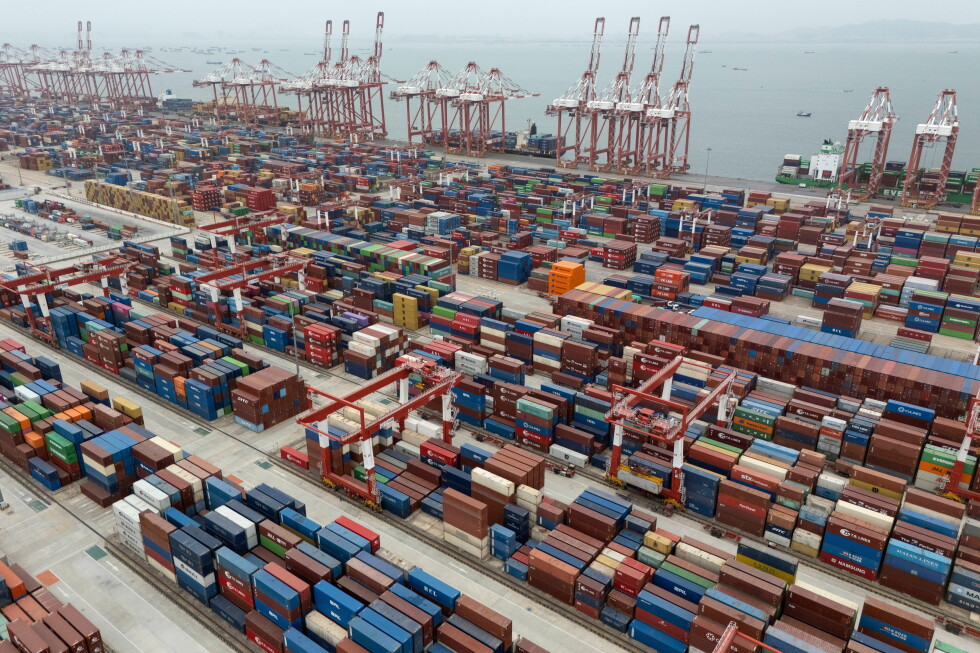
They include probes into excess industrial capacity, alleged intellectual property theft by Vietnam, and national security protections for strategic industries from semiconductors to robotics and industrial machinery.