The creators of the ARC-AGI benchmark say Anthropic's Claude Opus 5 owes its massive lead on ARC-AGI-3 to genuinely better reasoning.
The model scored 30.2 percent on ARC-AGI-3, making it the new leader. The previous record was 7.8 percent, set by OpenAI's GPT-5.6 Sol (Max). Opus 5 solved five previously unsolved environments, four of them at or above human level. That also puts it ahead of Anthropic's "Fable-class" models, which hit around 20 percent according to ARC Prize.
ARC Prize's analysis credits the lead to stronger logical reasoning, "which enables more autonomous exploration, planning, and execution across unfamiliar environments." During testing, Opus 5 also showed behavior that researchers hadn't seen from a model before. It translated tasks into algebraic notation and independently formulated reflection equations for the first time.
Claude Opus 5 leads the ARC-AGI-3 leaderboard by a wide margin, far ahead of GPT-5.6 Sol (Max) and other competitors. | Image: ARC Prize
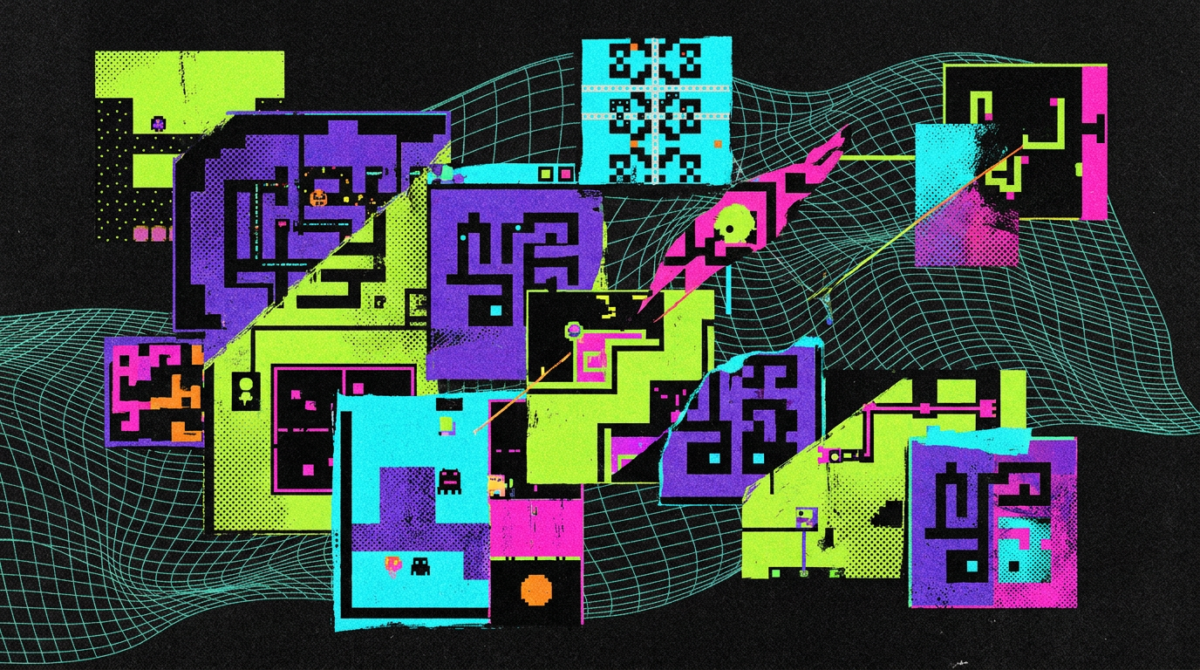
Six of the 25 public demo environments have now been solved. The full results, replays, and benchmarking code are publicly available. On the older ARC-AGI-2 benchmark, Opus 5 scores 90.4 percent, and it reaches 97.5 percent on ARC-AGI-1. Both results match previous top scores, though at slightly higher costs, according to ARC Prize.