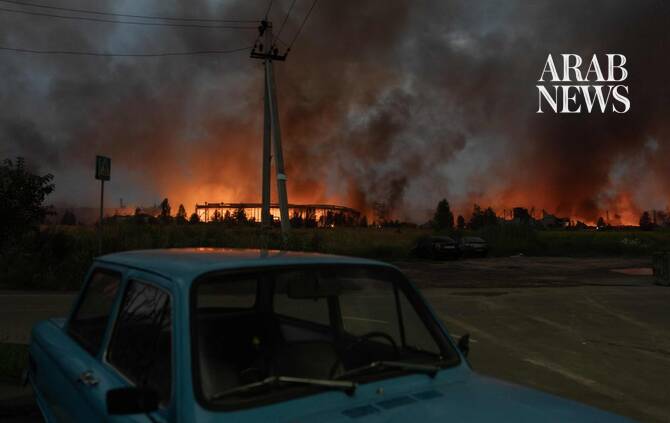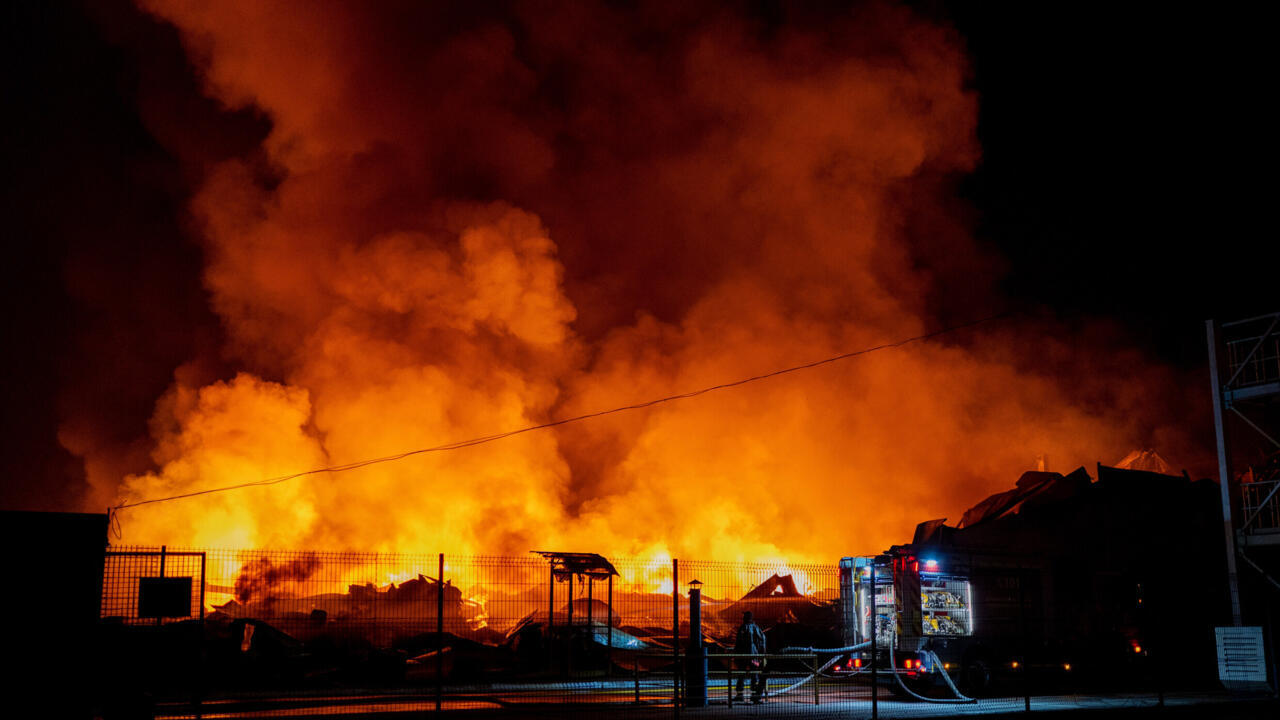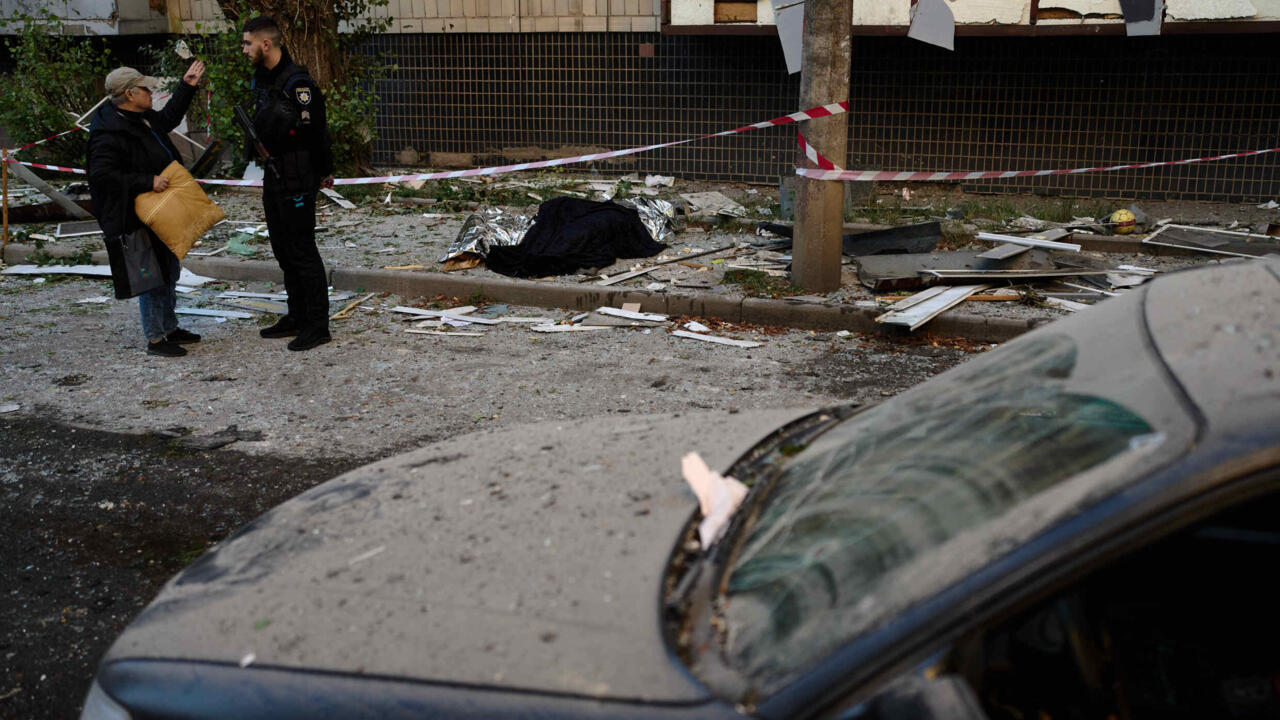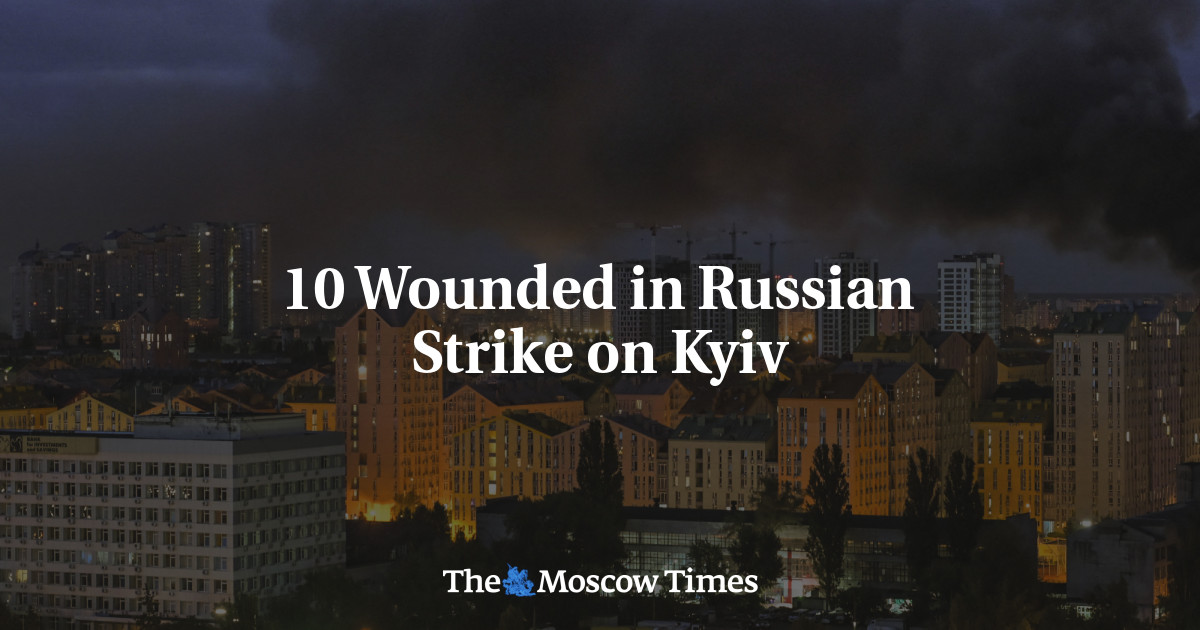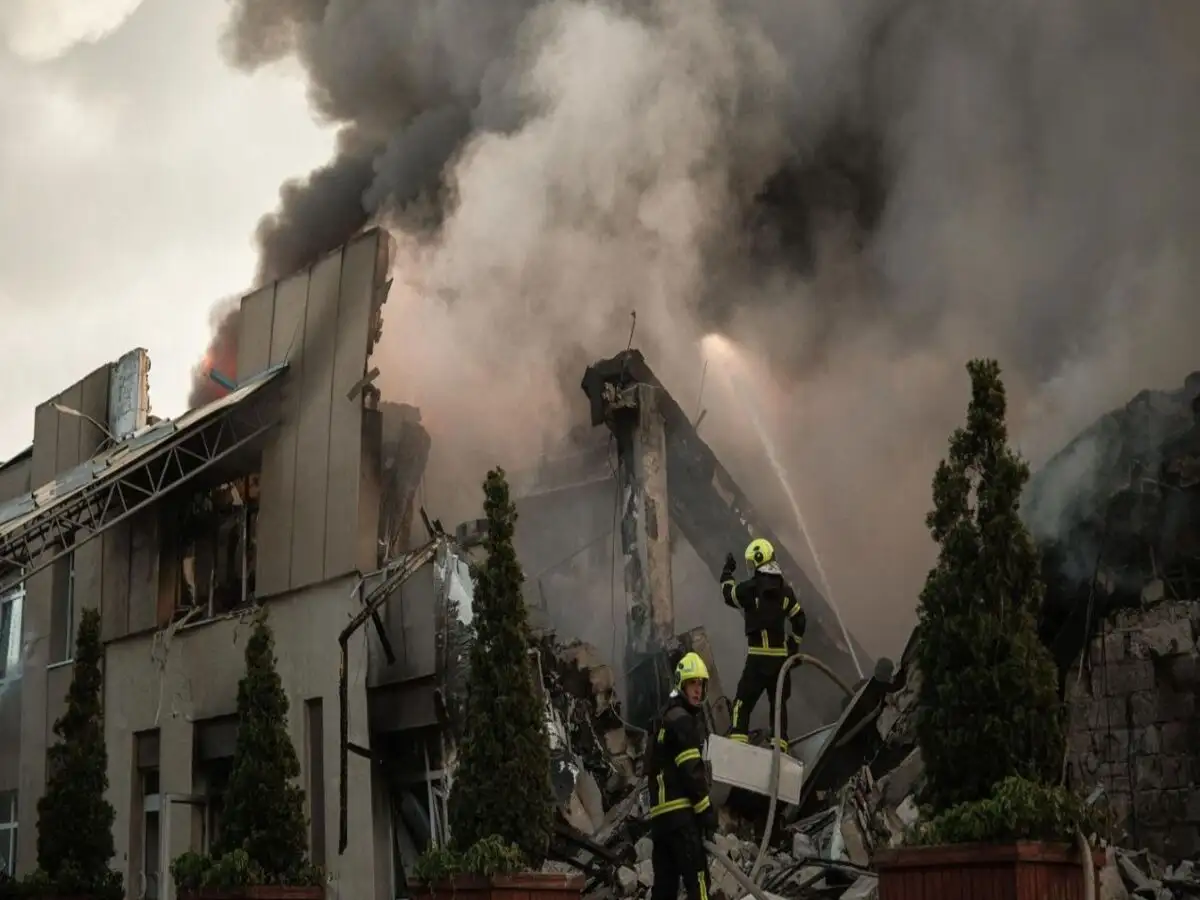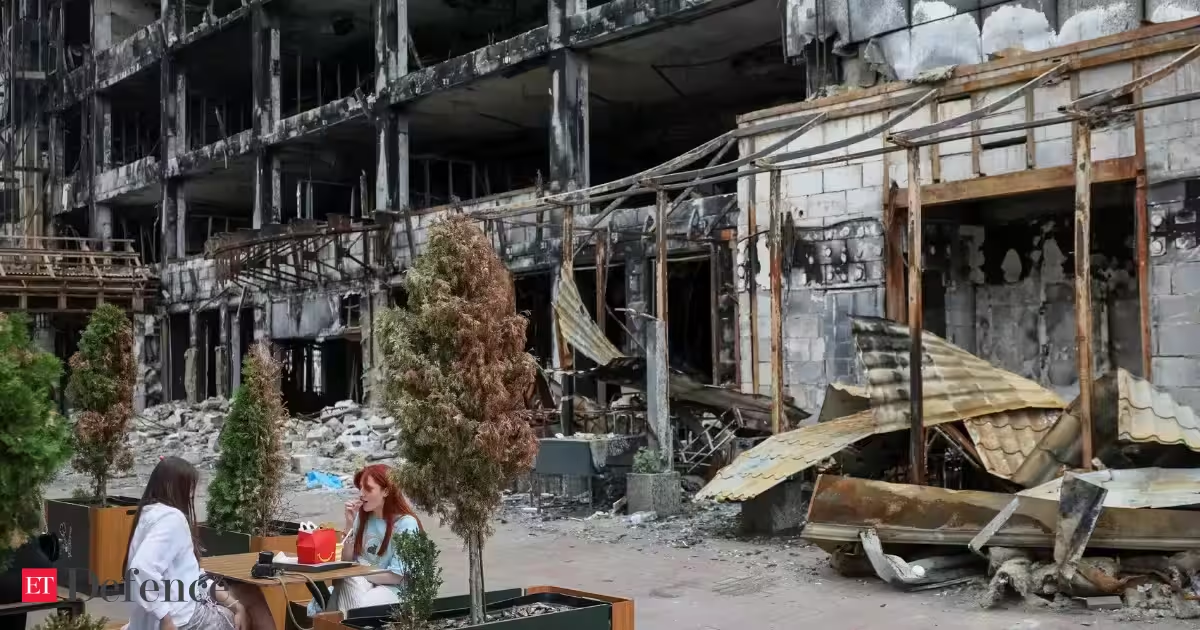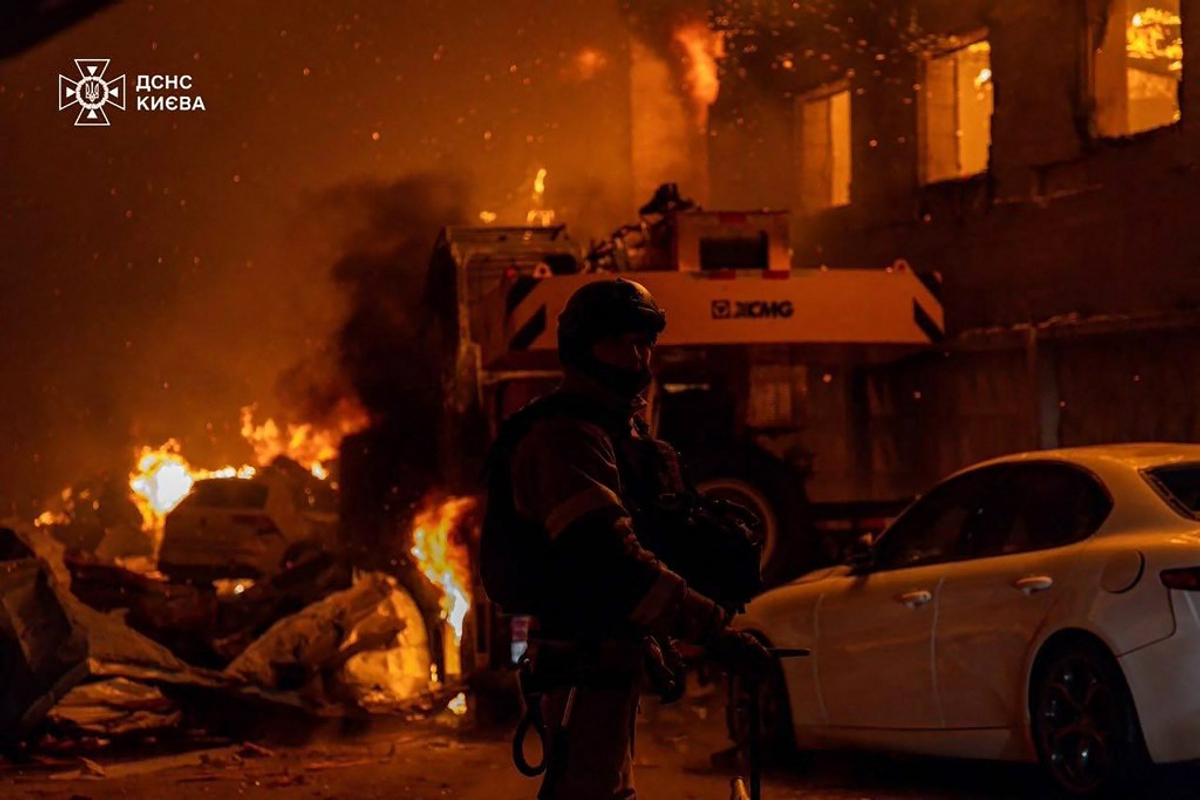
This month, Kyiv has endured three Russian missile barrages – each one more ferocious than the last. They have claimed the lives of at least 58 people and caused injury to many more. When reports talk about “the injured,” they are referring to physical wounds, but these attacks also leave untold scars on the psyche of Kyiv’s residents. This is probably the type of damage that the Russian leadership is hoping will cause substantive change in attitudes towards the war in Ukraine’s capital and beyond, tipping the balance towards an appetite for an end to the conflict at any cost.JOIN US ON TELEGRAMFollow our coverage of the war on the @Kyivpost_official. Russia is running out of options for adjustments to this “just keep battering them” strategy, which typically involve selecting new targets to strike. Ukraine’s power plants have already been destroyed, and the wave of attacks on railway stations and trains failed to bring significant disruptions to Ukrainian logistics. Though less intense recently, strikes on gas stations continue, with 200 out of a total of 5,000 destroyed so far. The shelling of residential areas in frontline cities – such as Kharkiv, Sumy, and Kramatorsk – persists, causing immeasurable harm to local communities, but not impacting the war’s overall trajectory. In their desperation to crush Kyiv’s resolve, the Russian leadership may not have noticed how strikes on the capital invariably generate activity by self-help and community volunteer groups. They provide practical help and bolster the confidence of those who have suffered from the attacks. Having experienced this support, victims often choose to become “post-attack” volunteers themselves.
Life Goes On in Wartime Kyiv as Pressure Mounts on Russia
Ukraine’s strikes on Russian energy and logistics infrastructure are testing Moscow’s own capacity for endurance.
937 words~4 min read