A woman looks back on how her younger self enjoyed the highs and endured the lows of first love. Her high school sweetheart was Ace, who was two years older than her and drove a Chevy convertible. Their English teacher, Mrs. Mint, flirted with him in class and often repeated that he resembled James Dean. Ace proved to be a rebel with a cause: He went off to war in Vietnam. After his tour of duty, he never got in touch with the girl he left behind. Instead, he got together with Mrs. Mint, and the pair went on to have a child. But then calamity struck. The woman grasps that both Ace and Mrs. Mint were forced to learn the hard way, just like she did, that some disasters and disappointments can’t be overcome, only accepted.
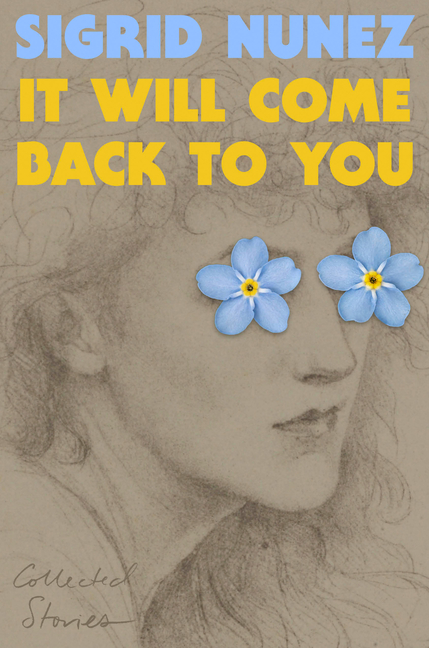
“Philosophers,” a deft tale about a slice of life and twists of fate, kickstarts Sigrid Nunez’s first book of short stories. Some readers may assume that Nunez has just turned her hand to short fiction: With the exception of a memoir of Susan Sontag, 2011’s Sempre Susan, her published books to date have consisted of nine novels, including The Friend, which won the 2018 National Book Award. But Nunez has been contributing stories to various periodicals for three decades, and she has cherry-picked 13 of them for It Will Come Back to You. Technically, this makes the book not so much “Collected Stories,” as advertised, but rather “Selected Stories,” but these select few, dating from 1992 to 2025, are finely crafted potted dramas and miniature portraits. The book’s second story, “Greensleeves,” begins with a woman on a couch telling a male therapist about sinister voices in her head and crazy people on the subway. Just as we settle into what appears to be an exchange between a shrink and his patient, Nunez pans out to reveal not a private office but a party in full swing. The bored therapist is not sure why he has come along: He barely knows the host, and the guests are “not people he needed to get to know.” As the woman airs her thoughts and demons, the therapist’s mind drifts to more important matters: His wife has recently left him, and their daughter is depressed. Later, when the woman goes home with him and opens up about her brother’s illness, he notices there is “an intensity, almost a radiance, about her,” and his spirits lift at seeing her in this new light.