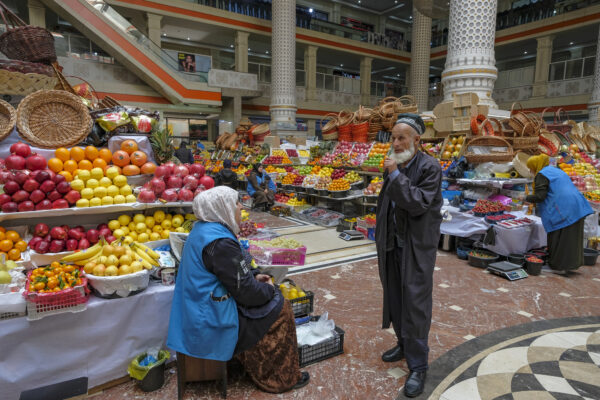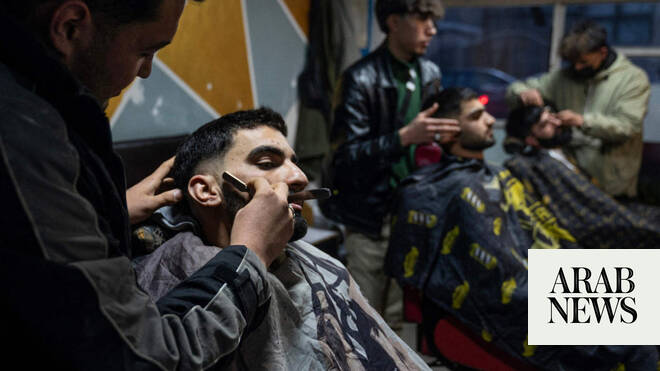
Every week, Khushnud opens WhatsApp, takes a selfie showing his clean-shaven face, and sends it to the police.The 38-year-old market trader, who is Muslim and from the southern Tajik city of Bokhtar, says he has done so since spending three days in custody after police officers detained him over his beard."They ordered me to send them a picture every week showing that I have shaved my beard," said Khushnud, who gave only his first name over security concerns.He says authorities accused him of violating public order, an administrative offense, and fined him 180 somoni ($18).RFE/RL requested comment from police authorities over the case, but they have not responded.
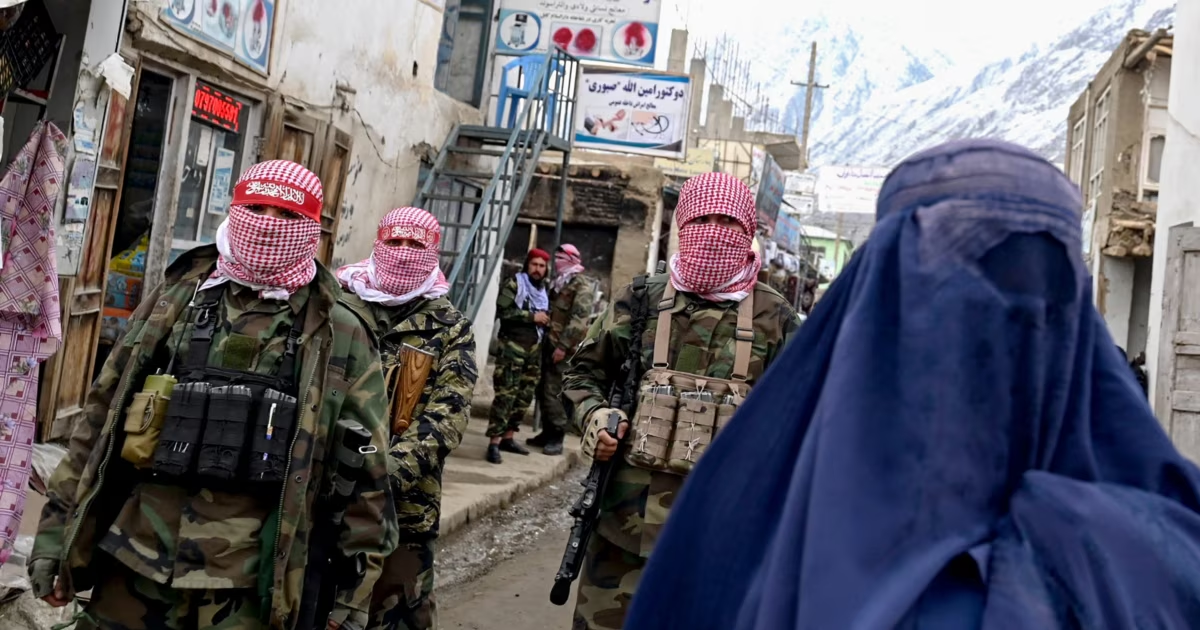
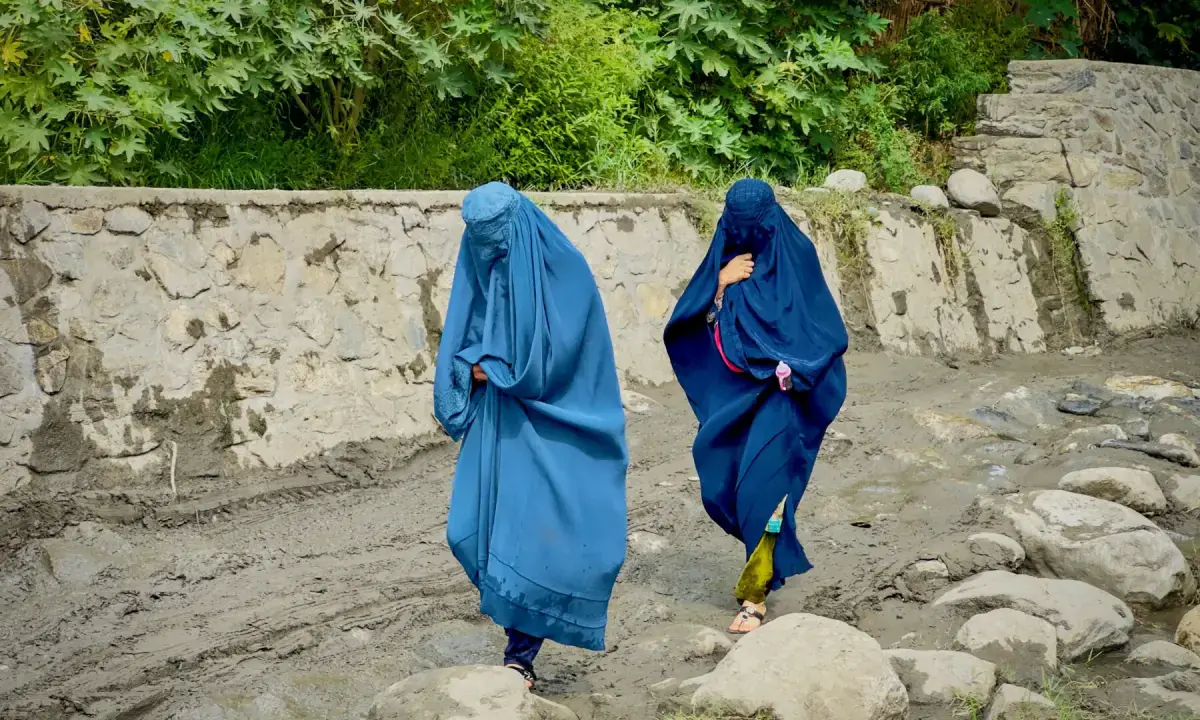
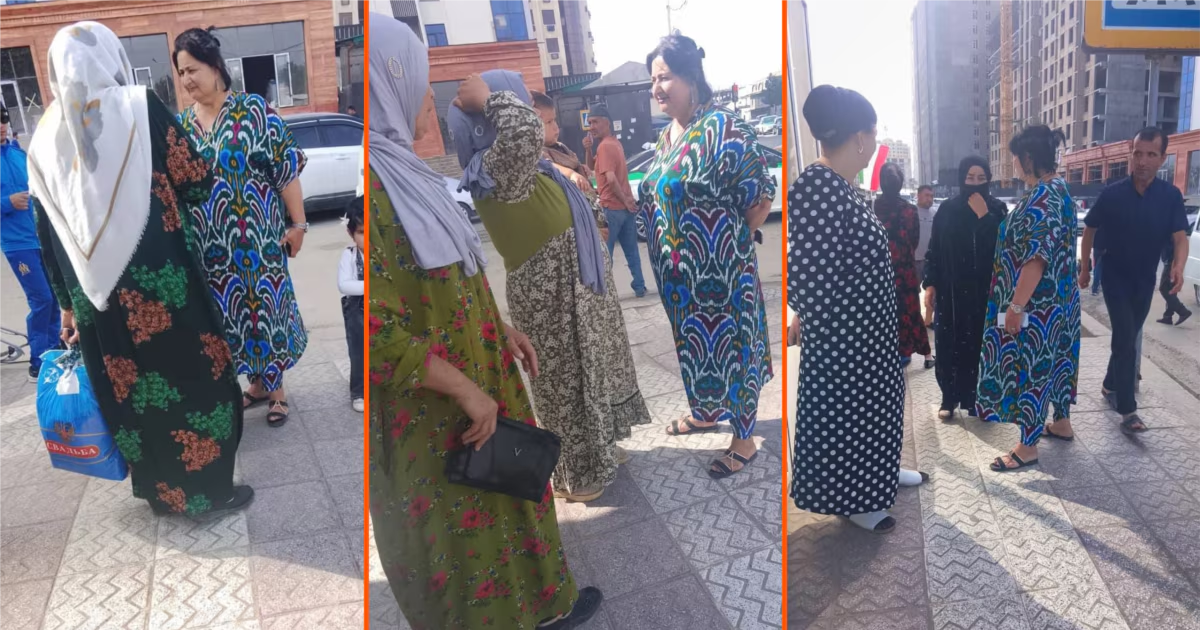
Khushnud's experience reflects a broader trend as many Tajiks say decisions about clothing, appearance, and faith have become intertwined with official expectations.Tajikistan, a Central Asian nation of more than 10 million, is predominantly Muslim, and Islam remains deeply rooted in society.But in recent years authorities have introduced measures restricting clothing and other forms of appearance they deem incompatible with Tajik national culture.Village By VillageDushanbe's campaign against the Islamic hijab, or head scarf, culminated in 2024 when the country amended the law on "traditions and celebrations" to officially ban "clothing alien to Tajik culture," a term widely understood to describe Islamic attire.Restrictions on the hijab were already in place at schools, universities, and government offices.In Tajikistan, women's hijabs and men's beards are often treated by authorities as an outward sign of potential religious extremism.