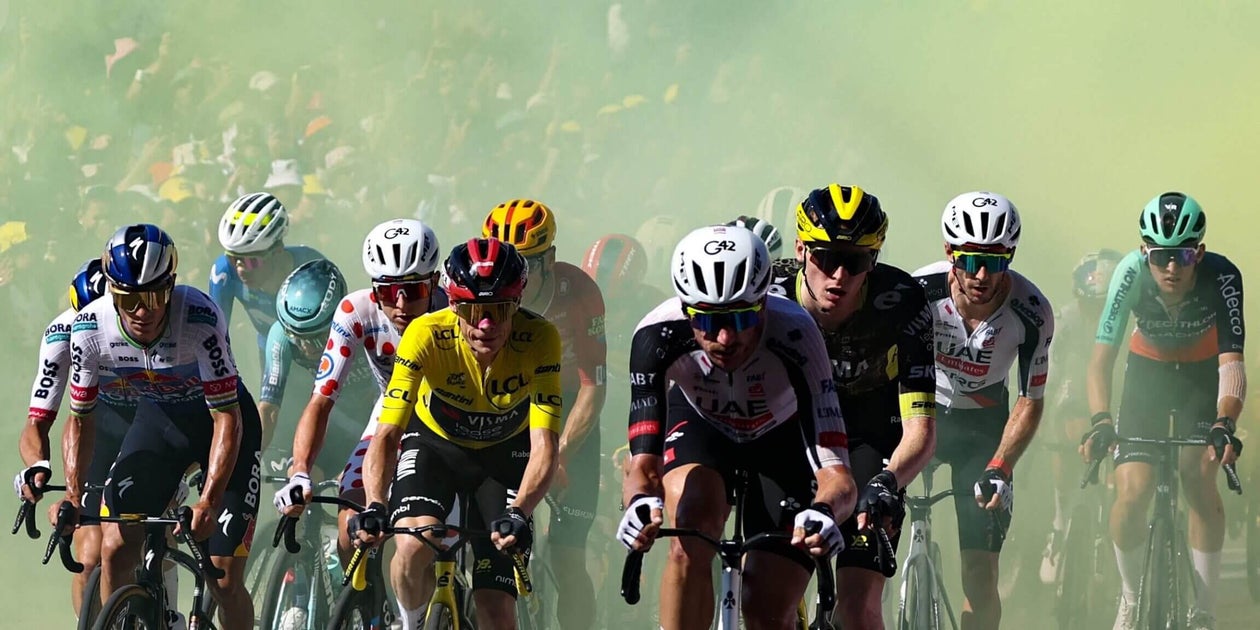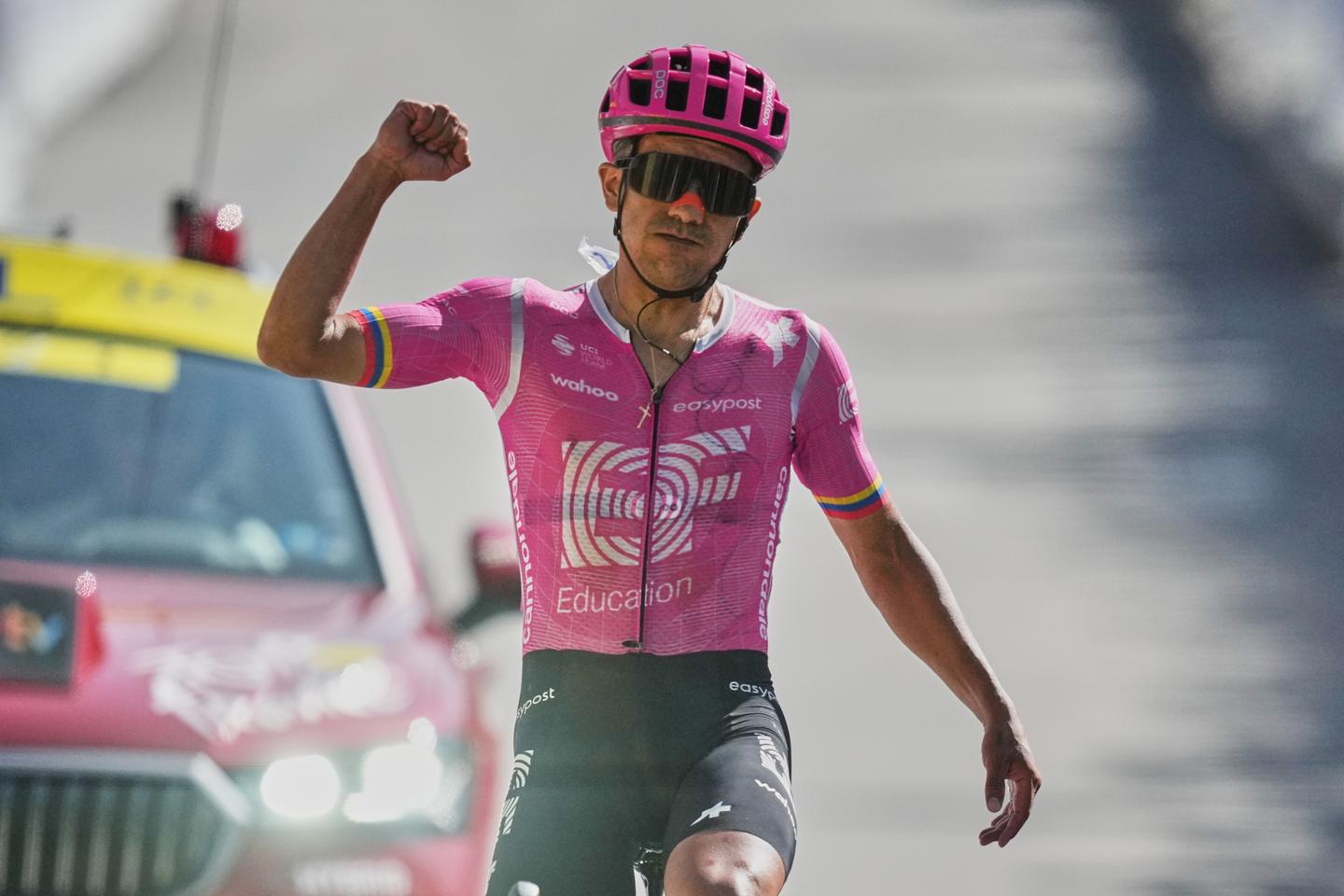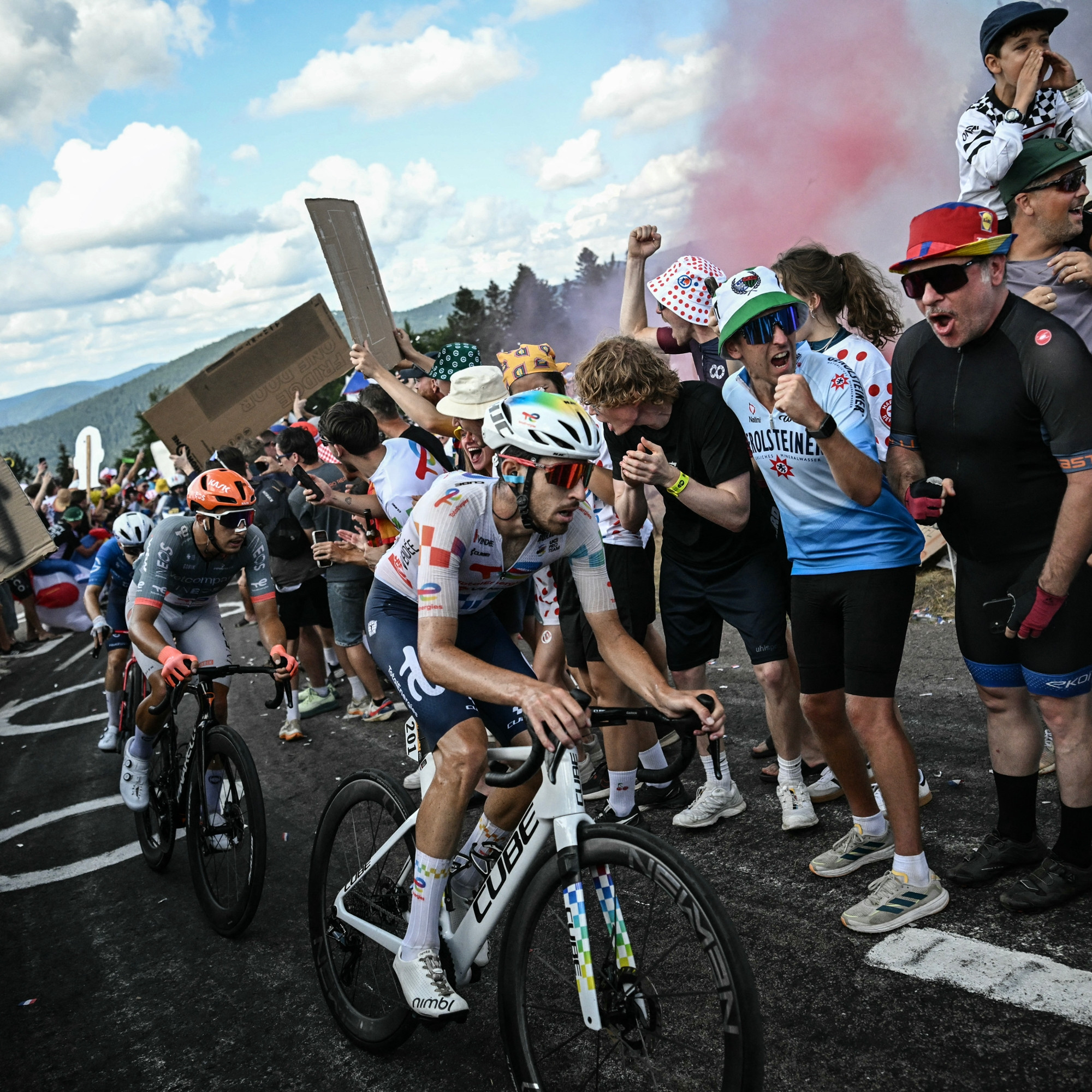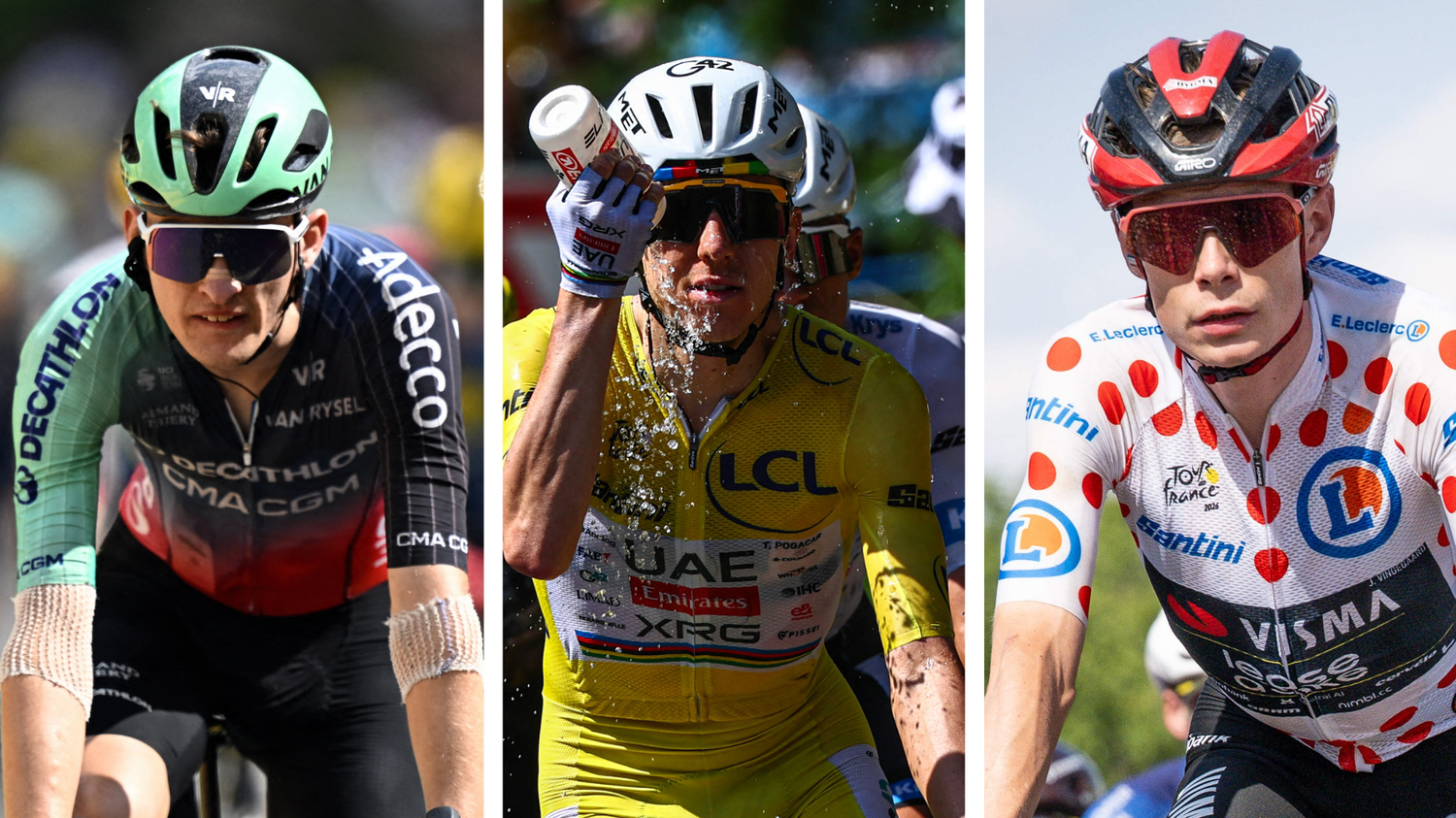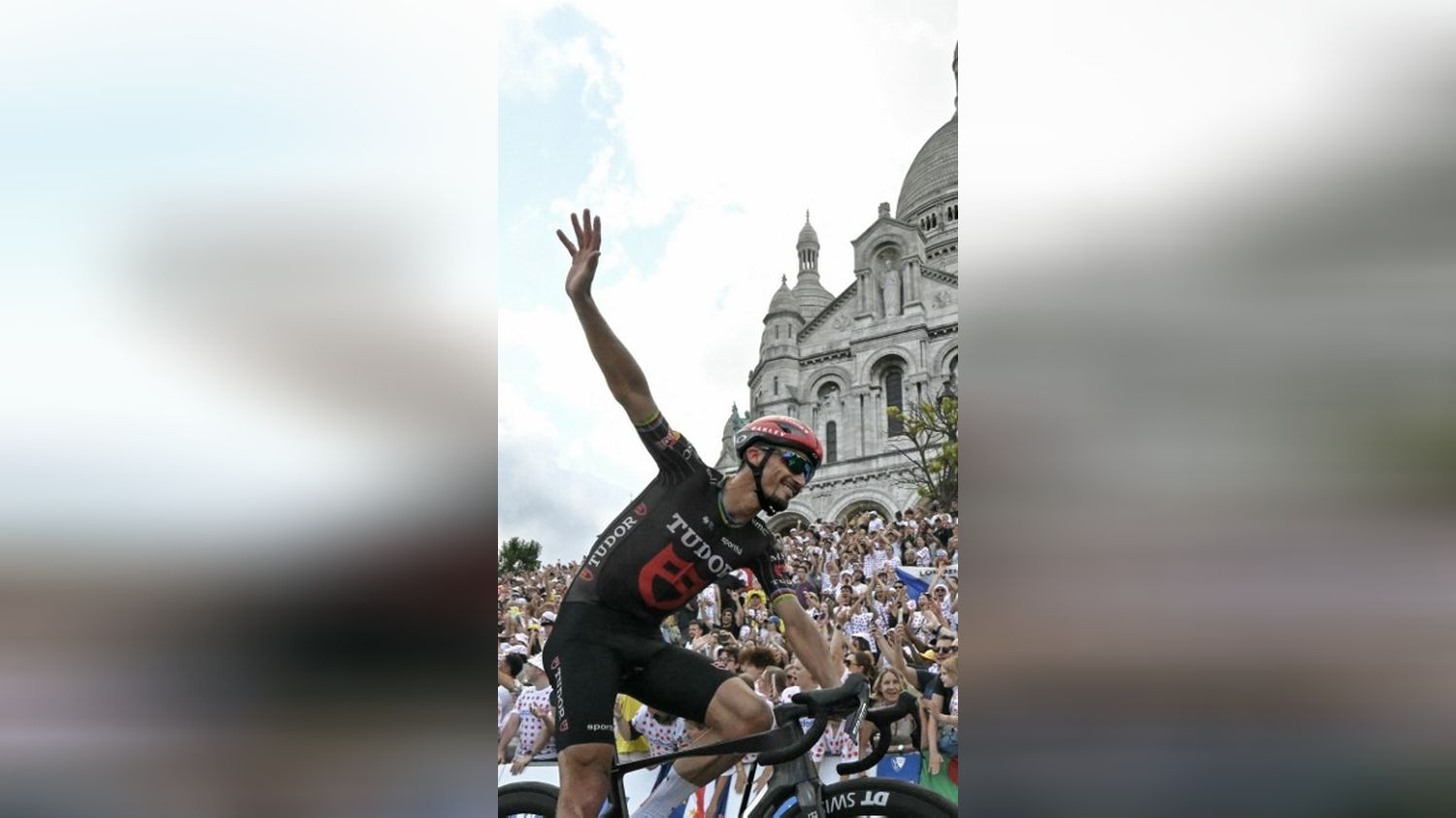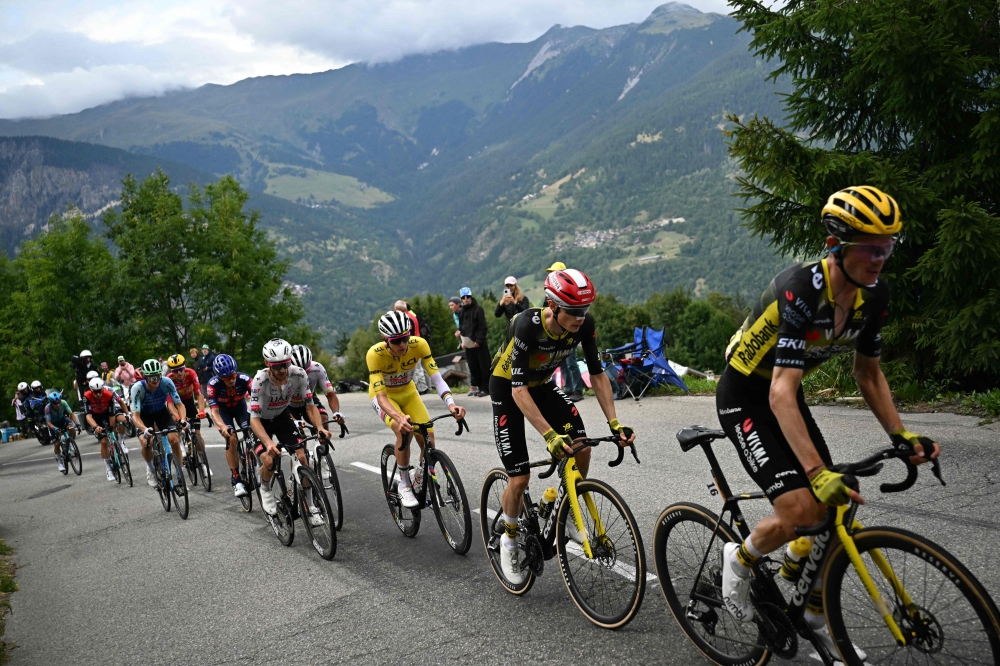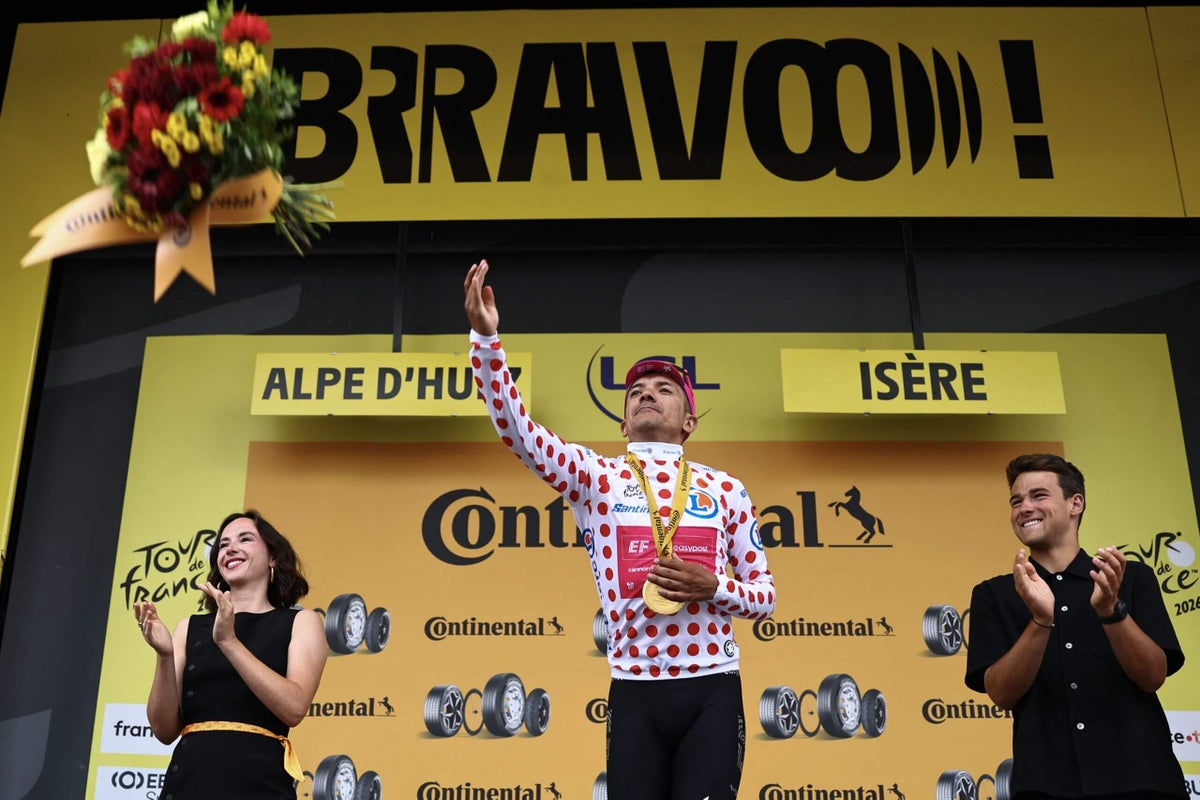
The sight that brought it home was the slender figure of Valentin Paret-Peintre, slumped against the barriers on the summit of Alpe d’Huez, sobbing and mourning the loss of his polka-dot jersey.With the Tour lacking a French stage winner for the first time since 1999, the king of the mountains award was one of the country’s final hopes of bringing honor to Paris.For many years, the mountains classification has not been the most storied of jerseys. A design loved by fans, yes, a novelty, but a footnote in the race, a way for broadcasters to fill dead air time at the beginning of Alpine stages. For four of the past six years, with highest-value points saved for mountain finishes, it has been won by the yellow jersey — three times to Tadej Pogačar (2020, 2021, 2025) and once by Jonas Vingegaard (2022).This year’s winner, 33-year-old Ecuadorian Richard Carapaz, was not originally supposed to be at the Tour. His original goal was the Giro d’Italia this spring, a race he had almost won the previous year, only for an operation on a perineal cyst to rule him out of the battle for pink. He could not sit on the bike to train for three weeks.That injury has long healed — but Carapaz is still seemingly incapable of sitting in his saddle, permanently on his pedals and on the attack, chasing rivals, stages, and the polka-dot jersey.With Pogačar all but sealing yellow less than a week into the race, the Tour’s Alpine denouement could have been anticlimactic. Instead, the battle for the other three jerseys — polka dot, white, and green — has animated this race, with the trio finally and only settled on stage 20.“It’s been incredible this year,” said a beaming Carapaz, having become the first rider to win a stage in the polka-dot jersey since Julian Alaphilippe in 2018, atop Alpe d’Huez no less.“Not only this fight, but for the green and white as well. There have been many interests — and that has made the race harder and harder.”Carapaz has now won the King of the Mountains competition in two of the last three editions of the Tour de France. (Jeff Pachoud / Getty Images)Mads Pedersen and his Lidl-Trek team have resolved to push the pace even on easier sprint stages. For Pedersen, the green jersey was a non-negotiable. The team was built around his pursuit of the points classification. General classification climbers Juan Ayuso and Mattias Skjelmose were largely left to their own devices. Talented riders such as Quinn Simmons and Mathias Vacek were requisitioned in support of their sprinter, who was aiming to become the first Dane to win the green jersey.Knowing he was not the fastest man in the bunch, Pedersen aimed to capitalize on the intermediate sprints — efforts midway through every stage worth fewer points (25 for the first rider) than the finishes — and backed his ability to climb better than the other sprinters to access the points on offer during hilly or mountainous stages.It meant that Lidl-Trek ramped up the pace on any sprint stage with only a small bump, hoping to drop Tim Merlier and Olav Kooij, and leading to attacking racing from the front of the bunch.
Why the 2026 Tour de France has been blessed by its green, white and polka dot jersey competitions
It is details that make a race and this edition of La Grand Boucle was crafted with an artist’s eye.
1,353 words~6 min read