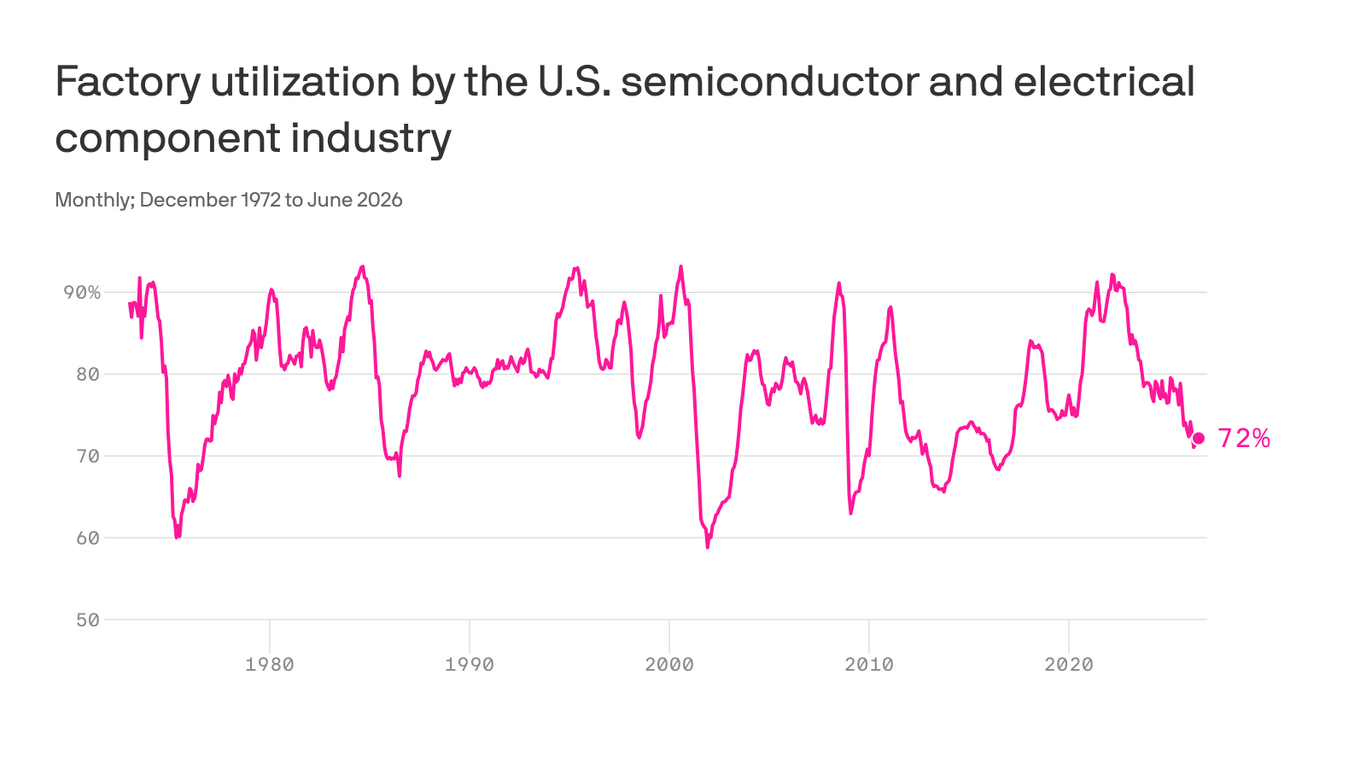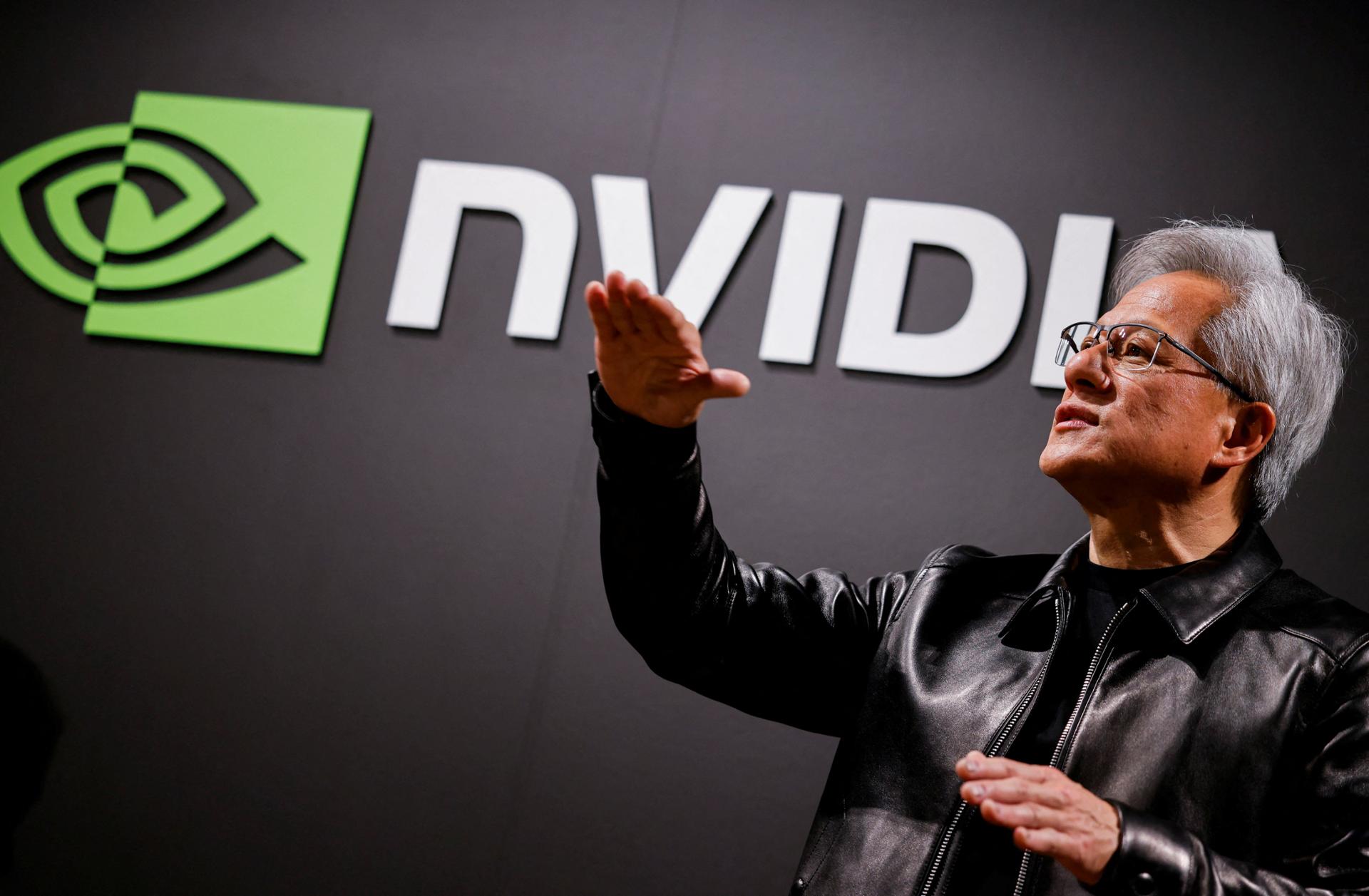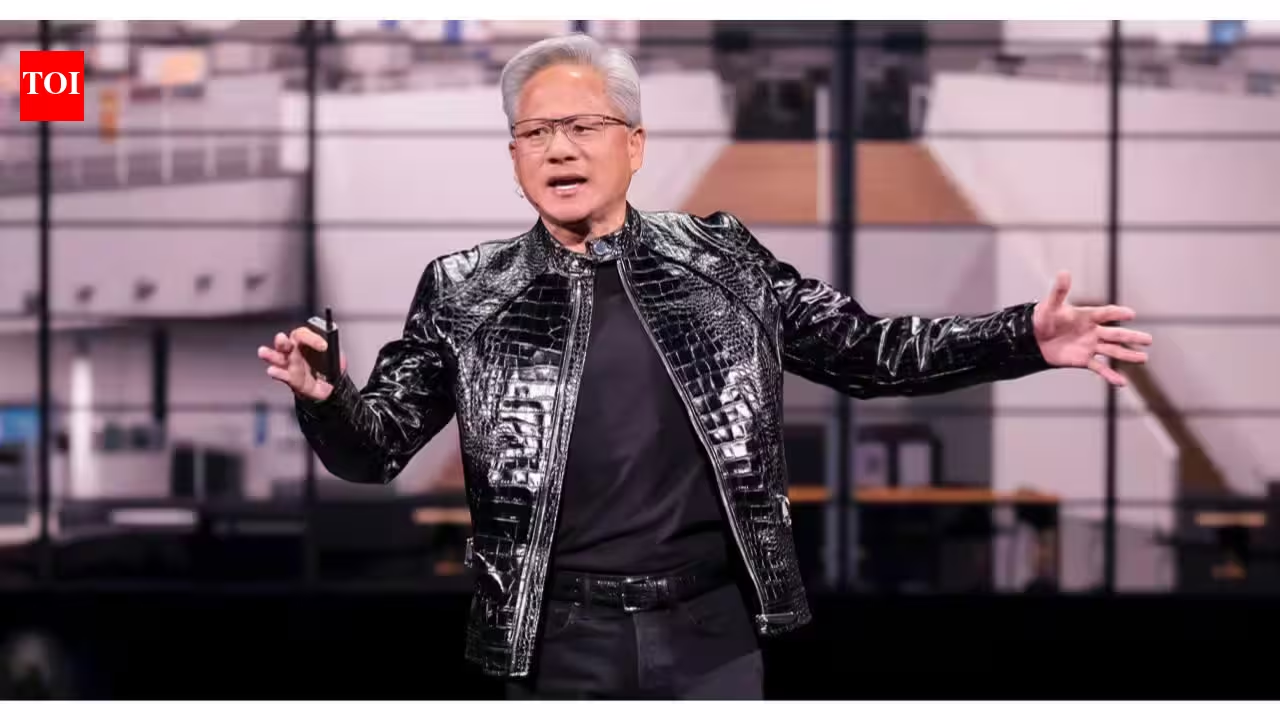
Jensen Huang says the world needs an entirely new layer of AI infrastructureNvidia CEO Jensen Huang recently said that he does not believe AI boom will end anytime soon, arguing that the current wave of spending is driven by a major shift in computing infrastructure rather than hype. Speaking in an interview with Axios co-founder Mike Allen, Jensen Huang said the AI industry is still in its early stages and demand for AI chips is backed by the need to build a new generation of computing systems. He said the semiconductor industry is not facing the kind of demand cycle that has led to previous boom-and-bust periods."The bubble will burst someday," he said, adding that it will not happen anytime soon because the AI infrastructure buildout is still in its early days."This time is different because this is not demand driven," Huang said during the interview. "This time is different because it's not seasonal. It's not demand driven means seasonal-demand driven. This is industrially driven, meaning the fundamental technology of computers is changing."Jensen Huang said the world now needs an entirely new layer of AI infrastructure, which will require far more chips than are being produced today. He estimated that the industry will need to become five to 10 times larger over the next decade.Jensen Huang says he is not worried about Nvidia customers spending on chips During the interview, Jensen Huang also dismissed concerns that heavy AI spending by major technology companies could become unsustainable. Several large cloud providers have committed hundreds of billions of dollars to build AI infrastructure, with some turning to the bond market to help fund those investments.Jensen Huang said he is not worried that Nvidia's customers are borrowing money to buy its chips because the shift to AI represents a long-term change in computing."So this future is a whole new way of doing computing that's fundamentally different than the past, and we need a lot more computers," he said.Huang added that AI is already generating profits for companies such as Anthropic as more customers adopt AI agents and other advanced tools. He described the technology as being at an "inflection point," where increased investment is helping improve productivity and expand AI adoption.He also argued that shortages of chips, land, electricity and construction workers are slowing the pace of expansion in a positive way, giving the industry more time to build the infrastructure needed before supply catches up with demand."We basically are constrained in every single direction, in every single way," Huang said. "That constraint is good. That constraint is what holds the system back. So that gives us plenty of time to go build out these infrastructure."
Nvidia CEO Jensen Huang on why he doesn't see an AI bubble bursting anytime soon, says ‘this time it’s different’
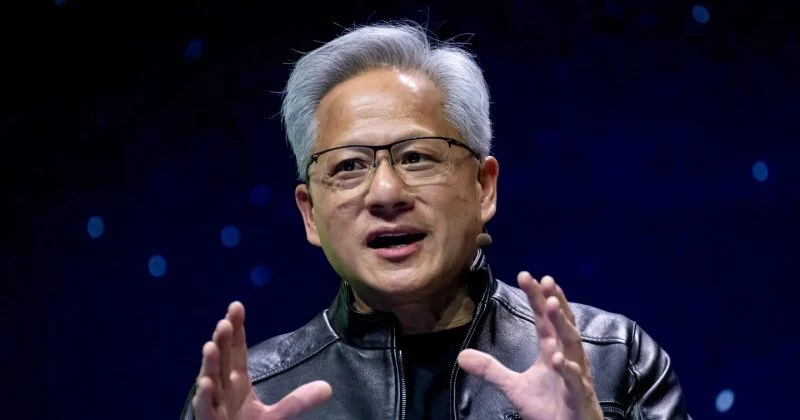
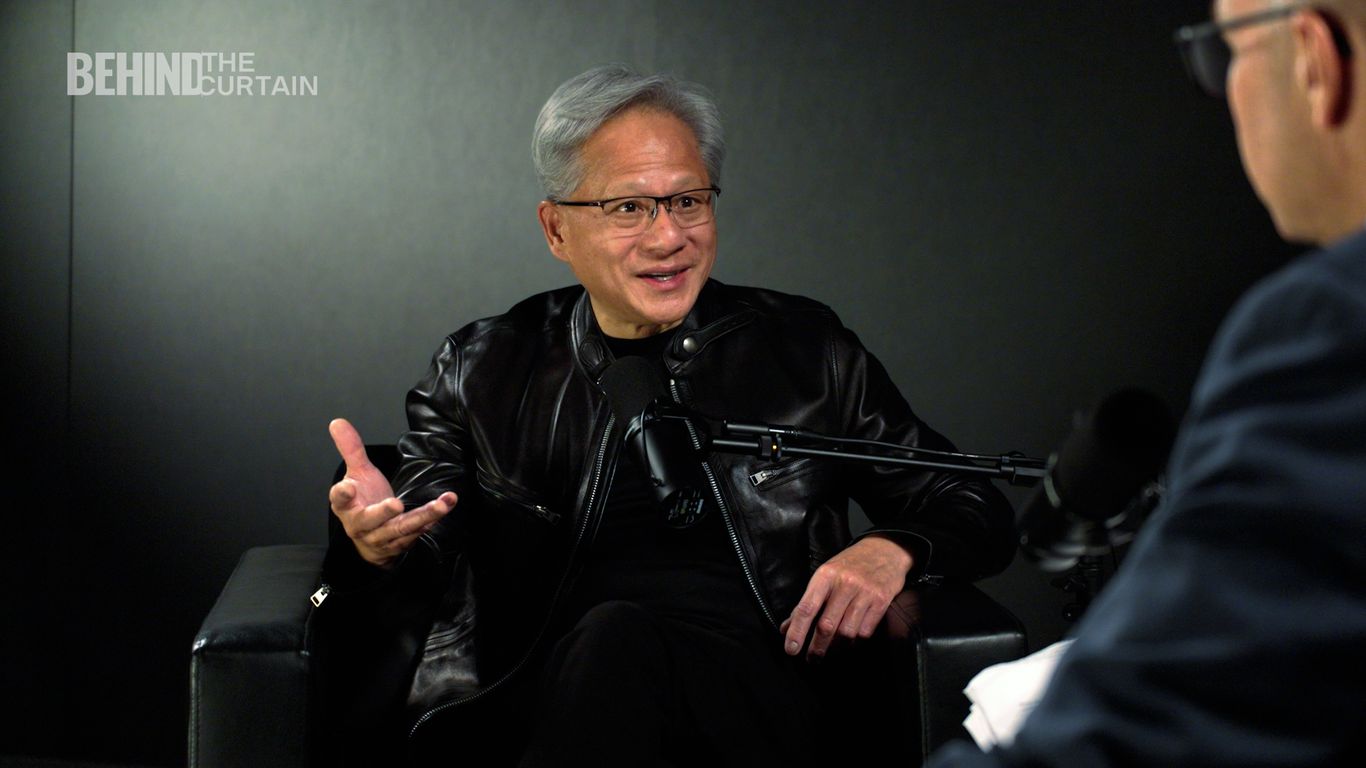
Nvidia CEO Jensen Huang recently said that he does not believe AI boom will end anytime soon, arguing that the current wave of spending is driven by a major shift in computing infrastructure rather than hype. Speaking in an interview with Axios co-founder Mike Allen, Jensen Huang said the AI industry is still in its early stages and demand for AI chips is backed by the need to build a new generation of computing systems.
TL;DRAI
Huang: AI infrastructure requires 5-10x semiconductor growth in a decade—structural shift, not cyclical hype. IT leaders should plan multi-year capex on chips; market signals fundamental computing rewrite, reshaping budget allocation and stack strategy.
443 words~2 min read