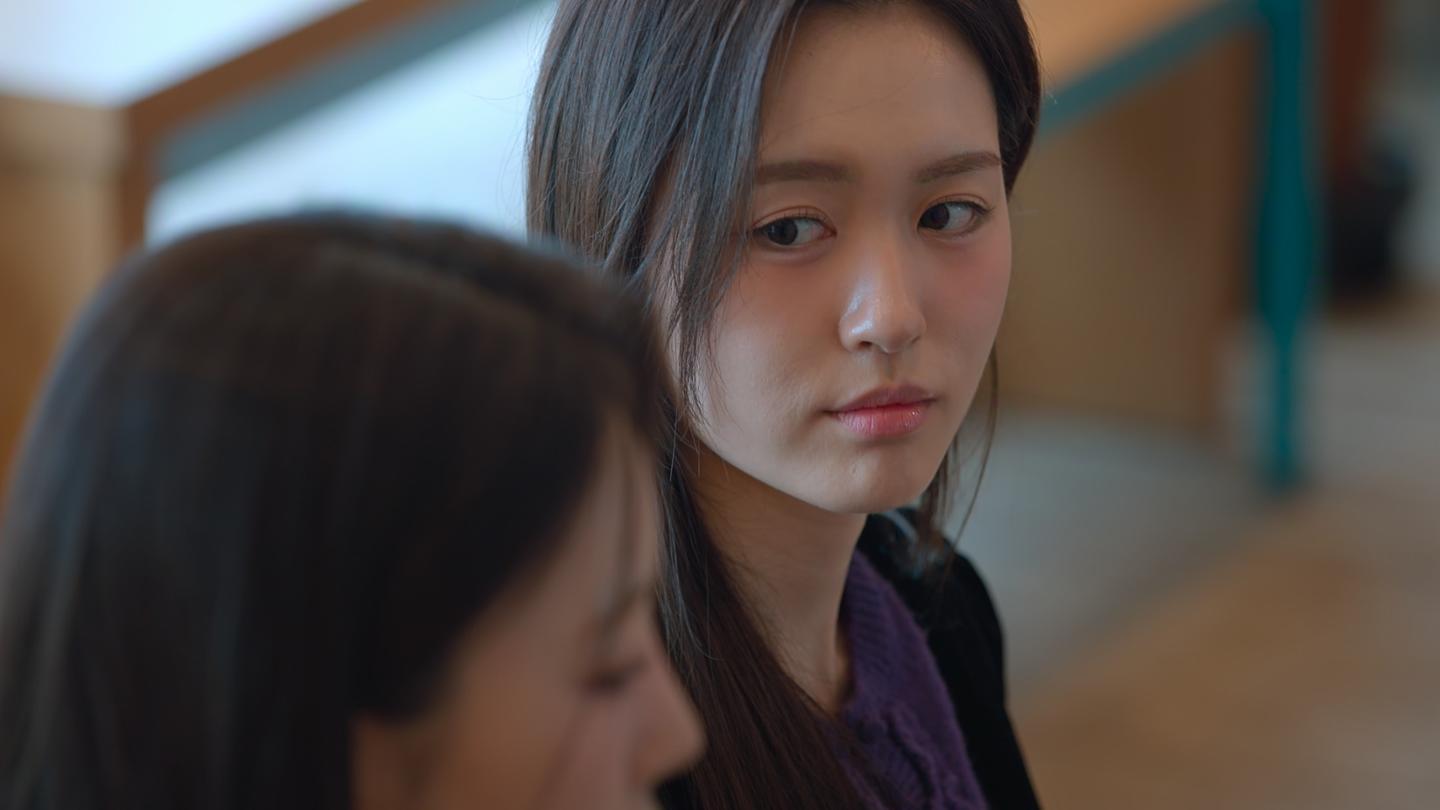
Series comes as Korean dating shows increasingly turn to unconventional casts to stand out in a crowded market Poster for "Love Against Time" (SBS) SBS' new reality dating show "Love Against Time," featuring contestants in their 20s and 30s who have received terminal diagnoses in the past or experienced life-threatening illnesses, is drawing scrutiny over the ethics of turning such deeply personal experiences into entertainment ahead of its August premiere.The broadcaster is set to premiere the series Aug. 3. Details about how the format will unfold remain under wraps, but the network has revealed one of its central mechanics. Each night, the cast members will exchange a self-determined amount of their limited time with one another as a way of developing romantic connections.The show's official teasers feature cast members opening up about their experiences, with some saying they have had limited opportunities to date because potential partners were reluctant to be with someone who had been seriously ill. Others describe romance as something they once considered a luxury they could not afford.The show is directed by Lee Eun-sol, who previously helmed "Fortune Tellers' Love," a reality dating show that brought together Gen Z fortune tellers and oracles in search of romance. Actor Lee Se-young, singer Jung Yong-hwa, Seventeen's DK and singer Yena will serve as studio hosts, providing commentary on the cast's experiences.Public reaction to the series has been divided. Supporters have praised the concept for creating an opportunity for people with shared experiences to meet potential partners, something they may have found difficult to do in their everyday lives. Others have emphasized that the participants should be respected for choosing to share their stories publicly.Critics, however, have questioned the show's promotional strategy, which foregrounds the cast members' experiences with serious illness and the limited time they may have left. The debate centers on whether the series risks turning their vulnerable circumstances into a form of entertainment and ultimately commodifying their personal struggles for the sake of a compelling TV premise.The controversy surrounding "Love Against Time" comes amid a boom in reality dating programming in Korea. The genre is relatively cost-effective to produce, with noncelebrity participants typically commanding lower appearance fees than established entertainers, while dating shows have continued to attract viewers at a time when romantic relationships have become increasingly difficult to pursue in everyday life. For some viewers, such programs offer a form of secondhand participation in romance.As the format continues to expand, producers have also begun assembling casts with increasingly diverse identities and life experiences, including LGBTQ+ participants and people living with disabilities or mental health challenges. The trend reflects the genre's efforts to broaden the kinds of stories and relationships it puts on screen, while also raising new questions about where the line lies between meaningful representation and the commercialization of participants' personal lives.
Korea's dating show for the terminally ill sparks debate ahead of premiere
SBS' new reality dating show "Love Against Time," featuring contestants in their 20s and 30s who have received terminal diagnoses in the past or experienced lif
469 words~2 min read