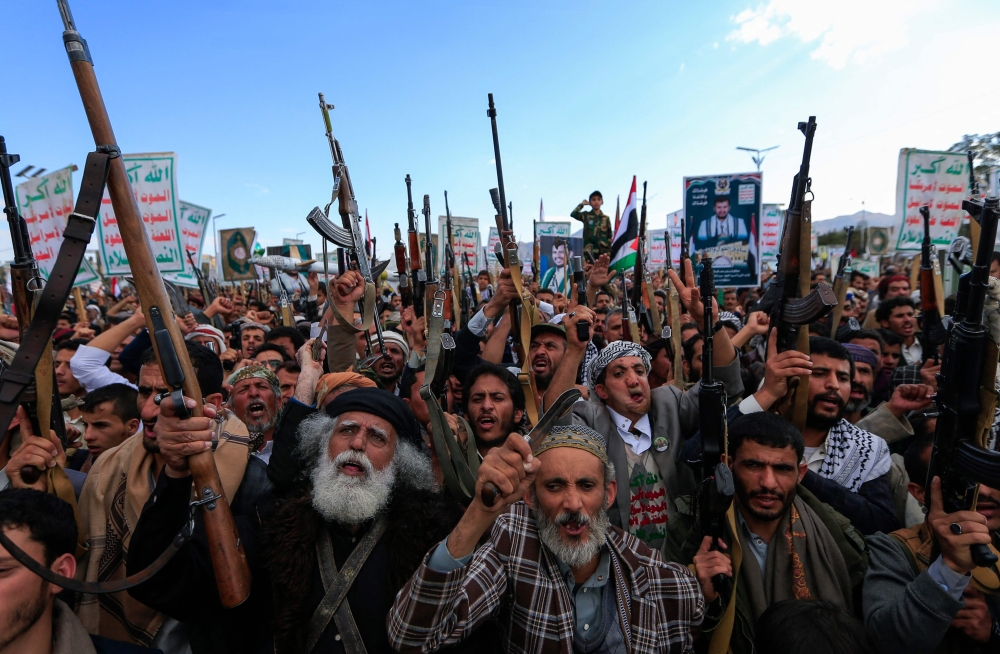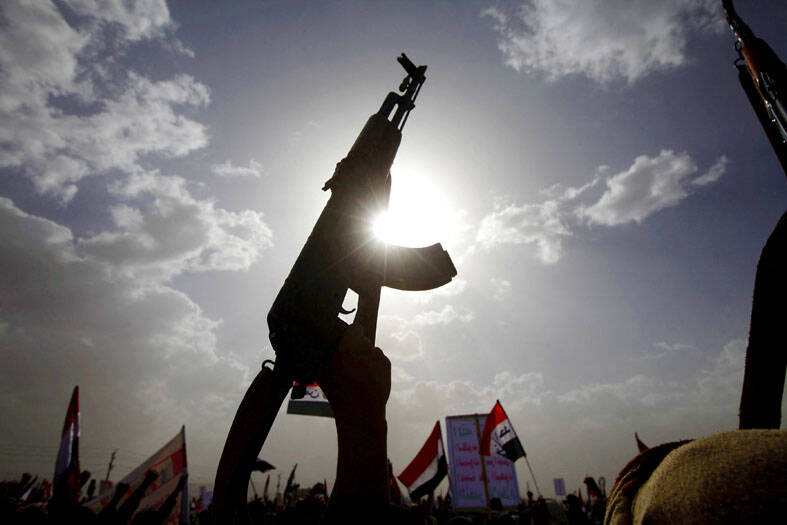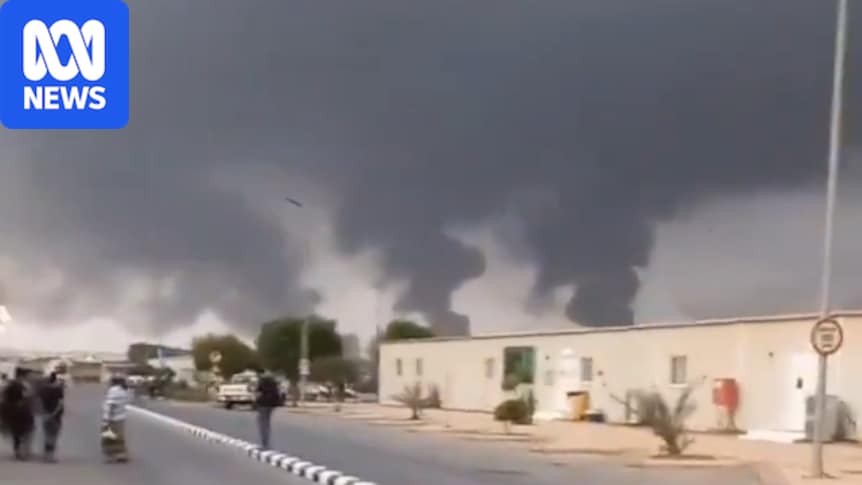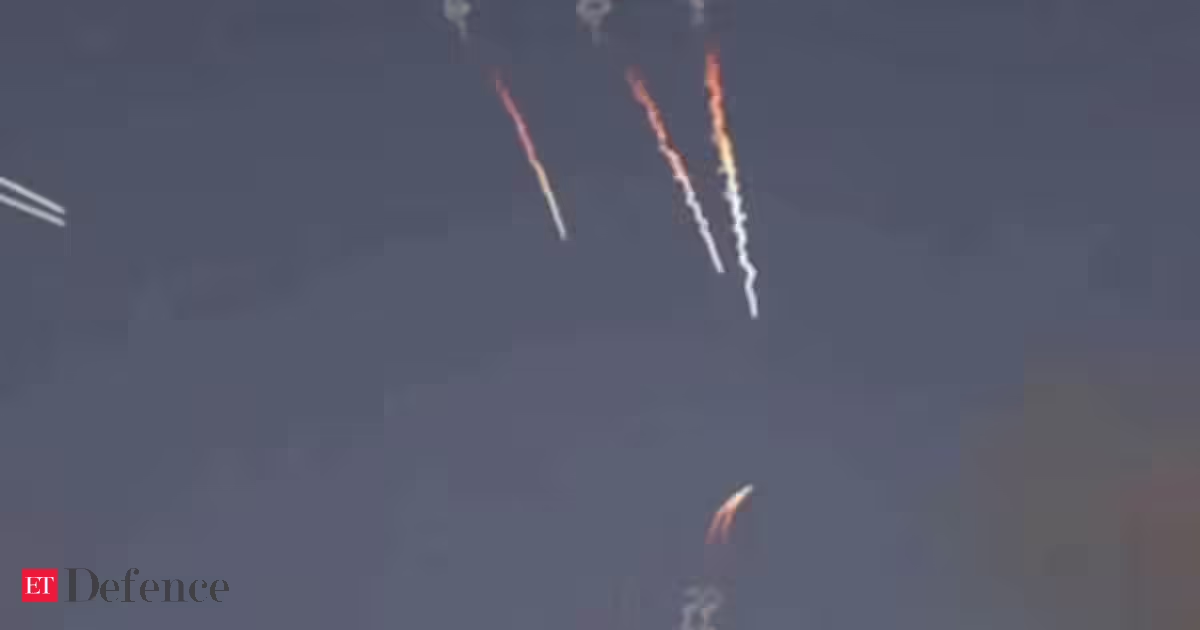
The Houthis claimed to have struck Saudi Arabia with missiles on Saturday morning, deepening their involvement in the Middle East war, while the US appeared to end a run of 13 days of strikes on Iran.
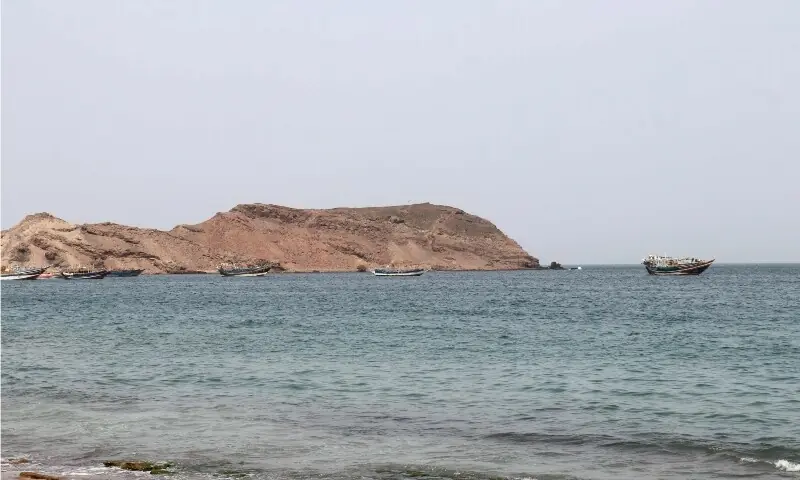
Saudi authorities issued emergency warnings for the provinces of Jazan and Yanbu around 6:10 a.m. local time, asking people to seek shelter. The government lifted the warning for Jazan shortly after, stating in a post on X that the “danger has passed.”The Islamist militants, based in Yemen, said they targeted the southern Saudi city of Jizan — on the Red Sea coast and in Jazan province — on Saturday, according to a post on Telegram from their main media outlet. Oil giant Aramco has a refinery in Jizan, which sits close to the border with Yemen.
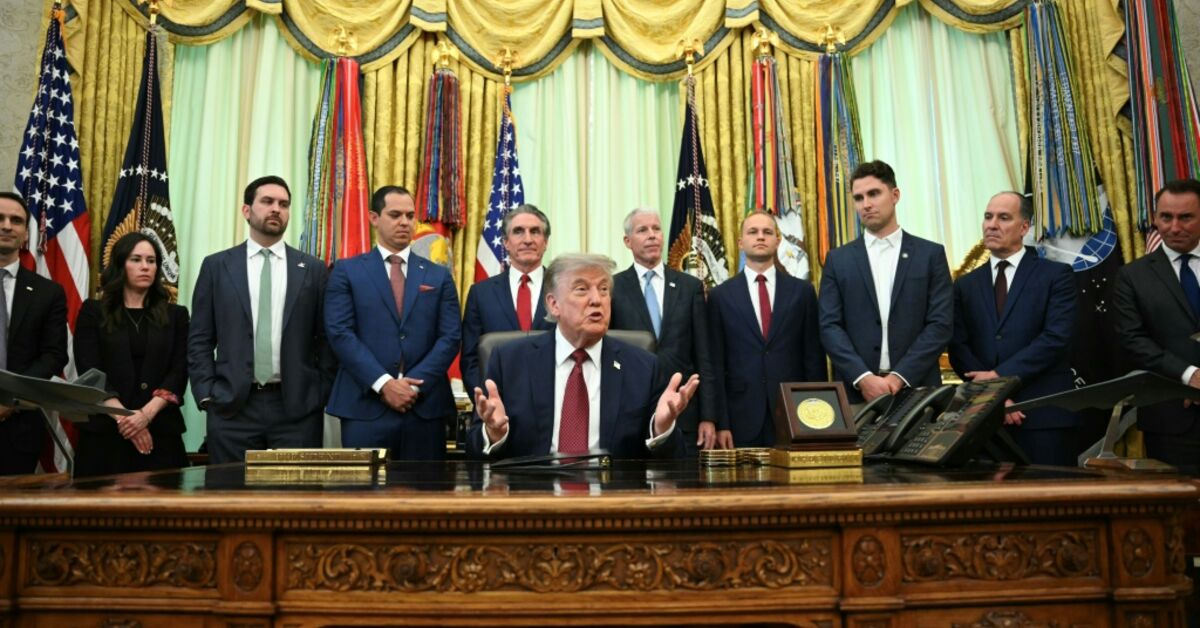
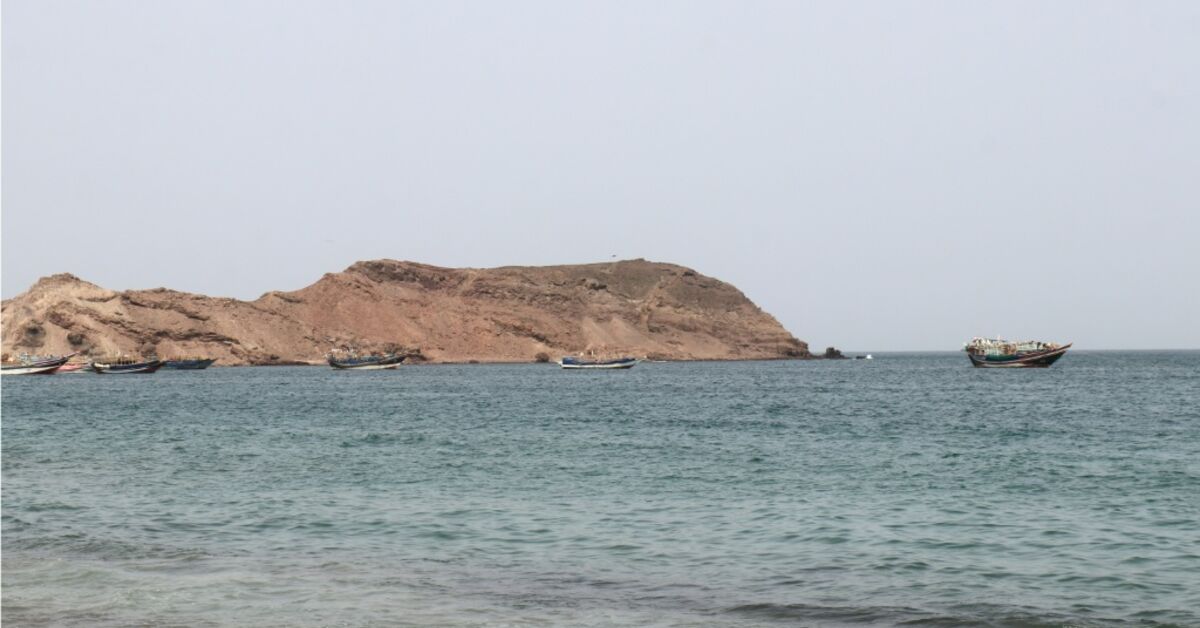
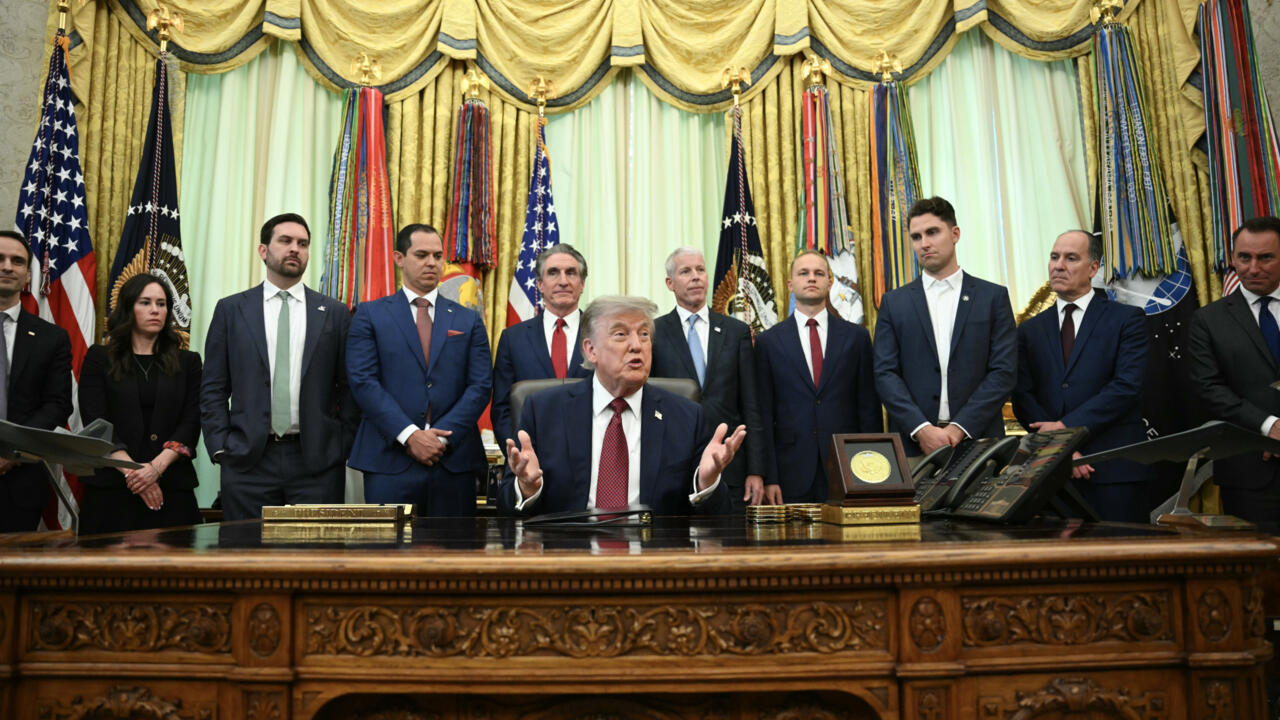
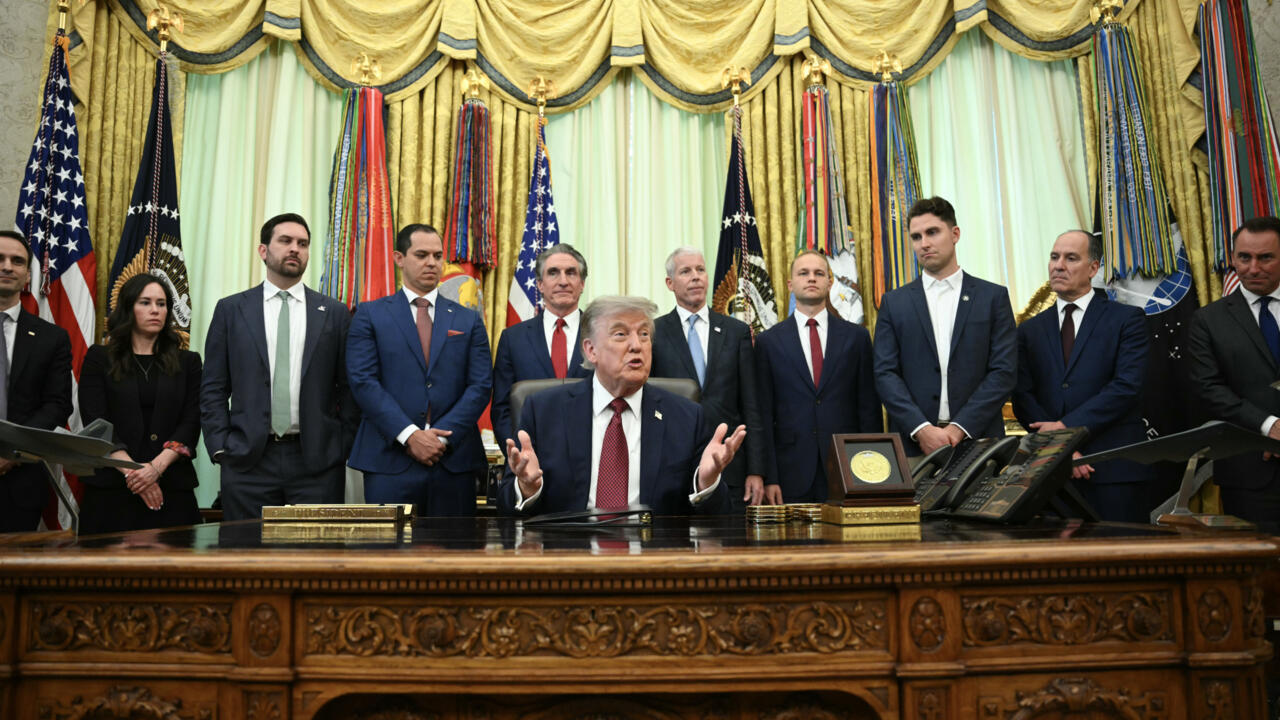
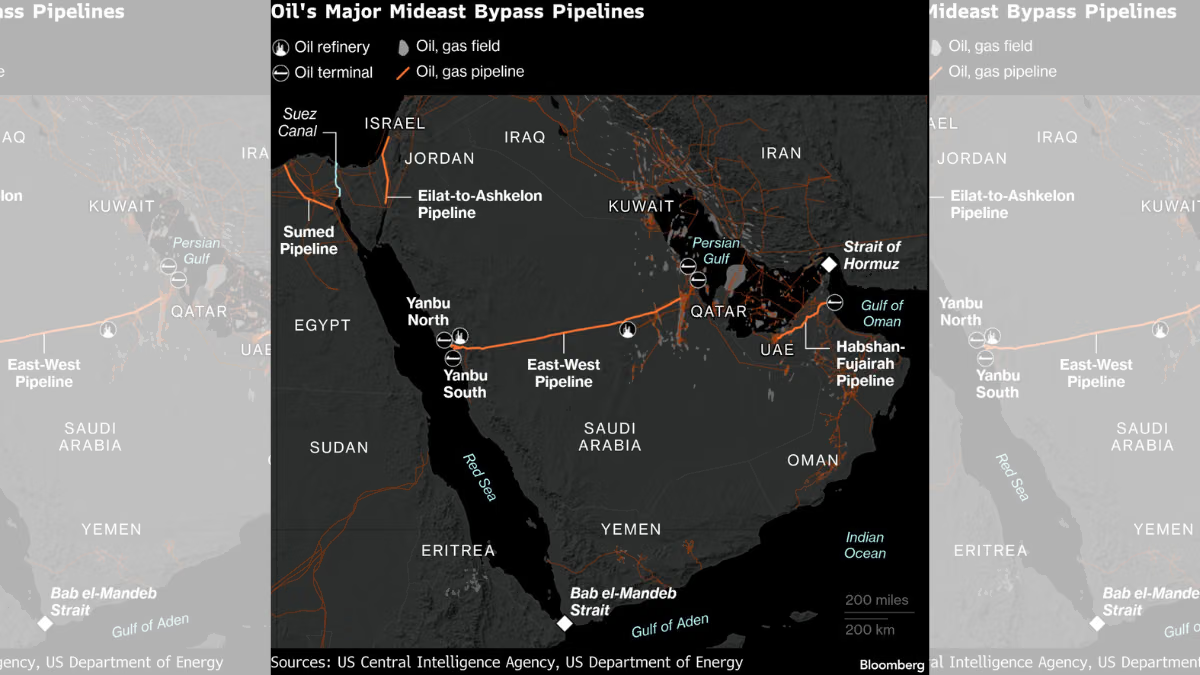
On Friday, Saudi-led coalition forces in Yemen carried out a military operation against Houthi military targets in Hodeida, a port in the southern Red Sea where many of the group’s maritime attacks in recent years have emanated from. The coalition said it was a response to the Houthis targeting commercial ships in the past week.The Houthis announced several days ago they would blockade Saudi ports and threatened to strike any ship visiting them. Soon after, it attacked two Saudi-linked oil tankers in the Red Sea, hitting at least one of them.The Houthi blockade is a response, the group says, to recent strikes by the kingdom on the Yemeni capital, Sanaa.The escalation compounds an already severe squeeze on regional energy flows. Maritime traffic through the Strait of Hormuz, normally the conduit for a fifth of global crude, remains largely paralyzed by hostilities between the US and Iran. Any sustained disruption to Saudi Arabia’s Red Sea export routes, through which it’s sending millions of barrels a day, mainly from the port of Yanbu, would likely push up oil prices even more.Brent crude has soared around 27% in the past two weeks with US-Iran skirmishes worsening and the Houthis effectively opening a second front in the war. The global benchmark closed on Friday at $96.78 a barrel.US President Donald Trump, who seems increasingly frustrated with Iran for refusing to reopen the Hormuz, late Friday said the US was “locked and loaded” for major strikes on Iran. He added he had not made a decision on whether to go ahead with them, after telling Axios a few days ago he was mulling a “massive attack.”Speaking at the White House Correspondents’ Dinner, Trump said Iran would “love to make a deal” but he doesn’t think “it’s time yet.”He said the warring sides are talking though gave few details, and it’s unclear if he meant indirectly through the main mediators, Pakistan and Qatar.The US military did not announce any strikes on Iran overnight, suggesting it had paused such operations that have happened daily since around July 10. Iranian media and the government did not announce it was coming under attack from the US either, and did not report any Islamic Republic strikes on US troops and bases in countries such as Kuwait and Bahrain.It’s unclear why and there’s no suggestion the US has stopped the strikes for anything more than a short period.The Houthis captured Sanaa in 2014 near the start of Yemen’s ongoing civil war. They survived a roughly seven-year bombing campaign led by Saudi Arabia and the United Arab Emirates and still control areas containing most of Yemen’s population.The Saudis and Houthis agreed to a truce a few years ago, but it’s been shaky and tensions have risen since the US and Israel launched a war on Iran this year.Iran is the main funder and sponsor of the Houthis, though the group is more autonomous than other proxies of Tehran such as Hezbollah in Lebanon.This report is auto generated from the Bloomberg news service. ThePrint holds no responsibility for its content.