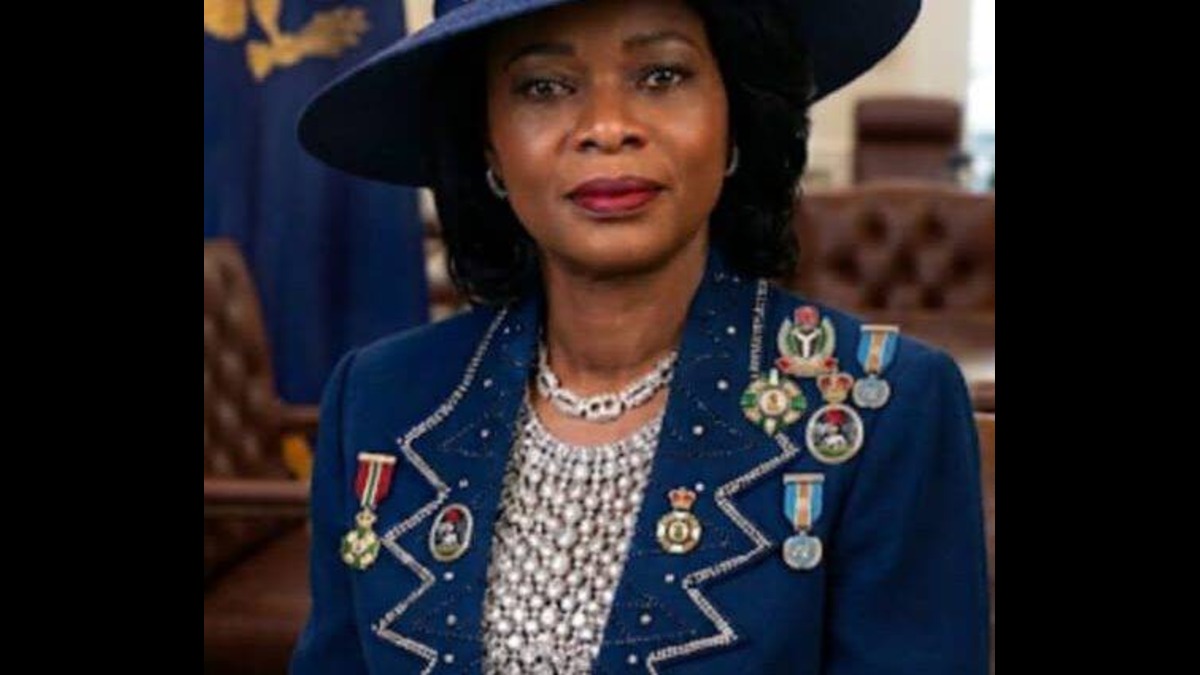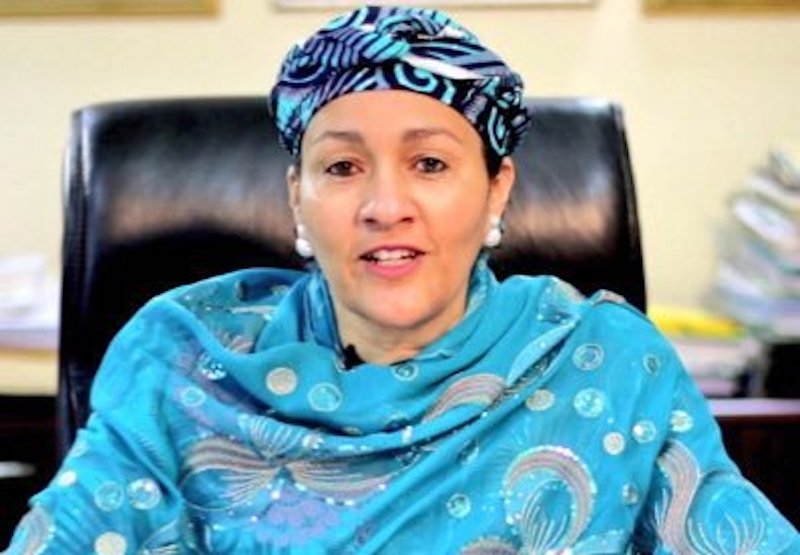
It is a known fact that in global diplomacy, power is exercised with measured words rather than loud declarations; conversations often begin long before ambitions are publicly acknowledged. It is within those discreet corridors of influence, from New York to Geneva, Addis Ababa to Abuja, that the name of Nigeria’s Amina Mohammed continues to command attention whenever the succession to the United Nations’ highest office is discussed.
Though the accomplished diplomat has publicly maintained that she is not seeking the coveted position of Secretary-General, diplomatic circles remain fascinated by the possibility. In international politics, after all, denials rarely silence speculation. Instead, they often deepen the intrigue.
As Deputy Secretary-General since 2017, Mohammed has become one of the most recognisable faces of the United Nations, navigating complex global conversations on climate change, sustainable development, humanitarian crises and institutional reform with remarkable poise. Her calm authority, intellectual depth and ability to build consensus have earned her the admiration of presidents, monarchs, global financiers and multilateral institutions alike.
Among Africa’s diplomatic elite, there is little debate about her stature. To many, she represents the continent’s finest export to international governance, a woman whose influence extends far beyond conference halls into the architecture of policies shaping the future of billions. Her journey from Nigeria’s public service to the commanding heights of global diplomacy has become a compelling narrative of excellence, resilience and quiet determination.