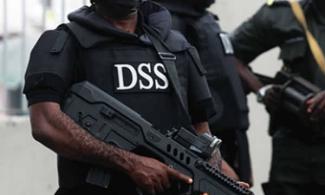
Iyobosa Uwugiaren examines the decision by the Department of State Services to appeal the sentences handed to commanders of Ansaru terrorist group, and whether the judiciary is imposing punishments severe enough to match the devastating impact of terrorism in the country
The life sentences handed to two deadly senior commanders of the Ansaru terrorist group may have sealed one chapter in one of Nigeria’s most significant terrorism prosecutions, but they have opened another – one that could shape how the country’s judiciary deals with terrorism for years to come.
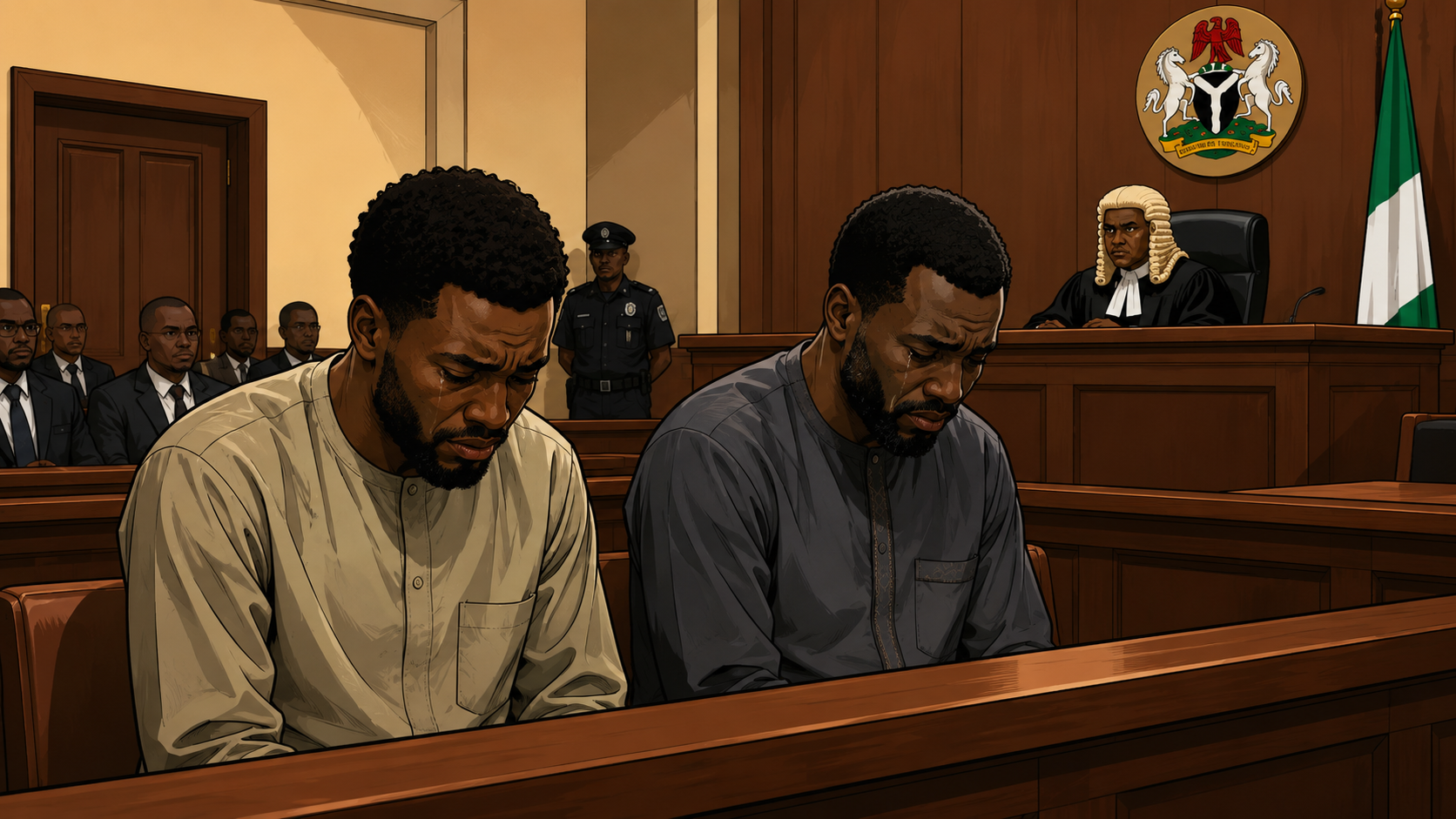
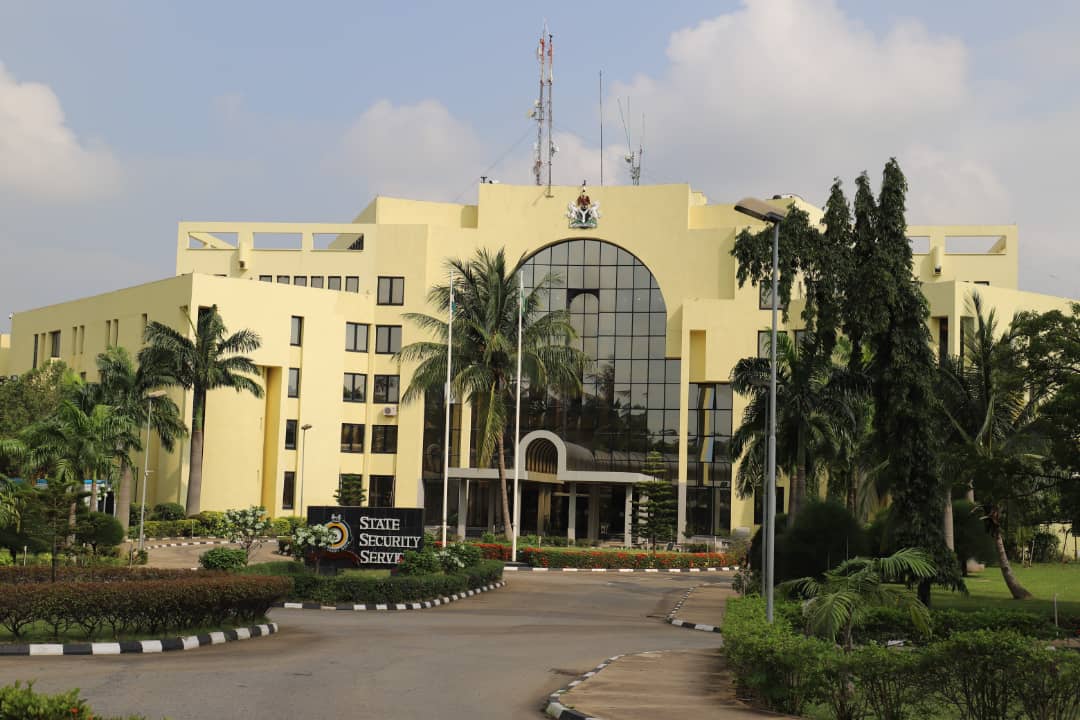
The Department of State Services (DSS) last Tuesday announced plans to appeal the judgement of the Federal High Court in Abuja, insisting that life imprisonment does not reflect the gravity of the offences committed by Mahmud Usman, popularly known as Abu Bara’a, and Abubakar Abba, alias Mahmud al-Nigeri. Both men pleaded guilty to all 32-count filed against them before Justice Emeka Nwite, who subsequently sentenced them to life imprisonment.
For the Toyin Ajayi-led DSS, however, the punishment falls short of justice. And the agency’s decision to challenge the sentence has revived a longstanding debate: Is Nigeria’s judiciary imposing punishments severe enough to match the devastating impact of terrorism in the country?